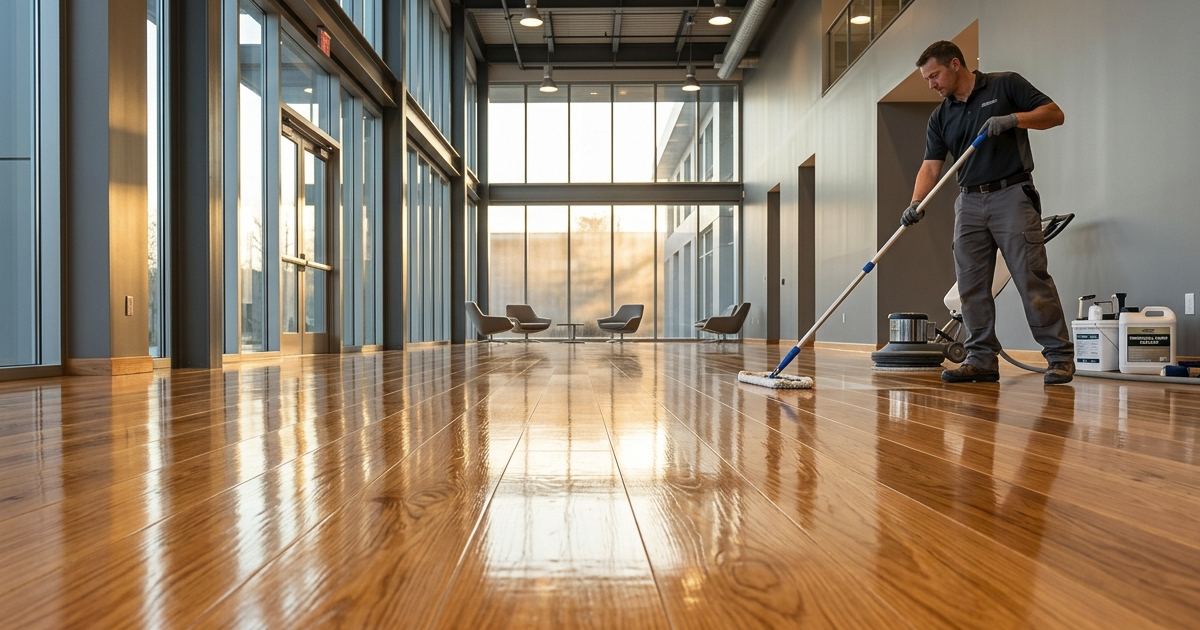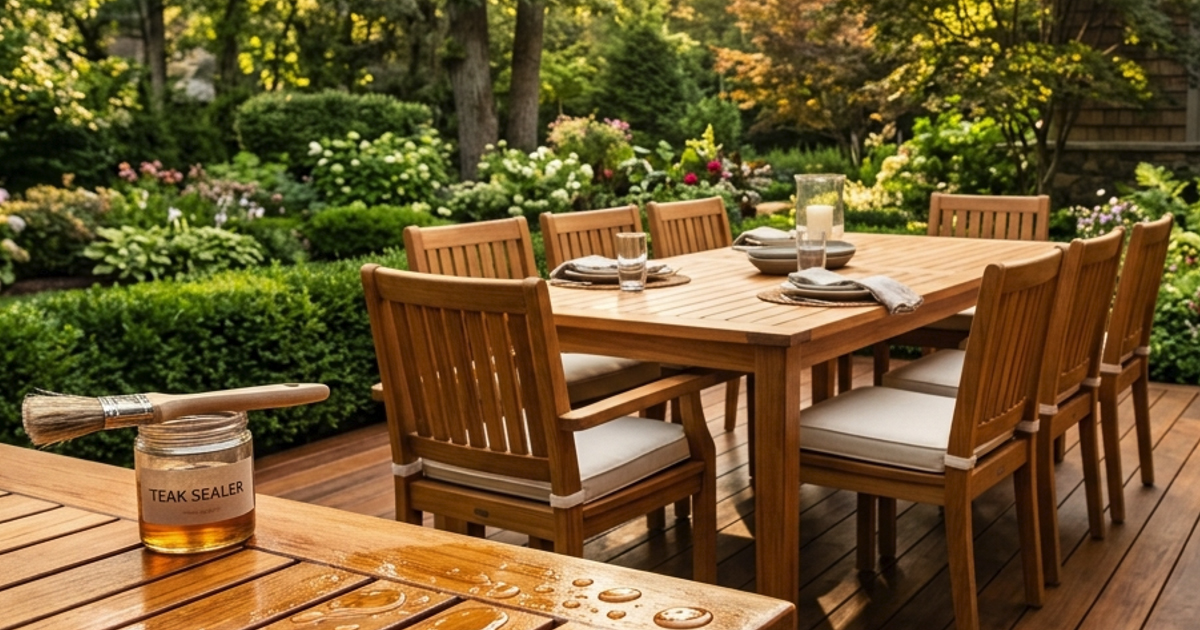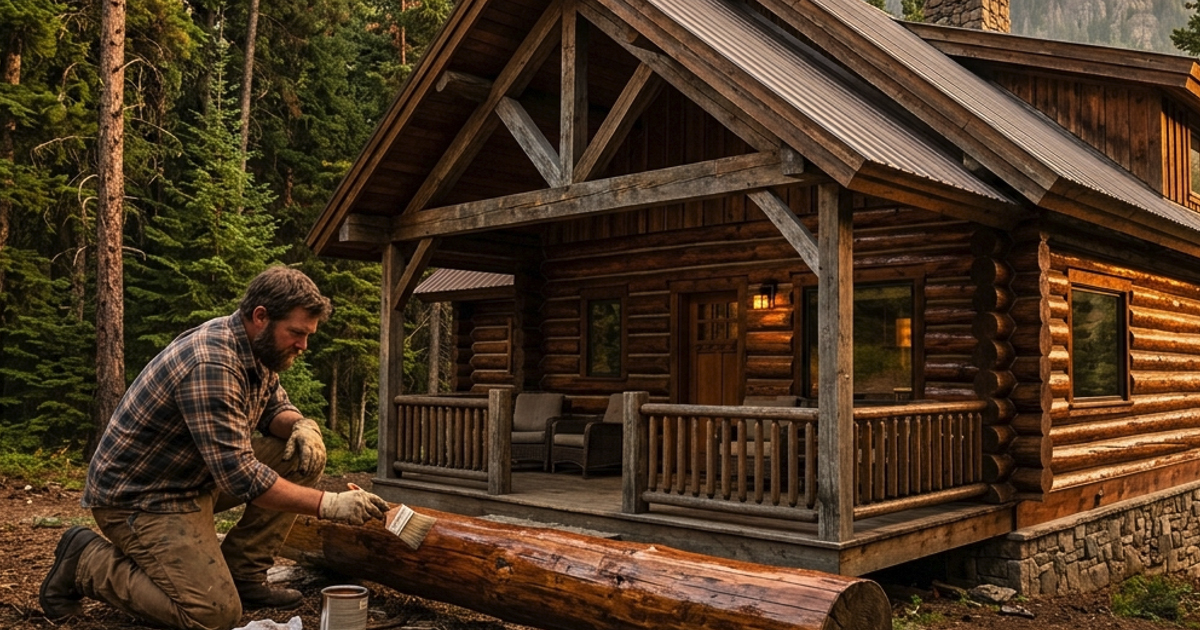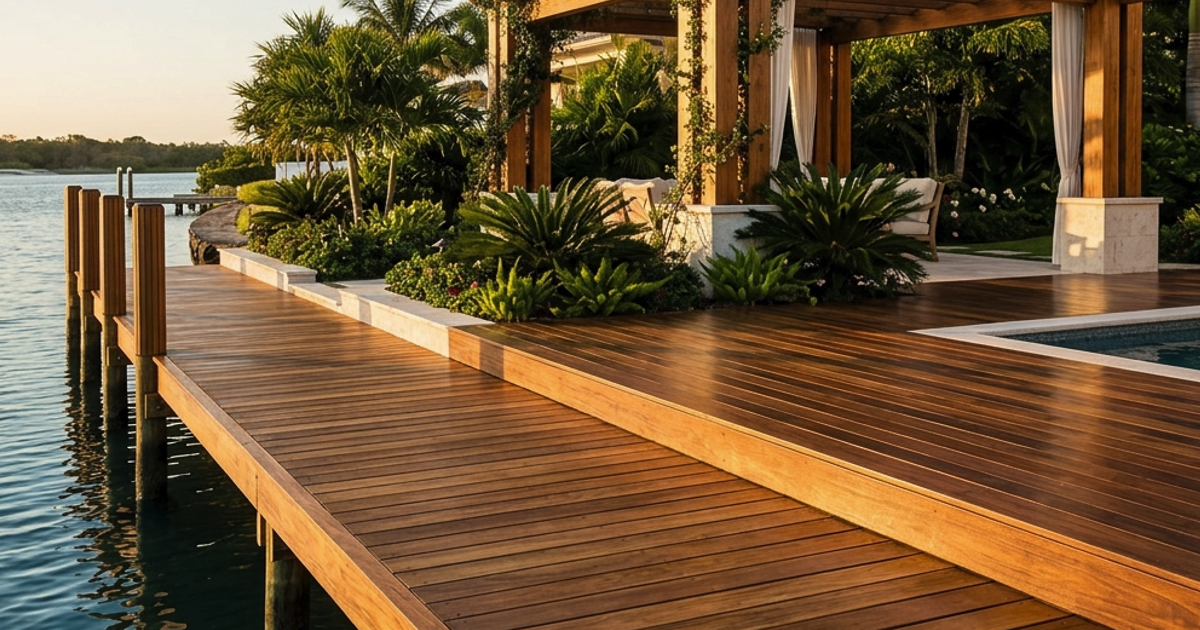



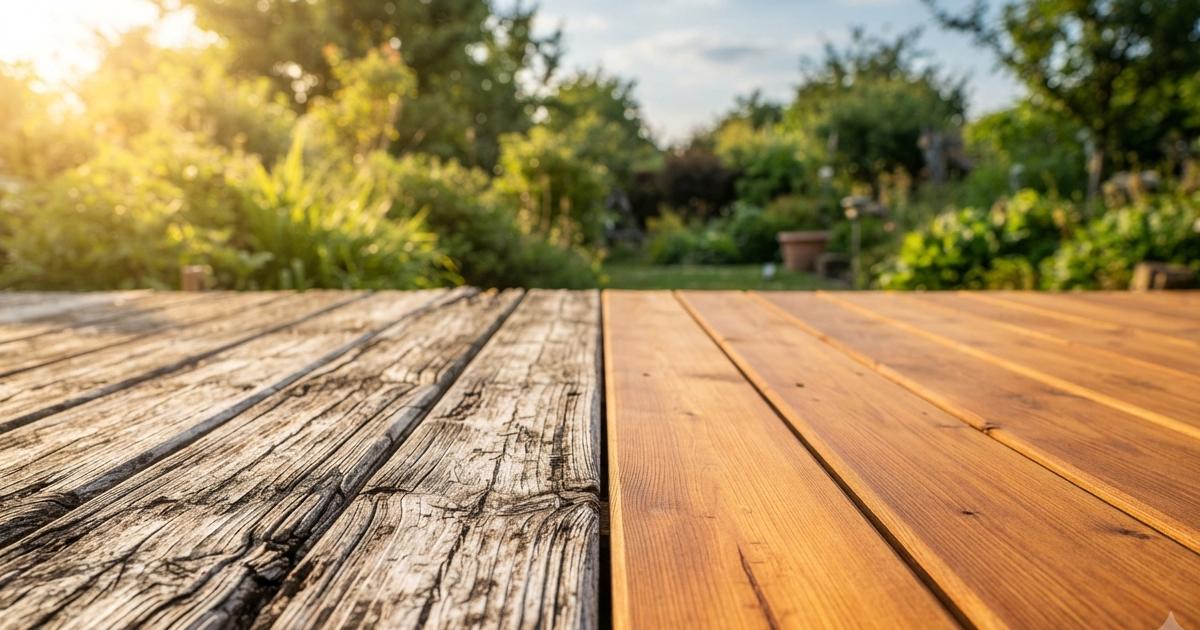

Wood is one of the most naturally beautiful and structurally versatile materials available to homeowners and commercial contractors alike. But left unprotected, it is also one of the most vulnerable. Every day that a wood surface sits exposed to the elements, an invisible war is being waged against its fibers. Ultraviolet radiation, moisture cycling, temperature swings, and biological growth are relentlessly breaking down the very structure that makes wood strong and beautiful. Understanding exactly how this degradation happens is the first step toward stopping it.
At INSECO, we have spent nearly three decades studying how surfaces fail and engineering specialty coatings that prevent those failures. The insights we have gathered from formulating products like WOOD Rx give us a uniquely deep understanding of what happens to wood when proper protection is absent or compromised. This post breaks down the science of UV damage and weathering degradation, and more importantly, what you can do to stop it before it costs you a full replacement.
How UV Radiation Breaks Down Wood at the Molecular Level
Most people understand that sunlight fades colors, but the damage ultraviolet radiation causes to wood goes far deeper than surface discoloration. Wood contains a natural polymer called lignin, which acts as the biological glue binding the wood's cellulose fibers together and giving it structural rigidity. Lignin is also responsible for wood's natural warm color tones.
When UV rays penetrate an unprotected wood surface, they attack lignin directly through a process called photodegradation. The UV energy breaks apart the chemical bonds within lignin molecules, causing them to become unstable and ultimately to wash away. This is why unprotected wood turns gray and silvery over time. That graying is not simply a cosmetic issue. It is the visible evidence of lignin being destroyed and the structural matrix of the wood beginning to break apart.
The Difference Between UV-A and UV-B Damage
Not all ultraviolet radiation behaves the same way on wood surfaces. UV-A radiation, which makes up the majority of UV exposure at ground level, penetrates deeper into the wood and causes long-term structural breakdown. UV-B radiation is higher energy and primarily responsible for the rapid surface bleaching and color change you notice in the first season of exposure. Together, they create a compounding degradation cycle that accelerates the deeper the initial damage goes.
Professional-grade wood sealers like WOOD Rx incorporate UV absorbers and UV stabilizers that work on different mechanisms. UV absorbers intercept photons before they can reach the lignin, converting that energy into harmless heat. UV stabilizers then quench the free radicals generated by any UV energy that does get through. Using a sealer that addresses both mechanisms is critical for genuine long-term protection, not just short-term appearance maintenance.
Pro Tip: Never Rely on Color Alone to Judge UV Protection
A common mistake among both DIY applicators and less experienced contractors is assuming that because a sealer preserves the wood's original color, it is providing adequate UV protection. Color retention and UV structural protection are not always the same thing. Some sealers contain pigments that mask graying without actually protecting the lignin underneath. Always look for products that specifically list UV absorbers or UV inhibitors as active components in the formulation, not just colorants.
How Moisture Cycling and Weather Extremes Accelerate Wood Degradation
UV damage rarely works alone. In nearly every outdoor environment, it is partnered with the equally destructive forces of moisture absorption and temperature cycling. Understanding how these factors interact is essential for any property owner or contractor trying to make informed decisions about surface protection.
Wood is hygroscopic, meaning it naturally absorbs and releases moisture from the surrounding environment. Every time wood absorbs water, its fibers swell. Every time it dries out, those fibers contract. This constant expansion and contraction creates mechanical stress within the wood structure. Over time, that stress manifests as cracking, checking, splitting, and warping. On a deck or fence that cycles through wet seasons, dry summers, freezing winters, and humid springs, this movement happens hundreds of times over the life of the structure.
The Role of Freeze-Thaw Cycles in Accelerating Damage
In climates that experience freezing temperatures, moisture cycling becomes exponentially more destructive. When water absorbed into wood grain freezes, it expands by approximately nine percent in volume. That expansion exerts enormous pressure on the wood fibers from within. When temperatures rise and that ice melts, the pressure releases and the wood contracts again. Each freeze-thaw cycle causes micro-fractures within the wood that grow with each subsequent cycle.
This is why unprotected wood in northern climates deteriorates so dramatically faster than wood in temperate zones. It is also why choosing a sealer with deep penetrating water repellency is not optional in freeze-prone environments. A surface film that sits on top of the wood offers limited protection against moisture that can enter through end grain, cracks, or compromised areas. A penetrating sealer that gets into the wood fibers and repels moisture at the cellular level provides dramatically superior protection against freeze-thaw damage.
Mold, Mildew, and Biological Growth
Moisture damage creates a secondary problem that compounds structural degradation: biological growth. Wood that is chronically damp or that never fully dries between rain events becomes an ideal substrate for mold, mildew, algae, and fungal growth. Beyond the obvious aesthetic problems of dark staining and green discoloration, biological growth actively breaks down wood fibers through enzymatic and acidic processes.
Certain mold species produce mycotoxins and acids that specifically target cellulose and lignin, the same components that UV radiation attacks. This biological assault combined with UV photodegradation and moisture cycling creates a three-front attack that can reduce a structurally sound deck or fence to a replacement candidate within just a few years if no protective coating is in place.
Pro Tips for Using Specialty Coatings to Break the Degradation Cycle
The good news is that all of the degradation mechanisms described above are preventable with the right approach to surface protection. Here are the professional strategies that INSECO recommends for maximizing the protective performance of specialty wood coatings:
- Start with a clean, sound surface. No sealer can compensate for an inadequately prepared substrate. Before applying any protective coating, remove all dirt, biological growth, and existing failed sealer. Use an appropriate wood cleaner and allow full drying time before application.
- Choose a penetrating sealer over a film-forming product for exterior applications. Penetrating sealers get into the wood grain and protect from within, while film-forming products sit on top and are vulnerable to peeling and delamination as the wood moves beneath them.
- Apply in optimal temperature conditions. Most wood sealers perform best when applied between 50°F and 90°F with low humidity. Applying in direct midday sun on hot surfaces can cause the sealer to dry too quickly before proper penetration occurs.
- Apply two coats on new or highly porous wood. Fresh or recently stripped wood is very thirsty and may absorb the first coat entirely. A second coat ensures that the surface is fully saturated and the protection layer is properly established.
- Pay extra attention to end grain. End grain is where wood absorbs the most moisture. Apply additional sealer to cut ends, post tops, and any exposed end grain areas to prevent accelerated moisture infiltration at these high-risk points.
- Establish a regular inspection and maintenance schedule. Even the best specialty coatings require periodic reapplication. Inspect sealed wood surfaces annually and reapply as needed rather than waiting for visible degradation to develop.
- Do not skip the mildewcide. In humid environments or shaded areas, choose a sealer formulation that includes mildewcide protection to prevent biological growth from establishing between maintenance cycles.
Why Product Quality Matters More Than Application Frequency
One of the most important professional insights INSECO can offer is that the quality of the sealer you choose matters far more than how often you apply it. A premium product like WOOD Rx that delivers genuine UV protection, deep moisture repellency, and biological resistance will outperform a budget-grade sealer even when the budget product is applied more frequently. Frequent reapplication of an inferior product can also create buildup issues, adhesion problems, and uneven aesthetics over time.
The economics of this are straightforward. A higher-quality sealer applied correctly and on a sound maintenance schedule extends the life of the wood surface dramatically, delays or eliminates costly replacement, and maintains the aesthetic and structural value of the property. For commercial contractors, this translates directly into fewer callbacks, stronger client relationships, and a reputation for delivering lasting results.
Conclusion: Protection Is Always Easier Than Remediation
Understanding the mechanisms behind UV damage, moisture cycling, temperature extremes, and biological growth gives you a significant advantage in protecting any wood surface, whether it is a residential deck, a commercial boardwalk, a privacy fence, or architectural wood cladding. The degradation processes are relentless and cumulative, but they are also predictable. And predictable problems have engineered solutions.
INSECO has been developing those solutions since 1996, and WOOD Rx stands as the flagship of that commitment. If you have questions about choosing the right wood protection system for your specific application, our technical team is available to provide the kind of comprehensive guidance that has made INSECO a trusted name among professionals and discerning homeowners for nearly three decades. The best time to protect a wood surface is before damage begins. The second best time is right now.