



Hardwood floors are among the most coveted surfaces in both commercial and residential settings. They communicate quality, warmth, and craftsmanship in a way that few other flooring materials can match. But in high-traffic environments, that beauty comes under constant assault. Foot traffic, furniture movement, moisture intrusion, cleaning chemicals, and everyday abrasion conspire to degrade unprotected wood faster than most property owners anticipate. The good news is that the right sealing strategy, applied with professional-grade precision, can dramatically extend the life and appearance of hardwood floors in even the most demanding spaces.
At INSECO, we have spent nearly three decades helping contractors and property owners understand that surface protection is not a one-size-fits-all discipline. Hardwood floors in a busy restaurant, a retail showroom, a school hallway, or a corporate office face challenges that are fundamentally different from those encountered by a residential living room floor. Understanding those differences is the first step toward making smarter sealing decisions.
Why Commercial Hardwood Floors Demand a Higher Standard of Protection
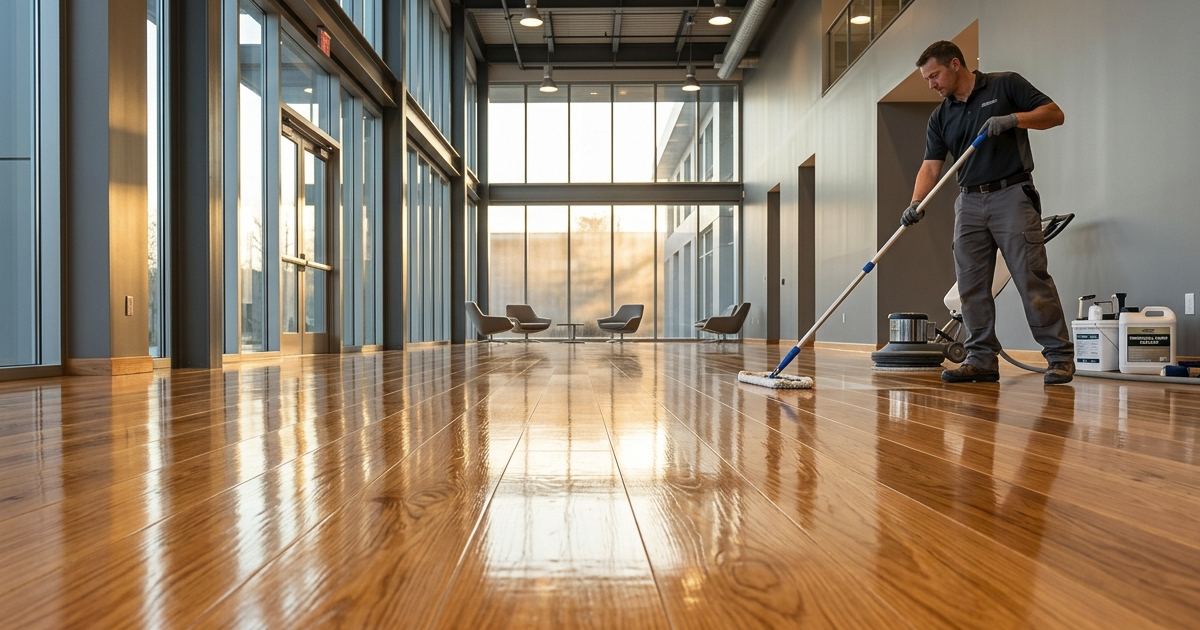
Commercial spaces subject hardwood floors to conditions that would overwhelm most consumer-grade sealers within months. The volume of foot traffic alone can compress wood fibers, introduce grit and debris that act like sandpaper on an unprotected surface, and create micro-abrasions that gradually erode any coating system that lacks sufficient hardness and film build. Add in the constant opening of exterior doors, the use of floor scrubbers and commercial cleaning equipment, and the occasional spill of oils, beverages, or cleaning agents, and you begin to understand why commercial hardwood sealing is a specialized discipline.
Residential hardwood floors typically see a fraction of this abuse, but that does not mean they should be treated casually. High-traffic residential areas like entryways, kitchens, and main hallways benefit enormously from the same disciplined approach that commercial contractors apply. The difference is in the intensity of the conditions, not the principles behind proper protection.
Assessing Traffic Patterns Before Selecting a Coating System
Before selecting any sealer or topcoat for a hardwood floor project, experienced contractors conduct a thorough traffic analysis. This means identifying where foot traffic concentrates, whether rolling carts or dollies are used in the space, what type of footwear is common, and whether the floor receives direct sunlight that could cause differential fading between high-traffic and low-traffic zones. All of these factors influence both the product selection and the application strategy.
A floor that experiences heavy rolling load from carts or equipment will need a coating system with superior abrasion resistance and flexibility. A floor exposed to direct UV radiation will benefit from a sealer with built-in UV inhibitors. A floor in a food service environment must be coated with a product that resists repeated exposure to oils, acidic beverages, and commercial cleaners without breaking down or losing adhesion.
Wood Species Matter More Than Most People Realize
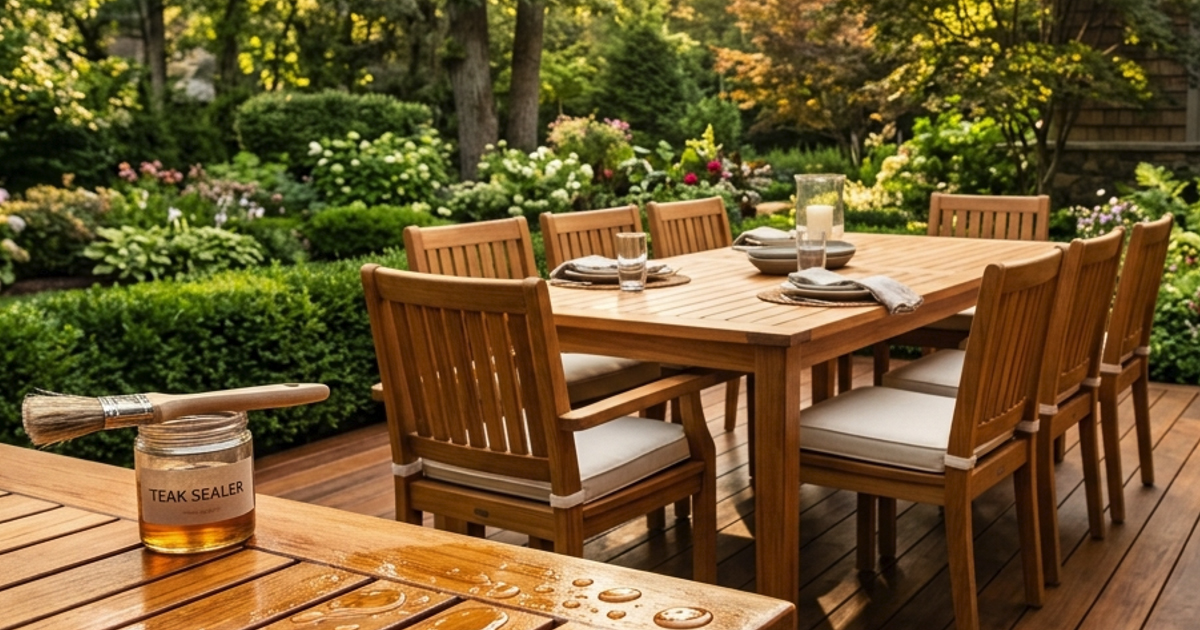
Not all hardwood species accept sealers equally. Denser species like maple and Brazilian cherry have tighter grain structures that can resist penetration by some sealer formulations, requiring additional surface preparation or the use of a penetrating primer coat before the primary sealer is applied. Open-grain species like oak and ash absorb sealers more readily but may require a grain filler to achieve a smooth, uniform finish. Understanding the behavior of the specific wood species underfoot is essential to selecting the right application approach and achieving consistent results across the entire floor surface.
Pro Tips for Surface Preparation on Hardwood Floors
Every experienced coatings professional will tell you the same thing: the quality of your finish is determined almost entirely by the quality of your surface preparation. This is nowhere more true than on hardwood floors, where surface irregularities, residual contaminants, and improper sanding technique can all compromise the adhesion and appearance of even the finest sealer system.
Sanding Sequence and Grit Progression
Whether you are working with a newly installed floor or recoating an existing surface, sanding sequence matters enormously. Start with a coarser grit to level the surface and remove any previous coating or deep scratches, then progressively move through finer grits to eliminate the scratch pattern left by each previous pass. Finishing with too coarse a grit leaves visible scratches that telegraph through the final sealer coat. Finishing with too fine a grit can actually close the wood pores to the point where penetrating sealers cannot adequately bond with the substrate.
For most hardwood floor recoating projects, finishing the sanding process at 80 to 100 grit for the main passes and finishing with 120 grit for the final screening provides an ideal surface profile. Always sand with the grain, and never skip grit sequences in an effort to save time. That shortcut will cost far more in rework than the time it would have saved.
Cleaning and Tack After Sanding
Once sanding is complete, thorough cleaning is non-negotiable. Sawdust and fine wood particles left on the surface will contaminate the sealer and create a rough, gritty finish. Use a commercial vacuum with a fine-particle filter to remove all airborne and surface dust, followed by a microfiber tack cloth pass to capture any remaining particles that the vacuum missed. Never use a water-dampened cloth immediately before sealing, as moisture introduced to raw wood can raise the grain and create adhesion issues.
Selecting and Applying the Right Sealer System for High-Traffic Hardwood
With proper preparation complete, product selection becomes the critical decision point. The market offers a wide range of hardwood floor sealer formulations, from water-based polyurethanes to solvent-based systems to penetrating oil finishes, and each has specific strengths and limitations that must be matched to the demands of the environment.
Understanding the Strengths of Each System Type
- Water-based sealers and topcoats dry quickly, have lower VOC content, and are well suited for spaces where rapid return to service is a priority. They tend to dry clear without the amber toning of solvent-based systems, preserving the natural color of lighter wood species.
- Solvent-based and oil-modified systems typically offer superior film hardness, excellent penetration into dense substrates, and a warm amber tone that enhances the appearance of traditional hardwood species like oak and hickory. They require longer dry times and adequate ventilation during application.
- Penetrating oil finishes soak into the wood rather than forming a surface film, providing protection from within the substrate. These systems are easier to spot-repair but generally offer less surface abrasion resistance than film-forming systems in extreme traffic conditions.
- Commercial-grade urethane systems with added aluminum oxide or ceramic hardeners are specifically formulated for the most demanding commercial environments, providing exceptional abrasion resistance without sacrificing clarity or sheen.
- Moisture-cure urethanes represent the gold standard for hardness and chemical resistance but require highly controlled application conditions and experienced handling due to their sensitivity to ambient humidity during cure.
Application Technique for Consistent, Professional Results
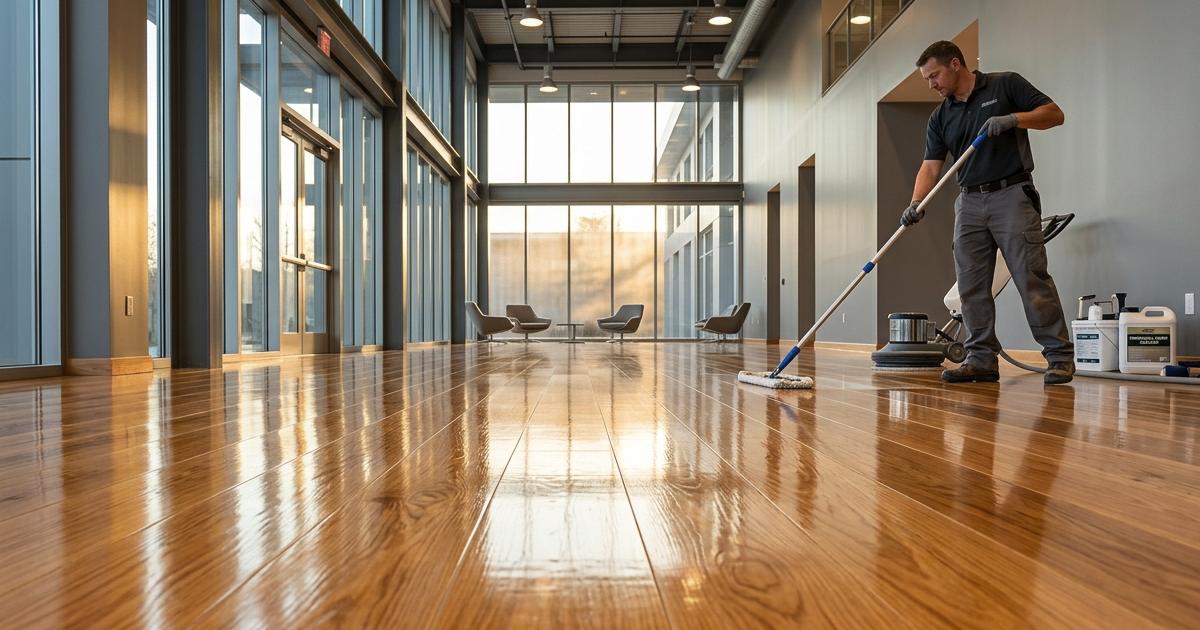
Even the best sealer formulation will underperform if it is applied poorly. For hardwood floors, the preferred application tools are a T-bar applicator with a quality synthetic pad or a high-quality lamb's wool applicator. These tools allow the applicator to maintain consistent wet-edge control across wide floor areas without introducing roller marks or applicator lines into the finish.
Always begin application at the point farthest from the exit door and work systematically toward the exit, maintaining a wet edge at all times and working in manageable sections. Avoid overloading the applicator, as excess material deposited in one area will dry with a different sheen level and film thickness than the surrounding sections, creating a mottled or uneven appearance. Thin, even coats consistently outperform thick, single-pass applications in terms of both appearance and durability.
Intercoat Preparation and the Final Coat
Between each coat, a light screening or scuff-sanding with 220-grit screen or the equivalent is essential for intercoat adhesion. This step mechanically profiles the dried coat surface, giving the next layer a clean, consistent surface to bond to. Always vacuum and tack after screening before applying the next coat. The final coat should be applied with extra care to maintain a dust-free environment, as any contamination in the last layer will be permanently visible in the finished floor.
For commercial floors that will see immediate heavy traffic, allowing the full cure time specified by the manufacturer before returning the space to normal use is not optional. Coating systems may feel dry to the touch within hours but continue to cure chemically for days to weeks. Heavy traffic introduced too early can cause premature abrasion, scuffing, or adhesion failure that will require a complete refinishing cycle to correct.
Ongoing Maintenance to Maximize the Life of Your Coating Investment
Sealing and coating hardwood floors is a significant investment of time, materials, and expertise. Protecting that investment through a disciplined ongoing maintenance program is what separates floors that look great for a decade from those that require refinishing within a few years.
Use only pH-neutral, hardwood-safe cleaning products and avoid excess water during routine cleaning. Place high-quality entryway mats at all exterior entry points to capture grit and moisture before it reaches the sealed floor surface. Use felt pads on all furniture legs, and replace them regularly as they collect debris that can scratch the finish. Schedule periodic professional maintenance coats before the existing finish reaches full wear-through, as applying a maintenance coat over a sound existing finish is dramatically less costly and disruptive than a full refinishing project.
At INSECO, we believe that the best surface protection strategy is a proactive one. Whether you are sealing a brand-new commercial hardwood floor or restoring a worn residential surface, the principles remain the same: prepare thoroughly, select the right product for the specific demands of the environment, apply with precision, and maintain consistently. That approach, backed by the right specialty coating system, is what delivers floors that perform beautifully for years to come.