



Outdoor furniture and freestanding wooden structures like arbors, gazebos, trellises, and pergola-adjacent benches occupy a unique and often overlooked category in surface protection. Unlike decks and fences that receive significant attention, these pieces tend to be neglected until visible damage appears. By then, the wood has already begun its slow deterioration. At INSECO, we work with homeowners and contractors every day who are surprised to discover how quickly unprotected outdoor furniture can degrade and how straightforward it is to prevent that damage with the right approach.
Outdoor furniture faces a relentless combination of environmental stressors. Rain soaks into unprotected grain, UV radiation bleaches and oxidizes surface fibers, temperature swings cause wood to expand and contract repeatedly, and biological growth like mold, mildew, and algae colonizes moisture-rich surfaces. The cumulative result is cracking, warping, splintering, and structural weakening. Proper sealing is not cosmetic. It is a functional investment in the longevity and safety of every piece of wood in your outdoor living space.
Understanding the Unique Challenges of Outdoor Furniture Protection
Outdoor furniture and smaller wooden structures present sealing challenges that differ significantly from flat horizontal surfaces like decks. The geometry is complex. You are working with curved legs, spindles, slatted seats, joinery gaps, undersides, and intricate ornamental details. Each of these areas requires deliberate attention because skipping them creates entry points for moisture even if the visible surfaces look fully covered.
Wood Species Matter More Than Most People Realize
The species of wood used in outdoor furniture dramatically influences how a sealer should be applied and which product will perform best. Teak, for example, contains natural oils that can interfere with coating adhesion if the surface is not properly cleaned and prepped. Cedar is naturally resistant to insects and decay but still requires protection from UV and moisture to maintain its appearance. Pine and other softwoods are highly porous and absorb sealers quickly, often requiring additional coats to achieve adequate film build and protection.
Before selecting any sealer, identify your wood species and understand its porosity, natural oil content, and grain structure. This knowledge directly shapes your product selection, your prep work, and your application strategy. A one-size-fits-all approach leads to premature failure, regardless of how good the product is.
The Problem With Joinery and Assembly Gaps
Most outdoor furniture is assembled with fasteners, tenon joints, or overlapping slats, all of which create gaps and recessed areas where moisture loves to collect. These joints are often the first point of failure because water enters, is trapped, and accelerates rot from the inside out. When sealing outdoor furniture, pay particular attention to these transition zones. Use a brush to work sealer into joints, under hardware, and into any recessed grain before rolling or spraying the broader surfaces.
Pro Tips for Cleaning, Stripping, and Preparing Outdoor Furniture Before Sealing
Preparation is the single most important variable in any coating project, and outdoor furniture is no exception. A well-prepared surface accepts a sealer evenly, bonds properly, and delivers the protection the product was designed to provide. Rushing the prep phase or skipping it entirely is the most common reason sealers fail prematurely on residential outdoor pieces.
Start With a Thorough Cleaning
Begin by removing all dirt, biological growth, oxidized wood fiber, and any existing coating that is failing or incompatible with your new product. For most outdoor furniture, a quality wood cleaner or brightener applied with a soft brush followed by low-pressure rinsing is the appropriate method. Avoid high-pressure washing on older or thinner pieces where the force of the water can raise grain aggressively or damage softer wood fibers.
If the wood has significant graying or oxidation, a wood brightener containing oxalic acid will restore the natural color and open the grain for better sealer penetration. Allow the wood to dry completely after washing. This is critical. Applying any sealer to wood with elevated moisture content traps that moisture beneath the coating and creates conditions for blistering, peeling, and mold growth.
Sanding and Surface Opening
Light sanding with 80 to 120 grit sandpaper before sealing accomplishes two things. It removes any remaining raised grain from the cleaning process and it opens the wood surface to improve sealer absorption. Always sand in the direction of the grain to avoid cross-grain scratches that will be visible after sealing. After sanding, remove all dust with a tack cloth or a clean dry brush before applying your first coat.
- Use 80 grit for aggressive material removal on weathered or rough surfaces
- Use 100 to 120 grit for general surface preparation and grain opening on smoother pieces
- Always sand with the grain, never across it
- Remove all sanding dust before coating to prevent contamination under the film
- Test for residual moisture using a moisture meter before applying any sealer
- Target a moisture content below 15 percent for optimal sealer penetration and adhesion
- Inspect all joints, edges, and fastener points for deterioration before proceeding
Application Techniques That Deliver Professional Results on Outdoor Furniture
Once your surface is clean, dry, and properly prepared, the application phase requires its own discipline. Outdoor furniture has contours and details that demand a more hands-on approach than flat surfaces. Getting the right coverage in the right areas without runs, drips, or missed zones is a skill that separates a truly protected piece from one that looks good until the first rainstorm.
Brush First, Finish Broad Surfaces Second
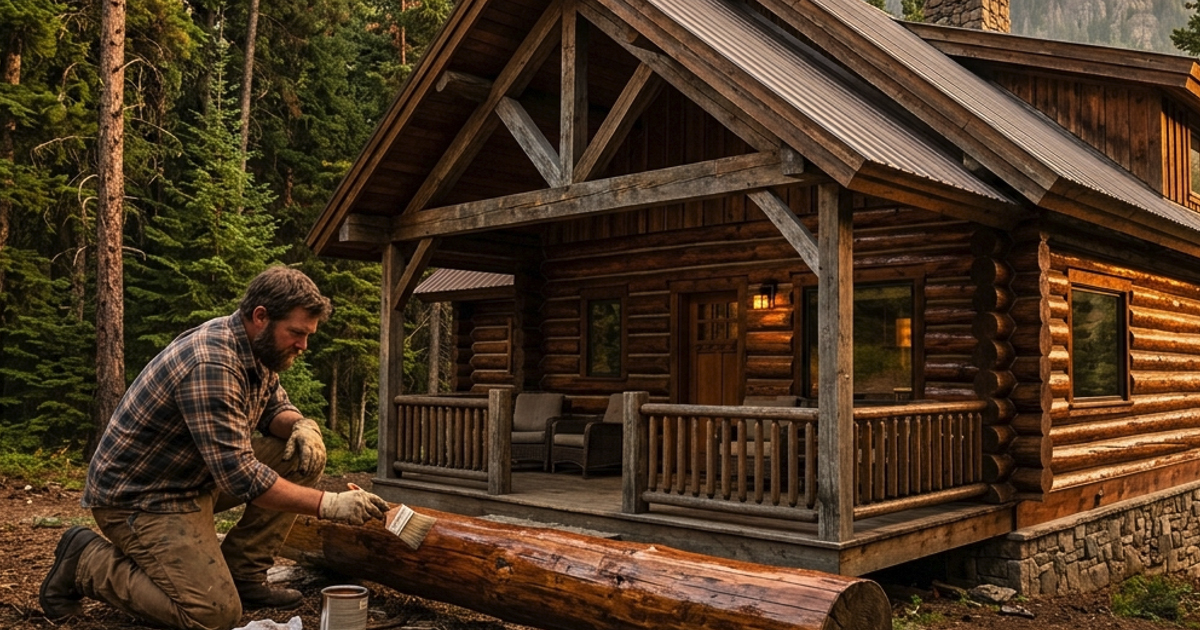
The professional approach for complex pieces is to brush sealer into all joints, edges, end grain, and detailed areas before addressing the larger flat surfaces. End grain is particularly important because it absorbs moisture many times faster than face grain and is the primary entry point for water that causes checking and cracking. Saturate end grain thoroughly and allow it to absorb the first application before adding a second pass.
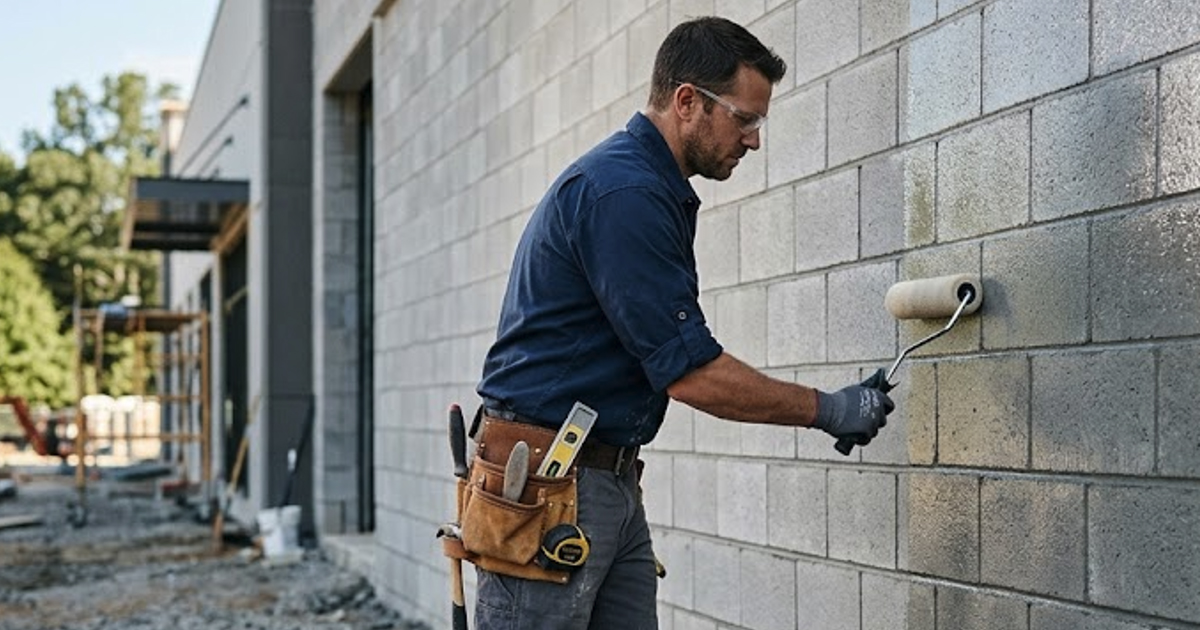
After treating all detailed areas, apply sealer to broader surfaces using a quality natural bristle or foam brush, a short-nap roller for flat slatted sections, or a low-pressure spray system for large volumes of pieces. Maintain a wet edge throughout application to prevent lap marks and ensure an even film. Work in manageable sections and avoid letting the sealer dry before connecting your application strokes.
Multiple Thin Coats Outperform Single Heavy Applications
A common mistake among both homeowners and inexperienced contractors is applying a single heavy coat in an attempt to maximize protection quickly. Thick coats take longer to cure, are more prone to runs and sags on vertical and curved surfaces, and often trap solvents beneath the film that cause bubbling or clouding. Two to three thin, even coats applied with proper dry time between each coat will always outperform one heavy application. Follow the manufacturer's recoat window precisely. Applying the second coat too soon or too late can compromise intercoat adhesion and overall film integrity.
Protecting Underneath and Undersides
One of the most commonly missed areas on outdoor furniture is the underside of seats, table tops, and horizontal members. These surfaces face the ground, collect condensation and reflected moisture, and are often in contact with standing water on patios after rain. Skipping the underside of a piece is essentially leaving a wide-open door for moisture to enter and migrate through the wood. Flip pieces over or use a brush to reach underneath and ensure full coverage on every surface, not just the ones you can see from a standing position.
Maintenance Schedules and Knowing When It Is Time to Reseal
Even the best sealers have a service life. Outdoor furniture typically needs to be resealed more frequently than decks or fences because individual pieces are often more exposed, handled more frequently, and subjected to direct contact with food, beverages, sunscreen, and other surface-degrading substances. Developing a consistent inspection and maintenance schedule protects your investment and keeps the sealer performing at full capacity.
Signs That Resealing Is Needed
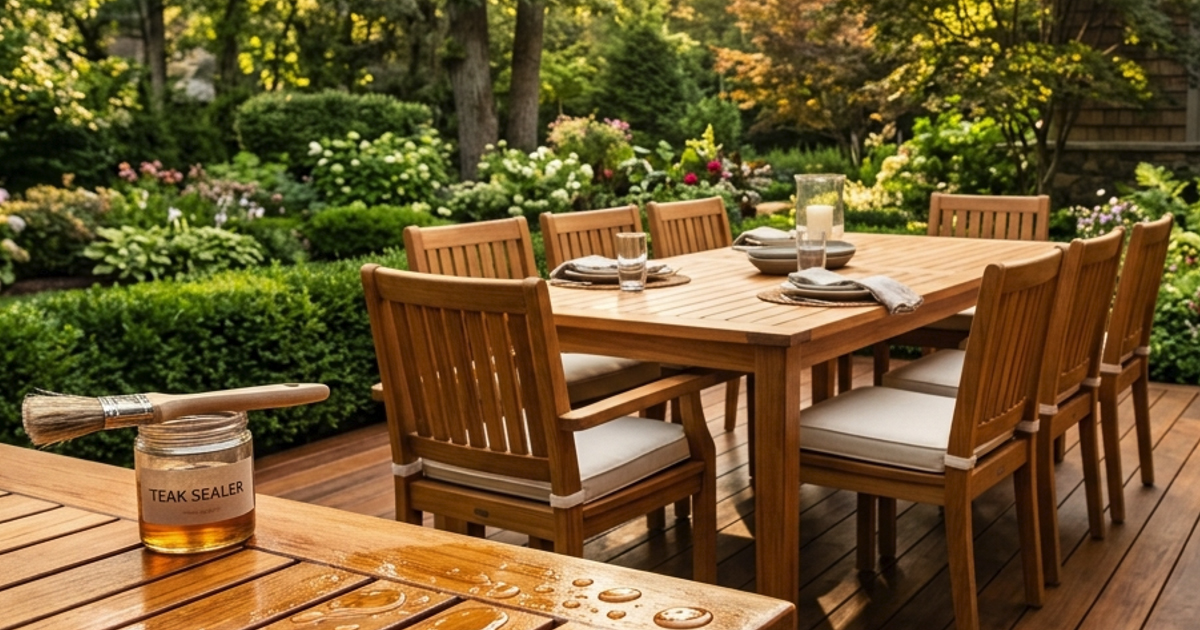
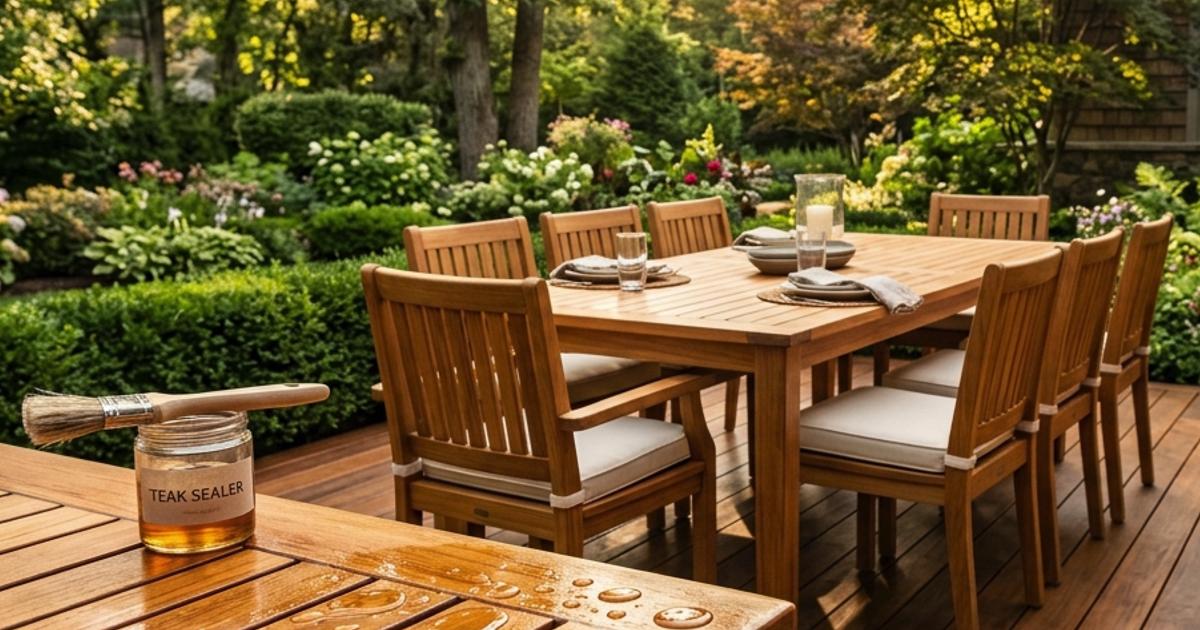
The most reliable indicator that a sealer has reached the end of its service life is the water bead test. Apply a few drops of water to the sealed surface. If the water beads and rolls off, the sealer is still active. If the water absorbs into the surface and darkens the wood, the sealer has broken down and reapplication is needed. Additional signs include visible graying or bleaching of the wood surface, surface cracking or checking, peeling or flaking of film-forming products, and the growth of mold or mildew on the surface.
For most outdoor furniture in moderate climates, an annual inspection with resealing every one to two years is appropriate. In climates with intense UV exposure, heavy rainfall, or extreme temperature swings, more frequent reapplication may be necessary. Products like WOOD Rx from INSECO are formulated with premium UV inhibitors and penetrating technology that extend service life and reduce the frequency of reapplication, making them an excellent long-term choice for residential outdoor furniture and structures.
Protecting the outdoor furniture and smaller wooden structures in your living space is a straightforward process when approached with the right knowledge, the right products, and the right technique. INSECO's team is available to provide technical guidance for any project, whether you are sealing a single Adirondack chair or maintaining an entire outdoor furniture collection for a commercial hospitality property. Start with preparation, choose a premium penetrating sealer suited to your wood species, apply with precision, and maintain consistently. The results speak for themselves in surfaces that stay beautiful and structurally sound for years to come.