



Wood siding and exterior cladding represent some of the most vulnerable surfaces on any residential or commercial structure. Constantly exposed to rain, wind, UV radiation, temperature swings, and biological growth, unprotected wood siding can deteriorate rapidly, leading to costly repairs or full replacements that could have been avoided with the right sealing strategy. Whether you are managing a single-family home or overseeing a commercial property with extensive wood cladding, understanding how to properly protect these surfaces is one of the smartest investments you can make.
At INSECO, we have spent nearly three decades working with contractors and homeowners who face the same recurring challenge: wood siding that fails prematurely because it was improperly sealed, under-maintained, or coated with the wrong product for the application. This guide breaks down the full process from assessment to application, with the pro-level insights that separate a coating that lasts from one that peels within a season.
Why Wood Siding Demands a Different Approach Than Decks and Fences
Many property owners make the mistake of treating all exterior wood surfaces the same way. The reality is that wood siding faces a uniquely demanding set of conditions that require a more deliberate protection strategy. Unlike a horizontal deck surface where water pools and drains predictably, vertical siding contends with driving rain that forces moisture horizontally into joints, laps, and end grain. This directional moisture infiltration is one of the leading causes of premature siding failure.
Beyond moisture, wood siding is exposed to direct solar radiation across its full face throughout the day, which accelerates UV degradation and causes the photodegradation of lignin, the binding compound that gives wood its structural integrity. When lignin breaks down, the surface turns gray, checks develop, and the wood becomes increasingly porous and vulnerable to water intrusion.
The Role of End Grain in Siding Longevity
Professional applicators know that end grain is the Achilles heel of any wood siding installation. End grain absorbs moisture at a rate roughly ten times faster than face grain, making it a priority area during any sealing project. Horizontal lap siding, shiplap, and board-and-batten styles all have exposed end grain at corners, around windows, and at termination points. These areas should receive additional sealer application before the general surface coating is applied. A penetrating wood sealer like WOOD Rx is ideal for this purpose because it absorbs into the cellular structure of the wood rather than forming a brittle surface film that can crack under the stress of seasonal wood movement.
Understanding Wood Movement and Coating Flexibility
Wood is a hygroscopic material, meaning it continuously absorbs and releases moisture in response to environmental humidity. This causes the wood to expand and contract with the seasons. A rigid coating that cannot accommodate this movement will crack and delaminate, creating pathways for water intrusion that are often worse than having no coating at all. Always select sealers and coatings designed with flexibility in mind, particularly for climates that experience significant seasonal humidity variation.
Pro Tips for Surface Preparation Before Sealing Wood Siding
Preparation is the single most important determinant of how long your coating will perform. No matter how high-quality the product, a coating applied to a poorly prepared surface will fail. Here is what professional applicators do before a single drop of sealer touches the wood.
Cleaning and Stripping Old Coatings
Begin with a thorough inspection of the existing surface. If previous sealers or coatings are present, test adhesion by pressing tape firmly against the surface and pulling it away. If coating material lifts with the tape, the old coating must be removed before reapplication. Applying fresh product over a failing existing coating is one of the most common and costly mistakes in the field.
Pressure washing is an effective first step for removing dirt, mildew, and loose surface material. Use a wide-angle tip and maintain enough distance from the surface to avoid raising the wood grain aggressively. After washing, allow the wood to dry completely. Moisture content should ideally be below 15 percent before sealer application. Use a moisture meter to verify, not to guess. Guessing is what leads to callbacks and warranty issues.
Sanding and Surface Profiling
After cleaning and drying, lightly sand the surface with 80 to 120 grit sandpaper to open the wood grain and create a clean profile for sealer penetration. Pay particular attention to any areas where weathering has caused gray discoloration, as these oxidized surface cells should be removed to expose fresh, receptive wood beneath. Wipe away all sanding dust with a clean dry cloth before application.
Pro Application Tips for Maximum Sealer Performance on Wood Siding
- Always seal end grain first with an undiluted penetrating sealer and allow it to absorb fully before proceeding with the general surface application.
- Work in sections to maintain a wet edge and avoid lap marks, particularly on large unbroken runs of siding.
- Apply sealer in the shade or during cooler parts of the day. Direct sun on hot wood causes the carrier to evaporate too quickly, preventing full penetration and leaving the active ingredients at the surface where they are far less effective.
- Use a quality brush or lint-free roller for application. Spraying is efficient for large areas but always back-brush to work the product into the grain and ensure complete coverage.
- Do not apply sealer when rain is forecast within 24 hours of application. Moisture intrusion during the cure window will compromise adhesion and longevity.
- Apply two coats on raw or heavily weathered wood, allowing the first coat to absorb fully before applying the second.
- Check all caulk joints around windows, doors, and trim before sealing. Failed caulk allows moisture behind the siding, where no sealer can protect it. Replace any cracked or separated caulk before coating.
Maintaining Sealed Wood Siding for Long-Term Performance
Sealing wood siding is not a one-time event. It is the beginning of a maintenance cycle that, when followed consistently, can dramatically extend the life of your siding and delay or eliminate the need for costly replacement. INSECO recommends annual inspections and periodic resealing based on environmental conditions, product type, and surface exposure.
Inspection Protocols for Sealed Siding
Once per year, ideally in the spring after winter moisture stress, walk the perimeter of the structure and look for the following warning signs that your sealer is reaching the end of its performance window. Early intervention is always less expensive than reactive repair.
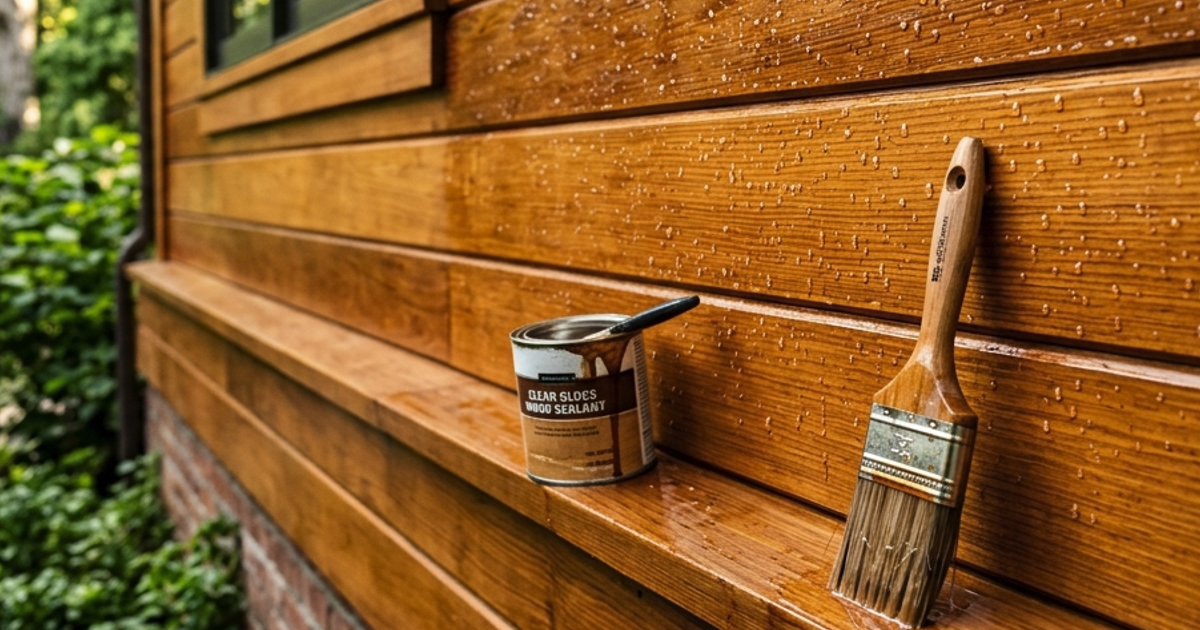
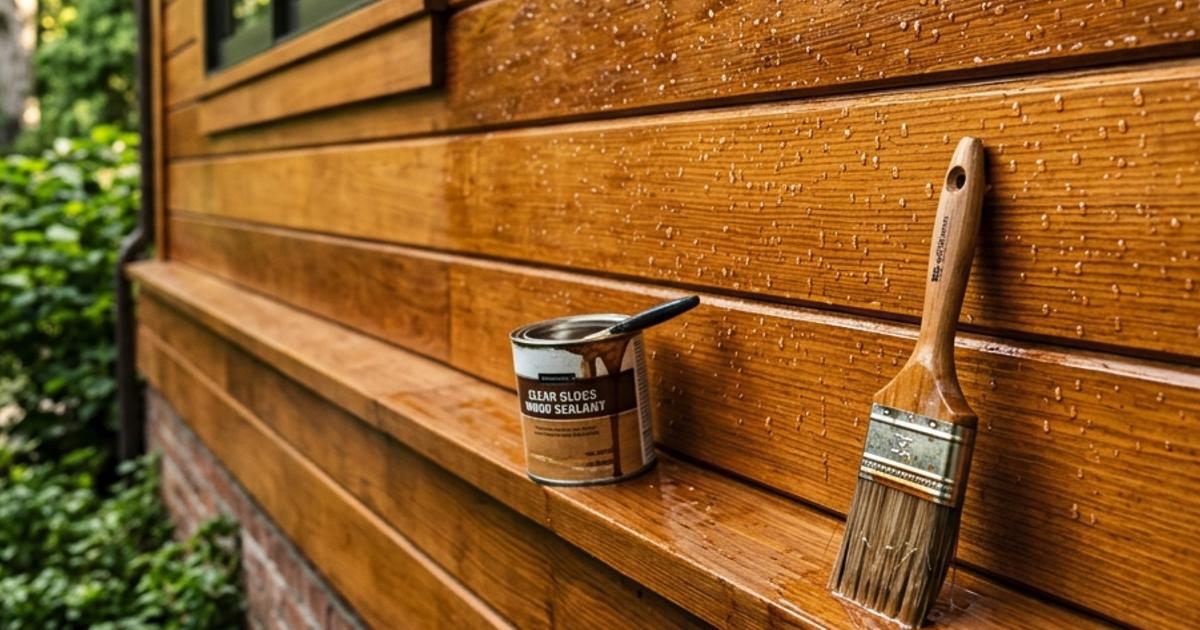
Look for water droplets that no longer bead on the surface. A properly sealed wood surface will cause water to bead and roll off. When water begins to absorb into the wood and leave a darkened wet appearance, the sealer has depleted and it is time to reapply. Also look for surface checking, cracking, or gray discoloration beginning to appear in areas that were previously protected. These are signs that UV degradation has begun to overcome the sealer's protective capacity.
Cleaning Between Resealing Applications
Between full resealing applications, keep the siding clean. Dirt, mildew, and biological growth are not just aesthetic problems. They retain moisture against the wood surface, accelerating degradation and providing the organic material that wood-destroying fungi need to establish themselves. A simple annual cleaning with a mild detergent solution and a soft brush is enough to manage surface contamination between coating cycles.
Wood siding is a beautiful, natural material that can last for generations when it receives the protection it needs. With the right product, proper preparation, and a consistent maintenance schedule, you can preserve that investment and avoid the significant cost and disruption of premature siding failure. INSECO's specialty coating systems, including our industry-leading WOOD Rx sealer, are engineered specifically for the demands of exterior wood protection, giving both homeowners and commercial contractors the confidence that comes from working with a product that has nearly thirty years of proven field performance behind it.