



When most homeowners and commercial property managers think about surface protection, they focus on decks, driveways, and patios. What often gets overlooked are the high-traffic transitional surfaces that take a beating every single day: outdoor stair treads, walkways, and entryways. These surfaces face a unique combination of foot traffic, moisture exposure, UV degradation, and freeze-thaw cycling that accelerates deterioration faster than almost any other area on a property. If you want to protect your investment and maintain both safety and curb appeal, understanding how to properly seal and coat these surfaces is essential.
At INSECO, we have spent decades helping both homeowners and commercial contractors tackle exactly these kinds of challenging surface protection projects. The lessons we have learned translate into real, actionable guidance that goes well beyond what you will find on the back of a product label.
Why Stair Treads, Walkways, and Entryways Demand Special Attention
These surfaces are not just exposed to the elements like a deck or driveway. They are contact points. Every person entering or exiting a building places concentrated foot pressure directly on these surfaces repeatedly throughout the day. That mechanical wear, combined with environmental stress, creates a perfect storm for surface breakdown.
The Compounding Effects of Foot Traffic and Weather
On a standard deck, foot traffic is distributed across a large surface area. On a stair tread or a narrow walkway, that same traffic is concentrated into a small zone. Over time, this concentrated wear strips away sealers and exposes the raw substrate beneath. Once moisture gets in, the damage accelerates. Wood begins to gray, check, and crack. Concrete begins to spall and pit. Natural stone and pavers become stained and structurally compromised.
UV radiation compounds this problem by breaking down the polymer structure of lower-quality sealers rapidly in exposed areas. A product that holds up well on a shaded section of a fence may fail within a single season on a south-facing entryway staircase that sees direct sun for six or more hours per day.
Safety Considerations You Cannot Afford to Ignore
Beyond aesthetics and longevity, there is a critical safety dimension to sealing these surfaces correctly. An unsealed or poorly sealed wood stair tread becomes slippery when wet and prone to splintering. A concrete walkway that has begun to spall creates uneven surfaces and trip hazards. For commercial properties especially, this represents a real liability concern. Choosing a sealer that offers appropriate traction without sacrificing protection is a professional decision that matters enormously in these applications.
Pro Tips for Surface-Specific Preparation and Application
Preparation is everything in specialty coatings work, and nowhere is this more true than on surfaces that see daily foot traffic. The adhesion you achieve on day one is what determines whether your coating lasts one season or five years. Cutting corners during prep work is the single most common reason coatings fail prematurely on entryways and walkways.
Wood Stair Treads: Getting the Surface Ready
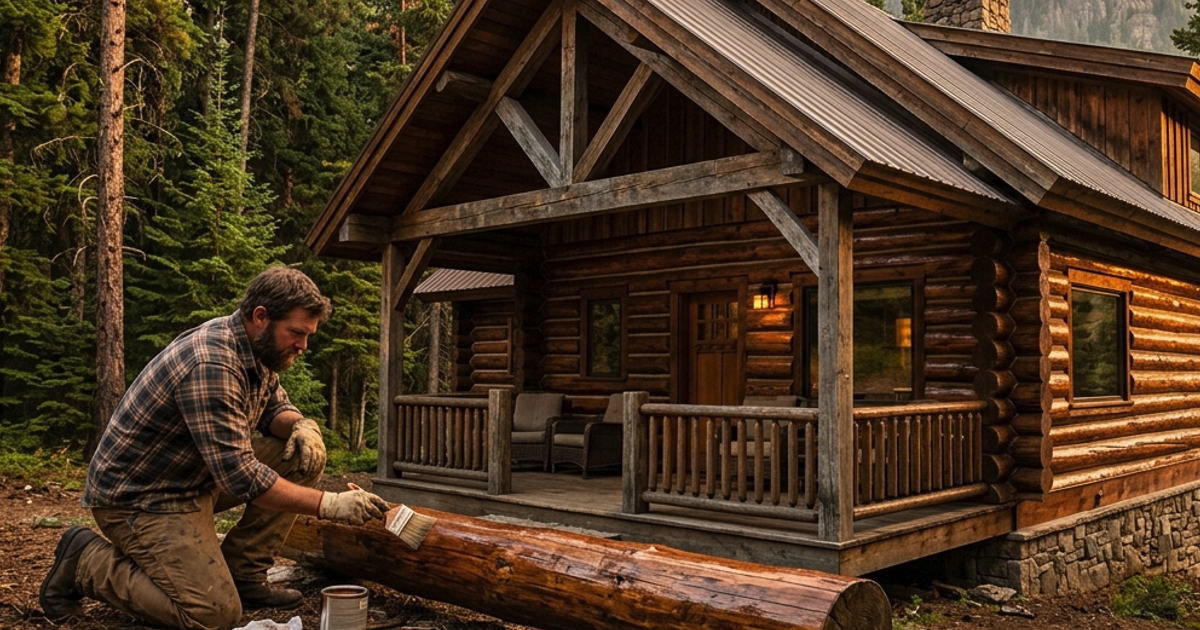
Wood stair treads require thorough cleaning before any sealer is applied. Start by removing all loose debris, dirt, and any existing coating that has begun to peel or delaminate. A pressure washer set at appropriate pressure for the wood species is effective for initial cleaning, but always allow the wood to dry completely before application. Moisture content in wood should be at or below 15 percent for optimal sealer penetration and adhesion. Use a moisture meter rather than guessing.
After cleaning, inspect every tread for raised grain, splinters, and any loose fasteners. Sand raised grain smooth with 80-grit sandpaper and drive any raised nails or screws flush with the surface. Any cracks or checks wider than a quarter inch should be addressed before coating. A penetrating sealer like WOOD Rx is ideal for wood stair treads because it does not build a thick film that can peel under foot traffic pressure. Instead, it penetrates into the wood fibers, protecting from within while keeping the surface stable and slip-resistant.
Concrete and Masonry Walkways: What Changes Below Your Feet
Concrete walkways present a different set of challenges. Efflorescence, a white mineral salt deposit that migrates to the surface, is common and must be removed before sealing. Use an appropriate efflorescence remover and rinse thoroughly. Any oil stains, biological growth, or existing failed sealers must also be addressed before a new coating system is applied.
Profile is critical for concrete. The surface needs enough texture to provide mechanical adhesion for the sealer. On smooth concrete that has been troweled to a high polish, light acid etching or mechanical grinding may be required. Always neutralize acid etched surfaces thoroughly before coating.
Natural Stone and Paver Entryways
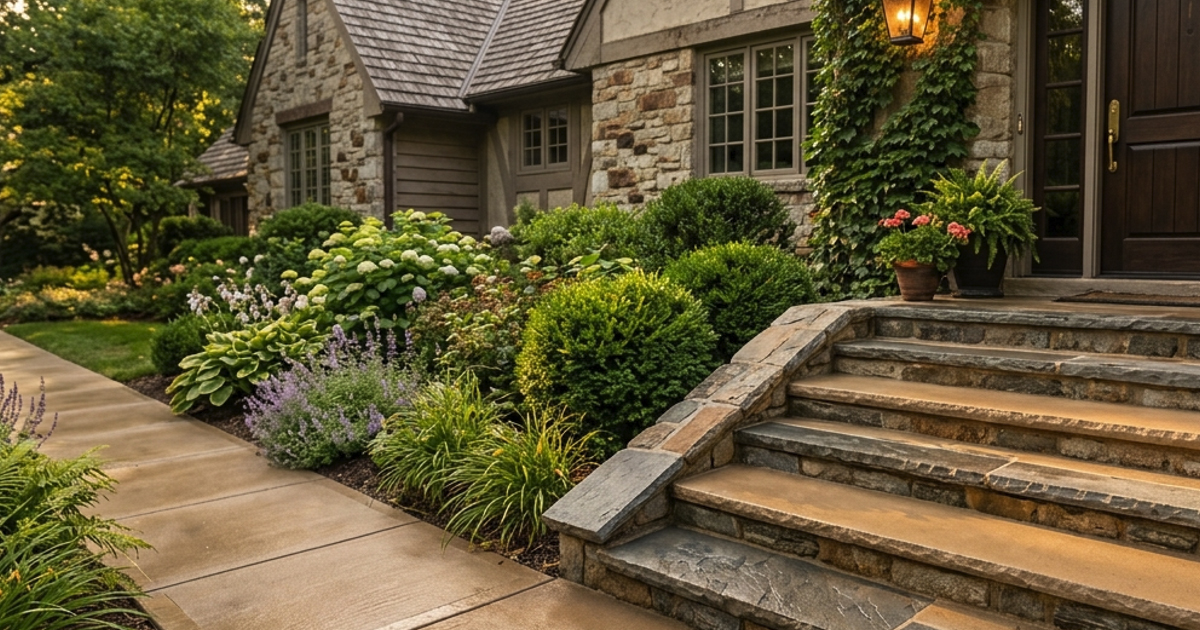
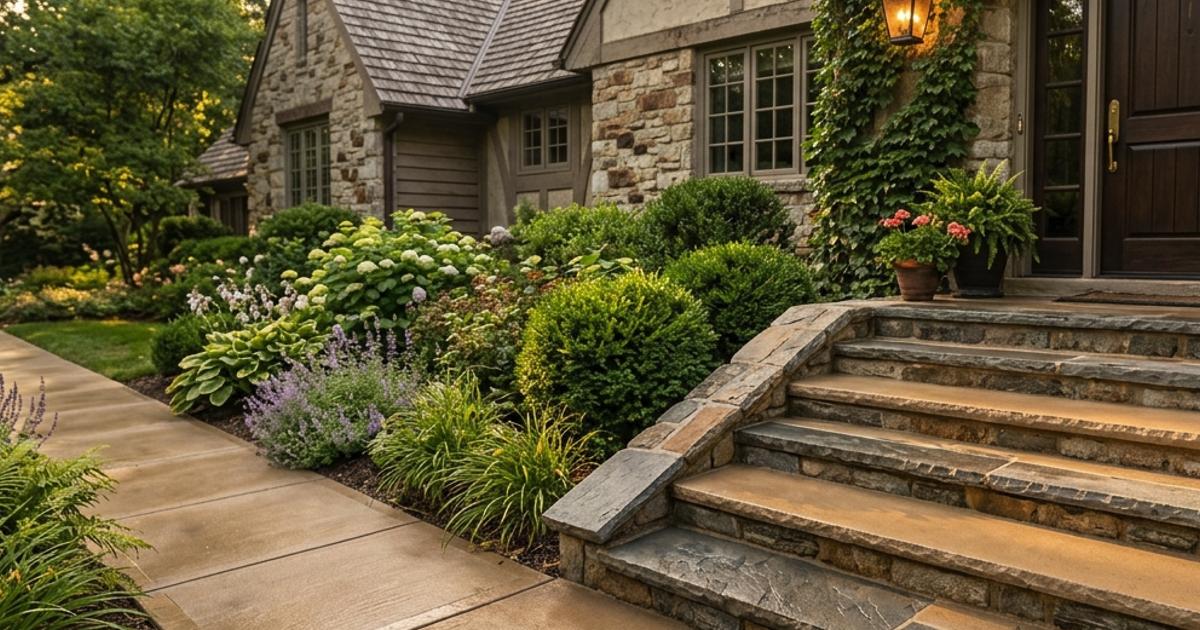
Natural stone and brick paver entryways are often the first impression a property makes. They deserve careful attention. Clean thoroughly using a surface-appropriate cleaner and allow full drying time before sealing. Joint sand in paver installations should be stable and in place before sealing begins, as sealers will lock the sand in position. Choose a penetrating sealer designed specifically for the porosity of the stone or paver material you are working with.
Choosing the Right Coating System for High-Traffic Entry Surfaces
Not every sealer is appropriate for every entryway or walkway application. The right choice depends on the substrate material, the level of traffic exposure, the aesthetic outcome desired, and the environmental conditions specific to the site.
Penetrating Sealers vs. Film-Forming Coatings
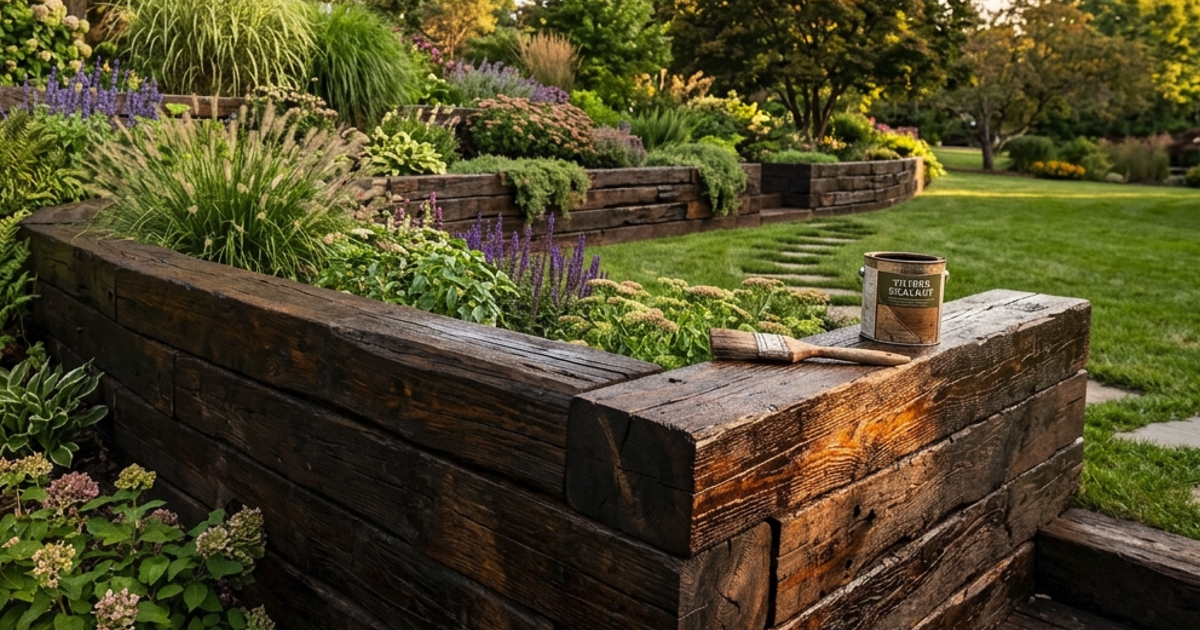
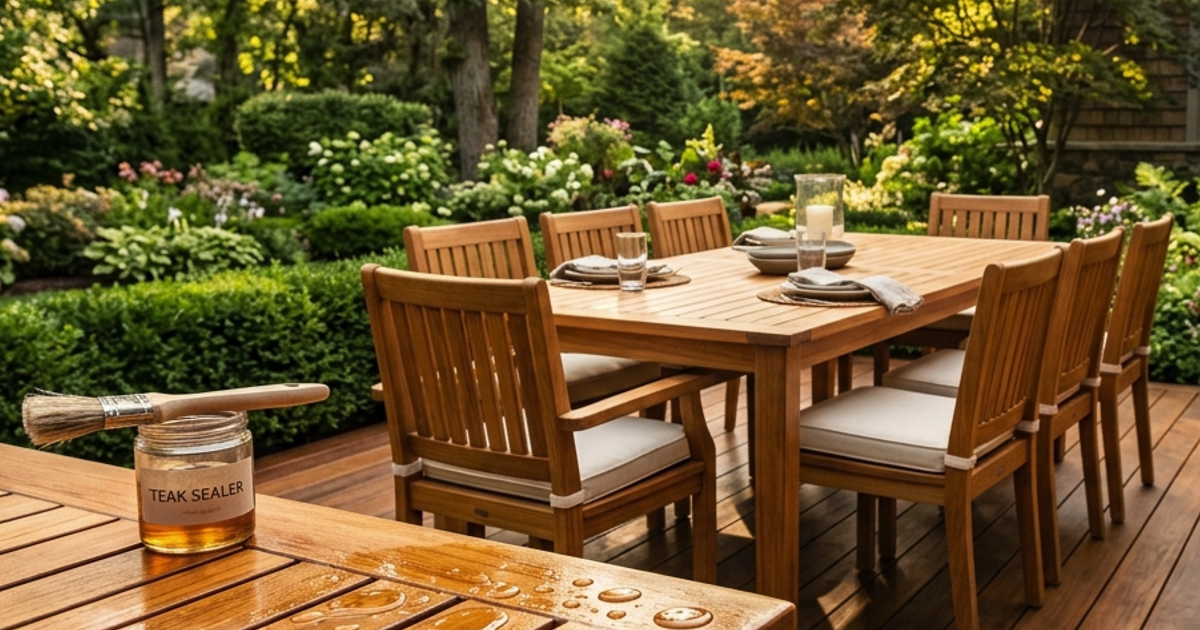
For most wood stair treads and walkways, penetrating sealers are the preferred professional choice. They become part of the wood rather than sitting on top of it, which means they cannot peel, chip, or bubble under the mechanical stress of foot traffic. WOOD Rx from INSECO is a premium penetrating sealer engineered specifically for demanding exterior wood applications and delivers outstanding performance in exactly these kinds of high-wear scenarios.
For concrete walkways and entryways, the decision between a penetrating sealer and a film-forming coating depends on the desired finish and performance priorities. A penetrating concrete sealer provides protection without changing the surface appearance significantly. A film-forming coating like an epoxy or polyurethane system can enhance appearance and add a protective layer but requires more rigorous surface preparation and periodic reapplication.
Key Factors to Evaluate Before Selecting Your Coating
- Surface porosity: More porous surfaces absorb penetrating sealers readily but may require multiple coats for adequate protection.
- Traffic volume: High-traffic commercial entryways may require harder-wearing coating systems with greater abrasion resistance.
- UV exposure: South and west-facing surfaces require coatings with robust UV inhibitors to prevent premature breakdown.
- Moisture exposure: Areas prone to pooling water or runoff need hydrophobic sealers with superior moisture repellency.
- Traction requirements: Particularly on stair treads, the finish sheen level affects slip resistance. Matte or satin finishes generally provide better traction than high-gloss coatings.
- Aesthetic goals: Whether you want to enhance the natural color of the surface, add a wet look, or simply protect without changing appearance will influence your product selection.
- Reapplication feasibility: High-traffic areas need to be resealed more frequently. Factor in the ease and cost of reapplication when selecting a coating system.
Application Timing and Conditions
Apply sealers and coatings only when temperatures are within the manufacturer's recommended range and when no rain is forecast for at least 24 to 48 hours after application. For entryways on active properties, timing the application to allow adequate cure time before foot traffic resumes is critical. Applying a sealer and then allowing heavy foot traffic within hours is a reliable way to ruin the job. Communicate clearly with building occupants or homeowners about access restrictions during the curing period.
Maintenance and Reapplication: Keeping Entry Surfaces Protected Long-Term
Even the best coating system applied perfectly will require maintenance over time. High-traffic entry surfaces typically need inspection and potential reapplication more frequently than lower-traffic areas. A proactive maintenance approach is always less expensive than dealing with a failed surface that requires stripping, repair, and complete recoating.
Inspect sealed surfaces at least twice per year, ideally in spring after winter stress and in fall before winter arrives. Look for areas where the sealer has worn through, particularly at the top of stair treads where the most concentrated foot contact occurs, and at transition points where water tends to pool. Spot treating worn areas before a full failure occurs is both cost-effective and protective.
For wood surfaces treated with WOOD Rx, maintenance reapplication is straightforward because the penetrating formula allows new product to absorb directly into areas where the previous application has worn. There is no peeling layer to strip away, which dramatically simplifies maintenance and reduces overall lifecycle cost.
For concrete and masonry surfaces, clean the sealed surface regularly to prevent dirt, algae, and biological growth from taking hold. A mild cleaner and light scrubbing is usually sufficient for routine maintenance. Avoid harsh chemicals that can degrade the sealer film over time.
Stair treads, walkways, and entryways are working surfaces that define how people experience a property from the very first step. Treating them with the same level of professional care and quality product selection as any other major coating project is not just good practice. It is what separates properties that hold their value and their appearance for decades from those that deteriorate season by season. INSECO's specialty coatings and the technical support behind them exist precisely to help you make the right call on every project, no matter the surface or the challenge.