



Composite decking and pressure-treated lumber have become go-to materials for outdoor construction projects across the country. Homeowners and contractors choose them for their relative affordability, structural integrity, and resistance to insects and rot compared to untreated softwoods. But here is the reality that too many people learn the hard way: even pressure-treated and composite materials are not immune to the damaging effects of UV radiation, moisture intrusion, mold, mildew, and surface degradation. Without proper sealing and protective coatings applied at the right time and in the right way, these materials will fade, crack, check, and deteriorate far ahead of schedule.
At INSECO, we have worked with contractors and homeowners for nearly three decades helping them understand the full picture of surface protection. This guide is designed to give you the professional-grade knowledge you need to protect composite and pressure-treated lumber the right way, the first time.
Understanding the Material Before You Seal It
One of the most common mistakes made in coating applications on these surfaces is treating composite and pressure-treated lumber the same as conventional wood. They are fundamentally different materials with different absorption characteristics, and your approach must reflect that.
Pressure-Treated Lumber
Pressure-treated wood is infused with chemical preservatives under high pressure to protect against fungal decay and insect damage. Modern pressure-treated lumber typically uses copper-based compounds such as ACQ (Alkaline Copper Quaternary) or CA (Copper Azole). While these treatments do provide meaningful protection from biological threats, they do not shield the wood from UV degradation or surface moisture cycling. Over time, unprotected pressure-treated lumber will gray, check, and splinter just like any other exterior wood surface.
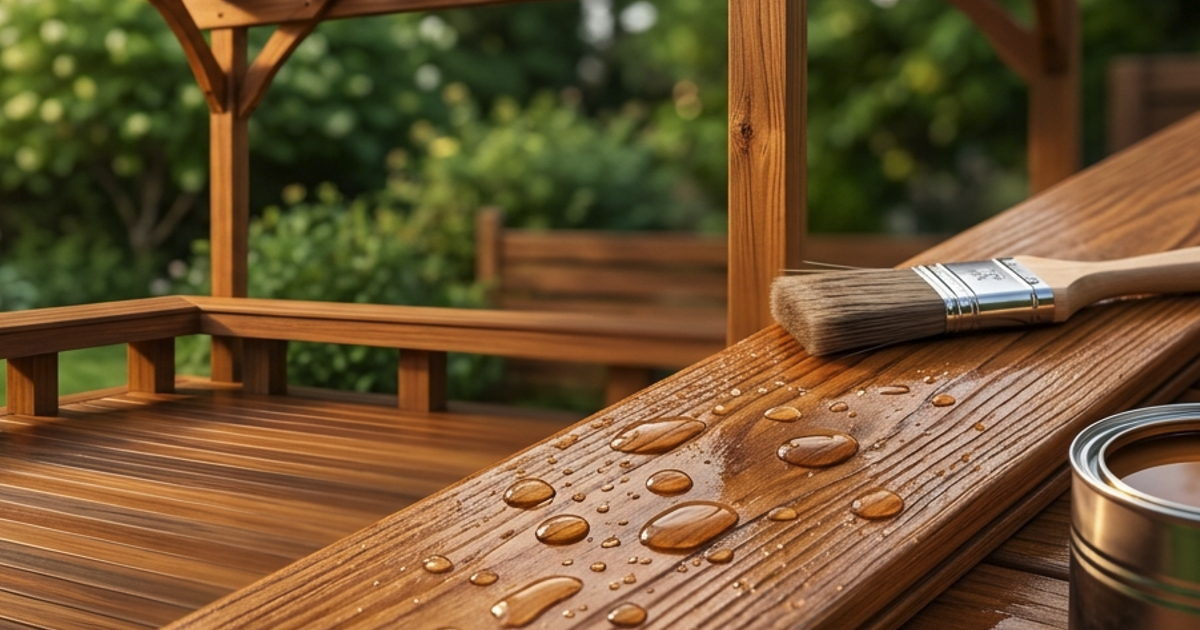
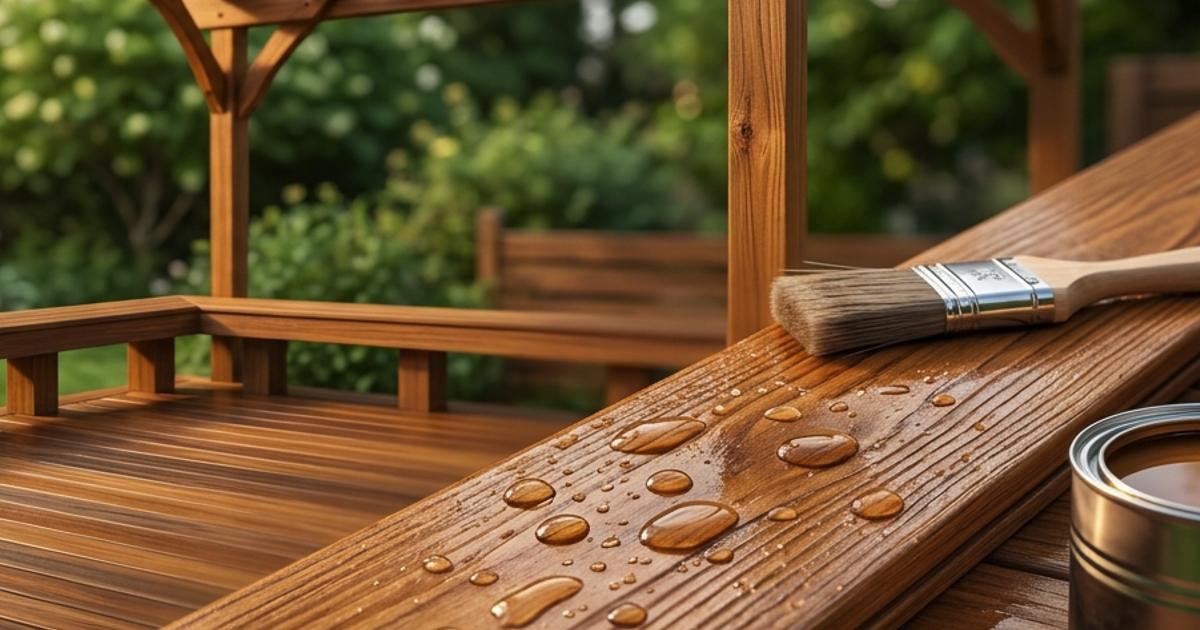
Pro Tip: New pressure-treated lumber should be allowed to dry adequately before sealing. Many pressure-treated boards arrive at the job site with elevated moisture content from the treatment process. Apply the simple water test: sprinkle water on the surface. If it beads up, the wood is still too wet to accept a sealer properly. If the water absorbs within 10 seconds, the surface is ready for coating.
Composite Lumber
Composite decking is manufactured from a blend of wood fibers and recycled plastics, often with a protective cap layer. The sealing strategy for composite is fundamentally different. Most capped composite products are designed to resist moisture and staining at the surface level, but older or uncapped composites and composite fascia boards can still benefit from protective coatings. Always verify the manufacturer specifications before applying any sealer or coating to composite materials, as some products can void warranties if sealers are applied over capped surfaces.
Pro Tip: On uncapped or lightly capped composite surfaces, a penetrating water repellent rather than a film-forming sealer is typically the preferred choice. Penetrating sealers allow vapor to escape while still blocking liquid moisture intrusion, which is critical on composite where trapped moisture can accelerate degradation of the internal wood fiber component.
Pro Tips for Surface Preparation on Pressure-Treated and Composite Surfaces
No coating system performs well over a poorly prepared surface. This is not an opinion, it is chemistry. INSECO's technical team consistently identifies inadequate surface preparation as the leading cause of premature coating failure across all surface types, and pressure-treated and composite lumber are no exception.
Cleaning the Surface Thoroughly
Before any coating is applied, the surface must be free of dirt, mill glaze, existing coatings, biological growth, and chemical residues from the treatment process itself. Mill glaze is a particularly overlooked issue on pressure-treated lumber. It forms during the high-pressure treatment process and creates a dense, almost impermeable surface layer that prevents proper sealer penetration.
- Use a dedicated wood cleaner or brightener to open the wood grain and remove mill glaze, tannin bleed, and surface oxidation before sealing.
- For composite surfaces, use a composite-specific cleaner to remove organic growth, grease, and surface contaminants without damaging the cap layer.
- Rinse thoroughly after cleaning and allow the surface to dry completely. Surface moisture content should be below 15 percent before coating application begins.
- Lightly sand pressure-treated surfaces with 80 to 100 grit sandpaper after cleaning to further open the grain and improve sealer absorption, particularly on dense or treated heartwood sections.
- Inspect for fastener staining. Copper-based treatments react with certain metal fasteners and can cause dark staining that bleeds through coatings. Address these areas with an appropriate stain-blocking primer if needed.
- Check for and repair any checks, splits, or end grain exposure with an appropriate wood filler or end grain sealer prior to full surface coating.
Timing Your Application
Application timing is a frequently underestimated variable. Temperature, humidity, and direct sunlight all affect how well a coating bonds to the surface and how evenly it cures. For pressure-treated lumber specifically, avoid application in direct sunlight during peak heat hours. Elevated surface temperatures cause solvents to flash off too quickly, leading to uneven penetration, lap lines, and surface defects.
Pro Tip: Target application windows in the early morning or late afternoon when surface temperatures are between 50°F and 90°F and relative humidity is below 85 percent. Never apply coatings when rain is expected within 24 to 48 hours of application, particularly on horizontal surfaces like decking where water pooling can wash away freshly applied product before it has fully cured.
Choosing the Right INSECO Coating for the Job
Selecting the appropriate coating system for pressure-treated or composite lumber depends on several factors including the specific material type, the environmental exposure conditions, the desired aesthetic outcome, and the long-term maintenance plan for the structure. INSECO's refined product line is built around precision-engineered formulations that are designed to perform in the real world under real conditions.
Penetrating Sealers vs. Film-Forming Coatings
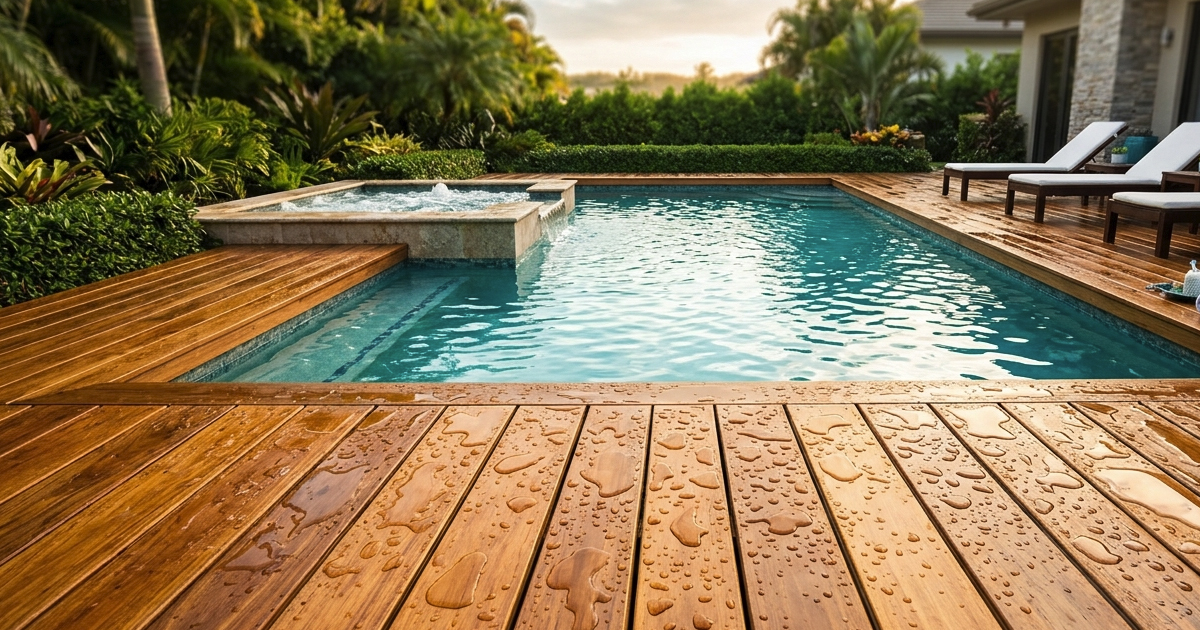
For pressure-treated lumber, penetrating sealers are generally preferred for horizontal surfaces like decking boards because they absorb into the wood fiber rather than forming a surface film that can peel or trap moisture. WOOD Rx, INSECO's flagship wood sealer, is an outstanding choice for pressure-treated decking because of its deep penetrating formula that bonds at the fiber level, providing durable UV protection, water repellency, and mold resistance without the film-build that leads to peeling failures over time.
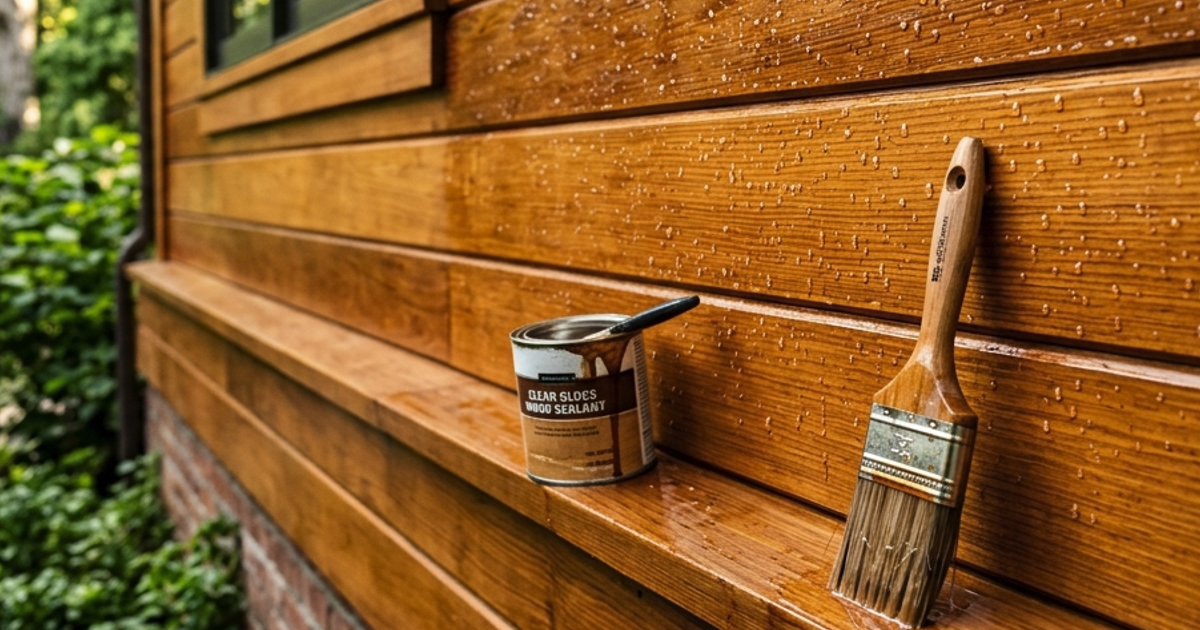
Film-forming coatings may be appropriate for vertical surfaces such as railings, fascia boards, and structural posts where foot traffic and abrasion are not factors and where a richer color and sheen may be desired aesthetically.
UV Protection Matters More Than Most People Realize
Pressure-treated lumber that is not protected from UV radiation will begin showing visible surface graying within 30 to 60 days of exposure. While this is primarily a cosmetic change initially, sustained UV exposure breaks down the lignin in the wood fiber, leading to surface checking, fiber lifting, and long-term structural compromise. INSECO formulations incorporate advanced UV absorbers and stabilizers that act as a sunscreen for the wood, dramatically slowing photodegradation and extending the service life of the structure.
Pro Tip: On structures with southern or western exposure that receive intense afternoon sun, consider applying a second thin coat of UV-protective sealer within the first application season. These orientations receive disproportionately high UV loads and benefit from the additional protection, particularly during the first few years when the wood is still stabilizing its moisture content.
Long-Term Maintenance and Reapplication Schedules
Even the best coating system requires periodic maintenance to continue performing at a high level. The frequency of reapplication depends on the coating type, the exposure conditions, the surface orientation, and the amount of foot traffic or mechanical wear the surface experiences.
For pressure-treated decking sealed with a quality penetrating sealer like WOOD Rx, a maintenance coat every one to three years is typically appropriate for most climates. Harsh coastal environments, high UV zones, or structures with heavy use may require more frequent attention. The water bead test is your best diagnostic tool between scheduled maintenance cycles. When water no longer beads on the surface and begins to absorb immediately, it is time to clean and recoat.
Pro Tip: Do not wait until visible deterioration appears before resealing. By the time graying, checking, or mold growth becomes visible, the wood has already sustained cumulative damage that a maintenance coat alone cannot fully reverse. Proactive resealing before the surface degrades is always more cost-effective and produces better long-term results than reactive repair and restoration.
INSECO's technical team is available to assist contractors and homeowners in developing the right maintenance schedule and product selection plan for their specific project conditions. That level of comprehensive technical support is a hallmark of what INSECO has delivered to the industry since 1996, and it remains one of the most valuable assets you have access to when you work with our product line.