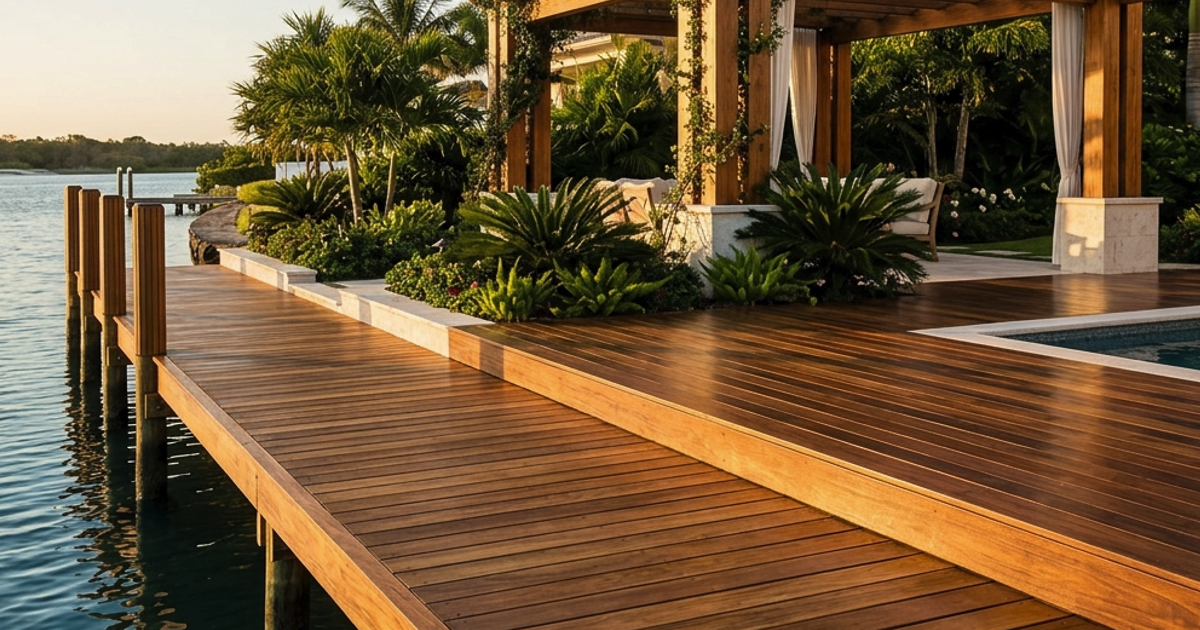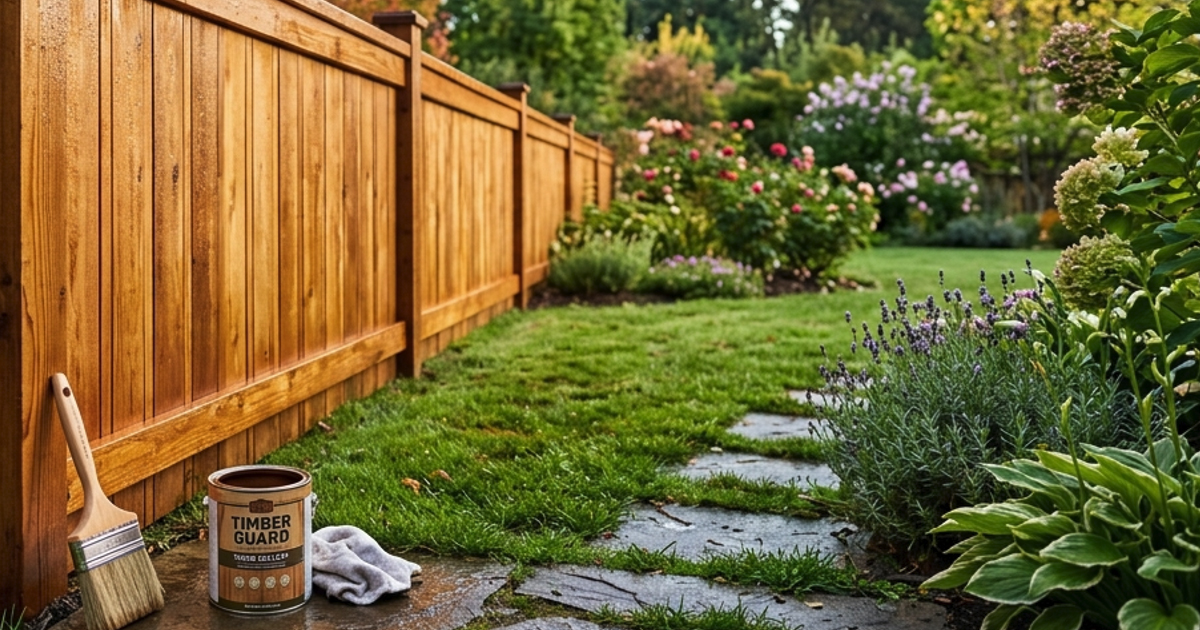



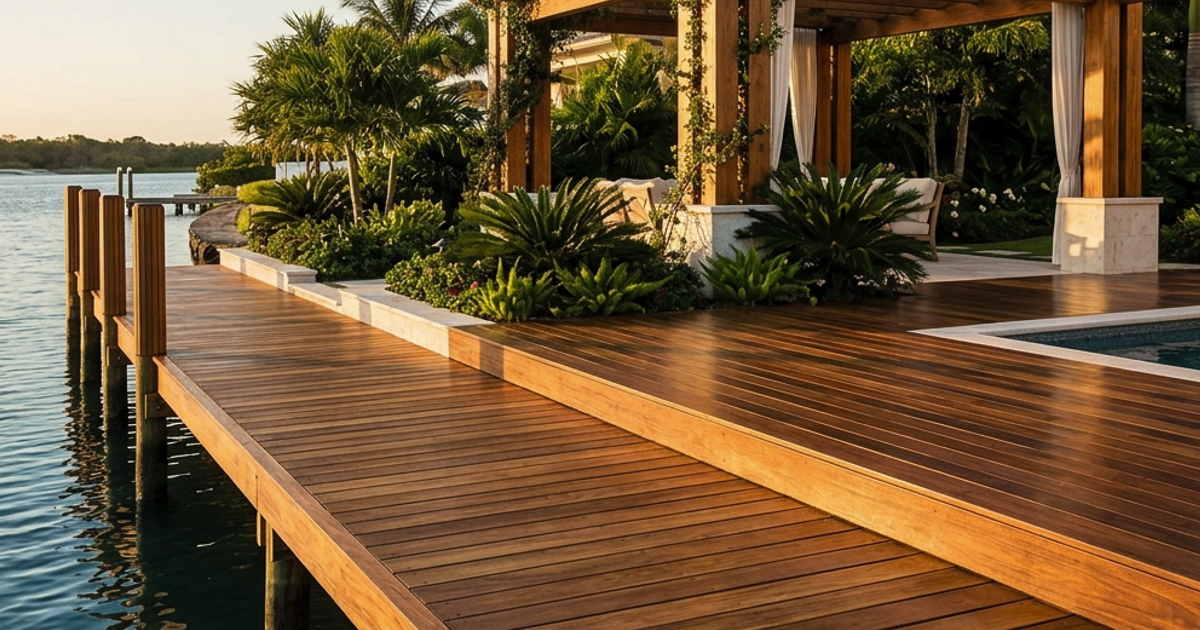

Wood structures built near water are among the most demanding environments any sealer or coating will ever face. Whether you are managing a lakeside dock, a pergola positioned over a pool deck, or a backyard structure exposed to constant splash and humidity, the combination of moisture, UV radiation, biological growth, and thermal cycling creates a relentless assault on unprotected wood. The good news is that with the right product selection, preparation approach, and maintenance strategy, you can dramatically extend the life of these surfaces and keep them looking sharp year after year.
At INSECO, we have spent decades formulating specialty coatings designed to perform where others fail. In this post, we are sharing pro-level insight on how to protect wood in high-moisture, high-exposure environments so you can make smarter decisions whether you are a homeowner tackling a weekend project or a commercial contractor managing large-scale waterfront installations.
Why Water-Adjacent Wood Requires a Different Strategy
Most homeowners approach a dock or poolside pergola the same way they would a standard backyard deck. That thinking leads to premature coating failure, peeling, discoloration, and in many cases, structural wood degradation that could have been entirely avoided. Water-adjacent environments introduce variables that demand a more thoughtful approach from the very start.
The Moisture Cycle Problem
Wood near water does not just get wet once and dry out. It cycles through wetting and drying repeatedly, often multiple times a day in active pool areas or tidal dock environments. Each cycle causes the wood fibers to swell and contract. Over time, this movement stresses any coating that is sitting on top of the surface rather than penetrating into it. Film-forming coatings that work well in stable interior environments can crack, blister, and peel rapidly in these conditions.
Penetrating sealers, like INSECO's WOOD Rx, are specifically engineered to move with the wood rather than against it. By bonding at the fiber level rather than forming a surface film, they accommodate the natural expansion and contraction of the wood without sacrificing protection. For docks, pergolas, and poolside structures, this distinction is not just a preference. It is a requirement.
Chemical Exposure Adds Another Layer of Complexity
Pool areas introduce an additional challenge that most sealing guides overlook entirely: chemical exposure. Chlorine, saltwater systems, and pool treatment chemicals are regularly splashed onto surrounding wood structures. These chemicals can degrade many standard sealers, stripping protective compounds and leaving the wood vulnerable. When selecting a product for poolside wood, you need to confirm that the sealer is compatible with chemically treated water environments. Always consult the manufacturer's technical data sheet and do not assume compatibility without verification.
Pro Tips for Preparation in High-Moisture Environments
The single biggest reason coatings fail prematurely on water-adjacent wood is inadequate preparation. The environment around water creates unique prep challenges, and cutting corners at this stage guarantees problems regardless of how good the product is.
Start With a Thorough Cleaning
Docks and poolside structures accumulate algae, mildew, tannin bleed, and mineral deposits at a much faster rate than standard outdoor wood. Before any sealer touches the surface, these contaminants must be completely removed. A quality wood cleaner designed to neutralize biological growth and open the wood grain is essential. Pressure washing alone is rarely sufficient. The cleaning chemistry matters as much as the mechanical action.
After cleaning, allow the wood to dry thoroughly before proceeding. This is where patience pays off significantly. Applying a sealer to wood that still carries residual moisture from cleaning or recent rain will trap that moisture beneath the coating and create adhesion failures down the road. Use a moisture meter if you have access to one. Ideally, wood moisture content should be below 15 percent before application begins.
Address Any Structural or Surface Damage First
Inspect the wood carefully before sealing. Look for raised grain, checking, splitting, or soft spots that indicate early decay. Sealing over damaged wood does not rehabilitate it. Replace boards that have begun to deteriorate, fill cracks with appropriate wood fillers compatible with your chosen sealer, and sand any rough areas smooth. Applying a premium coating over compromised wood is a waste of both time and product.
Key Preparation Steps for Water-Adjacent Wood
- Clean with a dedicated wood cleaner to remove mildew, algae, and surface contaminants
- Rinse thoroughly and allow full drying time before proceeding
- Measure moisture content with a moisture meter before application
- Inspect for structural damage, soft spots, and advanced checking
- Sand rough areas and feather any edges around repaired sections
- Remove any previous coating that is peeling, flaking, or incompatible with your new product
- Apply a wood brightener if needed to open the grain and restore natural pH balance
Application Strategy for Maximum Protection
Even with the right product and a properly prepared surface, how you apply a sealer matters enormously in water-adjacent environments. These are not situations where a single quick coat will carry the day. A deliberate, layered approach will deliver the durability these demanding environments require.
Work in Optimal Conditions
One of the most common mistakes made on dock and pergola projects is rushing the application because of scheduling pressures. Applying a sealer when air temperatures are too high or when direct sun is heating the wood surface can cause the product to flash off too quickly, preventing proper penetration. Conversely, applying when temperatures are too low slows curing and risks dew or condensation forming on the surface before the product has set.
For most penetrating wood sealers, the ideal application window falls between 50 and 90 degrees Fahrenheit with moderate humidity and no rain in the forecast for at least 24 to 48 hours. On dock structures specifically, be aware of water surface reflective heat, which can push surface temperatures significantly higher than the ambient air reading. Touch the wood before you start. If it is too hot to hold your hand on comfortably, it is too hot to coat.
Apply Generously and Work in Manageable Sections
Penetrating sealers need to be worked into the wood, not just wiped across the surface. Apply a generous first coat and allow it to penetrate for the time specified on the product's technical data sheet. For thirsty, weathered wood, a second application while the first is still wet can dramatically improve absorption and long-term performance. Work in manageable sections to avoid wet edges drying before you can blend them properly, and always work with the grain of the wood rather than across it.
On horizontal surfaces like dock decking, pay particular attention to board edges and end grain. These are the areas where moisture enters most aggressively and where the most rapid deterioration occurs. Apply additional product to end grain sections and ensure full saturation. Do not let the sealer pool in low areas. Wipe up any excess that the wood cannot absorb within the recommended open time to prevent a sticky residue from forming on the surface.
Plan for Regular Maintenance Cycles
Water-adjacent wood will require more frequent maintenance than a standard inland deck or fence. Depending on sun exposure, water activity, and chemical environment, resealing may be necessary every one to two years rather than every two to three. Establish a regular inspection habit each spring. Look for fading, water absorption when you splash a small amount of water on the surface, or any areas where the wood appears to be taking on moisture rather than beading it. When water stops beading, it is time to reseal.
The good news is that maintenance coats on properly sealed wood are far simpler than initial applications. If the existing sealer has performed well and the surface is clean and intact, a maintenance coat often requires only cleaning and a single application to restore full protection. Staying on top of the maintenance schedule prevents the need for the much more labor-intensive process of stripping and starting over.
Choosing the Right INSECO Product for Your Project
Not every wood sealer on the market is formulated to handle the specific demands of water-adjacent environments. When evaluating products, look for formulations that explicitly address moisture resistance, UV stability, mildew resistance, and compatibility with treated wood if you are working with pressure-treated lumber, which is common in dock construction.
INSECO's WOOD Rx was developed with exactly these performance requirements in mind. Its penetrating chemistry creates a deep bond with wood fibers, delivering moisture resistance that works from within the substrate rather than relying on a surface film that can crack or peel. The formula is also engineered for UV stability, helping wood retain its natural appearance rather than fading to gray over a single season. For professionals managing commercial waterfront properties or homeowners investing in a quality dock or outdoor structure, WOOD Rx represents the kind of refined, field-tested performance that justifies every dollar spent on proper protection.
If you have questions about the right product for your specific application or need technical guidance on preparation and application for a challenging environment, INSECO's team is available to provide project-specific support. Getting the details right before you start is always faster and less expensive than correcting failures after the fact.