


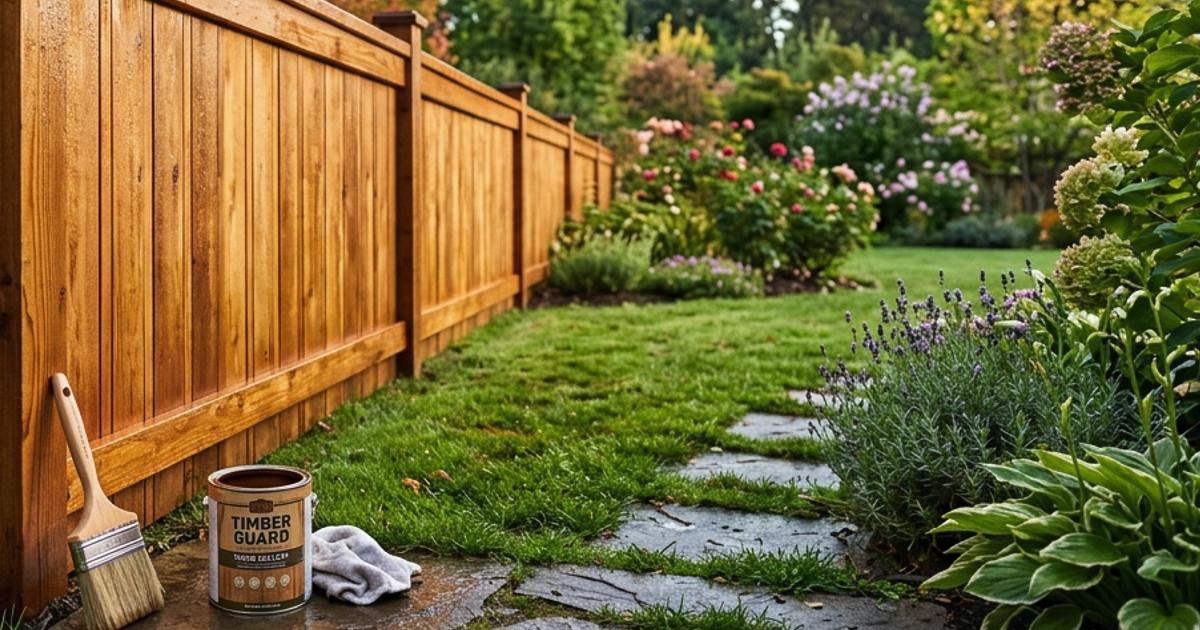

A wood fence is one of the most visible and vulnerable surfaces on any residential or commercial property. Exposed to sun, rain, freezing temperatures, humidity, and biological growth year-round, an unprotected wood fence can deteriorate rapidly — often within just a few seasons. Yet with the right sealing strategy and a consistent maintenance routine, a quality wood fence can maintain its structural integrity and visual appeal for decades.
At INSECO, we have spent nearly three decades helping homeowners and professional contractors get the most out of their wood surfaces. What we have learned is that fence protection is not a one-time event — it is an ongoing process that demands attention at each change of season. This guide delivers the pro-level knowledge you need to protect your investment from the ground up.
Why Wood Fences Are Uniquely Vulnerable to Environmental Damage
Unlike a deck, which sits horizontally and drains water relatively efficiently, a wood fence presents vertical surfaces that catch wind-driven rain, direct sunlight at multiple angles throughout the day, and moisture that pools at post bases and rail connections. These structural realities make fences particularly susceptible to a combination of threats that work together to accelerate deterioration.
The Four Primary Enemies of Wood Fence Longevity
- UV Radiation: Ultraviolet rays from the sun break down lignin — the natural binder that holds wood fibers together — causing surface graying, cracking, and checking. This damage begins within weeks of initial exposure on unprotected wood.
- Moisture Cycling: Wood absorbs and releases moisture constantly with changing weather. This repeated swelling and shrinking stresses the wood fibers and leads to warping, splitting, and eventual structural failure, particularly at joints and post bases.
- Biological Growth: Mold, mildew, algae, and wood-degrading fungi thrive in moist, shaded fence environments. Left unchecked, these organisms penetrate deep into the wood grain, staining the surface and accelerating rot.
- Freeze-Thaw Cycling: In colder climates, water that has penetrated unprotected wood expands as it freezes, physically forcing wood fibers apart. Over multiple seasons, this process causes significant structural damage that no sealer can reverse once it has occurred.
Understanding these threats is the first step toward building a protection strategy that actually works. A quality penetrating wood sealer like INSECO's WOOD Rx addresses all four of these damage mechanisms simultaneously, creating a hydrophobic barrier that repels moisture, incorporates UV stabilizers, and contains mildewcide components that inhibit biological growth.
Pro Tips for Spring and Summer Fence Maintenance
Spring is the ideal time to evaluate your fence after the stresses of winter and prepare it for the demanding UV and moisture exposure of summer. Many property owners wait until visible damage appears before taking action — a costly mistake that professional contractors never make.
Spring Inspection: Know What You Are Looking At
Before any cleaning or sealing begins, conduct a thorough visual and tactile inspection of the entire fence. Run your hand along boards and rails checking for soft spots, which indicate subsurface rot. Look for surface checking — small longitudinal cracks in the wood grain — which signal UV degradation and moisture cycling damage. Probe post bases at ground level with a screwdriver; if it penetrates easily, the post is rotting from the inside out and may need replacement before resealing is meaningful.
Check all fastener locations for rust staining or raised nail heads, both of which indicate moisture infiltration. Examine the existing sealer by sprinkling water on the surface — if it beads up, the sealer is still performing. If the water soaks in immediately, the surface is unprotected and needs immediate attention.
Cleaning Before Sealing: The Step That Determines Everything
Professional applicators understand that the cleaning process is as important as the sealer itself. A fence that is sealed over dirt, mildew, or failed coating residue will experience adhesion failure within a single season regardless of product quality. Use a dedicated wood cleaner and brightener solution before any pressure washing to break down biological growth and oxidation. When pressure washing, maintain appropriate distance and use a fan tip to avoid raising the wood grain excessively. Allow the fence to dry completely — a minimum of 48 to 72 hours under favorable conditions — before sealing. Moisture content in the wood should ideally be below 15 percent for optimal sealer penetration.
Summer Application Conditions to Watch
Summer brings the temptation to apply sealers quickly to take advantage of warm, dry weather. However, extreme heat creates its own application challenges. Avoid applying sealers to surfaces that have been in direct sunlight and are hot to the touch — elevated surface temperatures cause solvents to flash off too rapidly, preventing proper penetration. Apply during early morning or late afternoon hours when surface temperatures are cooler. Maintain awareness of humidity levels, particularly in coastal or southern climates where afternoon humidity spikes can interfere with dry times and film formation.
Pro Tips for Fall and Winter Fence Preparation
Fall is the second critical maintenance window for wood fence protection. The goal in autumn is to ensure the fence enters winter in the best possible condition to resist freeze-thaw cycling, moisture accumulation, and biological growth during the cold, wet months ahead.
Fall Resealing: Timing Is Everything
Many property owners delay fall maintenance until temperatures have already dropped significantly, missing the optimal application window. Most penetrating wood sealers require surface temperatures above 50 degrees Fahrenheit during application and for a minimum of 24 hours afterward to cure properly. Plan your fall application to occur in early to mid-autumn before nighttime temperatures begin consistently dropping below this threshold. A sealer applied too late in the season may not cure properly, leaving the wood vulnerable through the entire winter.
Post Base and Ground Contact Protection
The base of each fence post represents the most vulnerable point in the entire structure. Wood in contact with or near soil is exposed to constant moisture, soil-borne fungi, and insect activity. While penetrating sealers address surface moisture, professional contractors also address post bases with additional protective measures including gravel drainage beds around post bases to reduce standing water, ensuring that soil or mulch is not piled against posts, and applying a heavy concentration of sealer to the first 12 inches of post above grade where moisture wicking is most aggressive.
Winter Monitoring and Minimal Maintenance
While active sealer application is generally not appropriate during winter in most climates, responsible property management includes monitoring during the cold months. After major storms, inspect the fence for downed sections, broken boards, and displaced posts. Address any structural damage promptly to prevent water infiltration through exposed end grain and fastener holes. Keep climbing vegetation trimmed away from fence surfaces — plants hold moisture against the wood and accelerate mold and mildew growth dramatically.
Building a Long-Term Fence Protection Schedule
Professional contractors do not rely on visual inspection alone to determine when a fence needs resealing. They work from established maintenance schedules based on product specifications, local climate conditions, and historical performance data from previous applications. For most residential fence applications using a quality penetrating sealer, a reapplication cycle of one to three years is appropriate depending on sun exposure, climate severity, and the species of wood involved.
High-Exposure vs Low-Exposure Fence Sections
Not every section of a fence ages at the same rate. South and west-facing fence panels receive significantly more UV exposure than north or east-facing sections and will typically require more frequent maintenance attention. Sections under tree canopy may require less UV protection but more frequent mildewcide attention due to shade and leaf moisture accumulation. A professional approach involves documenting exposure conditions for different fence sections and adjusting maintenance frequency accordingly rather than treating the entire fence as a uniform surface.
Recordkeeping as a Professional Practice
Whether you are a homeowner maintaining a single property or a contractor managing dozens of client sites, maintaining records of application dates, products used, surface conditions at time of application, and ambient conditions is an invaluable practice. This documentation allows you to identify performance patterns, troubleshoot failures accurately, and make informed decisions about future product selection and maintenance scheduling. INSECO's technical support team frequently assists contractors in interpreting performance data and refining their maintenance programs for maximum coating longevity.
The difference between a fence that looks weathered and gray within three years and one that maintains its natural beauty for fifteen years is not the quality of the wood — it is the consistency and quality of the protection applied to it. With the right products, the right timing, and a season-by-season maintenance approach rooted in professional knowledge, your wood fence can be one of the most durable and attractive features of your property for decades to come.