




Even when contractors follow proper preparation procedures, surface contamination can still become one of the most frustrating issues in a coating project. Many coating failures are not caused by the product itself but by invisible substances that interfere with adhesion and curing.
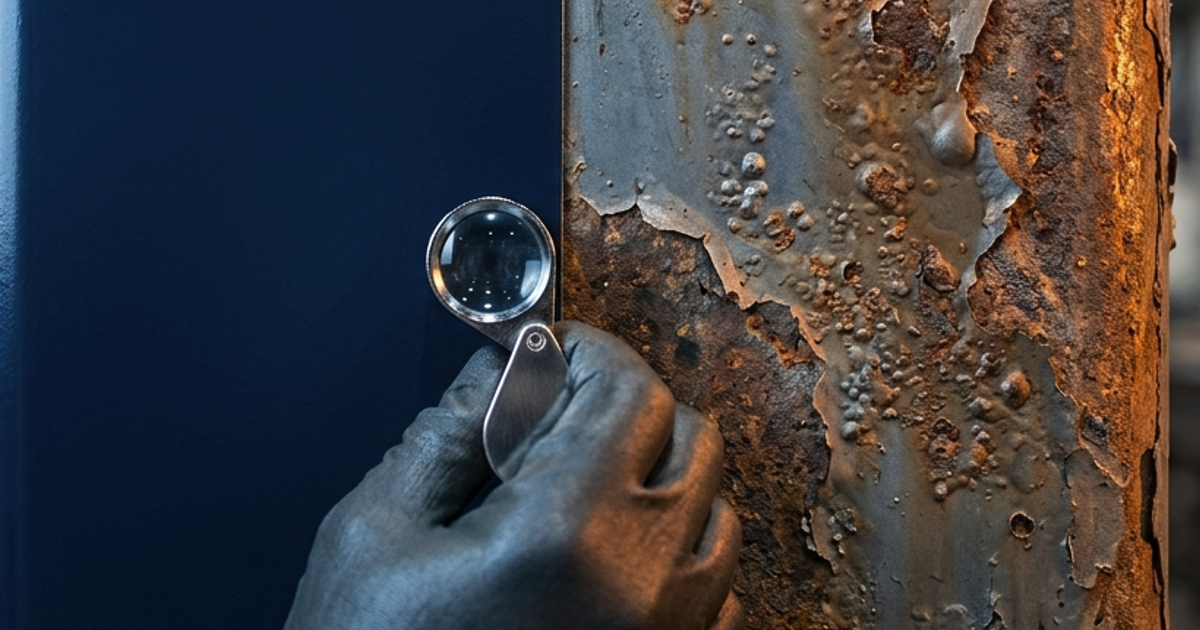
Contaminants such as oils, dust, silicone residues, cleaning chemicals, or even airborne particles can prevent coatings from bonding properly to the substrate. These contaminants may not always be visible during surface inspection, yet they can lead to defects such as fisheyes, poor adhesion, uneven curing, or surface separation.
When working with high-performance coating systems, even a small amount of contamination can disrupt the chemistry of the coating film and lead to long-term performance issues.
Identifying Common Sources of Contamination
Contamination can originate from many sources, both on the jobsite and during surface preparation. For example, surfaces that were recently cleaned with certain detergents or degreasers may retain residues that interfere with coating adhesion.
Similarly, surfaces exposed to construction environments may accumulate fine dust, drywall particles, or airborne oils from nearby equipment. These particles can settle onto the surface between preparation and application, especially when projects involve multiple trades working in the same space.
Another common issue involves silicone-based products. Silicone residues from caulks, polishes, or cleaning agents can create small circular defects known as fisheyes in coating systems. These areas repel the coating material, leaving visible imperfections in the finished surface.
Recognizing these potential contamination sources is the first step toward preventing application problems.
Proper Cleaning Techniques Before Application
Before applying any coating system, it is essential to ensure the surface is completely free of contaminants. This process goes beyond simple visual inspection.
Surfaces should be thoroughly cleaned using appropriate methods for the specific substrate. In many cases, this includes pressure washing, solvent wiping, or mechanical cleaning to remove oils, grease, and embedded particles.
It is also important to allow surfaces to dry completely before applying coatings. Moisture trapped within porous materials can carry contaminants upward into the coating film as it cures.
Using clean tools, fresh rags, and uncontaminated water during the cleaning process is equally important. Reusing dirty cloths or contaminated cleaning solutions can easily reintroduce the very materials contractors are trying to remove.
Preventing Recontamination During the Application Process
Even after a surface has been cleaned, contamination can occur if the environment is not controlled. Dust from sanding operations, nearby construction work, or even wind exposure can deposit particles onto the prepared surface.
To prevent this, professionals often schedule coating applications during periods of minimal jobsite activity. Limiting foot traffic and isolating the work area can dramatically reduce the risk of airborne contamination settling on the substrate.
In addition, applying coatings within a reasonable time window after preparation helps ensure the surface remains clean and ready for proper adhesion.
Why Prevention Protects Long-Term Performance
Contamination-related coating failures can be difficult to diagnose after the fact. Once defects appear in the cured film, the only reliable solution may involve removing the coating and starting the process again.
By carefully managing cleaning procedures, controlling the work environment, and using disciplined application practices, contractors can significantly reduce the risk of contamination issues.
INSECO specialty coatings are engineered to deliver exceptional durability and performance, but like all high-quality coating systems, they rely on proper surface conditions to achieve optimal results. Taking the time to eliminate contaminants before application helps ensure the coating performs exactly as designed.
For professionals focused on long-term results, preventing contamination is not just a preparation step. It is a critical part of delivering reliable, high-performance coating systems that stand the test of time.