



Moisture vapor transmission is one of the most overlooked causes of coating failure in industrial environments. Unlike surface contamination or visible damage, moisture vapor moves invisibly through concrete and other substrates, often revealing itself only after a coating system has already started to fail.
At INSECO INC., understanding how to detect moisture-related risks before application is a critical part of ensuring long-term coating performance and preventing premature breakdowns.
Why Moisture Vapor Creates Coating Failure
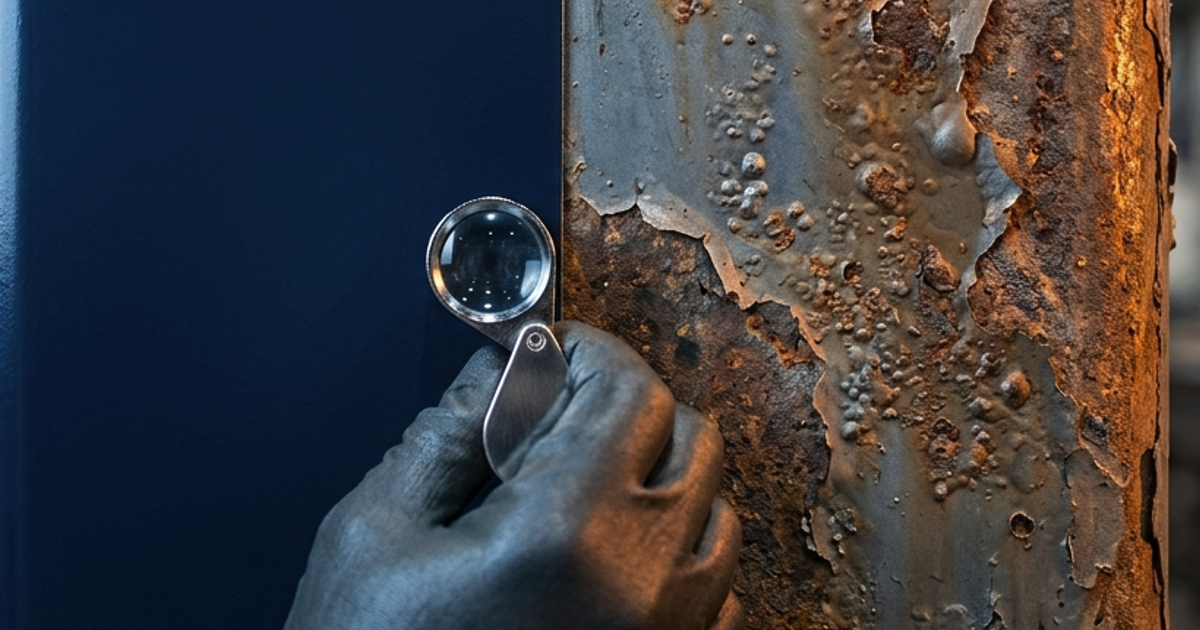
Even when a surface looks completely dry, moisture can still be actively moving upward through the substrate. When a coating is applied over these conditions, vapor pressure becomes trapped beneath the film.
This can lead to:
- Blistering or bubbling in the coating
- Loss of adhesion over time
- Discoloration or whitening
- Softening or tacky surfaces
- Premature delamination
- Inconsistent cure behavior
The key issue is not visible water—it’s ongoing vapor movement beneath the surface.
Early Warning Signs of Moisture Vapor Issues
While moisture vapor itself is invisible, there are several indicators that suggest a substrate may not be ready for coating application.
Visual Indicators
- Darkened or uneven concrete coloration
- Efflorescence (white, chalky deposits)
- Random surface discoloration patterns
- Damp-looking patches that reappear after drying
Environmental Indicators
- Recent heavy rainfall or wash-downs
- Poor site drainage around the slab
- High humidity environments with limited airflow
- Below-grade concrete without vapor barriers
Surface Behavior Indicators
- Surface feels cool or damp even when dry to the touch
- Condensation forming in certain areas
- Inconsistent absorption when wet testing is performed
Simple Field Checks Before Application
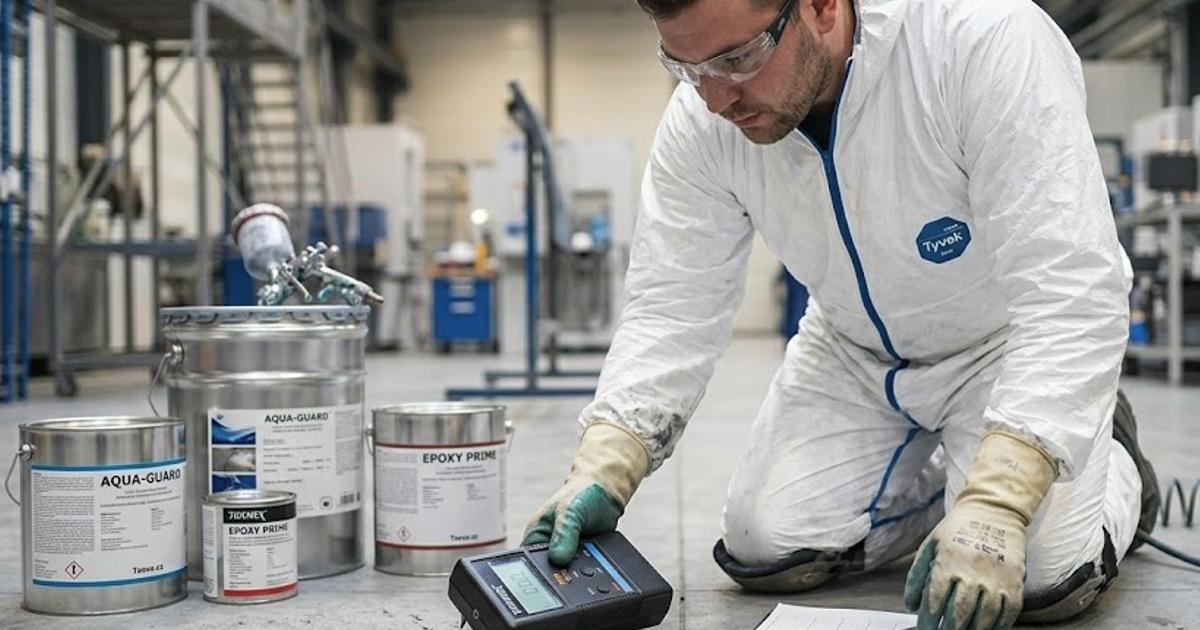
While professional moisture testing equipment provides the most accurate data, field-level checks can help identify obvious risk conditions before moving forward.
Plastic Sheet Test (Basic Vapor Check)
- Tape a clear plastic sheet tightly to the surface
- Leave it in place for 12–24 hours
- Check for condensation underneath or darkened concrete
Surface Temperature Comparison
- Compare slab temperature to ambient air temperature
- Significant temperature differences may indicate moisture movement
Absorption Test
- Place a small amount of water on the surface
- Observe how quickly and evenly it absorbs
If absorption is inconsistent or unusually slow, moisture conditions may not be stable.
Why Timing Matters More Than Product Selection
Many coating failures are incorrectly blamed on product performance when the real issue is substrate readiness. Even the most advanced coating systems can fail if applied over active moisture vapor conditions.
Proper timing ensures:
- Stronger long-term adhesion
- Consistent cure performance
- Reduced risk of blistering
- Improved surface durability
- More predictable project outcomes
In many cases, delaying application is the most cost-effective decision.
Best Practices to Reduce Moisture-Related Failures
To minimize risk during industrial coating applications, a controlled approach to substrate evaluation should always be used.
Recommended practices include:
- Allowing sufficient dry-out time after cleaning or rain exposure
- Conducting moisture testing on all concrete slabs
- Verifying drainage and environmental conditions
- Avoiding coating application on below-grade surfaces without testing
- Using primers or vapor mitigation systems when required
- Documenting environmental conditions before application
Knowing When Not to Apply the Coating
One of the most important decisions in any coating project is knowing when to stop. Proceeding under uncertain moisture conditions can lead to costly rework and system failure.
Red flags include:
- Repeated condensation on slab surfaces
- High humidity with no environmental control
- Recent slab installation without cure verification
- Unstable or fluctuating surface conditions
When in doubt, further testing or delay is always the safer option.
Moisture vapor issues are often silent but extremely destructive when ignored. A disciplined approach to substrate evaluation helps ensure that coating systems perform as intended from the start.
At INSECO INC., proper surface assessment is considered a foundational step in achieving long-lasting, high-performance industrial coating results.