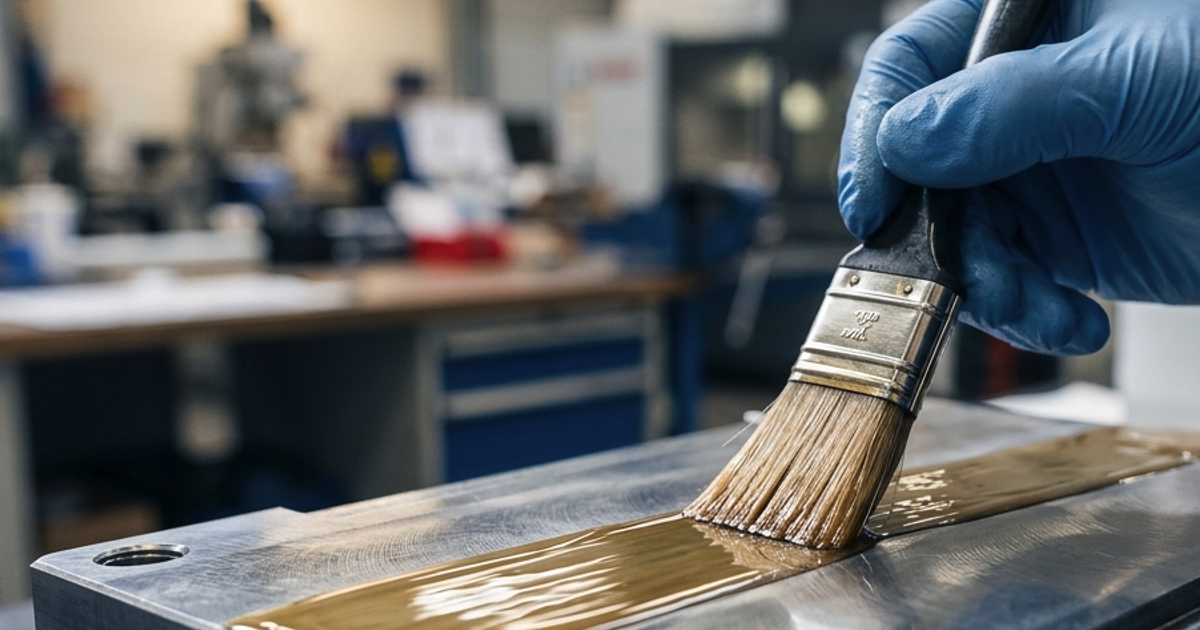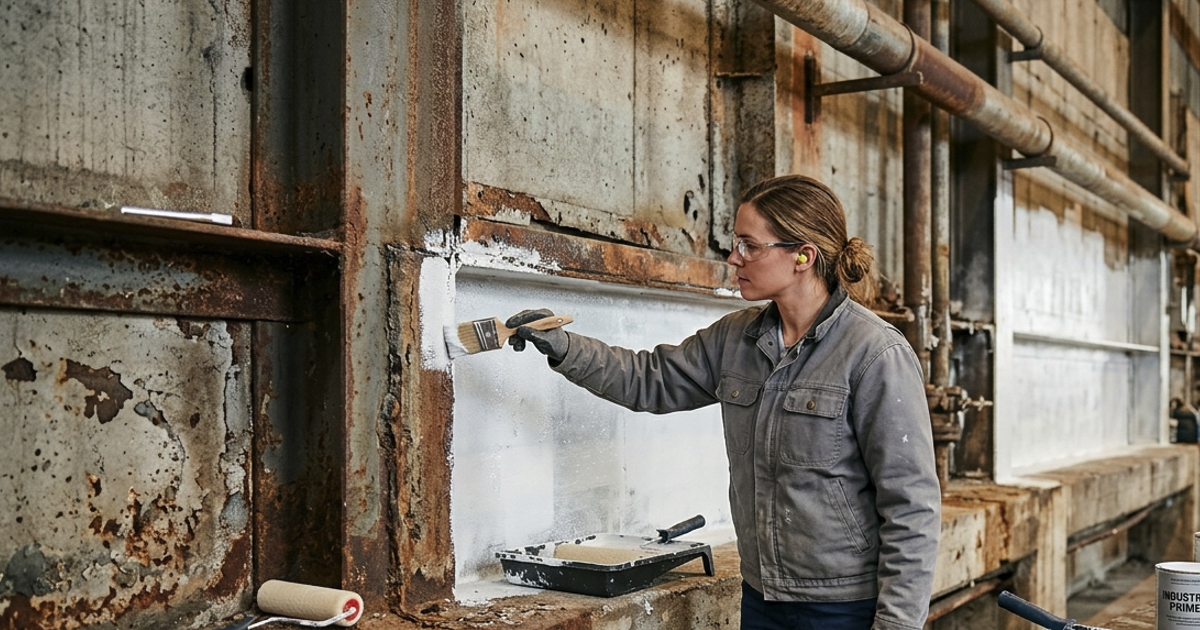



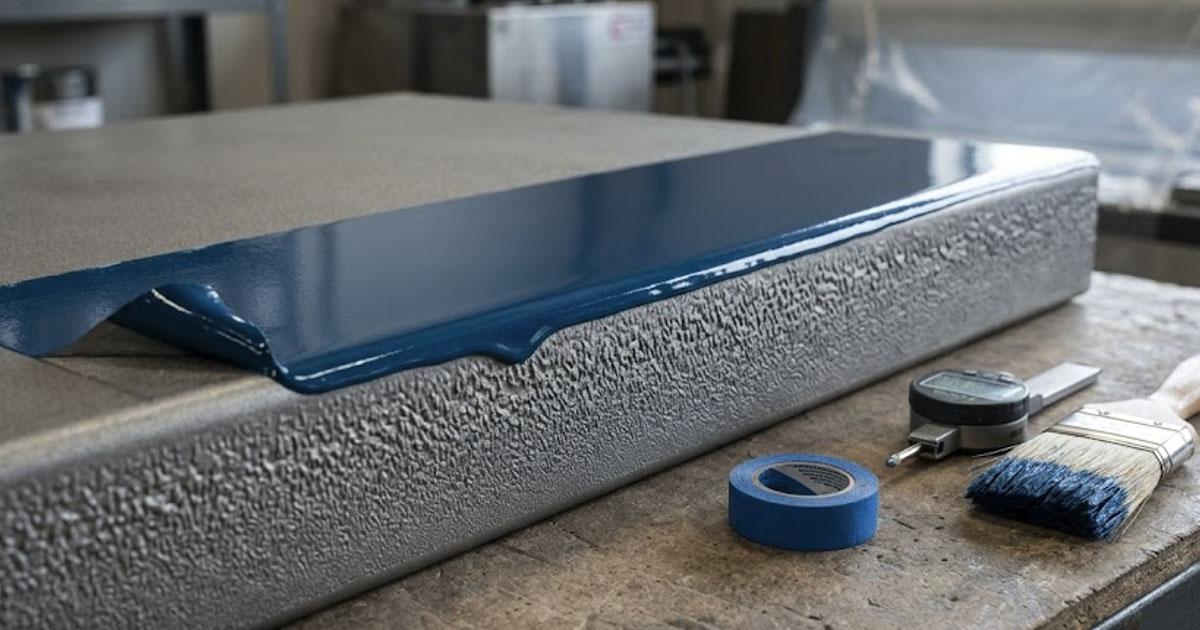

Surface preparation is one of the most critical steps in any coating system, but one of the most overlooked issues in real-world application is improper surface profiling. Even when a surface appears clean, incorrect or inconsistent profile depth can significantly reduce adhesion and long-term performance of INSECO Specialty Coatings. These errors often don’t show immediate failure signs, but they weaken the entire system from the foundation up.
Why Surface Profiling Matters More Than Most Applicators Realize
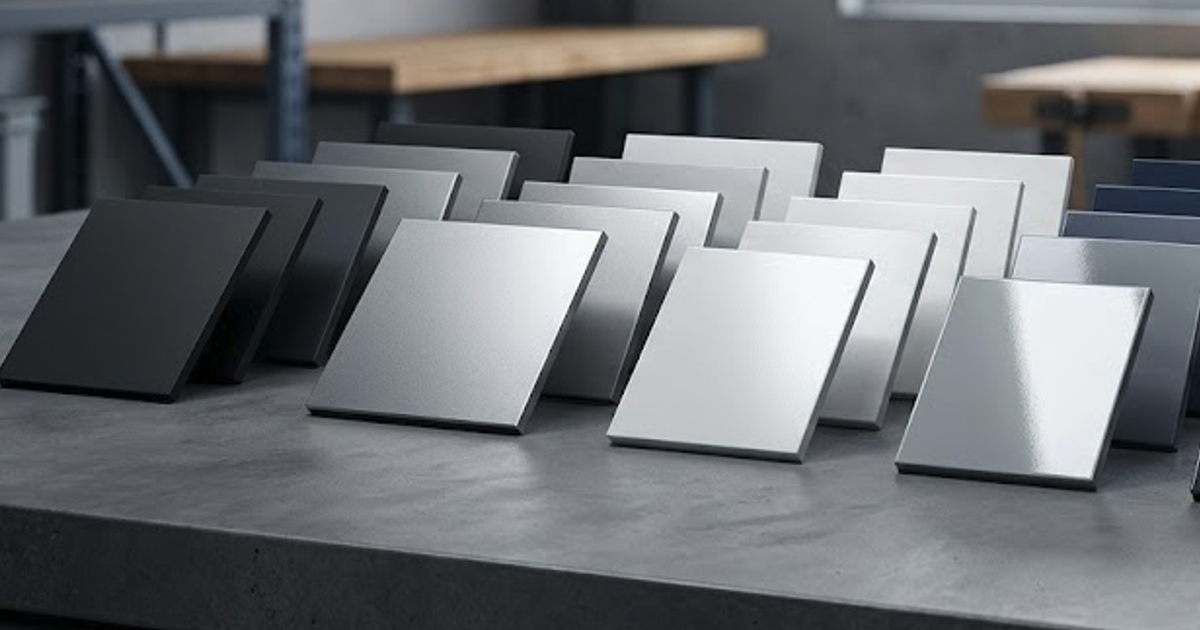
Surface profile refers to the microscopic texture left on a substrate after preparation methods such as blasting, grinding, or etching. This texture is what allows coatings to mechanically bond to the surface.
When profiling is incorrect, problems begin immediately beneath the coating layer, even if the finish looks acceptable on the surface.
Common issues caused by poor profiling include:
- Reduced mechanical adhesion strength
- Early delamination under stress or moisture exposure
- Inconsistent coating absorption
- Premature wear in high-traffic or high-exposure areas
The Most Common Surface Profiling Mistakes
Many coating failures are not caused by the product itself, but by variability in surface preparation across the job site.
Over-Profiled Surfaces
When the surface is too rough, coating material may not fully bridge peaks and valleys. This leads to thin spots and weak coverage at high points.
Under-Profiled Surfaces
If the surface is too smooth, coatings cannot properly anchor. This results in poor mechanical bonding and early peeling.
Inconsistent Profile Across the Same Surface
This is one of the most dangerous issues because it creates uneven adhesion performance across a single application area.
Contamination During or After Profiling
Dust, oils, or debris settling after profiling can completely negate the effectiveness of surface preparation.
Pro Tips for Achieving Proper Surface Profile with INSECO Systems
Consistency is the key factor that determines long-term coating success. A controlled approach to profiling ensures predictable performance.
Match Profile Depth to the Coating System
- Always align surface profile with product specifications
- Avoid assuming one preparation method works for all substrates
- Adjust profile depth based on coating thickness and exposure conditions
Verify Surface Consistency Before Application
- Inspect multiple areas, not just a single test spot
- Use consistent measurement tools across the entire project
- Rework areas that show uneven texture or preparation
Control Environmental Contamination
- Keep surfaces protected after profiling
- Avoid allowing dust or moisture to settle before coating
- Apply coatings as soon as possible after preparation is complete
Maintain Equipment Calibration and Technique
- Ensure blasting or grinding equipment is operating uniformly
- Train applicators to maintain consistent pressure and distance
- Avoid “spot correction” that creates uneven transitions
How Profiling Errors Affect INSECO Specialty Coatings Performance
INSECO Specialty Coatings are engineered for high-performance adhesion and durability, but even the best coating system cannot compensate for poor substrate preparation. Surface profiling errors directly impact:
- Long-term bond strength
- Resistance to environmental exposure
- Uniform appearance and finish quality
- Overall service life of the coating system
The INSECO Standard for Surface Preparation Control
At INSECO INC., surface profiling is treated as a precision step, not a general guideline. Every coating system depends on controlled preparation to ensure predictable results in real-world conditions.
When surface profiling is done correctly, coatings perform as designed—delivering durability, protection, and consistent performance across every application.