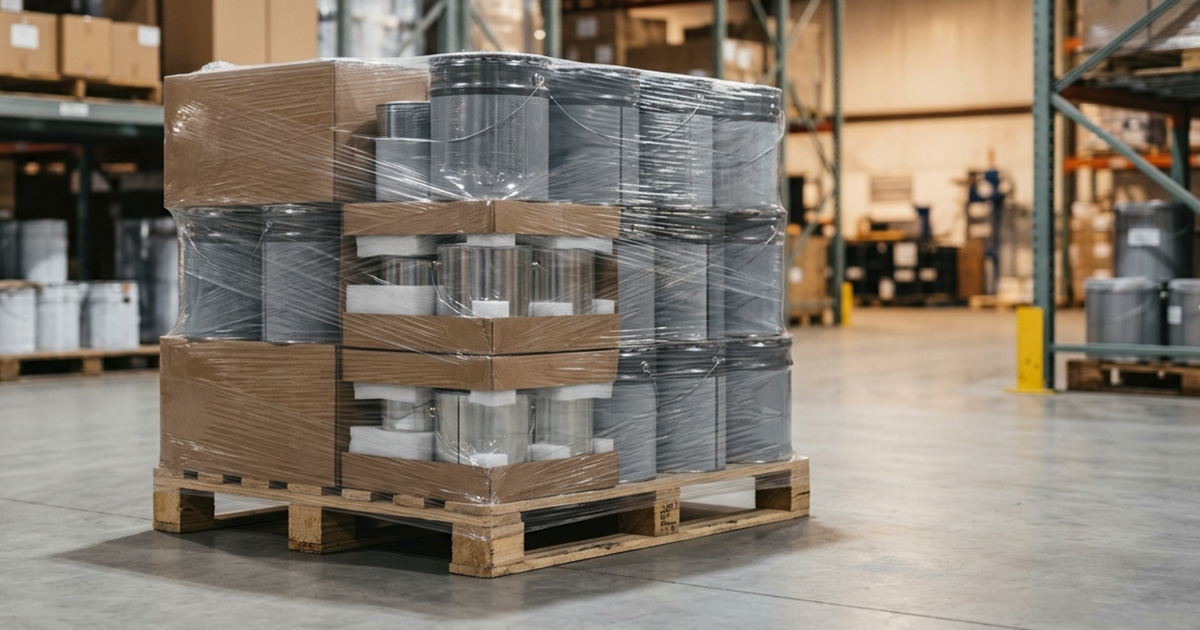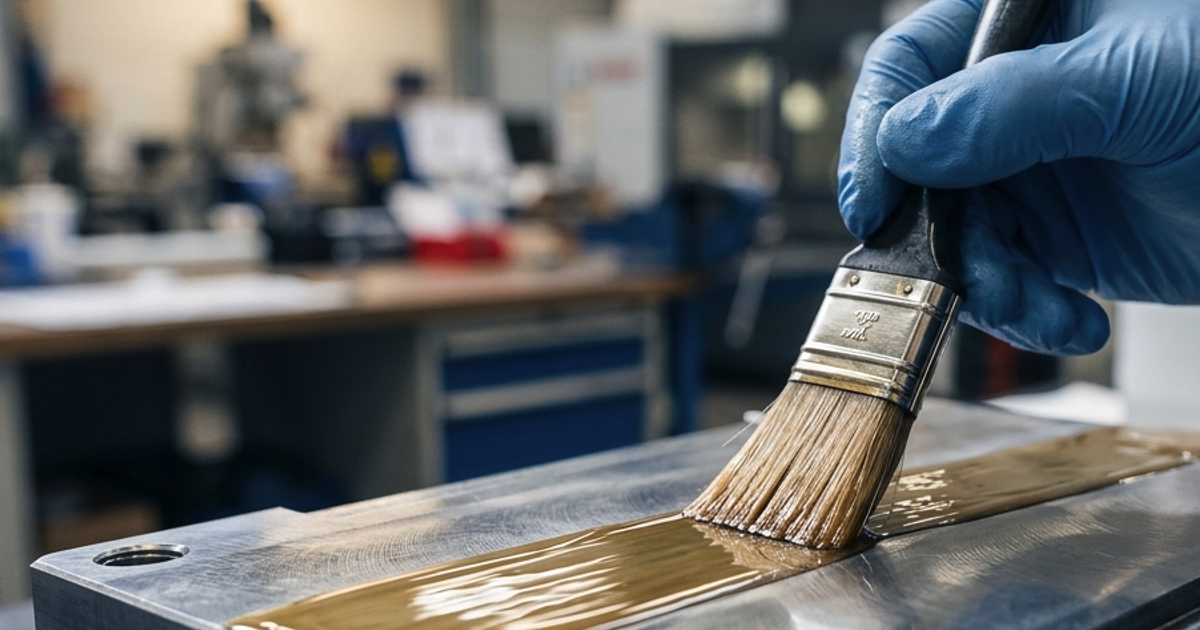





One of the most common — and costly — mistakes made during any coating project is poor material estimation. Ordering too little product causes delays, inconsistent batch matching, and rushed recoats. Ordering too much wastes money and creates disposal headaches. At INSECO, we believe that a well-planned project is a successfully executed one, which is why understanding how to use coverage calculators and estimating tools is an essential skill for every contractor, applicator, and property owner working with our specialty coatings line.
Whether you are sealing a hardwood deck with WOOD Rx, protecting a concrete driveway, or coating brick pavers and natural stone, accurate estimating is the foundation of professional results. This guide walks you through the key principles behind coverage calculations, common variables that affect real-world consumption, and how to apply these tools with confidence on every INSECO project.
Why Accurate Coverage Estimation Matters
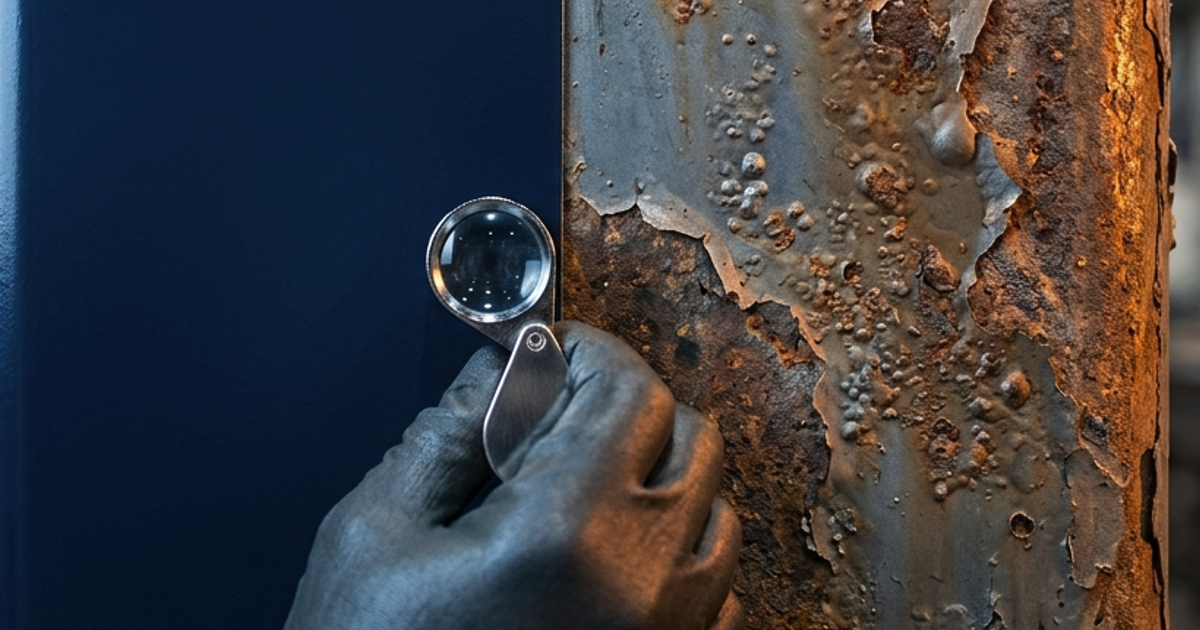
Coverage estimation is not simply a math exercise — it is a project management discipline. When coating estimates are off, even by a small margin, the consequences ripple through every phase of the job. Applicators who underestimate product needs may be forced to use material from a different production batch, which can create subtle sheen or color inconsistencies that are especially visible on large or continuous surfaces. Over-application, on the other hand, leads to issues like slow dry times, tackiness, and film build problems that compromise long-term coating performance.
INSECO specialty coatings are formulated to precise viscosity, solids content, and coverage specifications. Respecting these parameters is not optional — it is fundamental to unlocking the full durability and appearance benefits our products are engineered to deliver.
The Real Cost of Getting It Wrong
Beyond wasted product and inconsistent results, poor estimation creates indirect costs that are easy to overlook. Labor hours spent waiting for additional product to arrive, project delays that push work into unfavorable weather windows, and the need to re-strip and re-apply a coating are all expensive outcomes that proper planning prevents. For commercial and large-scale residential jobs, these cost overruns can seriously impact profitability.
Understanding Theoretical vs. Practical Coverage Rates
Every INSECO product data sheet lists a theoretical coverage rate, typically expressed in square feet per gallon. This figure represents the maximum coverage achievable under ideal laboratory conditions — a perfectly smooth, non-porous, horizontal surface with no waste, no texture, and zero absorption. In the real world, practical coverage is almost always lower than this number, sometimes significantly so.
Understanding the gap between theoretical and practical coverage is the most important concept in accurate estimating. Experienced applicators know to apply a loss factor to every theoretical figure before finalizing their material order.
Key Factors That Reduce Practical Coverage
- Surface Porosity: Highly porous substrates like rough-sawn lumber, open-grain wood species, aged concrete, and natural stone absorb significantly more coating per square foot than sealed or non-porous surfaces. First coats on porous materials can consume two to three times the product that subsequent coats require.
- Surface Texture: Textured surfaces such as broom-finished concrete, cobblestone pavers, and weathered wood have greater actual surface area than their square footage implies. More surface area means more product consumed per measured square foot.
- Application Method: Brush and roller application typically yields lower waste than spray application. Airless spray systems, while highly efficient for large flat areas, introduce overspray losses that must be factored in, particularly in windy or complex environments.
- Vertical vs. Horizontal Surfaces: Vertical surfaces experience more product run-off and dripping during application, particularly at higher film builds. Adjust estimates accordingly.
- Environmental Conditions: Hot, dry, and windy conditions accelerate evaporation and open time, which can cause applicators to apply additional product in an attempt to maintain wet edges. This increases consumption beyond planned levels.
- Multiple Coat Systems: Multi-coat systems require individual calculations for each coat. First coats on bare substrates typically consume more material than subsequent maintenance or topcoats.
Applying a Loss Factor to Your Estimate
For most INSECO coating applications, a loss factor between 10% and 30% is reasonable depending on the variables above. Smooth, sealed concrete with a roller application may require only a 10% buffer. Rough, open-grain wood applied by spray in warm conditions may require a 25% to 30% buffer. When in doubt, consult the INSECO technical assistance team, who can help you dial in an appropriate loss factor for your specific project conditions.
Step-by-Step Guide to Calculating Your INSECO Coating Requirements
Using a coverage calculator effectively means breaking your project down into logical segments and applying accurate measurements and multipliers to each one. Follow this structured approach for any INSECO coating project.
Step 1: Measure and Segment Your Surface Area
Begin by measuring the total square footage of the surface to be coated. For simple rectangular surfaces, this is length multiplied by width. For irregular shapes, break the surface into smaller geometric sections, calculate each section individually, and add them together. For vertical surfaces such as fences, walls, or siding, calculate both sides if both are to be coated. For surfaces with complex profiles — such as tongue-and-groove siding or decking with gaps — add a profile factor to account for exposed edges and additional surface area.
Step 2: Identify the Theoretical Coverage Rate
Locate the coverage rate listed in the INSECO product data sheet for the specific product you are using. This figure will be expressed as square feet per gallon. Note whether the rate applies to a single coat or a two-coat system, as some data sheets specify coverage for the full system rather than individual coats.
Step 3: Apply Your Loss Factor
Multiply your total square footage by your loss factor to determine your adjusted square footage. For example, if your measured surface area is 1,000 square feet and you are applying a 20% loss factor, your adjusted square footage is 1,200 square feet. Use this adjusted figure for all subsequent calculations.
Step 4: Calculate Total Volume Required
Divide your adjusted square footage by the theoretical coverage rate to determine the number of gallons required. If the product covers 200 square feet per gallon and your adjusted square footage is 1,200, you will need 6 gallons. If you are applying multiple coats, repeat this calculation for each coat and sum the totals.
Step 5: Round Up and Order a Buffer
Always round up to the nearest whole unit and consider ordering one additional unit as a project buffer. Having extra product on hand eliminates the risk of running short during application and ensures you have material available for touch-up work after the initial application cures. Properly stored INSECO products maintain their shelf life well, so unused buffer stock is rarely wasted.
Leveraging INSECO Technical Assistance for Complex Projects
INSECO's commitment to technical excellence extends beyond manufacturing premium coatings. Our technical assistance team is one of the most valuable resources available to contractors and applicators working with INSECO products. For large-scale commercial projects, unusual substrate conditions, multi-system applications, or any situation where standard estimating guidance leaves questions unanswered, reaching out to our technical team before ordering material is always the right move.
Our specialists can review your project specifications, help you select the correct product system, validate your coverage calculations, and identify any substrate or environmental variables that could affect consumption. This level of personalized support is part of what sets INSECO apart as a boutique specialty coatings manufacturer — we do not simply sell product, we partner with you to ensure every project is a success.
When to Request a Site-Specific Coverage Review
Consider requesting a technical review from INSECO any time you encounter the following project conditions: substrates that have never been previously coated or tested, surfaces with visible damage, contamination, or irregular porosity, projects involving multiple INSECO products applied in sequence, environments with extreme temperature, humidity, or UV exposure, and commercial or public-facing projects where appearance and warranty performance are critical. In these scenarios, the few minutes spent consulting with our technical team can save hours of rework and significant material cost.
Final Thoughts on Smart Estimating with INSECO Specialty Coatings
Accurate coverage estimation is a professional skill that pays dividends on every project. By understanding the difference between theoretical and practical coverage, accounting for the variables that affect real-world consumption, and following a structured calculation process, you position every INSECO project for success from the very first step. Combined with proper surface preparation, correct application technique, and the support of INSECO's technical assistance team, smart estimating is one of the most powerful tools in your professional toolkit.
For specific product coverage data, loss factor guidance, or help planning your next project, contact the INSECO technical team directly. We are here to help you get the most out of every gallon — and every project.