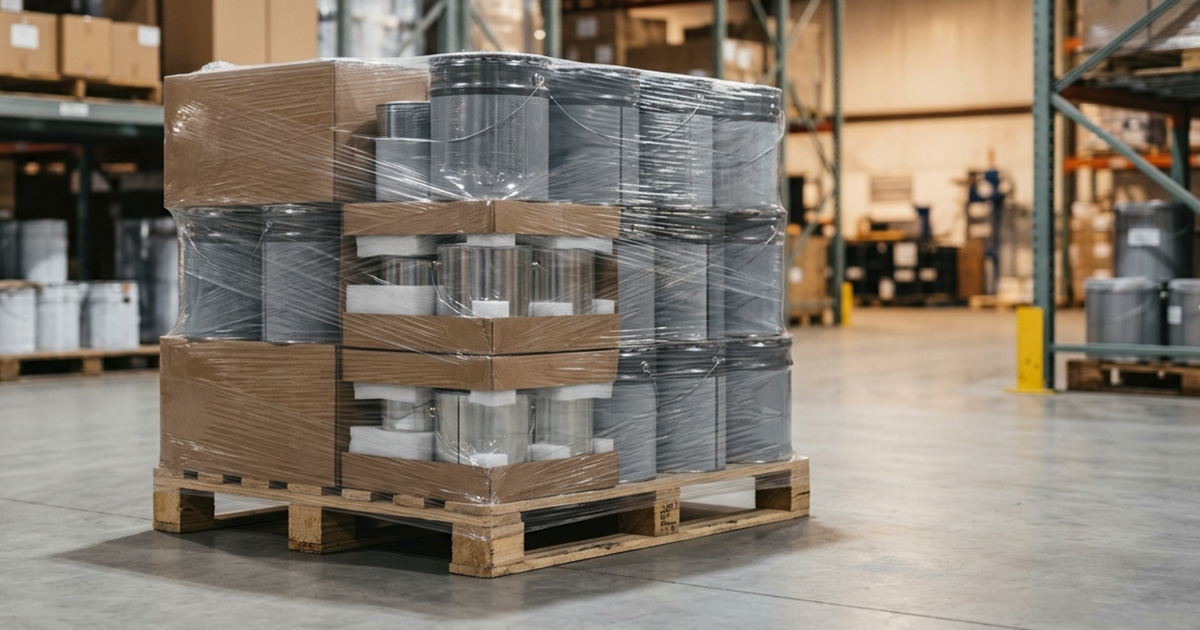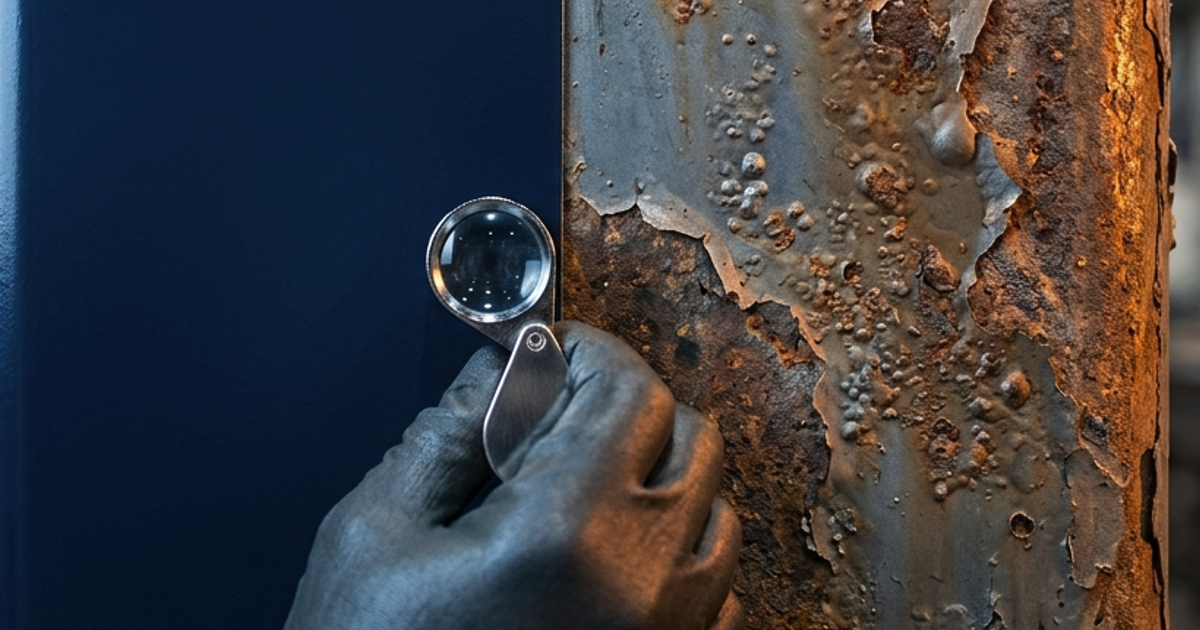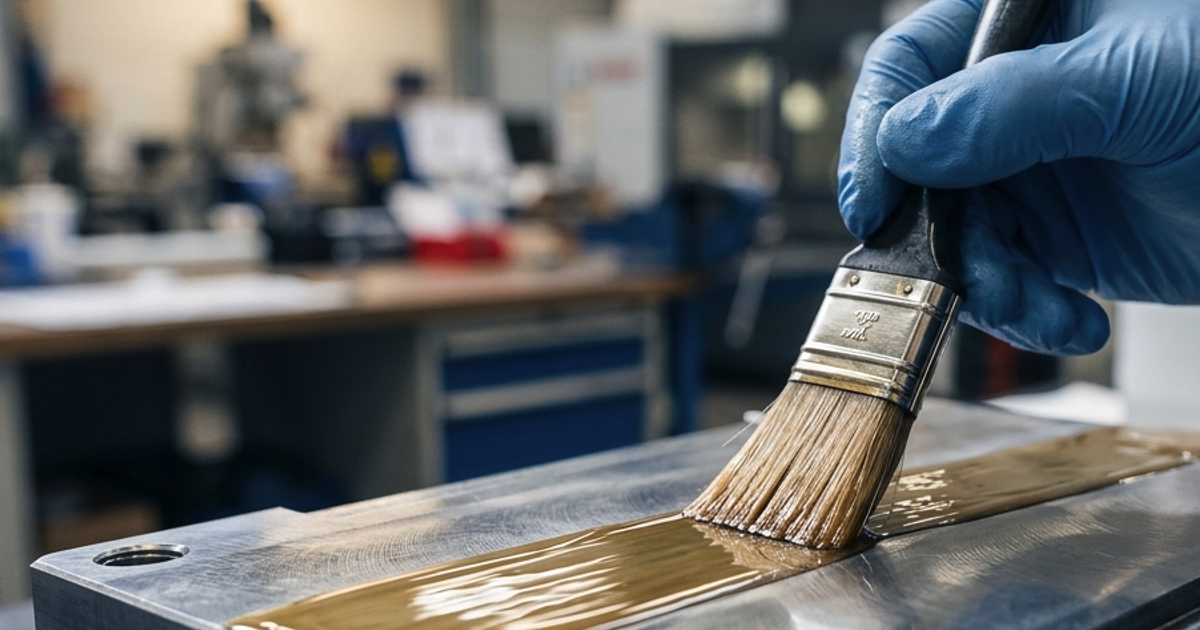





When you invest in a premium specialty coating, you are not just purchasing a product off a shelf. You are entering into a quality system built on traceability, consistency, and accountability. At INSECO, every container of coating that leaves our facility carries critical information printed directly on the label: a batch number and a date code. These small details are far more important than most applicators realize, and understanding how to read and use them can make a meaningful difference in the quality and reliability of your finished work.
Whether you are a professional contractor managing large-scale projects or a property owner applying WOOD Rx to a backyard deck, knowing how to work with batch numbers and date codes gives you a direct line into the quality history of your coating. This guide will walk you through everything you need to know.
What Batch Numbers and Date Codes Actually Mean
Every batch of INSECO coating is manufactured under controlled conditions with raw materials sourced from approved suppliers. Before any product is released for distribution, it goes through a series of quality checks to confirm that viscosity, color, solids content, and other critical properties fall within specification. Once a batch passes inspection, it is assigned a unique batch number and stamped with a production date code.
Understanding the Batch Number
The batch number is a numeric or alphanumeric identifier that links a specific container of coating back to a precise production run. If a question ever arises about product performance, consistency, or potential defects, the batch number allows INSECO's technical team to pull the exact manufacturing record, raw material lot information, and quality control data associated with that production run. This is the foundation of traceability in specialty coatings manufacturing.
When you contact INSECO for technical support, one of the first questions our team will ask is for your batch number. Having this information ready significantly speeds up the diagnostic process and ensures that our recommendations are based on the actual product you are working with, not a general assumption.
Understanding the Date Code
The date code tells you when the coating was manufactured. This is not the same as an expiration date, although the two are closely related. INSECO coatings are formulated for maximum shelf stability when stored properly, but all coatings have a usable shelf life. The date code allows you to calculate whether your product is still within its recommended performance window before you commit it to a substrate.
Using coating that has exceeded its shelf life is one of the most avoidable causes of application failures in the field. Oxidation, settling, moisture intrusion, and chemical degradation can all compromise a coating's ability to cure properly, adhere consistently, or maintain its designed appearance. The date code is your first line of defense against this risk.
How to Use This Information Before, During, and After Application
Batch numbers and date codes are not just for quality control departments and technical representatives. Skilled applicators use this information at every stage of a project to protect their work and maintain accountability. Here is how to build this habit into your application process.
Before You Open the Container
Before you begin any INSECO application, take a moment to inspect the label on every container you plan to use on that project. Record the batch number and date code for each unit in your project notes or job file. This takes less than two minutes and provides an invaluable reference if any questions arise during or after application.
- Confirm that all containers you plan to use on the same continuous surface share the same batch number whenever possible. Batch-to-batch variation, while controlled tightly at INSECO, can occasionally produce subtle differences in sheen, color depth, or drying behavior that become visible when two different batches meet mid-surface.
- Compare the date code against the product's published shelf life, which is available on the INSECO Technical Data Sheet for each product. If the coating is approaching or has exceeded that window, contact INSECO before proceeding.
- Inspect the container for any signs of compromise such as swollen lids, rust around the rim, or evidence of prior opening. A damaged container can affect product integrity regardless of the batch or date.
- If you received product through a distributor and the date code reflects a longer transit or storage time than expected, reach out to your supplier or INSECO directly to confirm product suitability before applying.
During Application
While you are applying the coating, keep your recorded batch and date information accessible. If you are working across multiple days or mixing new containers into an ongoing project, verify that incoming containers match the batch of what was already applied to the surface. When batch numbers differ, a practice known as box blending, where you open all containers and combine them into a larger mixing vessel before use, can help minimize the risk of visible variation on large surfaces.
If you notice any unusual behavior during application such as abnormal dry times, unexpected texture, or color that does not match what you have applied previously, stop work and contact INSECO technical support immediately. Provide your batch number and date code upfront. This information allows our team to determine quickly whether you are experiencing a product issue, an application condition issue, or a substrate interaction, and give you a clear path forward without guesswork.
After the Project Is Complete
Once your project is finished, retain your batch number and date code records as part of your project documentation. For professional contractors, this information belongs in your client file alongside surface preparation notes, application conditions, and product consumption records. If the client ever calls with a question about maintenance, recoating, or an unexpected performance issue, you will have the data needed to provide an informed, credible response.
For property owners, keeping a simple log of the products applied to your surfaces, including batch numbers, date codes, application dates, and weather conditions, creates a valuable maintenance history. This record is particularly useful when planning future recoat cycles or when a surface needs attention after several years of exposure.
Why Traceability Matters in a Premium Coating System
INSECO has operated as a boutique specialty coatings manufacturer since 1996, and our reputation is built on the consistency and performance of a refined product line. Traceability is not a bureaucratic formality in our operation. It is a core part of how we maintain quality and how we support the professionals and property owners who trust our products.
Protecting Your Investment and Your Reputation
For contractors, your professional reputation is attached to every surface you coat. A traceability record gives you documentation that you used a quality-controlled product applied within its recommended shelf life and performance parameters. If a dispute ever arises over coating performance, this documentation supports your position with factual evidence rather than assumption.
For property owners, traceability means that if an issue ever occurs with a INSECO product, the path to resolution is clear and direct. Our technical team can review the manufacturing record for your specific batch, assess whether the issue falls within a product performance question or an application condition question, and provide targeted guidance rather than generic advice.
Connecting Traceability to Long-Term Maintenance Planning
Understanding when a coating was manufactured and applied also plays a practical role in planning your maintenance schedule. Premium coatings like WOOD Rx are engineered to deliver long-term protection, but every coating system has a performance lifecycle influenced by exposure conditions, traffic, UV intensity, and maintenance practices. Knowing your application date, which is directly connected to your date code, helps you build a realistic timeline for inspection, spot repair, and full recoat cycles before visible wear or premature failure can occur.
At INSECO, we encourage every applicator and property owner to think of batch numbers and date codes not as fine print, but as the first chapter in the performance story of their coated surface. The more information you capture at the beginning of a project, the better equipped you are to protect and extend the life of that investment for years to come.
If you have questions about reading your INSECO product labels, interpreting batch or date information, or need guidance on whether a stored product is still suitable for use, contact INSECO's technical support team directly. We are here to help you get the most from every application.