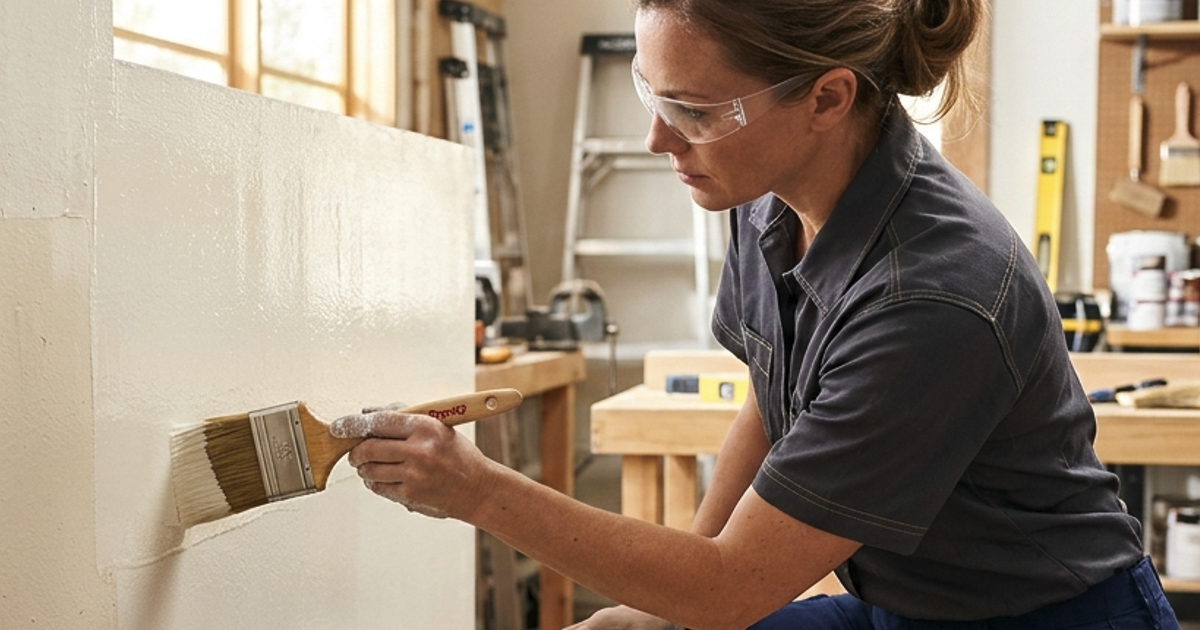



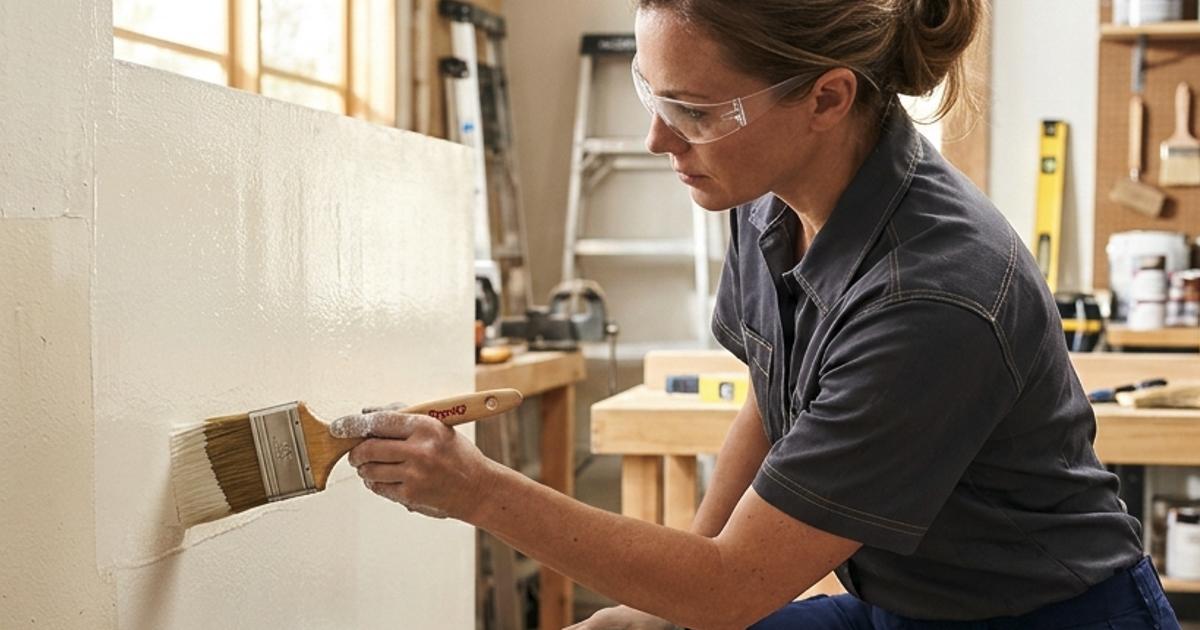

One of the most common questions our technical team receives at INSECO involves working over existing coatings. Whether you are a professional contractor refreshing a client's weathered deck, a facility manager maintaining a large commercial concrete floor, or a homeowner looking to renew the look of your natural stone patio, the question is almost always the same: Can I apply a new coating over what is already there? The honest answer is: it depends. And in this post, we are going to walk you through exactly how to evaluate, prepare, and execute a successful application over a previously coated surface using INSECO specialty coatings.
Why Existing Coatings Create Unique Challenges
Applying a fresh coating over an existing one is not simply a matter of rolling or brushing on a new layer and hoping for the best. Previously coated surfaces introduce a layer of complexity that, if ignored, can result in adhesion failures, delamination, uneven sheen, and premature breakdown of your new coating system.
The core challenge is that the new product must bond not to the raw substrate, but to whatever coating is already present. That existing coating may be weathered, partially failed, chemically incompatible with your new product, or contaminated with dirt, oils, or mold that are invisible to the naked eye. Each of these factors can undermine even the highest-quality coating if proper steps are not taken.
Common Problems When Recoating Without Proper Evaluation
- Peeling and flaking within weeks of application due to poor intercoat adhesion
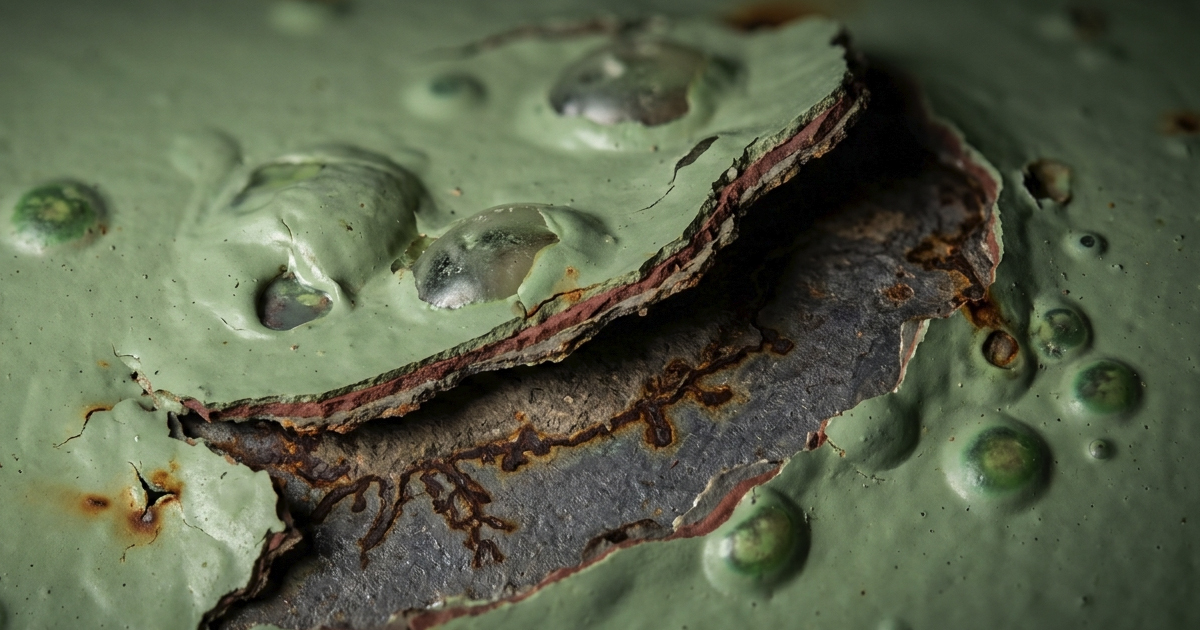
- Blistering caused by trapped moisture or solvent incompatibility between old and new coatings
- Uneven sheen or texture where the new coating absorbs at different rates across the surface
- Color inconsistency due to the old coating bleeding through or influencing pigmentation
- Total system failure requiring a full strip-down, which could have been avoided with upfront evaluation
Understanding these risks is not meant to discourage recoating. In many cases, applying over an existing coating is the right and cost-effective approach. The key is knowing how to assess the situation before you open a can of INSECO product.
How to Evaluate a Previously Coated Surface Before Application
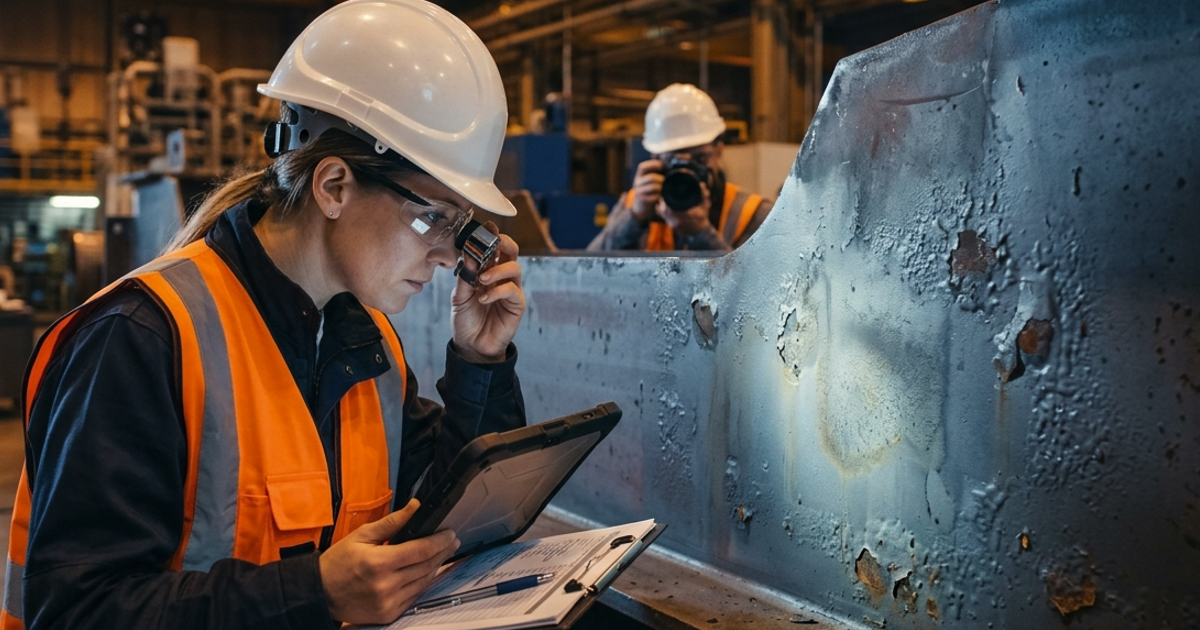
Before any INSECO specialty coating is applied over an existing layer, a thorough evaluation must be conducted. This process protects your investment, your client relationship, and the long-term performance of the coating system.
Step One: Identify What Is Already on the Surface
The first and most important step is determining what type of coating currently exists on the surface. Film-forming coatings such as acrylics, polyurethanes, and epoxies create a physical barrier on top of the substrate. Penetrating or non-film-forming sealers, like many of INSECO's flagship wood and masonry treatments, absorb into the substrate rather than sitting on top of it. These two categories behave very differently when recoated.
If you are unsure what is on the surface, a simple water drop test can help. Apply a few drops of water to the surface and observe. If the water beads up immediately, a film-forming sealer or hydrophobic treatment is likely present. If the water absorbs into the substrate, the existing coating has either worn away or is a penetrating sealer that may allow for a compatible new application.
Step Two: Assess the Condition of the Existing Coating
Even if you know what is on the surface, you need to assess how well it is adhering. Perform a simple adhesion test by pressing a piece of strong tape firmly against the surface and pulling it back sharply. If significant coating material lifts with the tape, the existing layer is failing and must be addressed before any new product is applied. Attempting to coat over a failing layer will simply transfer the failure to your new application.
Look for visible signs of degradation including chalking, flaking, peeling edges, cracking, or areas where the coating appears to have separated from the substrate beneath. These are indicators that a partial or full removal may be necessary before proceeding.
Step Three: Test for Chemical Compatibility
Not all coatings are chemically compatible with one another. Applying a solvent-based product over a water-based coating, or vice versa, can cause the existing layer to soften, wrinkle, or lift. Before full-scale application, always apply a small test patch of your chosen INSECO product to an inconspicuous area of the previously coated surface. Allow it to cure fully according to the product data sheet specifications, then evaluate adhesion, appearance, and flexibility. This simple step can save you from a costly full-surface failure.
Preparing a Previously Coated Surface for INSECO Products
Once you have evaluated the surface and confirmed that recoating is viable, preparation becomes the defining factor in your project's success. The INSECO technical team consistently emphasizes that surface preparation is responsible for the majority of coating failures, and this is never more true than when working over an existing coating.
Cleaning the Surface Thoroughly
Begin with a thorough cleaning to remove all surface contamination. Dirt, mildew, algae, oils, and other residues can prevent your new INSECO coating from forming a proper bond. For wood surfaces, a dedicated wood cleaner appropriate to the species and condition is recommended. For concrete, brick pavers, and natural stone, a masonry cleaner or degreaser matched to the specific contamination present should be used. Pressure washing is often appropriate but must be performed at a pressure that cleans effectively without damaging the substrate or existing coating layer.
Addressing Areas of Coating Failure
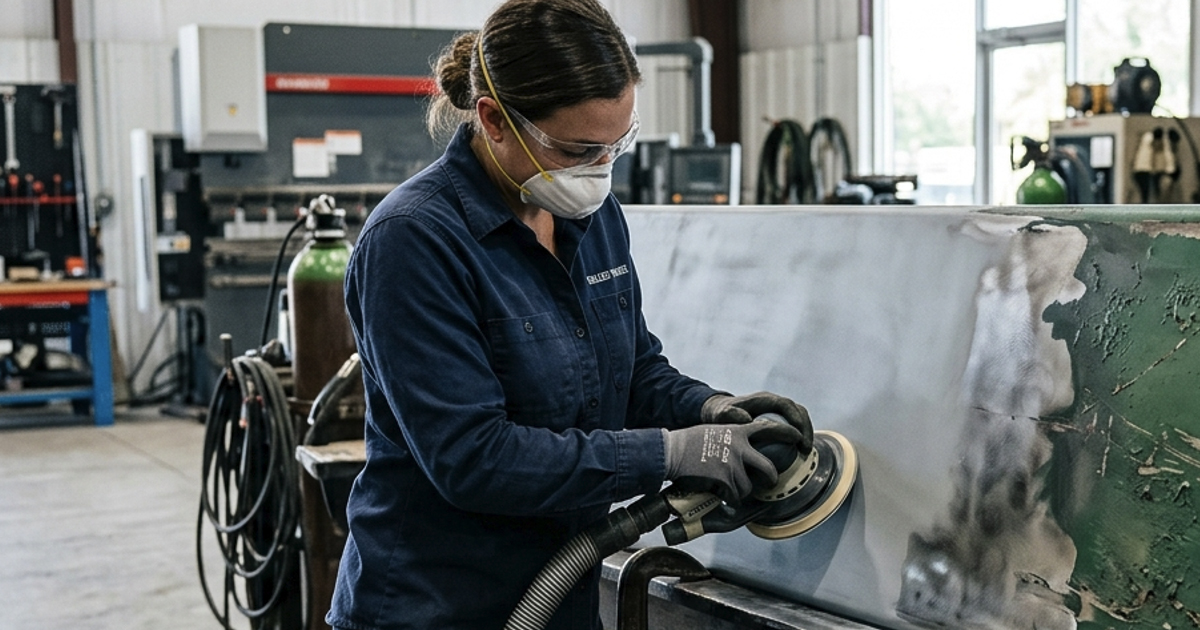
Any areas where the existing coating is lifting, cracking, or peeling must be addressed before the new product goes down. Mechanically remove failed sections using scrapers, sanders, or wire brushes as appropriate to the substrate. Feather the edges of remaining intact coating to minimize visible transitions. In some cases, a spot primer or adhesion promoter may be appropriate to help blend repaired areas before the full coat is applied.
Light Scuffing for Adhesion
On surfaces where the existing coating is in sound condition and chemically compatible with your INSECO product, a light mechanical scuff using fine-grit sandpaper or an abrasive pad can significantly improve intercoat adhesion. This creates a slightly roughened profile that gives the new coating more surface area to grip. Always clean away all sanding dust before application, as fine particulate is one of the most common sources of adhesion interference.
Allowing Full Drying Before Application
After cleaning and any wet surface preparation, the surface must be allowed to dry completely. Moisture trapped beneath a new coating is a leading cause of blistering, delamination, and early failure. INSECO products have specific moisture tolerance thresholds outlined in their technical data sheets. Always verify that ambient temperature and humidity conditions fall within acceptable ranges before proceeding, and allow ample drying time after any water-based cleaning process.
When to Strip and Start Over Instead of Recoating
There are situations where attempting to coat over an existing layer is simply not the right choice, no matter how thorough your preparation. Knowing when to strip and start fresh is a sign of professional judgment, not defeat. INSECO's technical team is always available to help you make this call, but here are the most common scenarios where a full removal is the recommended path forward.
- The existing coating is extensively failed, covering more than 30 to 40 percent of the surface area with lifting or peeling
- The existing product is unknown and testing reveals chemical incompatibility with your chosen INSECO coating
- Multiple previous recoat cycles have created a thick, uneven film that is cracking under its own weight
- The substrate beneath shows signs of damage, rot, or deterioration that requires direct treatment before any new coating is applied
- The existing coating contains contaminants such as silicone or wax that fundamentally prevent adhesion of any new product
In these cases, the time and cost of full removal is always less than the time and cost of addressing a complete system failure after the fact. INSECO provides detailed guidance on proper stripping and substrate restoration for wood, concrete, and masonry surfaces to help make this process as efficient as possible.
Getting Expert Support from INSECO's Technical Team
Every recoating project is different, and the variables involved, from the age and type of the existing coating, to the substrate condition, to the local climate, mean that there is rarely a single universal answer. That is precisely why INSECO built its reputation not only on the quality of its products, but on the depth of its technical support.
If you are standing in front of a surface and genuinely unsure how to proceed, reach out to the INSECO technical team before you begin. Our specialists can help you interpret your evaluation results, recommend the right INSECO product for your situation, and walk you through the correct preparation and application sequence for your specific conditions. Getting expert input at the start of a project is always faster and more economical than troubleshooting a failure after the product has been applied.
Recoating over an existing surface does not have to be a gamble. With the right evaluation process, proper preparation, and the premium performance of INSECO specialty coatings, you can achieve a result that is durable, consistent, and professional every time.