




When a specialty coating project does not perform as expected, the difference between a quick resolution and a prolonged back-and-forth often comes down to one thing: documentation. At INSECO, our technical support team works with contractors, applicators, and facility managers every day to diagnose coating problems and get projects back on track. The quality of information you bring to that conversation directly determines how fast and how accurately we can help you.
This guide walks you through exactly how to document and report a coating issue to INSECO so that our technical team can provide the fastest, most accurate resolution possible. Whether you are dealing with adhesion loss, unexpected discoloration, extended dry times, or surface defects, following a structured reporting process saves time, reduces waste, and protects your project investment.
Why Proper Documentation Makes All the Difference
Coating failures rarely have a single obvious cause. In most cases, a problem is the result of several overlapping factors including substrate condition, environmental variables, application method, and product handling. When a contractor contacts technical support without clear records, our team is forced to make educated guesses rather than precise diagnoses. This slows everything down and increases the risk of recommending a correction that does not fully address the root cause.
Well-documented coating issues allow INSECO technical specialists to quickly narrow down potential causes, identify whether the issue is product-related, applicator-related, or substrate-related, and determine the correct corrective path without requiring unnecessary product returns or on-site visits. In many cases, a thorough report submitted with photographs and application records allows us to provide a definitive technical response within one business day.
What Documentation Does for Your Warranty or Claim
If your issue involves a potential product defect, having thorough documentation also protects your position in any warranty or claim process. INSECO stands behind the performance of its products, and proper records allow us to verify that the product was applied according to specification. Without records, it becomes difficult to distinguish between a product failure and an application failure, which can complicate the resolution process for everyone involved.
What to Gather Before You Contact INSECO Technical Support
Before reaching out, take time to collect the information listed below. Having this ready when you call or email our technical support team will dramatically accelerate the resolution process. Our specialists are trained to ask for all of this information, so gathering it in advance puts you one step ahead.
Product Information
- Full product name and product code for every coating used on the project
- Batch number and date code from each container (found on the bottom or side label)
- Purchase date and supplier or distributor name
- Whether the product was stored according to recommendations prior to use
- Whether any thinning or mixing with other products occurred
Substrate and Surface Preparation Details
- Substrate type (wood species, concrete type, natural stone, brick pavers, etc.)
- Age and condition of the substrate at time of application
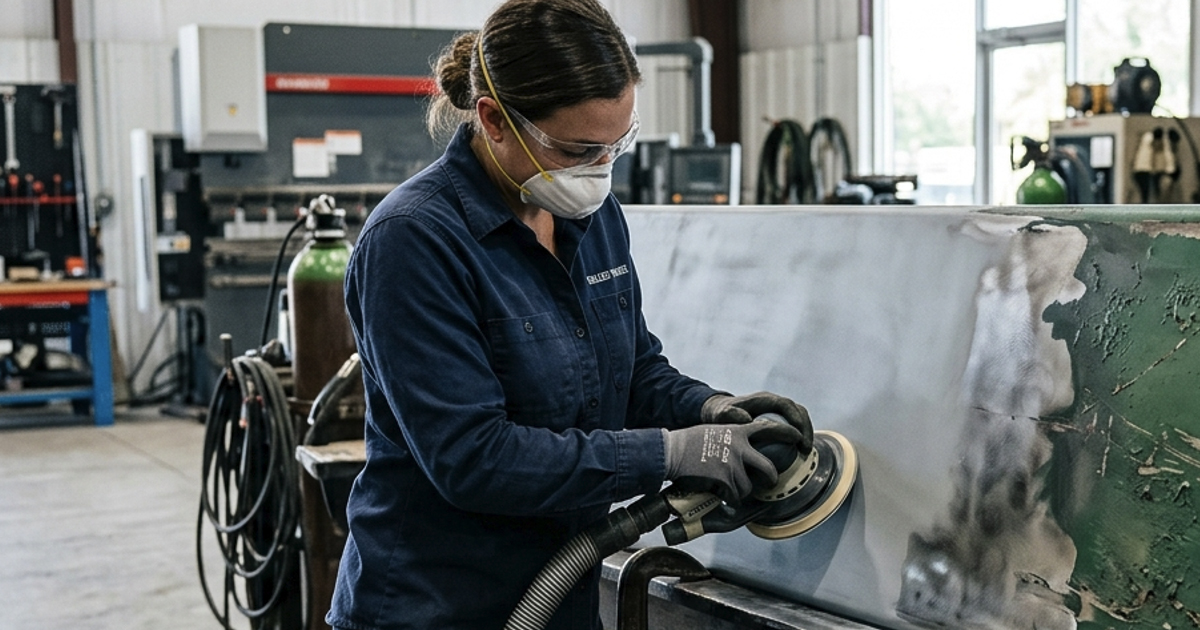
- Cleaning method used and products applied during preparation
- Whether a primer or conditioner was used and which one
- Moisture content or moisture test results if available
Application Conditions and Method
- Date and time of application
- Air temperature, surface temperature, and relative humidity at time of application
- Application method used (brush, roller, sprayer, pad applicator)
- Number of coats applied and recoat timing between coats
- Coverage rate achieved versus the recommended coverage rate
Description of the Problem
- When the issue was first noticed (during application, after curing, after weather exposure)
- Where the issue appears on the surface (edges, center field, transitions, specific areas)
- How widespread the issue is as a percentage of the total coated area
- Whether the issue is progressing, stable, or improving over time
How to Photograph Coating Issues for Technical Review
Photographs are one of the most powerful tools in the diagnostic process. A well-taken photo can communicate in seconds what would take paragraphs to describe in writing. When documenting a coating issue visually, follow these guidelines to ensure your images are useful to our technical team.
Getting the Most Out of Your Documentation Photos
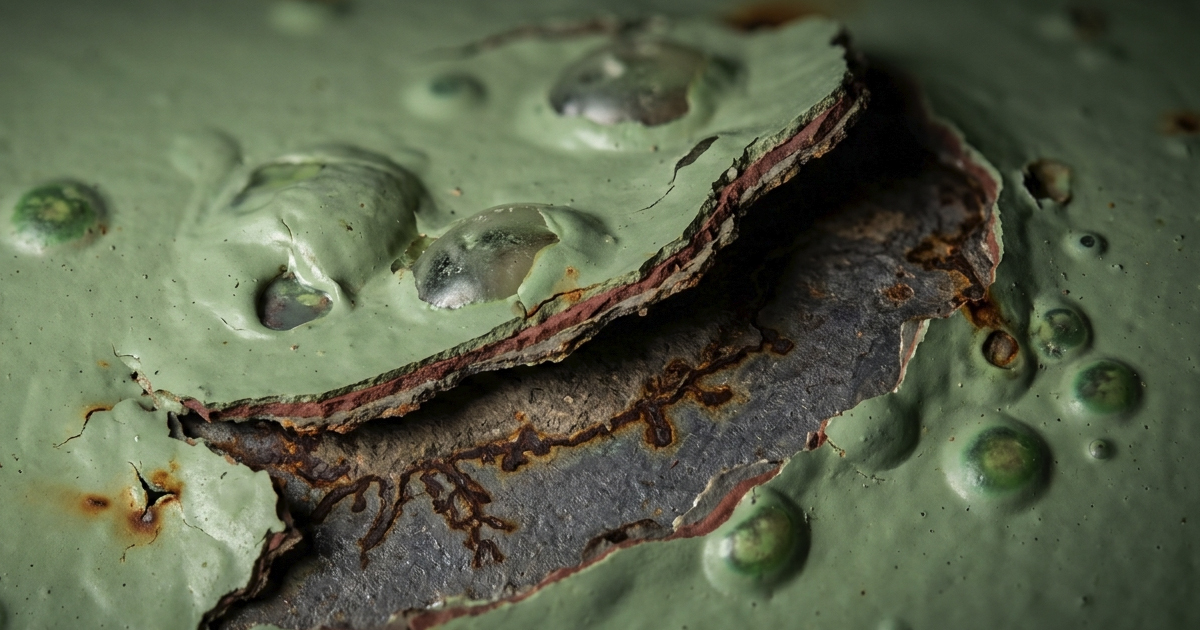
Always photograph the affected area in natural daylight when possible. Artificial lighting can distort color and obscure texture defects. Take both wide-angle shots that show the full scope of the problem in context and close-up shots that capture the specific nature of the defect. If the issue involves a texture problem such as pinholes, craters, or blistering, a macro or close-focus shot taken at a slight angle will show the depth and character of the defect more clearly than a direct overhead shot.
Include at least one reference photo that shows a section of the surface that is performing correctly, positioned next to or near the affected area. This contrast gives our technicians a clear baseline for comparison. If possible, include a ruler or common object in close-up photos to provide scale. Label your photos with the date taken and the location on the project if you are working on a large or multi-zone surface.
Video Documentation
For issues that involve movement, behavior under load, or conditions that are difficult to capture in a still image, short video clips are extremely helpful. A slow pan across a large area of uneven sheen, or a close-up clip showing a tacky surface texture, can communicate nuance that photographs may miss. Keep clips brief and focused, and send them along with your written documentation when contacting INSECO support.
How to Submit Your Report to INSECO Technical Support
INSECO offers multiple channels for technical support, and our team is equipped to receive detailed documentation through each of them. When you are ready to report a coating issue, choose the method that works best for your situation and have your gathered information ready to share.
For complex issues involving multiple products, a large project area, or potential warranty consideration, written submission via email is recommended. This creates a clear record of the issue and allows you to attach photographs, application records, and product information in a single organized communication. When writing your email, structure it clearly with a brief summary at the top, followed by your product details, substrate and application information, and a description of the problem. Attach your photos and any test results as separate files rather than embedding them in the body of the email.
For urgent situations or when you need real-time guidance, phone contact with our technical support team is the fastest path to immediate assistance. Have your documentation in front of you when you call so you can answer questions accurately and efficiently. Our specialists may ask you to follow up with written documentation and photos after the call to complete the record.
What to Expect After You Submit Your Report
Once INSECO receives your complete documentation, a technical specialist will review all provided information and respond with an initial assessment. In many cases, we can identify the likely cause of the issue and provide corrective guidance based on your submitted records alone. In situations where the root cause is unclear, we may request additional information, samples, or a field visit depending on the scope and nature of the project.
Our goal is always to provide you with a clear, actionable path forward as quickly as possible. The more complete your initial documentation, the faster we can move from diagnosis to resolution. INSECO's technical support team is here to be a true partner in your project success, and structured reporting is the most effective way to make that partnership work.
Building a Culture of Documentation on Every Project
The best time to start documenting is before a problem occurs. Contractors and applicators who maintain consistent application records on every project are always better positioned to resolve issues quickly when they arise, and they are also better positioned to prevent them. Keeping a simple job log that records product information, batch numbers, environmental conditions, and application notes for every coating project takes only minutes per day and can save hours or days of troubleshooting later.
INSECO encourages all of its customers to treat documentation as a standard part of professional coating practice. Whether you are applying WOOD Rx to a residential deck or specifying a full concrete coating system for a commercial facility, the value of accurate records cannot be overstated. When combined with INSECO's comprehensive technical assistance, a well-documented project is one of the most effective tools you have for ensuring long-term coating performance and client satisfaction.
If you have a coating issue you need help resolving or want to speak with an INSECO technical specialist about your current project, reach out to our team today. We are ready to help.