



One of the most common situations professionals and property owners face is arriving at a surface that already has a coating on it — and wondering what to do next. Do you strip everything down? Do you coat right over it? The answer is almost never that simple, and getting it wrong can mean adhesion failure, visual defects, or a coating that underperforms from day one.
At INSECO, we work closely with applicators at every skill level, and recoat surface preparation is one of the most frequently discussed topics in our technical support conversations. This guide is designed to help you evaluate an existing coated surface, prepare it correctly, and apply INSECO Specialty Coatings with confidence — without automatically defaulting to a complete strip-and-restart.
Understanding What You're Working With Before You Touch a Surface
Before any preparation work begins, your first job is to understand the condition of the existing coating and whether it is compatible with what you plan to apply. Skipping this step is one of the most costly mistakes in the industry, and it is completely avoidable with a methodical approach.
Assess the Condition of the Existing Coating
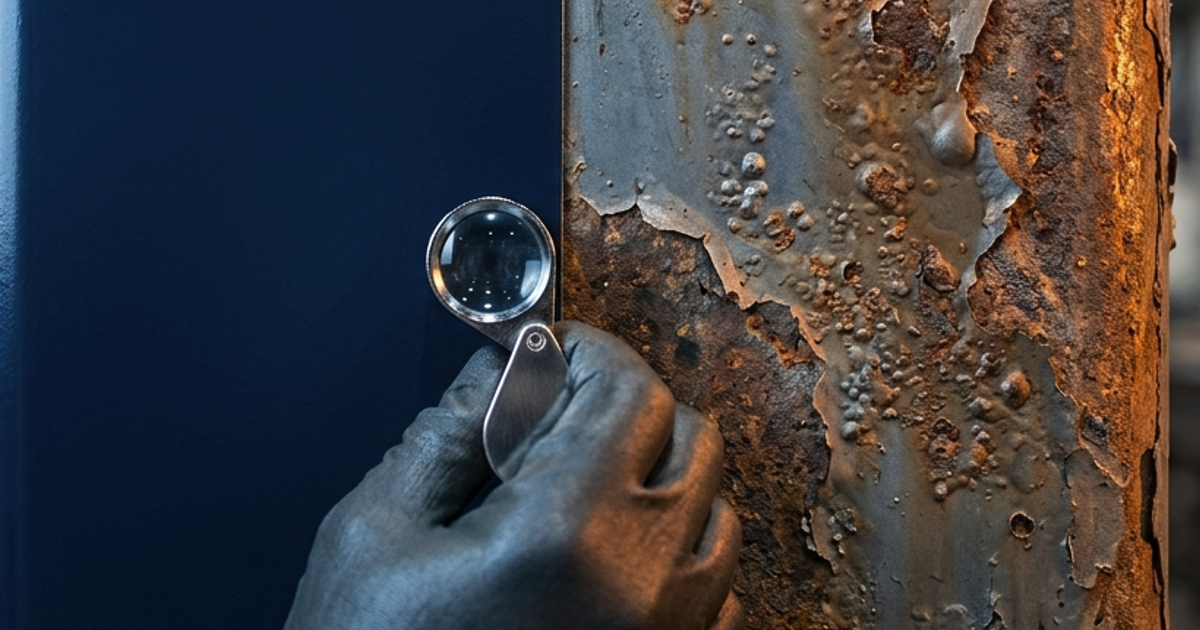
Walk the entire surface and document what you observe. Look for areas of delamination, flaking, peeling, chalking, discoloration, biological growth, or surface damage. The extent and pattern of these issues will tell you a great deal about what has already failed and why. A coating that is peeling in isolated spots tells a different story than one that is lifting uniformly across the entire surface.
Ask yourself the following questions before moving forward:
- Is the existing coating film-forming or penetrating in nature?
- Is the coating still adhering firmly to the substrate in most areas, or is adhesion compromised throughout?
- Are there visible signs of moisture intrusion, efflorescence, or substrate damage beneath the coating?
- Is the surface contaminated with oils, mildew, silicone residue, or cleaning agent buildup?
- Has the surface been previously treated with a product that may be chemically incompatible with INSECO coatings?
Once you have answers to these questions, you can build a preparation plan that is specific to the surface you are working on rather than relying on a generic one-size-fits-all approach.
Conduct an Adhesion Test on the Existing Coating
Before deciding how aggressively to prepare a surface, perform a simple tape adhesion test in multiple locations across the surface. Apply a strip of firm tape, press it down firmly, and pull it away sharply. If significant amounts of the existing coating lift away with the tape, the surface requires more aggressive preparation or complete removal in those zones. If the coating holds firmly and cleanly, it may be a viable base for recoating after proper cleaning and light abrasion.
Preparing the Surface Correctly for a Successful Recoat
Once you have assessed the existing coating and confirmed which areas are sound, preparation work can begin. The goal of this phase is to create a clean, stable, and properly profiled surface that will allow INSECO Specialty Coatings to bond correctly and perform at the highest level.
Cleaning Is Non-Negotiable
Regardless of what the surface looks like visually, chemical and biological contamination is frequently present even when it cannot be seen with the naked eye. Oils, algae, mold spores, tannin bleed, and residual cleaning agents can all prevent proper adhesion and compromise the finish. Use an appropriate cleaner for the substrate type — wood, concrete, brick pavers, or natural stone — and allow thorough rinsing and complete drying before any coating is applied.
For wood surfaces, INSECO recommends using a dedicated wood cleaner and brightener where applicable to restore pH balance and open the grain for better penetration. For concrete and masonry, an alkaline or acidic cleaner may be appropriate depending on the type of contamination present. Always follow INSECO product data sheet guidance for recommended cleaners and dwell times.
Remove What Cannot Be Saved
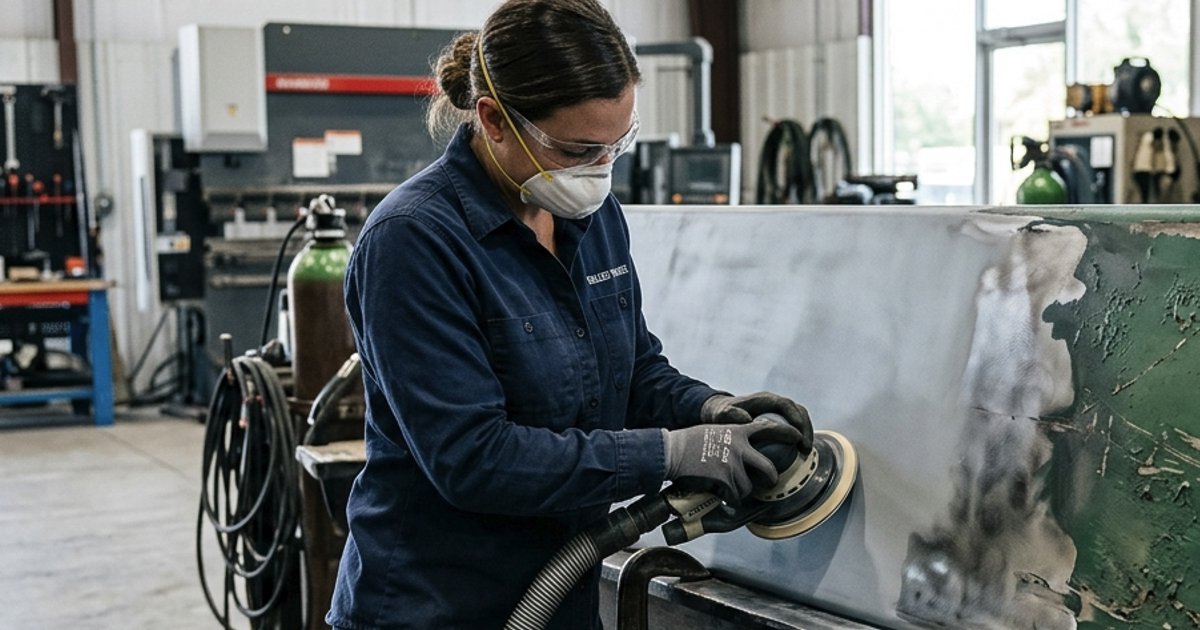
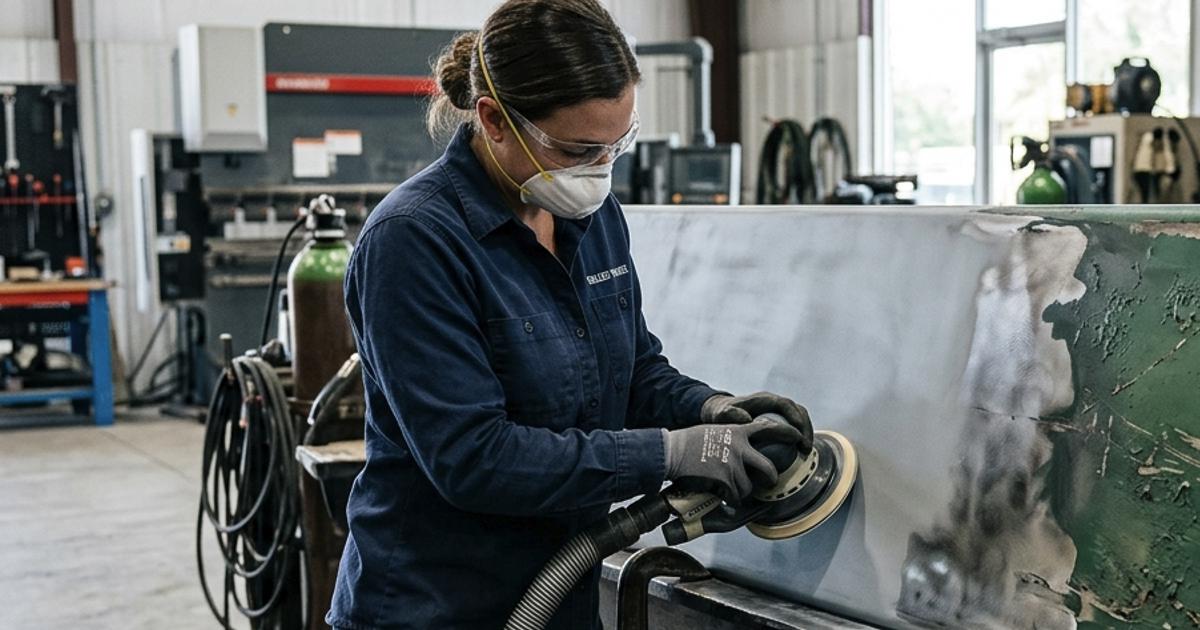
In areas where the existing coating has failed, is peeling, bubbling, or showing clear adhesion loss, that material must be removed before recoating. Attempting to coat over delaminated areas simply transfers the failure to the new coating layer and wastes product and labor. Use mechanical means such as scraping, sanding, or pressure washing where appropriate to remove failing sections back to a sound substrate.
Feather the edges of areas where you have removed coating so that transitions between removed and intact sections are gradual rather than sharp. Sharp edges and ridges in the existing coating will telegraph through the new coat and create visible defects in the finished surface.
Abrade Sound Surfaces to Promote Adhesion
Even when the existing coating is in good condition, light abrasion is often necessary to give the new coat mechanical adhesion. A smooth, glossy existing surface does not provide enough surface profile for a new coating to grip properly. Scuff sanding with an appropriate grit, light power sanding on larger surfaces, or controlled pressure washing on concrete and masonry surfaces can all be used to prepare a sound existing coating for recoating.
After any mechanical preparation, thoroughly remove all sanding dust, grinding residue, and debris. This step is easy to rush and equally easy to regret. Fine dust left on the surface acts as a release agent and can prevent the new coating from achieving full bond strength.
Applying INSECO Specialty Coatings Over a Prepared Recoat Surface
With the surface properly cleaned, repaired, and profiled, you are ready to apply your INSECO coating. A few final considerations will help you achieve the best possible result on a recoat application.
Confirm Compatibility Before Committing to a Full Application
If there is any uncertainty about whether the existing coating is compatible with the INSECO product you intend to apply, perform a small test patch in an inconspicuous area first. Apply the product according to label instructions, allow it to cure fully, and evaluate adhesion, appearance, and behavior before proceeding with the full surface. This simple step can prevent a costly large-scale failure.
When in doubt, contact INSECO's technical support team. Our specialists can help you evaluate compatibility based on the products involved, the substrate type, and the condition of the existing coating. This service is one of the key advantages of working with a boutique specialty coatings manufacturer that provides genuine technical expertise rather than generic consumer guidance.
Apply at the Correct Rate and in the Right Conditions
On recoat applications, pay close attention to coverage rate recommendations from the INSECO product data sheet. An existing coating that is still somewhat intact may reduce the absorbency of the surface, causing product to sit on top rather than penetrate or bond as intended. Apply at the recommended rate rather than flooding the surface, and allow proper flash time between coats where multiple coats are specified.
Weather conditions matter on recoat applications just as much as on new substrate applications. Avoid applying in direct high heat, high humidity, or when rain is forecast within the product's required cure window. Temperature extremes on either end of the acceptable application range will affect how the coating bonds to the existing surface and how uniformly it cures.
Document Your Work for Future Reference
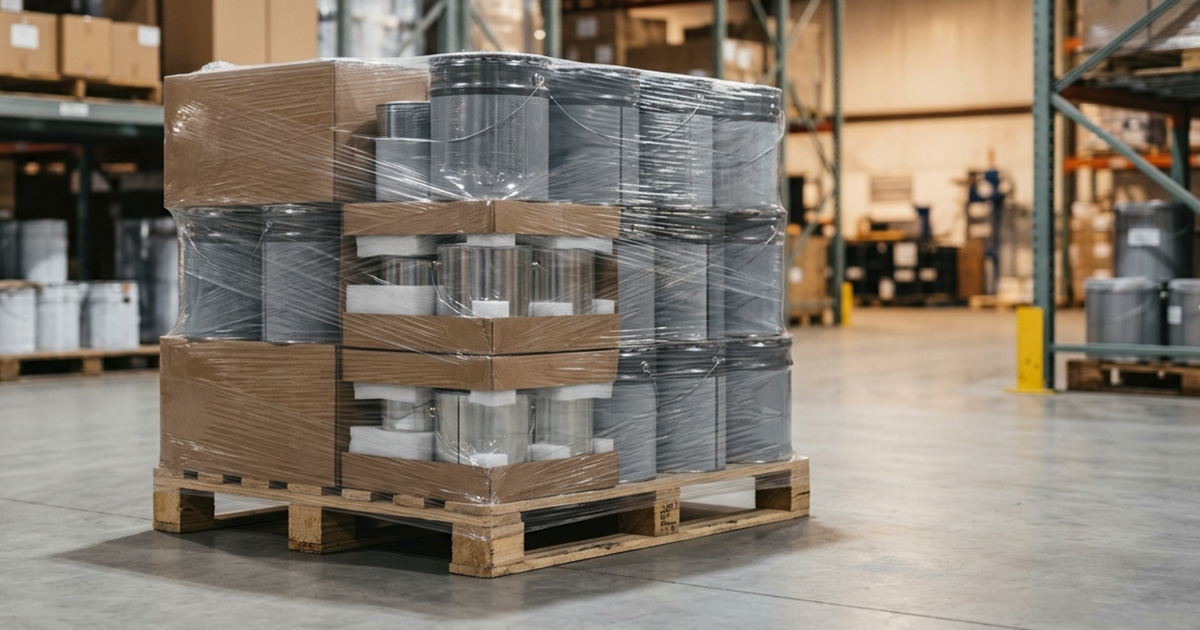
One of the most overlooked practices in professional coating work is documentation. Record the products used, the surface conditions at the time of application, any preparation methods employed, batch numbers from product containers, and application dates. This information is invaluable when the surface comes up for its next maintenance cycle, and it positions you as a credible and professional applicator in the eyes of your clients.
INSECO Specialty Coatings are formulated to deliver long-term performance when applied correctly and maintained appropriately. Recoat applications that are properly prepared and executed can extend the service life of a coating system significantly, protecting the investment in the substrate beneath and delivering results that reflect well on everyone involved in the project.
For personalized guidance on your specific recoat situation, reach out to the INSECO technical team. We are here to help you succeed from the first assessment to the final coat.