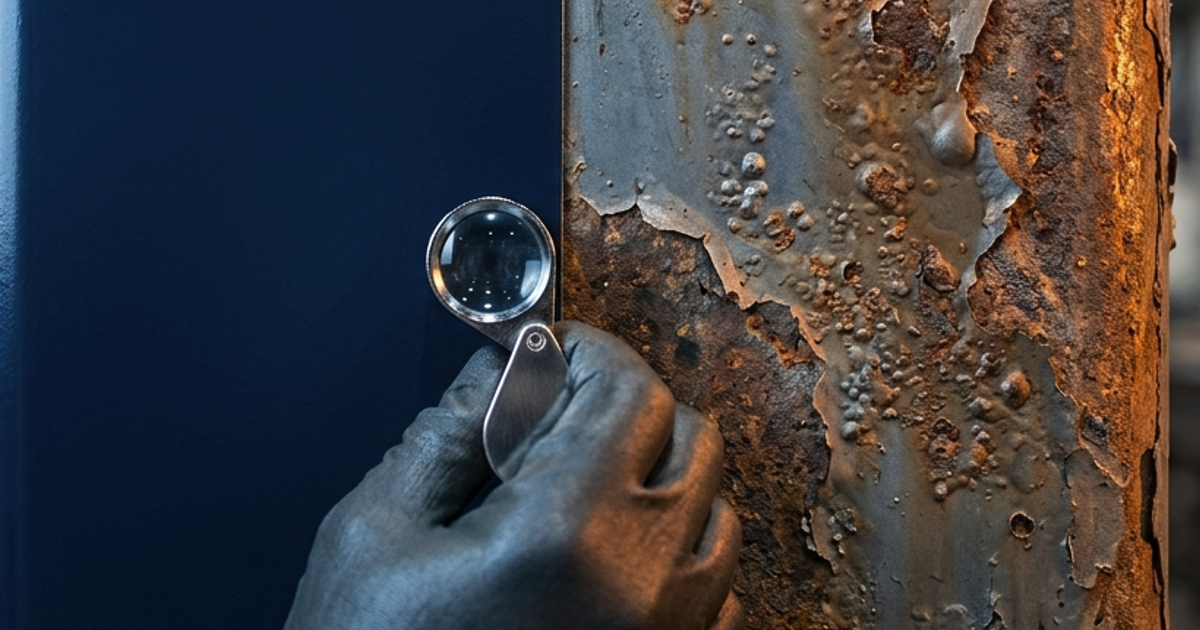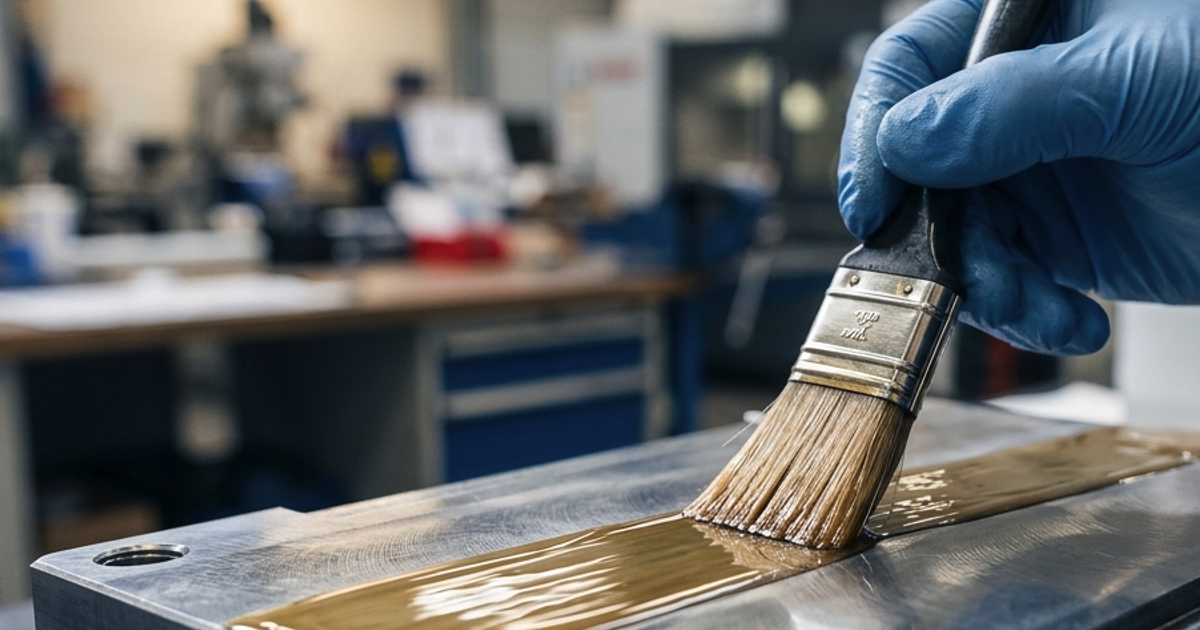




One of the most frustrating experiences in any coating project is watching a finish fail and not knowing why. Is the coating itself to blame? Was the surface improperly prepared? Did moisture get involved? When something goes wrong, the instinct is often to point at the product, but experienced contractors and applicators know that the real culprit is just as often hiding beneath the surface. Knowing how to correctly identify whether you are dealing with a coating problem or a substrate problem is a critical skill — one that saves time, money, and materials on every project.
At INSECO, we have spent nearly three decades helping professionals and property owners diagnose application issues with precision. Our technical support team fields questions every day from applicators who are unsure where a problem originates. This guide is designed to help you develop a sharper eye so you can make the right call before you spend time stripping, sanding, or recoating something that may not need it.
Understanding the Difference Between the Two Problem Types
Before you can solve a coating problem, you need to understand what actually qualifies as one. A coating problem refers to an issue that originates in the product itself or in how it was applied. A substrate problem refers to an issue that originates in the surface the coating was applied to, regardless of how well the product was applied.
The challenge is that both types of problems often produce similar visual symptoms. Peeling, bubbling, discoloration, and adhesion loss can all stem from either source — or from both working together. This is why surface investigation, not surface assumption, must be your first step.
Common Symptoms and What They May Indicate
Certain visual clues can help point you in the right direction. Recognizing these patterns is the first step toward accurate diagnosis.
- Peeling from the substrate up: This typically suggests a substrate issue, such as moisture trapped beneath the coating, inadequate surface preparation, or contamination that prevented adhesion from forming correctly.
- Peeling between coats: This is more often a coating application issue, such as exceeding the recoat window, applying over a coat that was not fully cured, or failing to address intercoat contamination.
- Bubbling across the entire surface: Widespread bubbling often points to outgassing from the substrate, particularly with green or freshly treated wood and porous concrete that was not fully dry.
- Bubbling in isolated patches: Localized bubbling can indicate spots where the substrate had a void, a stain, or a contaminant that was not identified before application.
- Discoloration or graying under a clear coat: This is almost always a substrate issue, typically mold, mildew, tannin bleed, or trapped moisture reacting with the coating from below.
- Soft or tacky finish: If curing conditions were appropriate, a persistently soft finish may indicate contamination on the substrate that inhibited cure, such as oil, wax, or cleaning residues.
- Uneven sheen or gloss variation: Inconsistent porosity in the substrate is often responsible for sheen variation, particularly on natural wood, concrete, and stone surfaces that were not uniformly prepared.
How to Investigate a Substrate Problem
If your visual assessment suggests the substrate may be the source of trouble, a more thorough investigation is warranted before any corrective action is taken. Rushing to recoat without identifying the root cause is one of the most common ways applicators compound a problem.
Conduct a Moisture Assessment
Moisture is the single most common substrate-related cause of coating failure. Wood that exceeds recommended moisture content, concrete that has not fully cured, and masonry that absorbs water from below can all prevent a coating from adhering properly or curing as expected. Before attributing any failure to the product, use a reliable moisture meter to assess the substrate. INSECO technical data sheets include recommended moisture thresholds for each product family, and exceeding those thresholds is a clear indicator of a substrate problem, not a product failure.
Test for Residual Contamination
Invisible contamination is one of the most misdiagnosed causes of coating failure. Substrates that appear clean to the naked eye may still carry residues from cleaning agents, previous sealers, oils, mold treatments, or even atmospheric deposits. A simple water bead test can reveal whether a surface has repellent contamination. If water beads rather than absorbs into the substrate, the surface needs further preparation before any coating is applied. This test should be performed before every application, not after a failure occurs.
Examine the Substrate for Structural Issues
Cracking, spalling, delamination, and soft spots in the substrate can all undermine coating performance in ways that no product can compensate for. A coating applied over a substrate that is structurally compromised will fail at the substrate level, not the coating level. If the substrate moves, shifts, or deteriorates after coating, the film will follow. This is especially important for concrete and masonry surfaces, where surface hardness and density vary significantly depending on mix quality, age, and environmental exposure.
How to Investigate a Coating Application Problem
If your investigation rules out substrate issues, attention should shift to the application process itself. Even the highest quality specialty coating can underperform when applied incorrectly, under the wrong conditions, or with incompatible materials.
Review Application Conditions at the Time of Installation
Temperature, humidity, dew point, and sun exposure at the time of application all play a role in how a coating behaves during and after application. INSECO products are formulated to perform within specific environmental windows, and applications that occur outside those windows may result in adhesion loss, improper cure, or surface defects that appear days or even weeks later. If you cannot confirm that conditions were within specification at the time of application, this is a critical variable to eliminate before assuming the product itself is at fault.
Assess Coverage Rate and Film Build
Applying too much product at once is a surprisingly common cause of failure that gets misdiagnosed as a product defect. Excessive film thickness traps solvents and moisture, slows cure, and in some cases prevents the coating from bonding properly to itself between coats. Conversely, applying too little product leaves the substrate underprotected and may result in premature wear that looks like a coating failure but is actually a coverage failure. Reviewing the measured coverage rate against the product data sheet recommendation is a fast and effective way to identify whether application volume contributed to the problem.
Evaluate the Applicator and Method Used
The tool used to apply a coating matters more than many applicators realize. Rollers with incompatible nap thickness, low-quality brushes that introduce air, and spray equipment that is not properly calibrated can all introduce defects that are mistaken for product problems. INSECO technical support can help you evaluate whether your chosen application method was appropriate for the product and substrate in question.
When the Problem Is Both: Substrate and Coating Together
In many real-world failures, the substrate and the application method both contribute to the outcome. A substrate that was borderline acceptable combined with an application that was slightly outside the recommended window can produce a failure that neither factor alone would have caused. This is why INSECO has always emphasized comprehensive pre-application planning rather than reactive troubleshooting.
When both factors are involved, the corrective approach must address both. Recoating over a substrate that has not been corrected will reproduce the same failure. Correcting the substrate without reviewing the application process may eliminate the root cause but introduce new problems. The most durable path forward is always a full reset: proper substrate preparation followed by a confirmed, controlled application under appropriate conditions.
Reaching Out to INSECO Technical Support
INSECO was built on the principle that product performance is a partnership between the manufacturer and the applicator. Our technical support team is available to help you work through any diagnosis, whether you are in the middle of a project or trying to understand why a past application did not perform as expected. When you contact us, having photographs of the failure, notes on the substrate condition and preparation steps, and a record of the application conditions will allow our team to provide faster and more accurate guidance.
Knowing the difference between a coating problem and a substrate problem is not just a diagnostic skill — it is a professional discipline that separates experienced applicators from those who repeat the same mistakes on every project. With the right investigative approach and the support of INSECO's technical resources, you can resolve problems with confidence and prevent them from recurring.