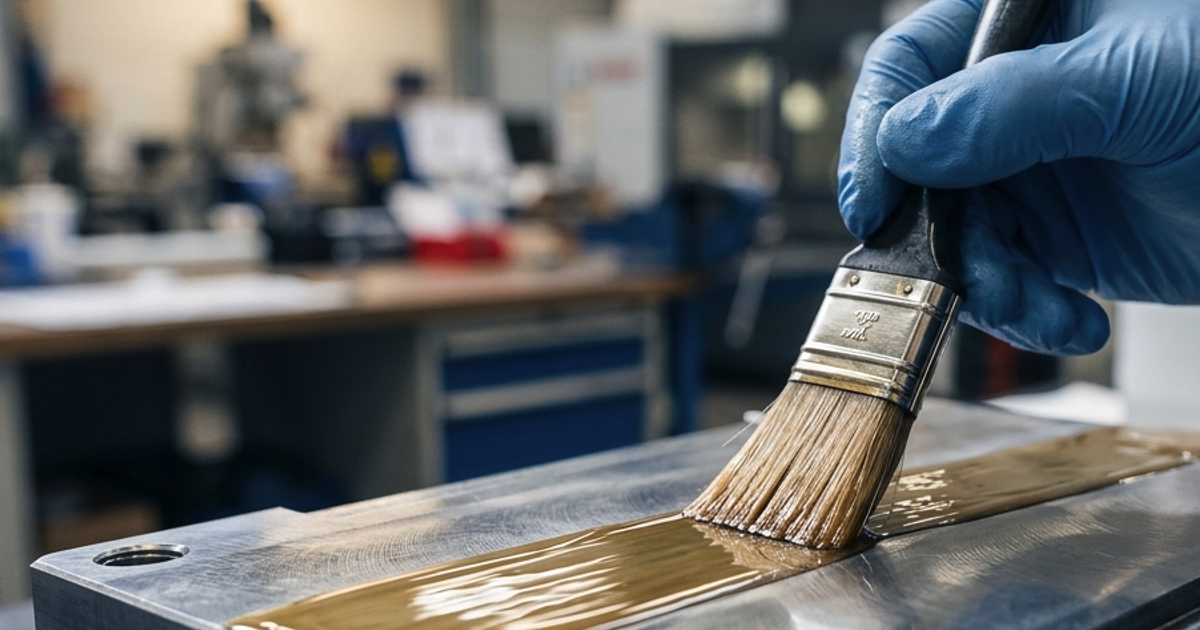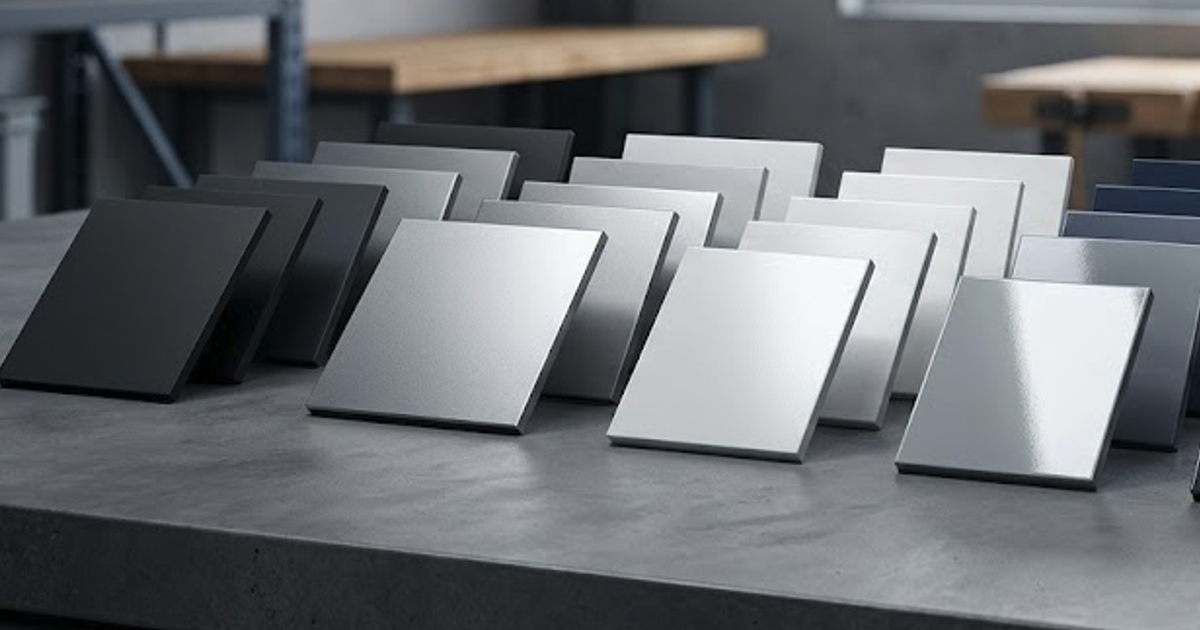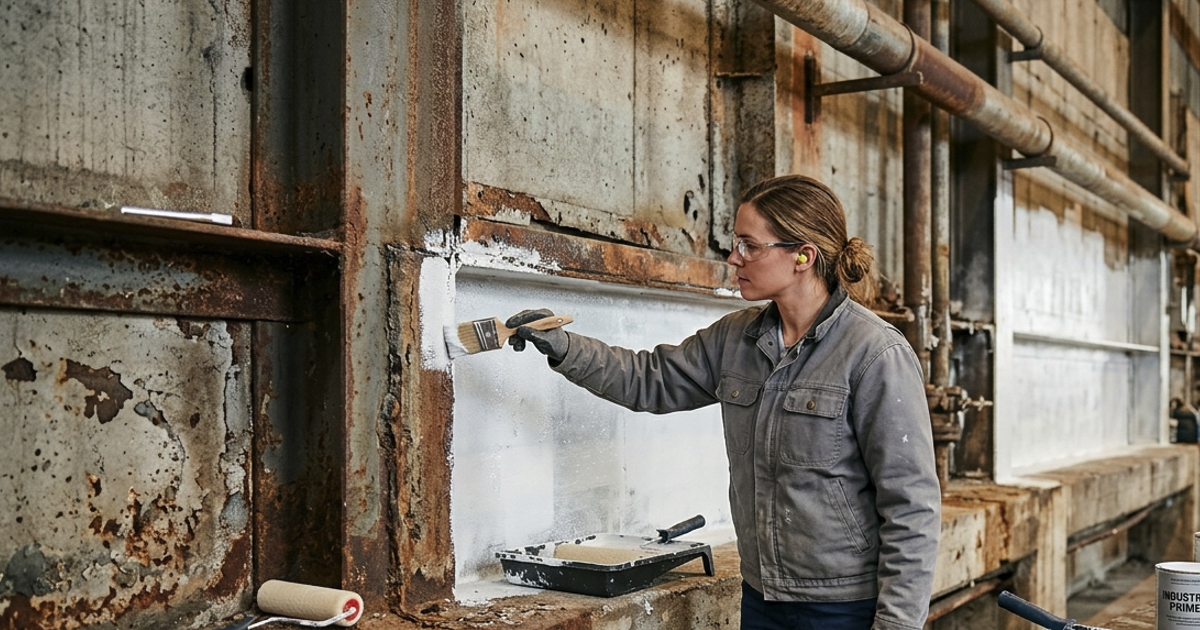



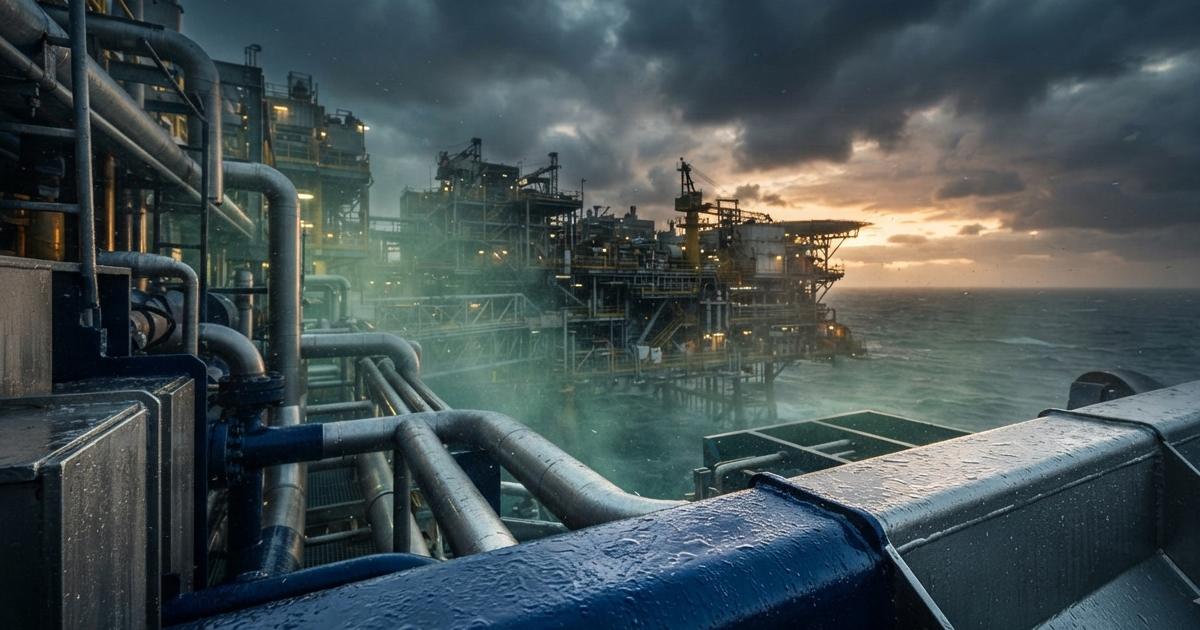

Selecting the right coating for your project goes far beyond choosing a finish or a color. One of the most critical and frequently misunderstood steps in the selection process is understanding environmental exposure ratings and what they mean for long-term coating performance. At INSECO, we believe that informed applicators get better results, and helping you understand how environmental exposure classifications work is a cornerstone of our technical support philosophy.
Whether you are sealing a hardwood deck in the Pacific Northwest, a brick paver driveway in South Florida, or a natural stone entryway in the desert Southwest, the environment your coating will face has a direct impact on which INSECO product will deliver the performance you expect. This guide will walk you through what environmental exposure ratings are, how to read them, and how to apply that knowledge when selecting from the INSECO product line.
What Are Environmental Exposure Ratings and Why Do They Matter?
Environmental exposure ratings are classifications used to describe the intensity and type of environmental stress a coated surface will experience over its service life. These ratings take into account a range of factors including UV radiation, moisture exposure, temperature cycling, chemical contact, and foot or vehicle traffic. They serve as a guide to help specifiers, contractors, and property owners match the correct coating system to the conditions a surface will realistically face.
When INSECO formulates and tests a specialty coating product, performance benchmarks are established under controlled and simulated environmental conditions. These benchmarks translate into practical guidance on where and how each product should be used. Ignoring these ratings is one of the leading causes of premature coating failure, not because the product is inferior, but because it was placed in conditions it was never designed to handle.
The Core Variables That Define Exposure Ratings
Understanding the individual variables that contribute to an exposure rating will help you make smarter decisions from the start. The most commonly evaluated factors include the following:
- UV Exposure: Ultraviolet radiation from sunlight is one of the most aggressive forces acting on any exterior coating. High UV environments such as high-altitude regions, southern coastal zones, and open desert areas demand coatings with advanced UV stabilizers and fade-resistant chemistry.
- Moisture and Humidity: Surfaces exposed to frequent rain, standing water, sprinkler contact, or high ambient humidity require coatings with strong moisture vapor resistance and proven water repellency.
- Temperature Extremes and Cycling: Freeze-thaw cycles, high summer heat, and sudden temperature changes cause substrates to expand and contract. Coatings must be flexible enough to move with the substrate without cracking or delaminating.
- Chemical Exposure: Pool deck areas, driveways, and commercial surfaces may face chlorine, fertilizers, deicing salts, oils, or cleaning agents. Each of these can degrade coatings not formulated to resist chemical attack.
- Foot Traffic and Mechanical Wear: Horizontal surfaces in high-use areas need coatings with greater film hardness and abrasion resistance compared to vertical or decorative surfaces with minimal contact.
How INSECO Products Are Rated and Categorized for Environmental Use
INSECO designs each product with specific environmental performance targets in mind. These targets are reflected in the product's technical data sheet, which outlines recommended use conditions, application limitations, and expected service life under defined exposure levels. Reading these documents carefully before selecting a product is one of the most important steps any applicator can take.
INSECO flagship products like WOOD Rx, for example, are formulated to handle a broad range of exterior wood environments. But even within that category, understanding whether your project faces moderate, severe, or extreme exposure will determine how the product should be applied, how many coats are needed, and how frequently the surface should be inspected and maintained.
Moderate Exposure Environments
Moderate exposure environments include covered or semi-covered surfaces, interior applications with indirect outdoor influence, and exterior surfaces in mild climate zones with limited direct sun and manageable moisture levels. In these conditions, a single-coat application following proper surface preparation will generally deliver reliable long-term performance. Recoat intervals can be extended, and maintenance demands are lower.
Severe Exposure Environments
Severe exposure environments include fully exposed exterior horizontal surfaces, areas with frequent water contact, climates with significant seasonal variation, and locations with strong UV indexes. In these settings, additional coats, enhanced surface preparation, and more frequent maintenance inspections are warranted. INSECO technical staff routinely recommend specific application protocols for severe exposure projects to ensure the system is built for the conditions it will face.
Extreme Exposure Environments
Extreme exposure includes environments such as beachfront properties with constant salt air and wind-driven moisture, pool surrounds with chemical splash, commercial driveways with heavy vehicle loads and deicing salt contact, and high-altitude installations with intense solar radiation. In these cases, selecting the right product is only one part of the equation. The entire system, including surface preparation depth, primer selection, coat count, and maintenance schedule, must be engineered to the exposure level. INSECO's technical assistance team is specifically equipped to help contractors and property owners build these systems correctly from the ground up.
Practical Steps for Using Exposure Ratings in Your Product Selection Process
Applying environmental exposure knowledge to your INSECO product selection does not have to be a complicated process. By following a structured approach, you can consistently match the right product to the right environment without guesswork.
Step One: Assess the Site Before You Specify
Before opening any product catalog or data sheet, spend time evaluating the actual site conditions. Observe sun angle and daily sun exposure duration. Note whether water drains properly or pools on the surface. Identify nearby sources of chemical contamination. Determine the substrate type and its existing condition. This site assessment is the foundation of every sound coating decision.
Step Two: Consult the INSECO Technical Data Sheet
Once you have a clear picture of the environmental conditions, pull the technical data sheet for any INSECO product you are considering. Look specifically at the recommended exposure classifications, application temperature ranges, and any notes on substrate compatibility. The data sheet is not just a formality. It is a performance contract between you and the product.
Step Three: Contact INSECO Technical Support
INSECO's comprehensive technical assistance is one of the defining features of the brand. When you have questions that go beyond what a data sheet can answer, reaching out to the INSECO technical team gives you access to decades of real-world application experience. Whether you are working on a residential deck or a large commercial stone plaza, personalized guidance is available to help you get the system right before the first drop of product is applied.
Understanding environmental exposure ratings is not an advanced topic reserved for engineers and coating specialists. It is practical, accessible knowledge that any professional applicator or informed homeowner can use to make better decisions. When you take the time to evaluate your environment, read INSECO documentation carefully, and leverage the technical support that is available to you, you significantly increase the likelihood of a coating system that performs beautifully for years to come.