


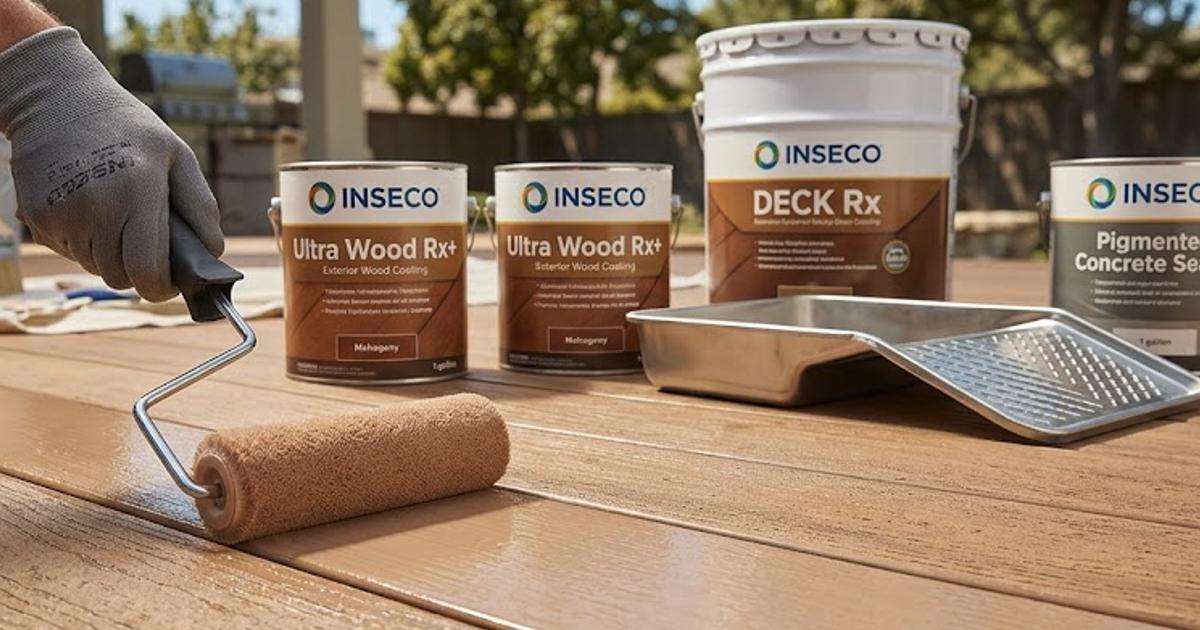

Warm weather application introduces one of the most frustrating and common issues in coating performance early dry edge When coatings begin to dry faster than they can be properly blended it creates visible lap marks uneven texture and inconsistent sheen across the surface This problem becomes more pronounced in late spring and early summer conditions where rising temperatures and direct sunlight accelerate evaporation rates
Understanding how to control dry edge formation is critical to maintaining a smooth uniform finish especially on large or highly visible surfaces where inconsistencies are immediately noticeable
What Causes Early Dry Edge Formation
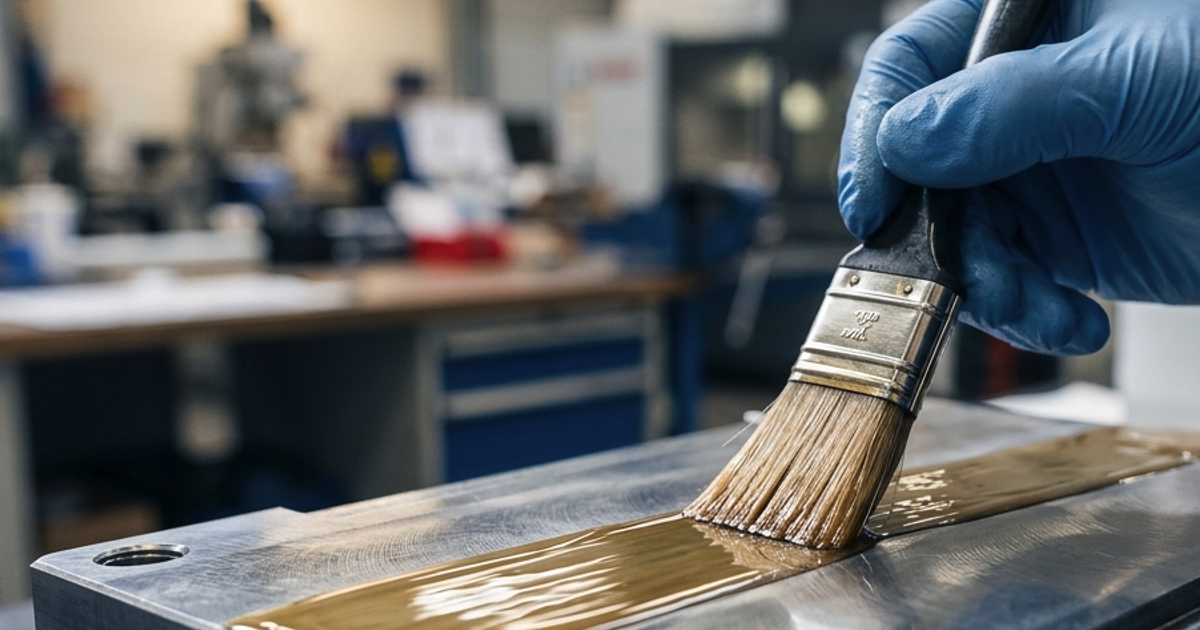
Dry edge occurs when the leading edge of applied coating begins to set before the next pass can properly overlap and blend into it Once this happens the new material cannot level into the previous section creating visible transitions
Primary contributing factors include:
- Elevated surface temperatures from direct sunlight
- Low humidity combined with high airflow
- Overextended working areas without proper sectioning
- Applying material too thin in warm conditions
- Delays between passes during application
Why It Becomes a Bigger Problem with Specialty Coatings
INSECO specialty coatings are engineered for performance which means they rely on precise application conditions to achieve optimal leveling and adhesion When environmental factors speed up drying these coatings can lose their ability to self level properly
This often leads to:
- Visible lap lines across large surfaces
- Inconsistent gloss or sheen variations
- Reduced aesthetic quality despite proper product selection
- Increased need for rework or corrective coats
Controlling Your Working Area for Better Results
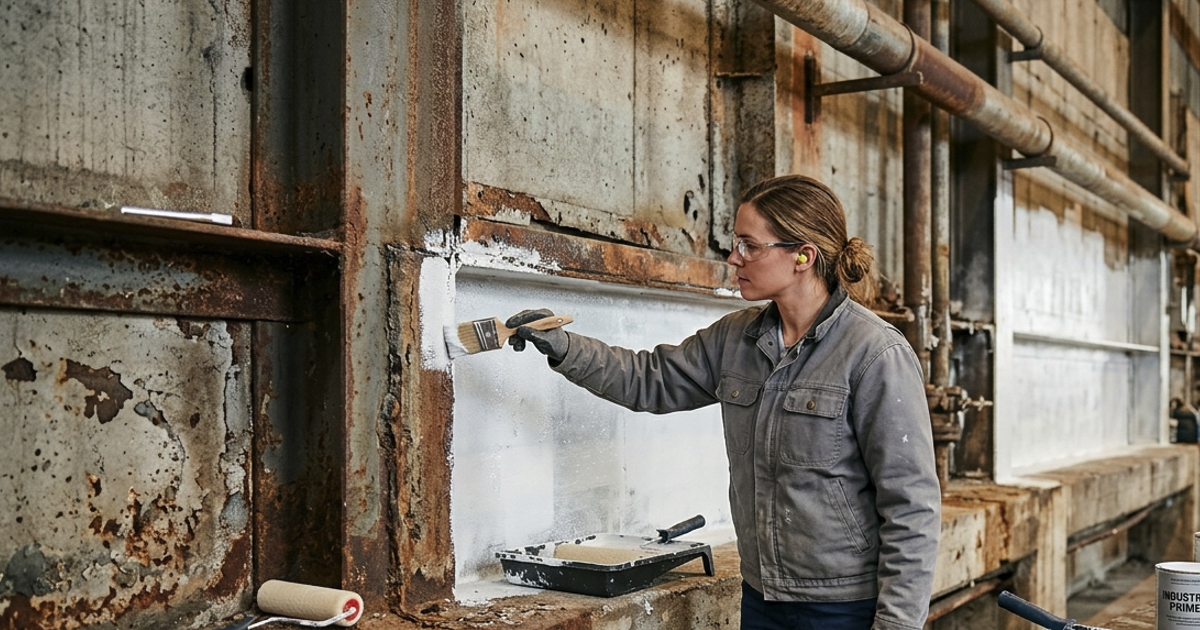
One of the most effective ways to prevent dry edge issues is to control the size of your working area Trying to cover too much surface at once increases the likelihood that material will begin setting before it can be blended
Best practices include:
- Breaking surfaces into smaller manageable sections
- Maintaining a consistent application pace
- Planning overlaps intentionally rather than reactively
- Keeping a wet edge active at all times
Adjusting Technique to Match Conditions
Application technique must adapt to environmental conditions especially as temperatures rise What works in cooler conditions may fail quickly in warm weather if not adjusted
To improve results:
- Apply slightly heavier coats within product specifications to extend open time
- Use applicators that allow for faster and more even distribution
- Minimize delays between passes
- Work in shaded areas whenever possible to reduce surface heat
Timing Your Application to Avoid Peak Heat
Even the best technique can be compromised if application timing is not aligned with environmental conditions Warm weather does not mean all hours of the day are equal
For best performance:
- Start early when temperatures and surface conditions are stable
- Avoid mid day application when surfaces are hottest
- Monitor surface temperature not just air temperature
- Plan completion before peak heat accelerates drying too quickly
Consistency Is the Key to a Flawless Finish
Preventing lap marks and dry edge issues is less about correcting mistakes and more about controlling variables before they create problems When application conditions technique and timing are aligned coatings are able to level properly and create a uniform professional finish
With INSECO INC products achieving that consistency comes down to understanding how environmental conditions interact with coating behavior and making real time adjustments that keep the application process controlled from start to finish