



Adhesion failures are often blamed on surface preparation steps that appear incomplete or rushed, but in many cases the real issue comes from residues that cannot be easily seen during inspection. Even when a surface looks clean and ready for coating, invisible contaminants such as fine dust films, cleaning solution residue, or environmental deposits can interfere with bonding performance. Recognizing and preventing these hidden issues helps ensure INSECO specialty coatings perform exactly as designed.
Understanding how invisible residue affects coating performance allows applicators to take simple preventative steps that protect adhesion strength and reduce the risk of callbacks or premature coating failure.
Why Invisible Residue Creates Unexpected Adhesion Risks
Many surfaces appear visually clean but still contain microscopic contamination that interrupts bonding at the substrate interface. These residues often come from normal jobsite activity and can develop between preparation and application stages without being noticed.
Common sources include:
- Fine airborne construction dust
- Residual cleaning agents left after washing
- Moisture film from humidity shifts
- Handling contamination from gloves or foot traffic
Even small amounts of residue can interfere with how coatings anchor to the surface.
Timing Between Cleaning and Application Matters More Than Expected
Surfaces that are properly cleaned can quickly become contaminated again if too much time passes before coating begins. Environmental exposure during this window allows new residue layers to form, especially on outdoor or high-traffic job sites.
To improve performance reliability:
- Apply coatings soon after final cleaning whenever possible
- Avoid unnecessary delays between preparation and application
- Protect prepared areas from traffic and airborne debris
- Reinspect surfaces if application schedules shift
Managing this timing window helps preserve the effectiveness of surface preparation efforts.
Choosing the Right Final Surface Inspection Approach
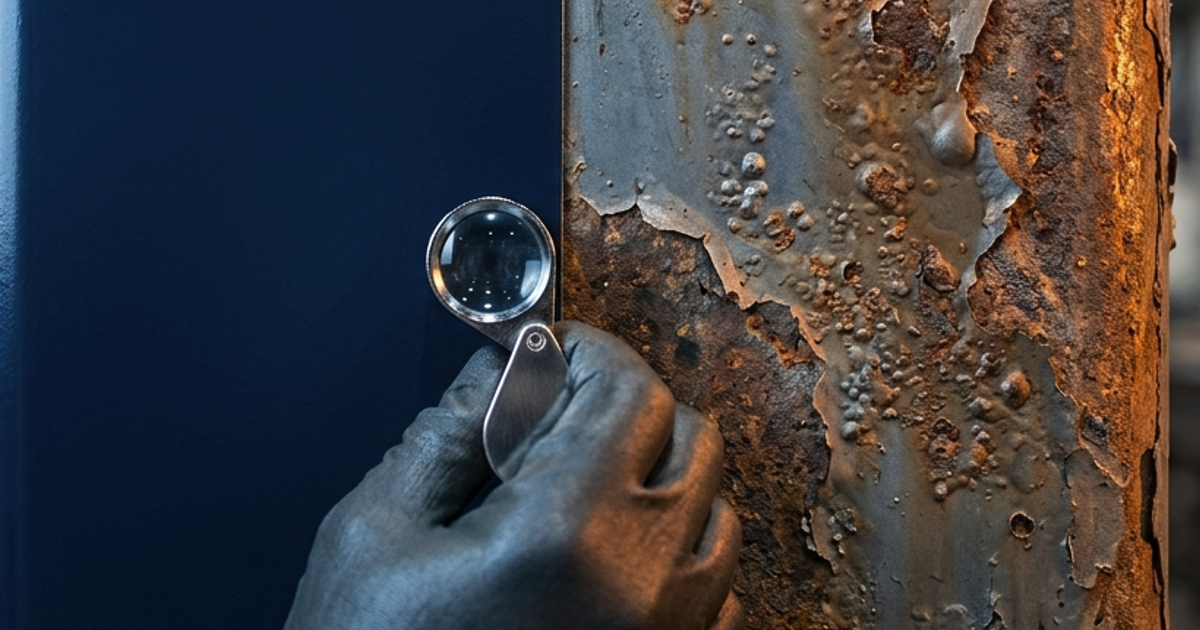
Visual inspection alone does not always reveal contamination that could affect adhesion. Incorporating simple inspection habits into the workflow improves consistency across projects.
Helpful practices include:
- Checking surfaces under angled lighting when possible
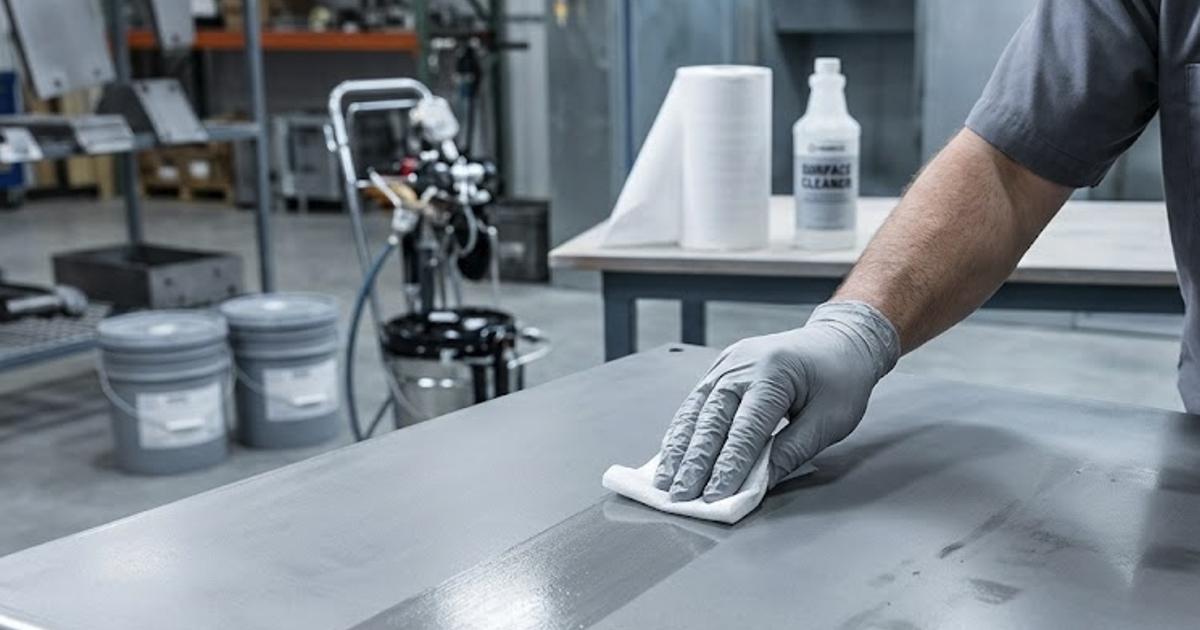
- Performing light wipe tests before coating begins
- Confirming dryness before application
- Reviewing environmental conditions before proceeding
These small steps often prevent issues that are difficult to correct later.
Environmental Conditions Can Reintroduce Residue Quickly
Humidity shifts, overnight exposure, and nearby jobsite activity can deposit contamination even after preparation is complete. Monitoring these conditions protects coating performance from unexpected interference.
Applicators benefit from:
- Watching humidity changes before application
- Avoiding coating during active nearby construction activity
- Protecting staged surfaces overnight when necessary
- Confirming surfaces remain ready immediately before coating begins
Environmental awareness strengthens adhesion reliability across varying jobsite conditions.
Small Preventative Habits Lead to Stronger Long-Term Performance
Invisible residue problems rarely result from major preparation mistakes. Instead, they usually develop from small oversights that occur between cleaning and application. Maintaining disciplined inspection habits and minimizing exposure between preparation and coating helps ensure INSECO specialty coatings achieve their intended bond strength and durability.
By recognizing that surfaces can appear clean while still carrying contamination risks, applicators can make small workflow adjustments that produce more predictable results and longer-lasting coating performance across a wide range of projects.