


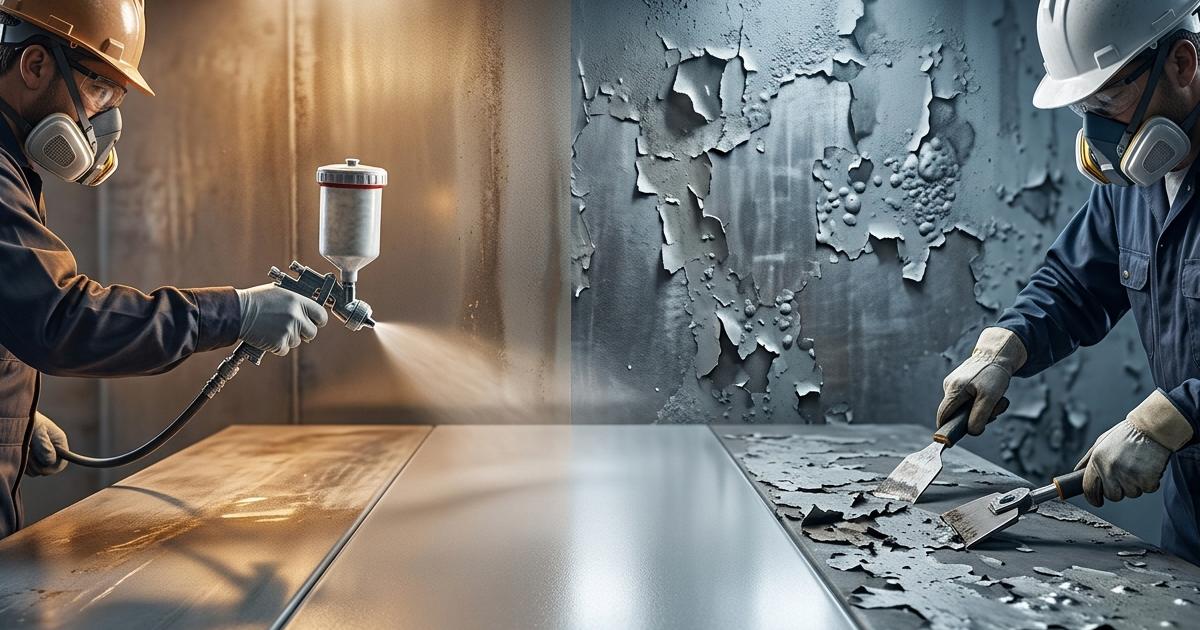

One of the most common questions INSECO receives from contractors, property managers, and homeowners alike is deceptively simple: should I recoat, or do I need to strip everything down and start fresh? It sounds like a straightforward decision, but getting it wrong can cost you significant time, money, and materials. Applying a fresh coat over a failing surface is one of the most preventable mistakes in the coatings industry, and it is a mistake that shows up faster than most people expect.
At INSECO, our technical team has spent decades helping customers navigate exactly this kind of decision. Whether you are maintaining a deck sealed with WOOD Rx, a concrete patio, or a natural stone surface, understanding when a surface is still viable for recoating versus when it requires a complete removal is essential knowledge for anyone serious about long-term coating performance.
Understanding the Condition of Your Existing Coating
Before you open a single container of product, the first step is always a thorough visual and physical assessment of the surface you are working with. Not all coating wear looks the same, and the type of deterioration you are seeing will tell you a great deal about what needs to happen next.
Signs That Recoating Is Appropriate
Recoating is a viable path when the existing coating is still fundamentally bonded to the substrate and has simply experienced normal surface-level wear. If you are seeing any of the following conditions, recoating after proper cleaning and preparation is likely your best course of action:
- Light surface fading or dulling of sheen without visible cracking or delamination
- Minor scuffs, surface scratches, or light weathering in low-traffic zones
- Uniform thinning of the coating where the surface is dry to the touch and adhered
- Surfaces where a simple cross-cut adhesion test confirms the existing film is still bonded
- Areas where previous product application was consistent and within manufacturer specifications
When recoating is appropriate, INSECO always recommends a thorough cleaning of the surface, light mechanical abrasion where applicable, and confirmation that the surface is completely dry before proceeding. Skipping any of these steps, even when the coating appears sound, can introduce adhesion failures in the new application.
Signs That Stripping and Starting Over Is Required
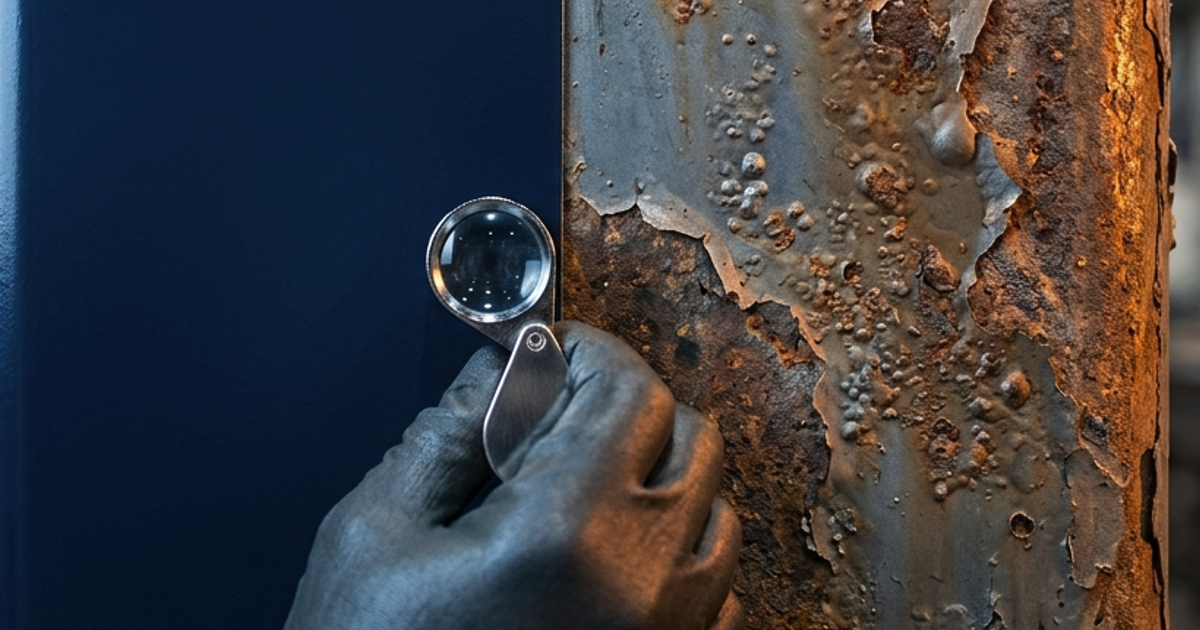
There are situations where recoating is not only ineffective but actively harmful. Applying new product over a compromised film traps moisture, prevents proper adhesion, and accelerates the failure of the new coating. Look for these indicators that a full strip-and-restart is necessary:
- Widespread peeling, flaking, or delamination across any significant portion of the surface
- Bubbling or blistering that suggests moisture is trapped beneath the existing film
- Chalking that goes beyond surface fading and has penetrated the coating layer
- Previous coatings from unknown manufacturers or incompatible chemistry that may resist adhesion
- Visible mold, mildew, or biological growth that has penetrated the coating into the substrate
- Significant cracking or alligatoring that indicates the film has lost flexibility entirely
- Areas where adhesion testing shows clear failure, with the coating lifting cleanly in sheets
When these conditions are present, no amount of cleaning or surface preparation will salvage the existing coating as a viable base. The substrate itself must be fully exposed before any new product is applied.
How to Perform a Simple Field Adhesion Test
If you are uncertain whether your existing coating is still bonded well enough to support recoating, a basic adhesion test can provide meaningful guidance without requiring laboratory equipment. INSECO recommends the following field assessment process for wood, concrete, and stone surfaces.
The Tape Pull Test
Using a sharp blade, score an X pattern through the existing coating down to the substrate. Apply a piece of high-quality adhesive tape firmly over the scored area, press it flat with your fingernail to ensure full contact, and then pull it away sharply at a 90-degree angle. If the coating lifts with the tape in any meaningful quantity, adhesion has already deteriorated to a point where recoating will not hold. If the tape comes away clean or with only minimal dust, the existing film is still adequately bonded.
The Moisture Resistance Check
For wood surfaces specifically, splash a small amount of water onto the existing coating in several locations. If the water beads cleanly and sits on the surface without absorbing, the coating is still providing protection. If the water absorbs into the wood within a few minutes, the coating has been compromised and recoating after thorough cleaning is likely appropriate. If the water causes the coating to soften, wrinkle, or blister even slightly, you are dealing with a failing film that must be removed before any new application.
Stripping: What It Actually Involves and Why It Matters
Many applicators underestimate the commitment involved in a proper strip-down. Stripping an existing coating is not simply about removing what is visible on the surface. It is about returning the substrate to a clean, profiled, contamination-free condition that allows the new coating to bond at the molecular level.
Mechanical vs. Chemical Removal
For most wood surfaces, mechanical removal using sanding, scraping, or pressure washing at appropriate pressures is the preferred method. Chemical strippers can be effective but must be selected carefully to avoid leaving residues that interfere with new coating adhesion. INSECO strongly recommends consulting our technical team before using any chemical stripping product, particularly on hardwoods or porous stone surfaces where chemical penetration may create long-term compatibility issues.
Confirming the Surface Is Ready After Stripping
After stripping, the surface must be allowed to dry completely before any new coating is applied. On wood substrates, moisture content should be confirmed with a calibrated moisture meter and must fall within the acceptable range specified in the relevant INSECO product data sheet. On concrete and masonry surfaces, a full cure of any repaired areas must be achieved before coating proceeds.
Once drying is confirmed, re-examine the surface for any residual contamination, including oils, salts, or chemical residue from stripping agents. A clean, profiled, dry surface is the only acceptable starting point for a successful new application of any INSECO product.
Making the Right Call the First Time
The decision to recoat versus strip and restart is ultimately a risk management decision. Choosing to recoat when stripping is actually required saves time in the short term but guarantees a premature failure that will cost far more to correct later. Choosing to strip when recoating would have been sufficient adds unnecessary labor and expense to a project that did not require it.
INSECO's technical assistance team is available to help you evaluate your specific situation, review photos of existing surface conditions, and recommend the appropriate course of action for your project. With over 25 years of specialty coatings experience and a product line built for real-world performance, INSECO is the partner you want in your corner before a decision like this is made.
When in doubt, reach out. The right call made early is always less expensive than the wrong call discovered late.