


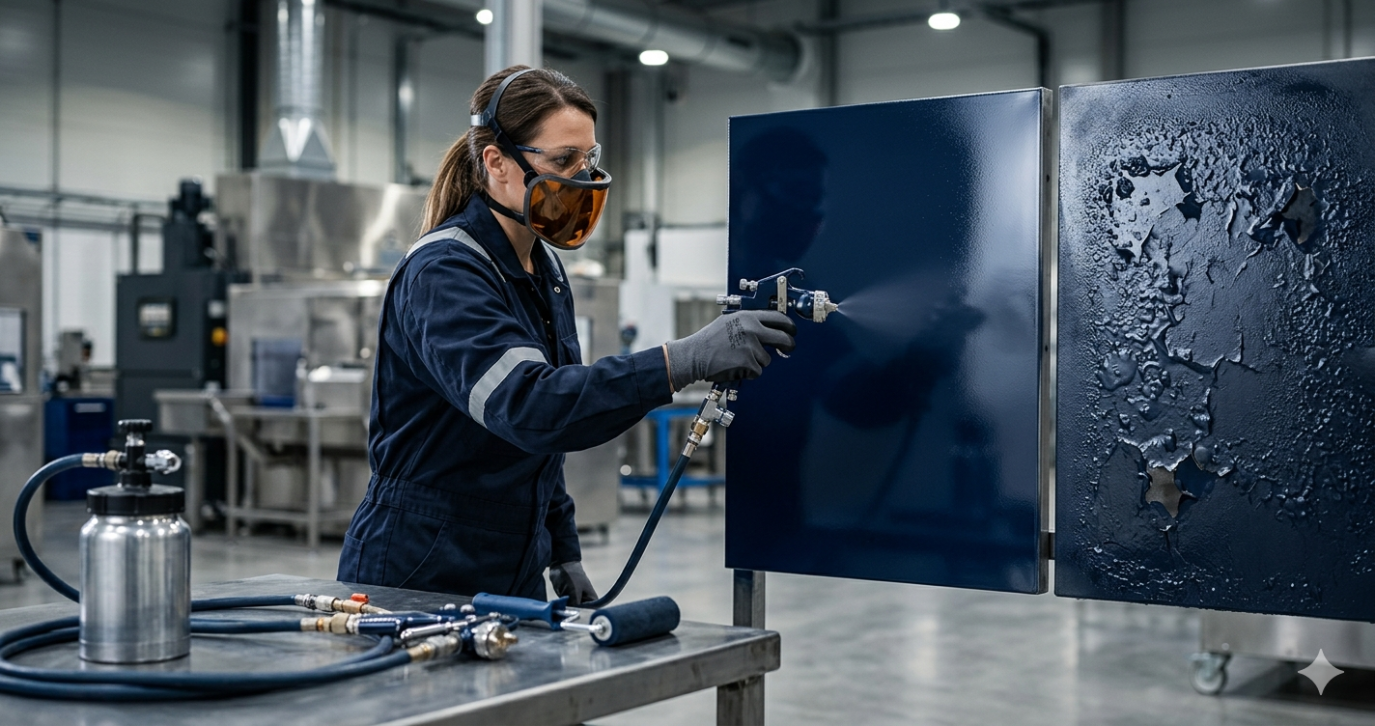

One of the most frustrating problems any contractor or applicator can face is discovering that a newly applied coating is not performing as expected — not because of poor technique or bad weather, but because of a hidden compatibility issue between coating layers or between the coating and the substrate. Coating compatibility is a topic that is often overlooked until a failure has already occurred, and by then, the cost in time, labor, and materials can be significant.
Understanding how to recognize compatibility problems before they escalate — and how to address them when they do — is an essential part of working with any professional-grade specialty coating system, including those offered by INSECO. This guide will walk you through the most common signs of compatibility issues, what causes them, and how to take corrective action with confidence.
What Coating Compatibility Really Means
Coating compatibility refers to the ability of one coating product to bond properly and perform as intended when applied over another coating or directly to a particular substrate. When two coatings or a coating and a substrate are incompatible, the result is almost always some form of failure — whether that shows up as delamination, lifting, wrinkling, discoloration, or loss of adhesion.
Compatibility problems can occur in several different scenarios:
- Applying a new topcoat over an existing coating that has not been properly identified or tested
- Using a primer from one product line under a topcoat from a different chemistry family
- Applying a coating over a substrate that contains residual chemicals, sealers, or release agents
- Combining coatings within the same system in the wrong sequence or without proper intercoat adhesion testing
- Using coatings that are chemically reactive with one another, such as applying a solvent-based product over a fresh waterborne film
Each of these scenarios presents a different set of challenges, and recognizing which one you are dealing with early in the process can save a project from serious setbacks.
Why Chemistry Matters More Than Brand
A common misconception is that staying within one brand guarantees compatibility. While using products from the same manufacturer — such as INSECO — significantly reduces risk and is generally recommended, compatibility is ultimately about chemistry. Even within a single product line, certain coatings are formulated for specific substrates or use cases and may not be suitable for use over every primer or intermediate coat.
Always consult the technical data sheet for each product before combining coating layers. INSECO provides detailed documentation for every product in its specialty coatings portfolio, including recommended systems, intercoat timing windows, and substrate requirements. These resources exist precisely to prevent compatibility failures before they happen.
Common Signs of a Coating Compatibility Problem
Recognizing a compatibility issue early is critical. Many of these problems begin to show within hours of application, while others may not surface until days or weeks later after exposure to heat, moisture, or UV light. Knowing what to look for allows you to intervene before the problem becomes irreversible.
Lifting and Wrinkling
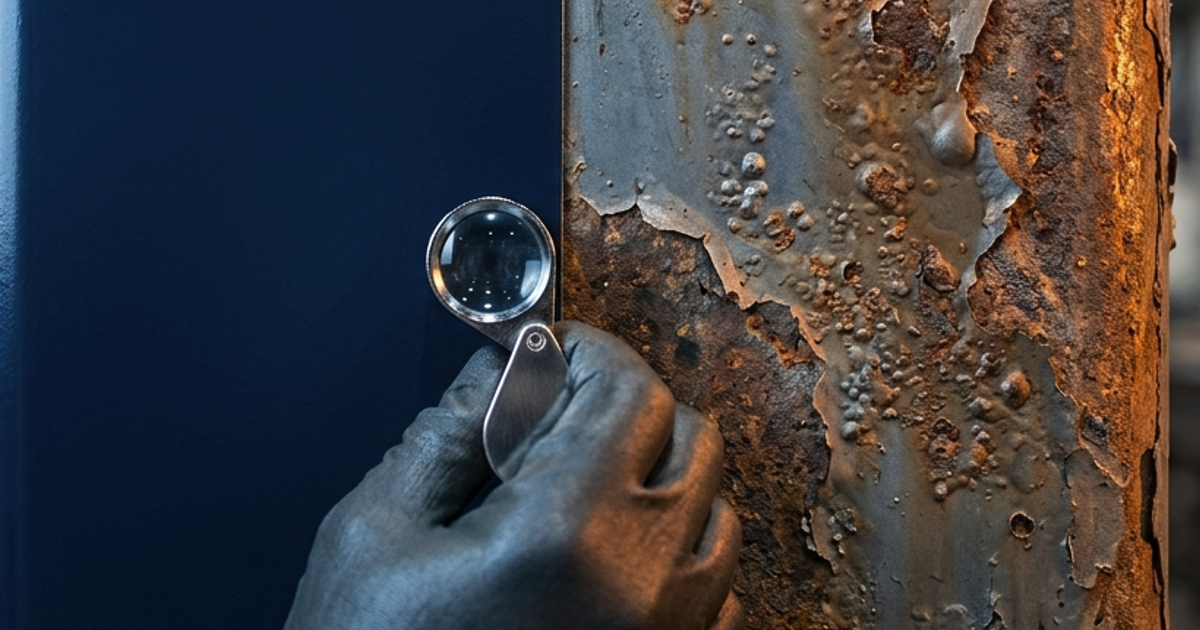
One of the most visually obvious signs of a compatibility problem is lifting or wrinkling of the freshly applied topcoat. This occurs when the solvents in the new coating attack or soften the layer beneath it, causing the underlying film to swell and buckle. This is especially common when a strong solvent-based product is applied over an insufficiently cured or incompatible waterborne base coat.
If you notice the surface starting to wrinkle shortly after application, stop work immediately. Continuing to apply material over a wrinkling surface will only deepen the problem. Allow the affected area to fully cure, then assess whether the underlying layer needs to be fully removed before recoating.
Delamination and Peeling
Delamination — where one layer separates from another — is a classic sign of intercoat adhesion failure. This can result from incompatible chemistries, but it is also frequently caused by surface contamination or applying a topcoat outside the acceptable recoat window. If the previous coat has become too hard and glossy before the next layer is applied, mechanical adhesion is compromised regardless of chemical compatibility.
When peeling occurs at the interface between two specific layers, that interface is the focus of your investigation. Identifying exactly which layers are separating will help you determine whether the issue is chemical, mechanical, or substrate-related.
Discoloration and Bleed-Through
Some underlying coatings or substrates contain pigments, tannins, or chemicals that can migrate into a newly applied topcoat, causing staining or discoloration. This is particularly common over certain wood species, previously painted surfaces, or substrates treated with chemical curing compounds. A quality primer or barrier coat is often the solution, but the right primer must be selected based on the specific bleed-through risk present.
Soft or Tacky Film That Will Not Cure
If a coating remains soft, sticky, or tacky well beyond the expected dry time, this can sometimes indicate a chemical incompatibility with the layer beneath it. Certain coatings, when applied over substrates or previous films that contain plasticizers or reactive compounds, can experience interference with their crosslinking or film-forming processes, resulting in a film that never fully cures to its intended hardness.
How to Address Compatibility Problems When They Occur
Once a compatibility issue has been identified, the response depends on the severity and stage of the failure. In some cases, the problem can be corrected without full removal of the coating system. In others, stripping back to the substrate and starting fresh is the only reliable path forward.
Step One: Stop and Assess
The first action is always to stop applying additional material and thoroughly assess what is happening. Document the failure with photographs, note the products used, the application sequence, the environmental conditions at the time of application, and any substrate treatments or prior coatings. This information will be essential when consulting with INSECO's technical support team or referencing product documentation.
Step Two: Test Before Recoating
Before proceeding with any corrective application, conduct a small test patch in an inconspicuous area. Apply the intended repair system to a limited area and allow it to cure fully before evaluating adhesion and film integrity. A simple cross-hatch adhesion test can reveal whether the proposed repair approach will hold under real conditions.
Step Three: Remove and Start Fresh When Necessary
In cases of severe delamination, wrinkling, or complete adhesion failure, the only effective long-term solution is to remove the incompatible coating layers entirely, prepare the substrate correctly, and begin the application process from scratch using a properly matched system. While this is never the preferred outcome, attempting to coat over a fundamentally failed system will only delay and amplify future failures.
Preventing Compatibility Issues from the Start
Prevention is always more cost-effective than remediation. Before beginning any project that involves layering coatings or working over an existing finish, take time to identify all materials that will be in contact with each other. Consult the technical data sheets and, when in doubt, reach out to INSECO directly for guidance on building a compatible, high-performing coating system tailored to your specific project conditions.
By treating coating compatibility as a fundamental part of project planning rather than an afterthought, you protect the quality of your work, the longevity of the coating system, and the satisfaction of the end client.