




One of the most common causes of coating performance issues is improper recoat timing. Applying a second coat too soon—or waiting too long—can affect adhesion, durability, and overall appearance. Even experienced applicators can run into problems when environmental conditions or surface behavior change unexpectedly during a project.
Understanding how recoat timing works with INSECO specialty coatings helps ensure each layer bonds correctly and performs as intended over the life of the system.
Why Recoat Timing Matters More Than It Appears
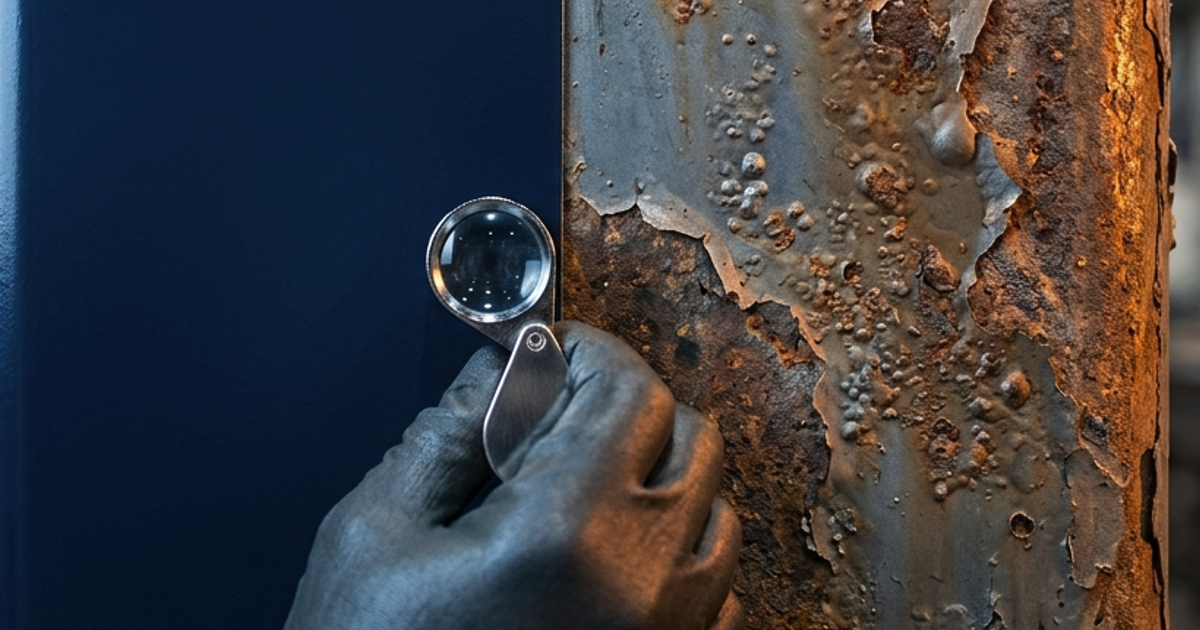
Every coating system has a recommended recoat window designed to support proper chemical bonding between layers. Applying outside that window can reduce intercoat adhesion and increase the risk of premature failure.
Common issues caused by incorrect recoat timing include:
- Reduced layer-to-layer bonding strength
- Surface wrinkling or lifting
- Gloss inconsistencies between coats
- Uneven film development
- Long-term durability concerns
Following proper timing recommendations helps coatings function as a unified protective system rather than separate layers.
Signs the Surface Is Ready for the Next Coat
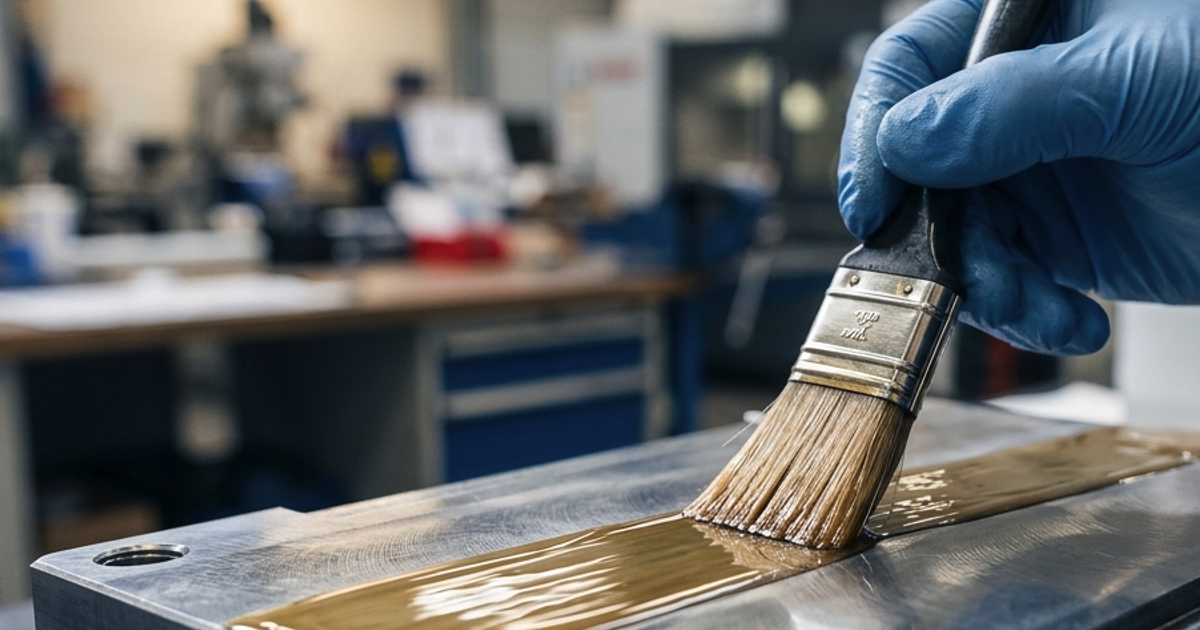
Instead of relying only on the clock, experienced applicators evaluate surface condition before applying additional layers. Environmental factors such as humidity, temperature, and airflow can affect curing speed significantly.
Indicators that a surface may be ready for recoating include:
- The surface feels dry but not brittle
- No visible movement or soft spots remain
- Gloss levels appear stable across the coated area
- The coating resists light fingertip pressure without marking
Confirming readiness visually and physically improves consistency across larger projects.
Risks of Applying the Next Coat Too Soon
Recoating too early can trap solvents beneath the surface, interfering with curing and reducing long-term performance. These issues may not appear immediately but can develop later as coatings continue to settle.
Early recoating may lead to:
- Surface bubbling or soft layers
- Wrinkling during curing
- Reduced hardness development
- Premature wear in high-traffic areas
Avoiding these risks protects both the appearance and structural integrity of the coating system.
What Happens When You Wait Too Long Between Coats
Waiting beyond the recommended recoat window can also create challenges. When a surface fully cures before the next layer is applied, chemical bonding may weaken and mechanical bonding becomes more important.
To maintain performance when recoating later than planned:
- Lightly abrade the surface if required
- Remove dust before continuing application
- Confirm compatibility between coating layers
- Review manufacturer recommendations before proceeding
These steps help restore proper bonding conditions when delays occur.
Supporting Reliable Results with the Right Application Strategy
Successful coating performance depends on timing as much as material selection. Planning project sequences carefully and adjusting schedules based on real-world conditions helps maintain strong intercoat adhesion and consistent finishes.
With proper timing awareness—and support from experienced product specialists at INSECO INC.—contractors can apply specialty coatings with greater confidence, reduce application risks, and deliver results that perform reliably across demanding environments.