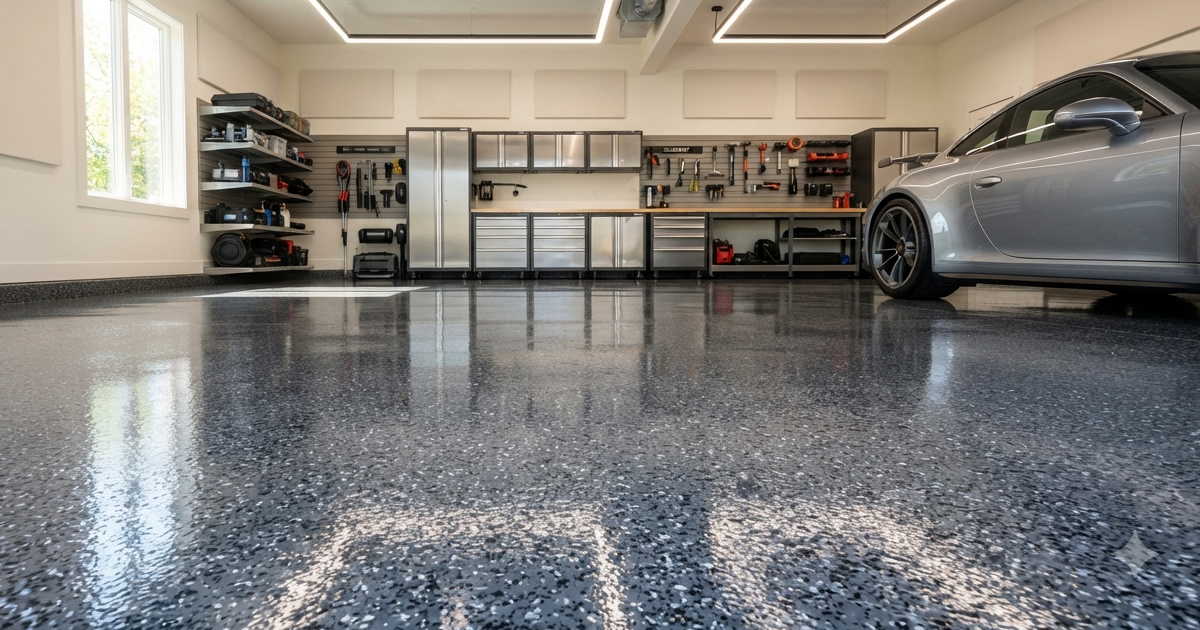



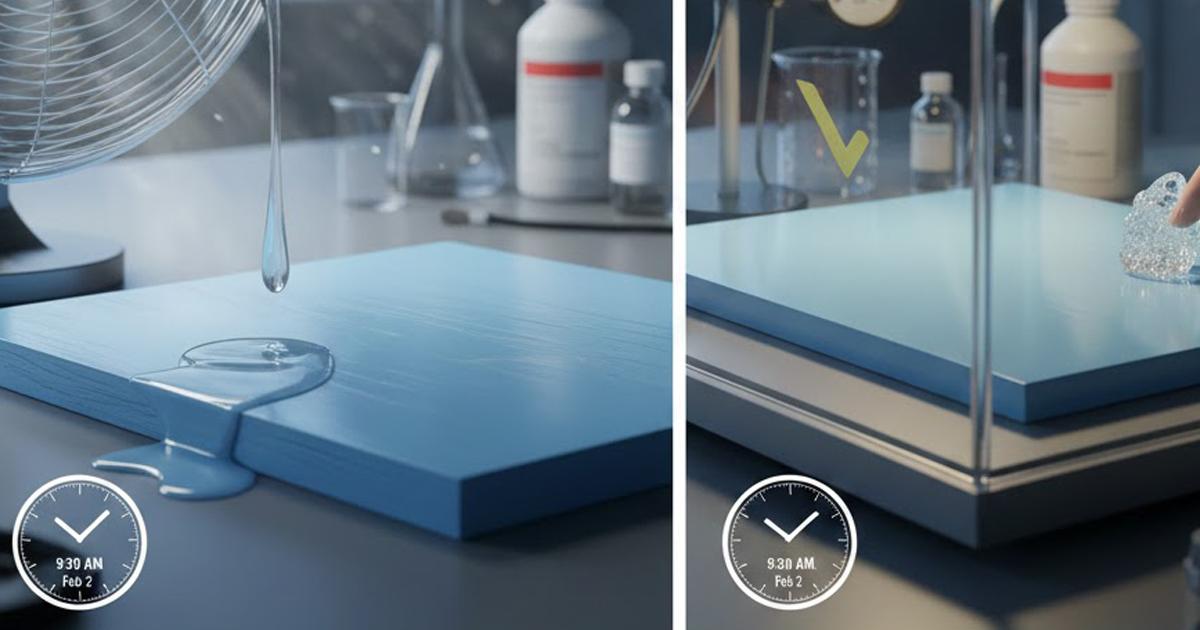

One of the most misunderstood aspects of coating performance is the difference between drying and curing. Many coatings feel dry to the touch within hours, leading applicators and facility managers to assume the surface is ready for service. In reality, a coating that has dried may still be far from fully cured, and putting it into use too soon can compromise durability, adhesion, and long-term performance.
Understanding how curing works and why it matters can help prevent premature wear, surface damage, and costly rework. Whether you are working on industrial floors, commercial spaces, or protective coatings in demanding environments, knowing when a coating is truly ready is just as important as how it was applied.
Drying vs Curing: What’s the Difference?
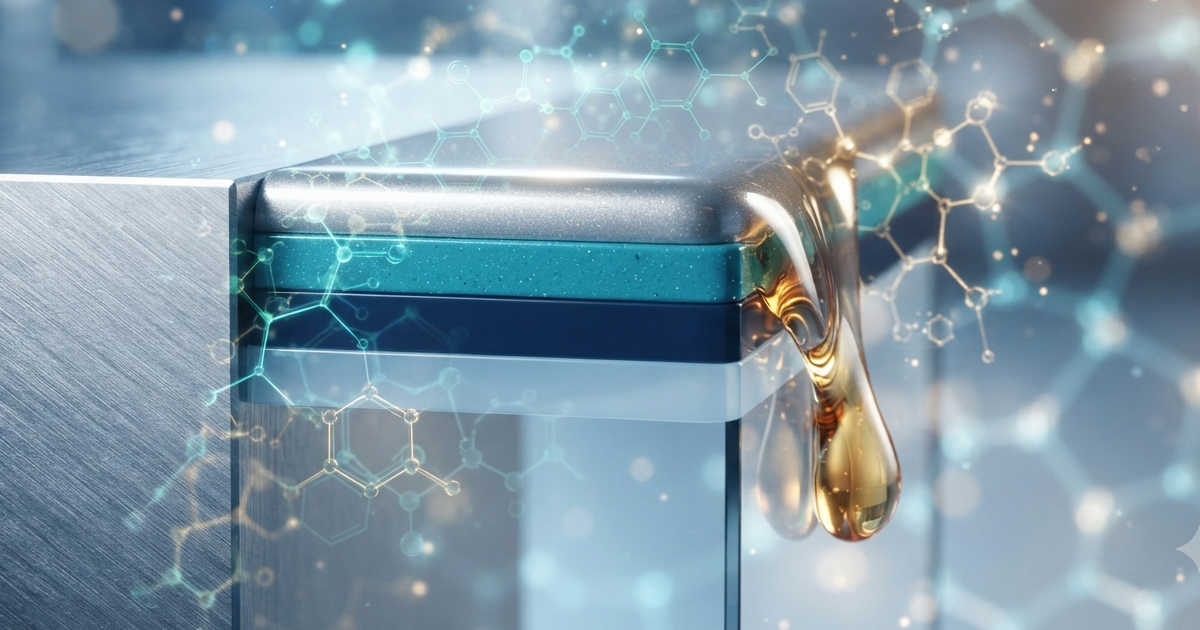
Drying refers to the evaporation of solvents or water from the coating. This process allows the surface to become tack-free and visually finished, but it does not indicate that the coating has reached its full strength. Curing, on the other hand, is the chemical reaction that gives the coating its final hardness, chemical resistance, and durability.
Some coatings cure through oxidation, others through chemical crosslinking, and many modern systems rely on precise ratios and environmental conditions to complete the process properly. If curing is interrupted or rushed, the coating may never achieve its intended performance characteristics.
Why Premature Use Causes Long-Term Problems
Putting a coating into service before it has fully cured can lead to issues such as imprinting, soft spots, reduced abrasion resistance, and poor chemical resistance. In industrial or high-traffic environments, this often shows up as early wear patterns, peeling, or surface contamination that becomes embedded in the coating.
Even light foot traffic, cleaning, or exposure to moisture during the curing phase can permanently affect the coating. These issues may not be immediately visible but often surface weeks or months later as premature failure.
Environmental Factors That Impact Cure Time
Temperature, humidity, and airflow all play a role in how quickly and effectively a coating cures. Cooler temperatures can significantly slow chemical reactions, while excessive humidity can interfere with moisture-sensitive coatings. Poor ventilation may also trap solvents, extending cure times and affecting surface integrity.
Manufacturers provide cure-time guidelines for a reason, but real-world conditions often require adjustments. Monitoring the environment during and after application is critical to ensuring the coating reaches full performance.
Pro Tip: Plan the Project Around the Cure
Successful coating projects account for curing time in the schedule, not just application time. This means coordinating access restrictions, cleaning schedules, and operational downtime to allow the coating to fully cure before use. Rushing this step can undo all the work that went into surface preparation and application.
When in doubt, consulting with coating professionals or product specialists can help ensure the coating system is given the time and conditions it needs to perform as designed.
Final Thoughts
A coating that looks finished is not always finished performing. Understanding the difference between drying and curing helps protect your investment, extend the life of the coating, and avoid preventable failures. Taking the time to let coatings fully cure is one of the simplest yet most overlooked pro tips for achieving long-lasting results.