



Looking at your Pro Tips Blog category for Inseco, the next post should be dated 01/05/2026.
Based on the existing topics and considering it's early January, here's a timely blog post:
Pro Tips for Successful Coating Projects in Winter Conditions;pro-tips-successful-coating-projects-winter-conditions;Master winter coating applications with expert guidance on temperature management, moisture control, and achieving professional results in cold weather conditions from INSECO's specialty coatings team.;*
Pro Tips for Successful Coating Projects in Winter Conditions
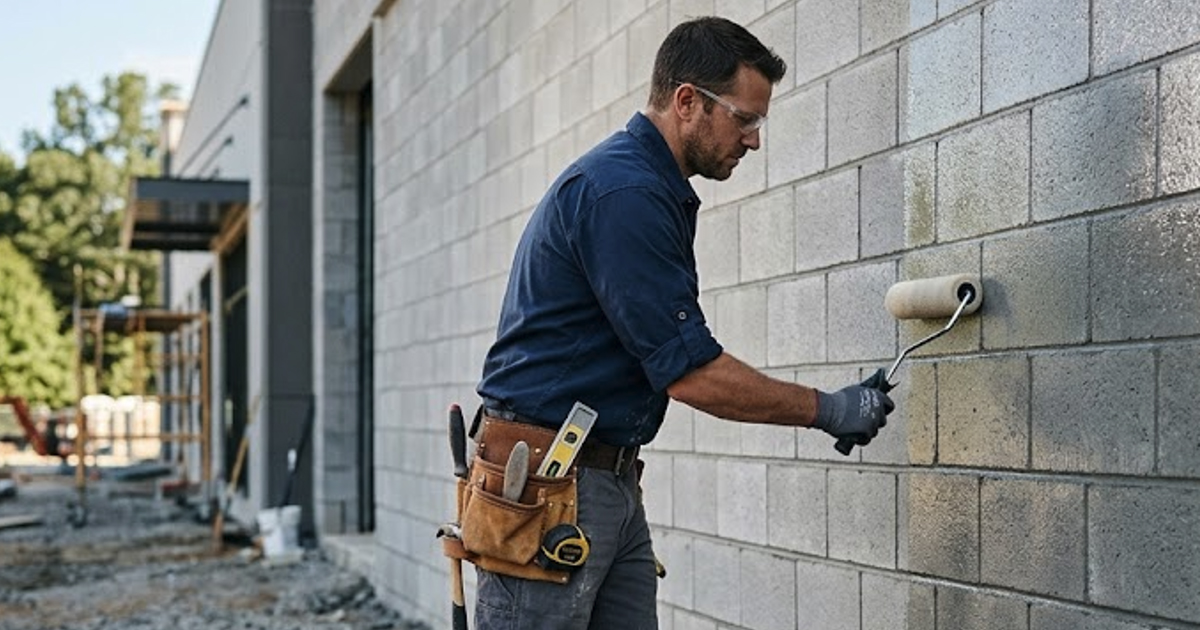
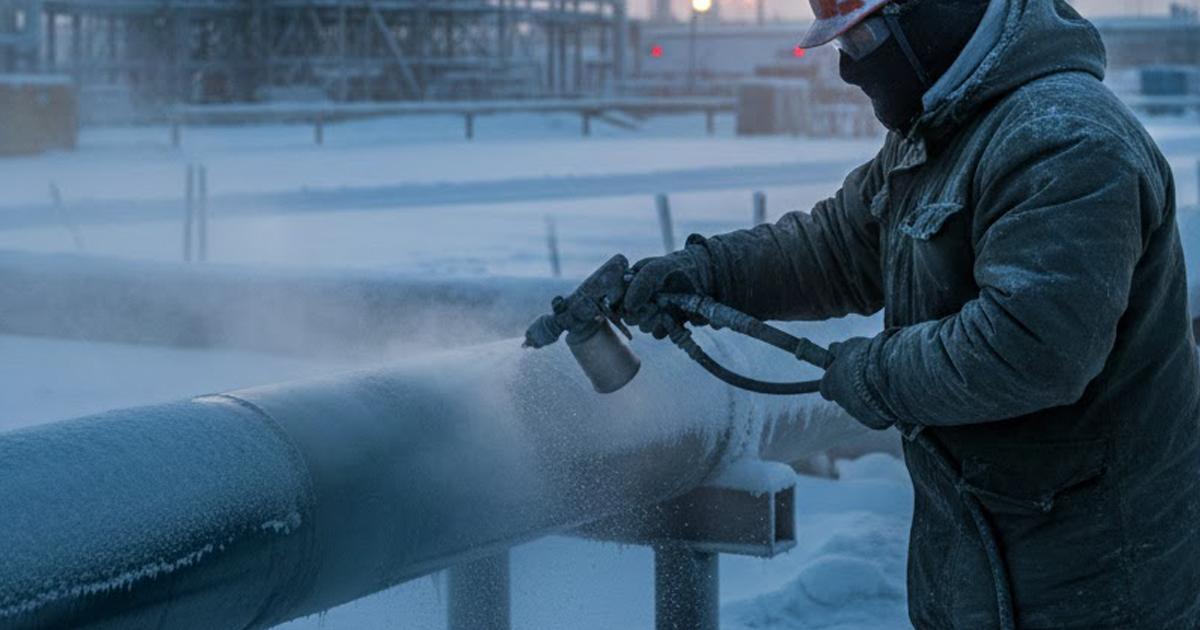
Winter weather presents unique challenges for coating professionals. Cold temperatures, increased moisture, and shorter daylight hours can all impact the success of your coating projects. However, with the right knowledge and preparation, you can achieve excellent results year-round. INSECO's team shares essential pro tips for mastering winter coating applications.
Understanding Temperature Thresholds
Every coating has a minimum application temperature, typically ranging from 40°F to 50°F for most products. Applying coatings below these thresholds can result in poor adhesion, extended cure times, and premature failure. Always verify the manufacturer's specifications before beginning work.
Surface temperature matters just as much as air temperature. Concrete, wood, and masonry surfaces often remain colder than the surrounding air, especially early in the day. Use an infrared thermometer to confirm surface temperatures meet minimum requirements before application.
Managing Moisture in Cold Weather
Winter brings increased humidity and condensation challenges. Moisture on substrate surfaces—whether from morning frost, condensation, or recent precipitation—creates a barrier that prevents proper coating adhesion.
Allow surfaces adequate drying time, even if they appear dry to the touch. In winter conditions, this may require 24-48 hours after precipitation or frost events. When possible, schedule applications for afternoon hours when surfaces have warmed and any overnight moisture has evaporated.
Timing Your Application Windows
Successful winter coating requires strategic timing. Plan applications during the warmest part of the day, typically between 10 AM and 3 PM. This maximizes both surface temperature and available curing time before temperatures drop again at night.
Monitor weather forecasts carefully. Avoid applications if temperatures will drop below the coating's minimum temperature within 24 hours of application, as this can interrupt the curing process and compromise performance.
Adjusting Your Technique
Cold weather may require modifications to your standard application techniques. Coatings become more viscous in lower temperatures, potentially affecting flow and leveling characteristics. Store materials in a temperature-controlled environment before use to maintain optimal viscosity.
Apply thinner coats in winter conditions. This promotes faster drying and reduces the risk of issues caused by extended cure times. Multiple thin coats often deliver better results than attempting to achieve full coverage in fewer, heavier applications.
Extending Cure Times
Curing slows significantly in cold weather. What might take 2-4 hours in summer conditions could require 8-12 hours or longer in winter. Factor these extended cure times into your project scheduling to avoid premature exposure to traffic or weather.
Consider using catalyzed or fast-cure products specifically formulated for lower temperature applications when working regularly in cold conditions. These specialty coatings can significantly expand your winter working window.
Protecting Fresh Applications
Newly applied coatings are particularly vulnerable during winter nights. If frost or freezing temperatures occur before the coating has fully cured, the results can be catastrophic. When necessary, use temporary enclosures or heating equipment to protect fresh applications during critical curing periods.
Tool and Equipment Considerations
Cold weather affects your equipment as well as your coatings. Spray equipment may require adjustments to pressure and tip selection. Keep tools and equipment stored in heated spaces between uses to maintain optimal performance.
Clean equipment thoroughly and immediately after use. Many solvents and cleaning agents become less effective in cold temperatures, making cleanup more difficult if delayed.
Substrate-Specific Winter Strategies
Different substrates present unique winter challenges. Wood surfaces may have elevated moisture content from fall and winter precipitation. Concrete continues to absorb moisture even in cold weather. Test moisture levels thoroughly before coating application.
For outdoor wood projects, WOOD Rx and other INSECO sealers should only be applied when surface moisture content is below manufacturer recommendations and weather conditions support proper curing.
When to Postpone
Sometimes the professional decision is to wait for better conditions. If temperatures are marginal, moisture levels are high, or weather forecasts are uncertain, postponing the project often proves more cost-effective than dealing with coating failures and warranty issues.
Year-Round Success with INSECO
INSECO's specialty coatings are formulated to deliver exceptional performance when applied under proper conditions. By understanding winter's unique challenges and adjusting your approach accordingly, you can maintain consistent quality throughout the year.
For specific guidance on winter application of INSECO products, consult our technical team. We provide comprehensive support to help you achieve professional results in any season.