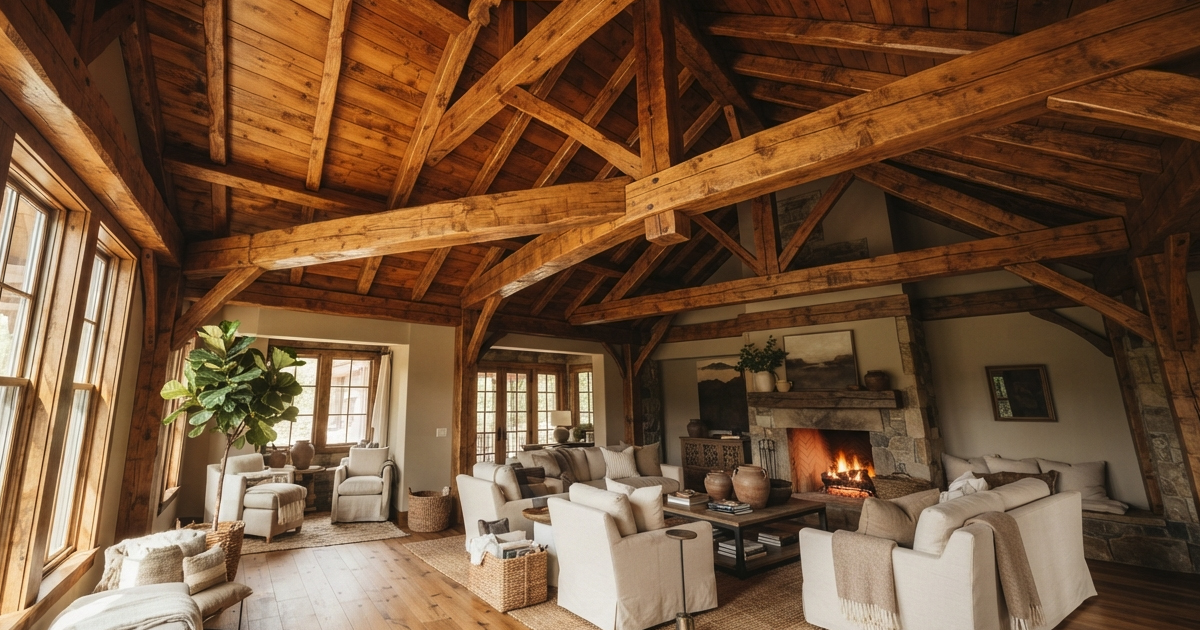



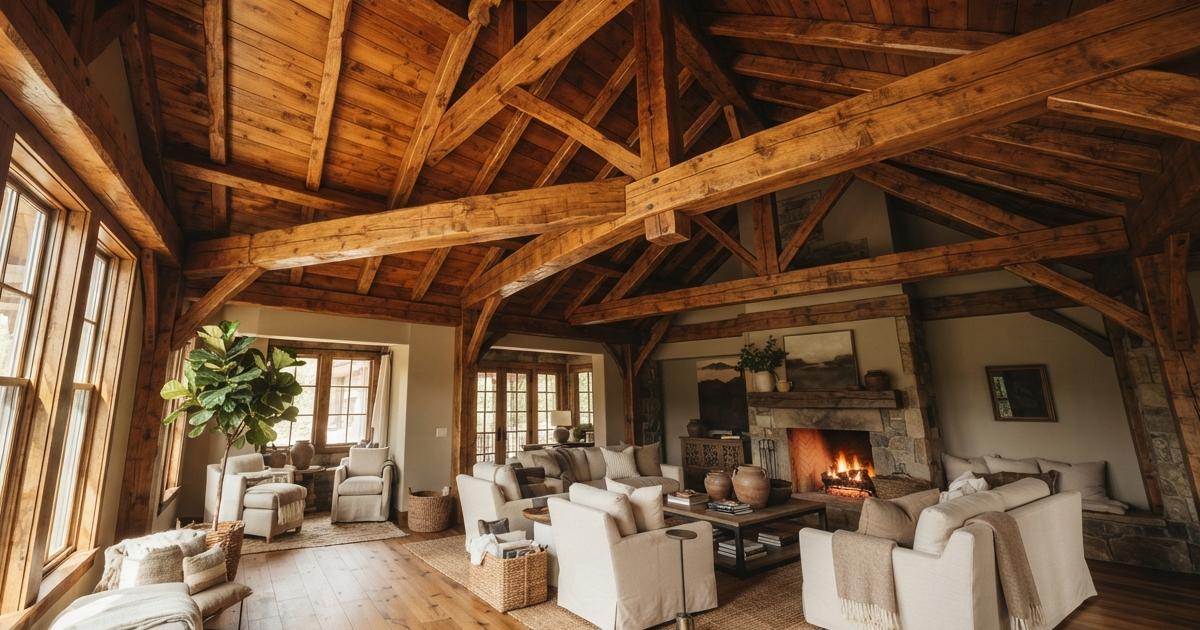

Exposed wood beams, open rafters, and structural timber elements have become defining architectural features in homes and commercial spaces alike. From rustic farmhouse kitchens to contemporary loft apartments and high-end restaurant interiors, raw and finished wood overhead adds warmth, character, and genuine craftsmanship that no synthetic material can replicate. But here is what many homeowners and contractors overlook: just because a wood surface is indoors and elevated does not mean it is protected. Without the right sealer applied correctly, exposed interior timber is vulnerable to moisture infiltration, dust absorption, biological growth, UV discoloration from skylights and windows, and gradual structural degradation that happens slowly and silently until the damage is already deep.
At INSECO, we have worked with contractors and homeowners on some of the most demanding interior timber protection projects across the country. The challenges of sealing overhead wood surfaces are real, and the margin for error is narrow. This guide is built around the pro-level knowledge you need to do this job right the first time.
Why Exposed Interior Timber Needs Professional-Grade Sealing
There is a common misconception that wood surfaces indoors are inherently safe from the elements. While interior wood is not directly exposed to rain or frost, it faces a surprisingly complex set of environmental stresses that degrade it over time. Understanding these stressors is the first step toward choosing the right protection strategy.
Moisture and Humidity Fluctuations
Interior spaces experience significant humidity swings depending on the season, climate, HVAC performance, and occupant activity. Kitchens and bathrooms are especially problematic, with steam, condensation, and ambient moisture cycling through the air daily. Unprotected wood absorbs and releases this moisture repeatedly, causing expansion and contraction that leads to checking, cracking, warping, and eventual structural compromise. A quality penetrating sealer stabilizes the wood's moisture content by reducing its ability to rapidly absorb environmental changes, protecting the cellular structure of the timber from the inside out.
Airborne Contaminants and Grease
In kitchen environments particularly, exposed beams and rafters accumulate cooking grease, smoke residue, and airborne particulates over time. Without a sealed surface, these contaminants penetrate the wood grain deeply, becoming nearly impossible to clean and creating conditions that accelerate biological growth including mold and mildew. A proper coating creates a surface barrier that allows the wood to be cleaned without damaging the substrate beneath.
UV Exposure From Skylights and Large Windows
Modern architecture frequently pairs exposed timber with large glazed openings, skylights, and floor-to-ceiling windows. While beautiful aesthetically, this introduces direct and indirect UV exposure to interior wood surfaces. Ultraviolet radiation breaks down lignin, the natural polymer that gives wood its color and rigidity, causing graying, bleaching, and surface degradation. UV-inhibiting sealers address this directly, extending the vibrancy and integrity of the wood's natural appearance for years longer than untreated surfaces.
Pro Tips for Preparing Overhead and Structural Timber Before Sealing
Surface preparation on overhead timber structures is more physically demanding than standard horizontal or vertical surface prep, but the same fundamental rules apply. No coating performs better than the surface it is applied to. Skipping or rushing preparation is the single most common reason coating projects on exposed timber fail prematurely.
Assess the Existing Condition Thoroughly
Before any product touches the wood, do a complete inspection of every beam and structural element. Look for existing finishes, stains, or previous sealers that may be peeling, flaking, or incompatible with your planned coating system. Test for moisture content using a pin-type moisture meter. For most interior wood sealing applications, moisture content should be at or below 15 percent before any sealer is applied. Elevated moisture content is one of the leading causes of adhesion failure and trapped moisture beneath coatings.
Clean the Surface Completely
Dust, cobwebs, construction residue, and any biological growth must be fully removed before sealing. Use a stiff bristle brush to dislodge surface debris, followed by a thorough wipe-down with a clean dry cloth or tack cloth. For beams in kitchen environments where grease accumulation is present, a degreasing cleaner appropriate for wood surfaces should be used, followed by adequate drying time before coating begins. Never apply any sealer over a surface that has not been properly cleaned. Any contamination trapped beneath a coating will compromise adhesion and long-term performance.
Sand Strategically, Not Excessively
Rustic and hand-hewn timbers are often desirable precisely because of their texture and character. The goal of sanding for interior timber sealing is not to create a smooth uniform surface but to open the wood grain enough for the sealer to penetrate effectively and to remove any surface oxidation or residue. Use 80 to 120 grit sandpaper depending on the wood species and condition. After sanding, always remove all sanding dust completely before applying any product. Dust left in the grain will interfere with penetration and can cause a hazy or uneven finish.
Choosing the Right Sealer and Application Method for Structural Timber Interiors
Not every sealer is appropriate for interior structural timber applications. The unique demands of this environment require a product that balances deep penetration with surface protection, durability with low VOC performance, and aesthetic enhancement with long-term stability.
Penetrating Sealers vs Film-Forming Coatings
For exposed structural timber with significant texture, character, or historical value, penetrating sealers are almost always the preferred choice. Products like INSECO's WOOD Rx are designed to work at the cellular level, entering the wood's natural pores rather than sitting on top of the surface as a film. This approach preserves the authentic look and feel of the timber while providing genuine protection against moisture, contaminants, and biological growth. Film-forming coatings such as varnishes and polyurethanes can be appropriate for certain applications but tend to peel and check over time on textured or large-dimension timbers where natural movement occurs.
Application Methods for Overhead Surfaces
Applying coatings to overhead surfaces presents unique logistical and safety challenges. The following methods are most commonly used by professionals for interior beam and rafter sealing:
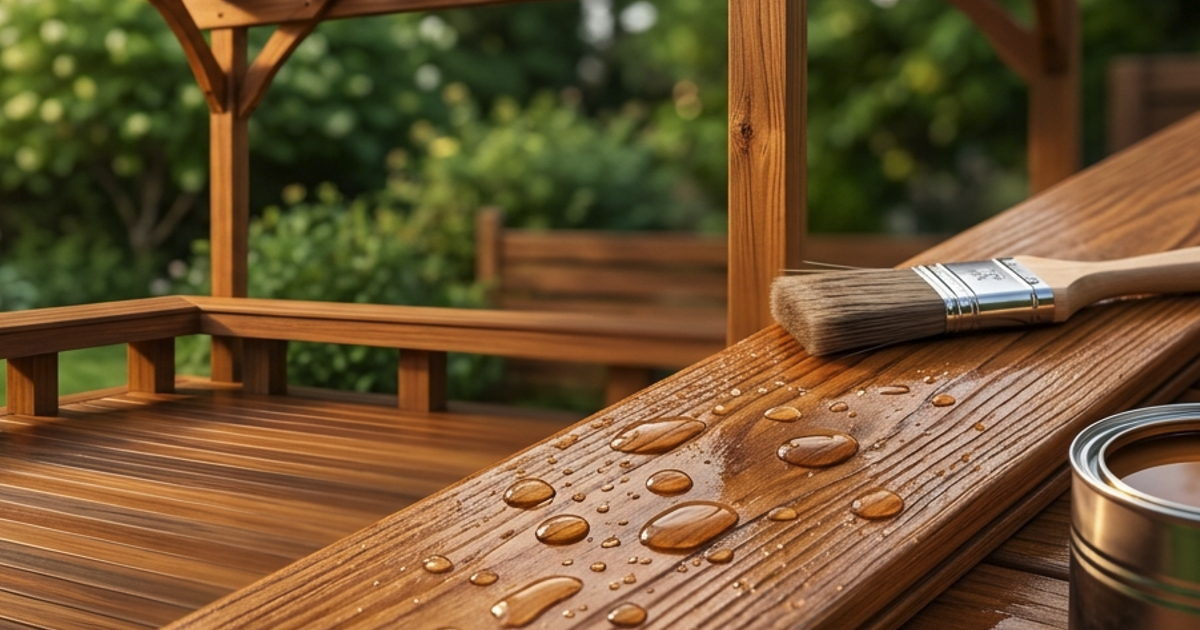
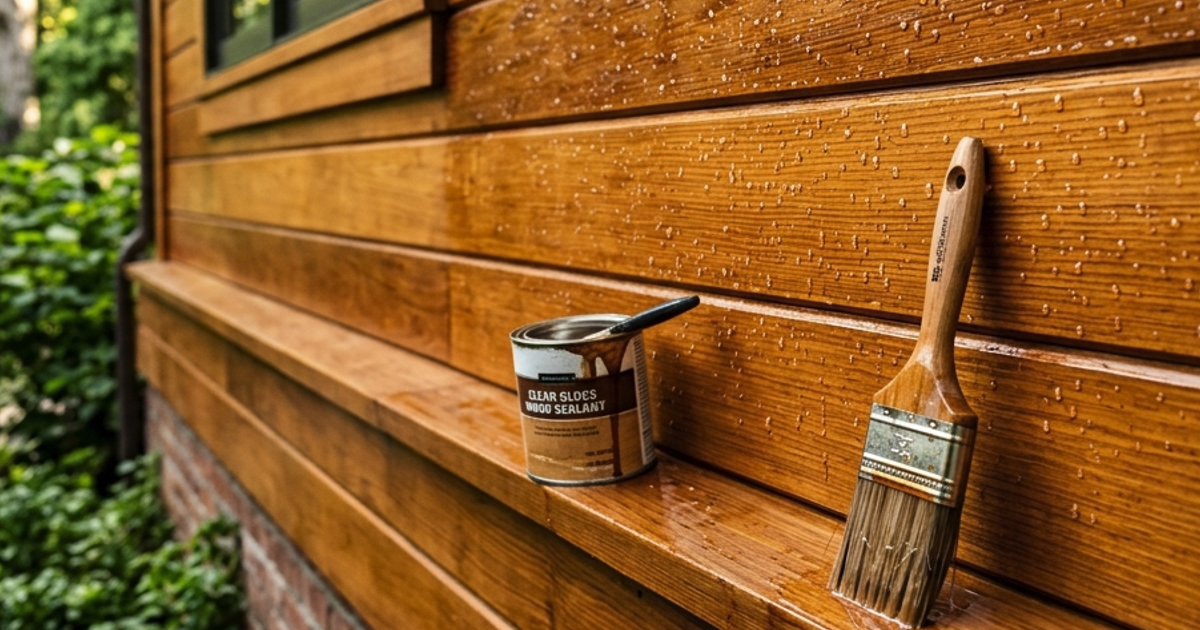
- Brush application provides maximum control and penetration, especially into checks, cracks, and irregular grain patterns. Use a high-quality natural bristle or synthetic brush appropriate for the product being used. Work the product into the grain using firm strokes in the direction of the grain.
- Roller application can be effective on larger flat beam faces using a short-nap roller, but should always be followed by back-brushing to ensure the product penetrates rather than simply sitting on the surface.
- Airless spray application offers the greatest speed and efficiency for large-scale projects with many beams and open rafter systems. Proper masking of surrounding surfaces is critical to prevent overspray damage to walls, floors, and furnishings. Appropriate respiratory protection must be worn during spray application even in low-VOC applications.
- Pad applicators can be useful for large, flat beam surfaces and provide good control over product volume.
Application Rate and Coverage Control
One of the most important pro tips for interior timber sealing is to apply the correct volume of product without over-applying. Excess product that cannot fully penetrate the wood surface will pool, skin over, and create sticky or tacky spots that attract dust and are difficult to correct after the fact. Apply thin, even coats and allow proper penetration time before assessing whether a second coat is needed. On highly absorbent or porous wood species, a second coat is often beneficial and should be applied within the manufacturer's recommended recoat window.
Post-Application Care and Long-Term Maintenance of Interior Timber
Sealing interior timber is not a one-time event. Even the highest quality penetrating sealers require periodic inspection and maintenance to continue performing at their best. Fortunately, maintaining sealed interior timber is straightforward when the right product was used initially and when basic care practices are followed consistently.
Routine Cleaning and Inspection
Sealed interior beams and rafters should be inspected and gently cleaned at least once annually. Use a soft cloth or low-pressure compressed air to remove dust accumulation. In kitchen environments, inspect for grease buildup more frequently and clean with a mild, wood-safe cleaner as needed. During inspection, look for any areas where the sealer may have worn, where new checking has opened up, or where biological growth may be beginning to develop. Catching these areas early allows for spot treatment rather than full reapplication.
When to Reseal Interior Structural Timber
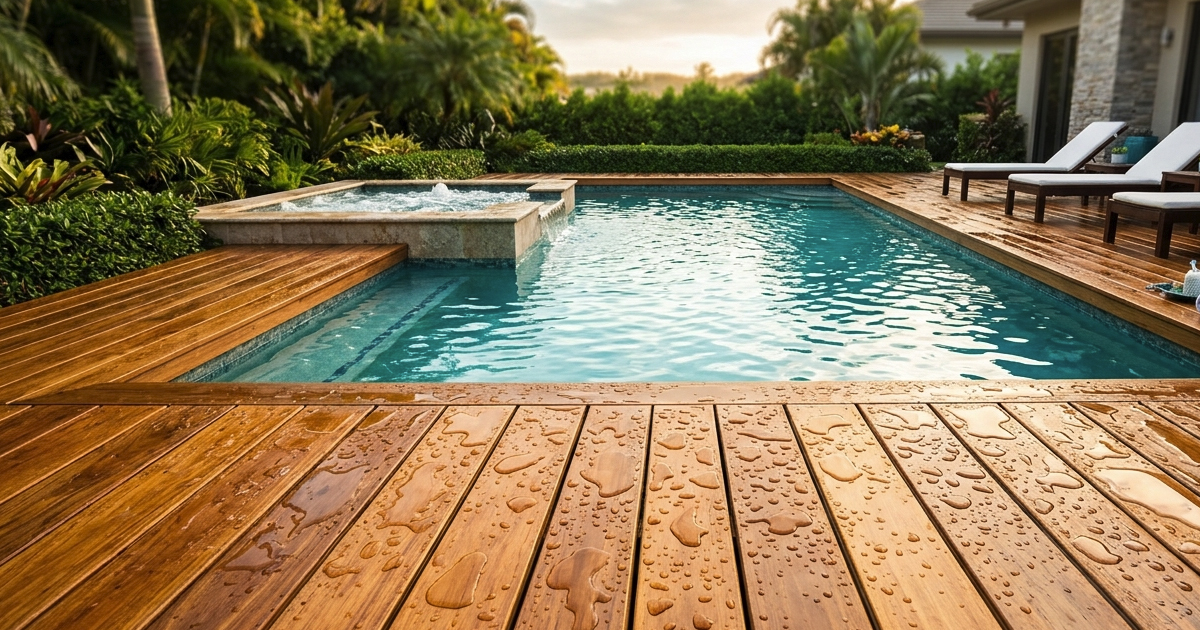
Unlike exterior surfaces that may need resealing every one to three years depending on exposure conditions, interior structural timber protected with a quality penetrating sealer typically requires maintenance reapplication every three to seven years depending on environmental conditions and the intensity of use. High-humidity spaces such as kitchens, bathrooms, and indoor pool structures will fall at the shorter end of that range. Dry, climate-controlled spaces with minimal UV exposure may go longer between full reapplication cycles. The best indicator is the wood itself. If the surface begins to absorb water readily, loses its enriched color, or shows early signs of surface contamination absorption, it is time to reapply.
Exposed wood beam ceilings and structural timber interiors represent some of the most beautiful and distinctive architectural elements available in both residential and commercial design. Protecting that beauty and structural integrity with the right coating applied with the right technique is an investment that pays back for decades. INSECO's team of technical specialists is available to help you identify the right product for your specific interior timber project, whether you are a homeowner restoring a historic farmhouse or a contractor working on a large-scale commercial timber frame building. The right protection starts with the right knowledge, and that is exactly what we are here to provide.