



Achieving a smooth, professional coating finish takes more than just selecting the right material. Even experienced applicators can run into issues like roller marks and lap lines if application timing, technique, or environmental conditions aren’t carefully managed. These surface imperfections can affect both the appearance and long-term performance of a coating system.
Understanding how lap lines form—and how to prevent them—helps ensure coatings look uniform, perform reliably, and meet professional standards across residential, commercial, and industrial projects.
What Causes Roller Marks and Lap Lines?
Lap lines typically occur when sections of coating begin drying before adjacent areas are applied. This creates visible transitions between passes that can be difficult to correct after curing.
Common causes include:
- Applying coatings too slowly across large surfaces
- Working in direct sunlight or high temperatures
- Using improper roller nap thickness
- Failing to maintain a wet edge during application
- Overworking partially cured coating areas
Recognizing these risk factors early allows applicators to adjust technique before visible defects appear.
Why Maintaining a Wet Edge Matters
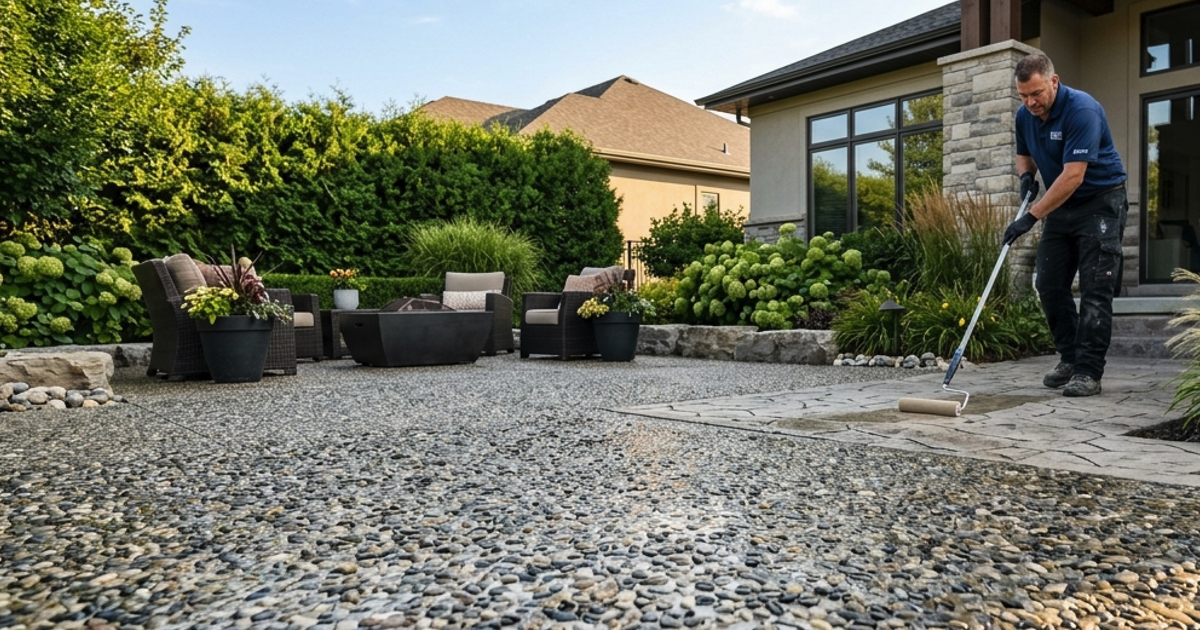
Maintaining a wet edge means overlapping each pass of coating before the previous section begins to dry. This technique helps coatings level properly and prevents visible transitions between application zones.
To maintain a wet edge effectively:
- Work in manageable sections rather than large open areas
- Plan application direction before starting
- Keep a consistent pace across the surface
- Avoid stopping mid-section whenever possible
This approach improves finish consistency and supports uniform film thickness throughout the project area.
Choosing the Right Roller and Tools
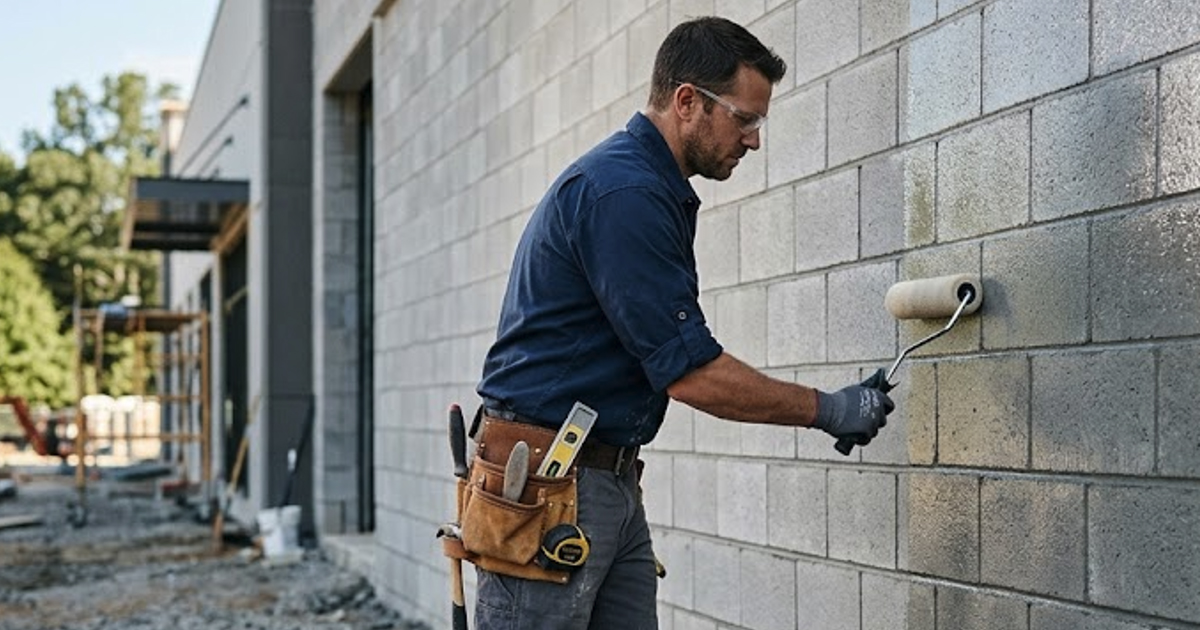
Tool selection plays a major role in preventing application marks. Using the wrong roller nap length or low-quality equipment can introduce texture inconsistencies even when technique is correct.
Helpful equipment considerations include:
- Selecting roller nap thickness suited to the substrate texture
- Using high-quality roller covers designed for the coating type
- Avoiding overloaded rollers that deposit uneven material
- Replacing worn rollers before they affect finish quality
Small equipment upgrades often produce noticeable improvements in final appearance.
Managing Environmental Conditions During Application
Environmental conditions influence how quickly coatings begin to set. High temperatures, wind exposure, and low humidity can shorten working time significantly and increase the risk of lap marks.
To reduce environmental impact:
- Apply coatings during cooler parts of the day when possible
- Avoid working in direct sunlight on large open surfaces
- Monitor airflow across application areas
- Adjust working section size based on drying speed
Controlling these variables supports smoother finishes and more predictable curing behavior.
Using Proper Application Patterns for Even Coverage
Consistent roller movement helps distribute coatings evenly and prevents overlapping buildup zones that create visual differences after curing.
Best practices include:
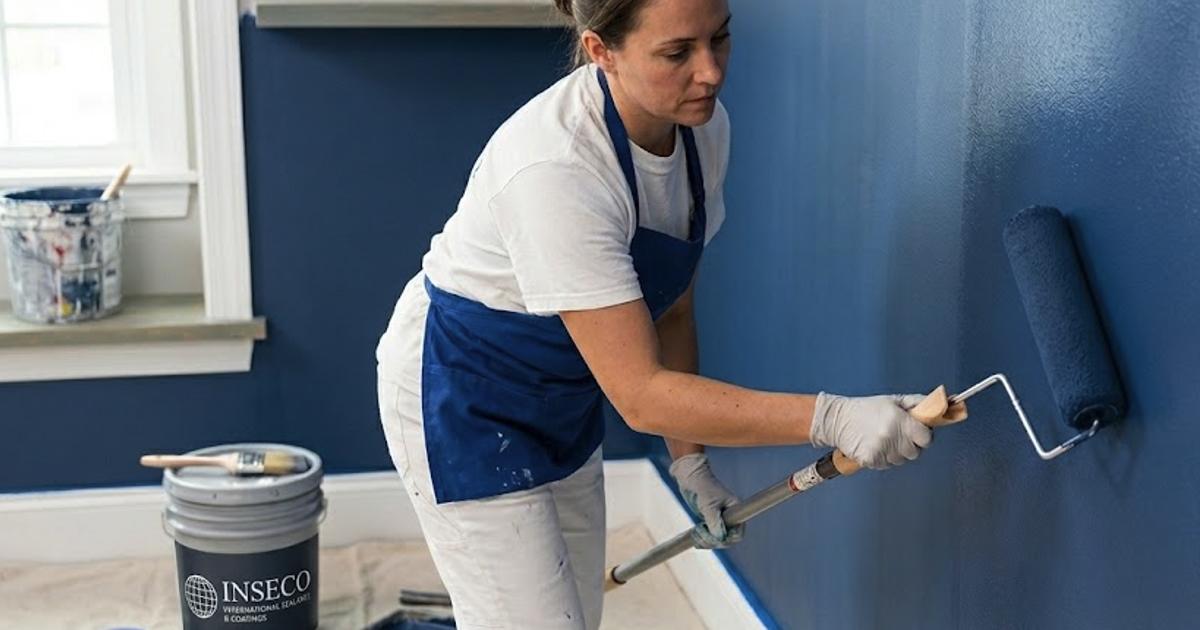
- Applying coatings in uniform directional passes
- Back-rolling to level material after application
- Maintaining consistent pressure across the roller path
- Avoiding excessive re-rolling once coating begins setting
These techniques help coatings settle evenly and produce a more professional final appearance.
Supporting Long-Term Coating Performance Through Technique
Visual defects like lap lines are more than cosmetic concerns. They can indicate uneven film thickness that may affect protection, durability, and wear resistance over time. Applying coatings with consistent timing, tools, and technique helps ensure both appearance and performance meet expectations.
With the right preparation strategy and application approach, professionals can reduce surface inconsistencies and achieve reliable results across a wide range of coating environments. Guidance from experienced suppliers like INSECO INC. helps contractors select the right tools, coatings, and methods to support consistent finishes and long-lasting project success.