



When it comes to achieving a flawless, durable coating, the secret often lies in one critical step: surface preparation. No matter how high-quality your paint, sealer, or specialty coating is, neglecting the proper prep work can undermine the performance, longevity, and appearance of your project. At INSECO, we’ve seen firsthand how meticulous preparation not only prevents common failures but also maximizes adhesion, finish quality, and long-term durability. In this guide, we share expert pro tips for mastering surface preparation so your coatings perform at their best every time.
Understanding the Surface Before You Begin
Every successful coating project starts with a thorough assessment of the surface. Different materials — from concrete and wood to metal and composites — require tailored preparation strategies. Pro Tip #1: Always identify the surface type, condition, and existing coatings before applying anything new. Moisture content, previous sealers, dirt, grease, and even minor surface imperfections can dramatically affect adhesion and the overall finish. Conducting a detailed inspection allows you to choose the appropriate cleaners, primers, and abrasives for optimal results.
In addition, environmental conditions play a crucial role in prep success. Temperature, humidity, and airflow impact how primers and coatings interact with the surface. Pro Tip #2: Make adjustments based on current conditions. For instance, high humidity may require additional drying time after cleaning, while extreme temperatures may necessitate specialized primers to ensure proper adhesion. By understanding the environment and the substrate, you set the stage for a coating project that performs flawlessly from start to finish.
Cleaning and Surface Profiling: The Unsung Heroes of Coating Performance
Proper cleaning is the first step toward achieving a strong bond between your coating and the substrate. Dirt, oil, dust, and other contaminants can prevent adhesion and lead to peeling or flaking. Pro Tip #3: Use the right cleaning method for the surface — pressure washing for concrete, degreasers for metal, or gentle sanding for wood. Each method removes contaminants without damaging the material underneath.
Surface profiling — the process of creating a slight texture for coatings to grip — is equally important. Pro Tip #4: Even smooth surfaces often need mild abrasion or etching to enhance mechanical adhesion. This step is critical for high-performance coatings, especially in outdoor or industrial applications. By combining thorough cleaning with precise surface profiling, you create a foundation that allows coatings to bond properly and last longer under stress.
Priming and Sealing: Locking in Longevity
Primers are not optional; they are a key component of professional-quality coating systems. Pro Tip #5: Always match your primer to the substrate and the coating type. A well-chosen primer improves adhesion, evens out porosity, and protects the substrate from moisture or chemical attack. Skipping this step may save time upfront but often results in costly repairs or premature coating failure.
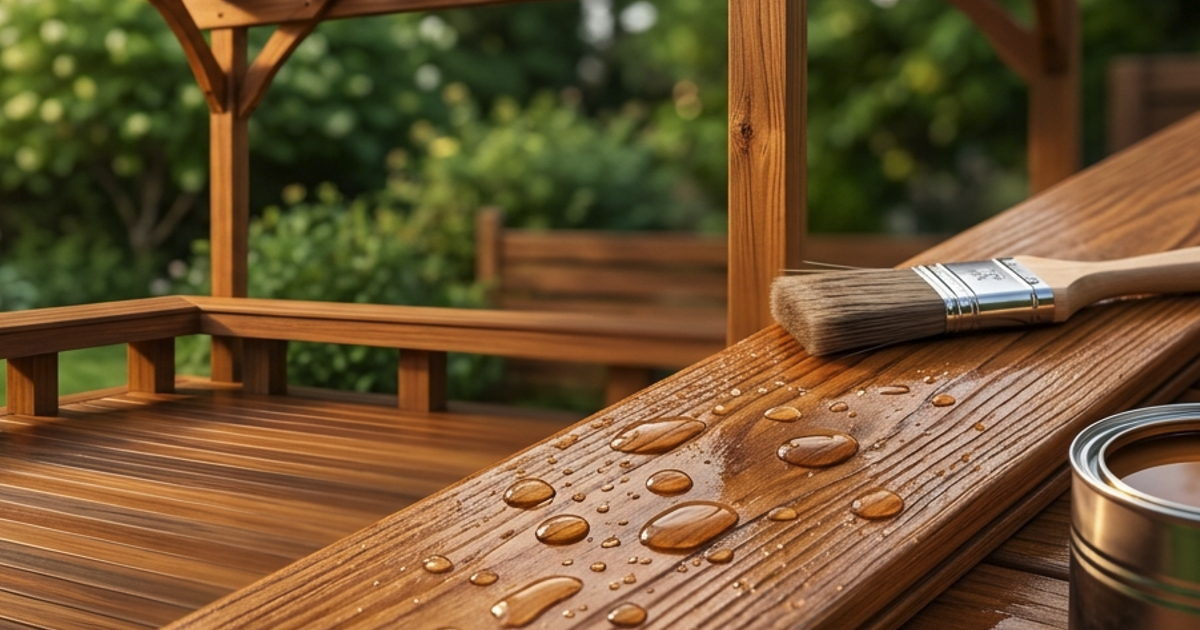
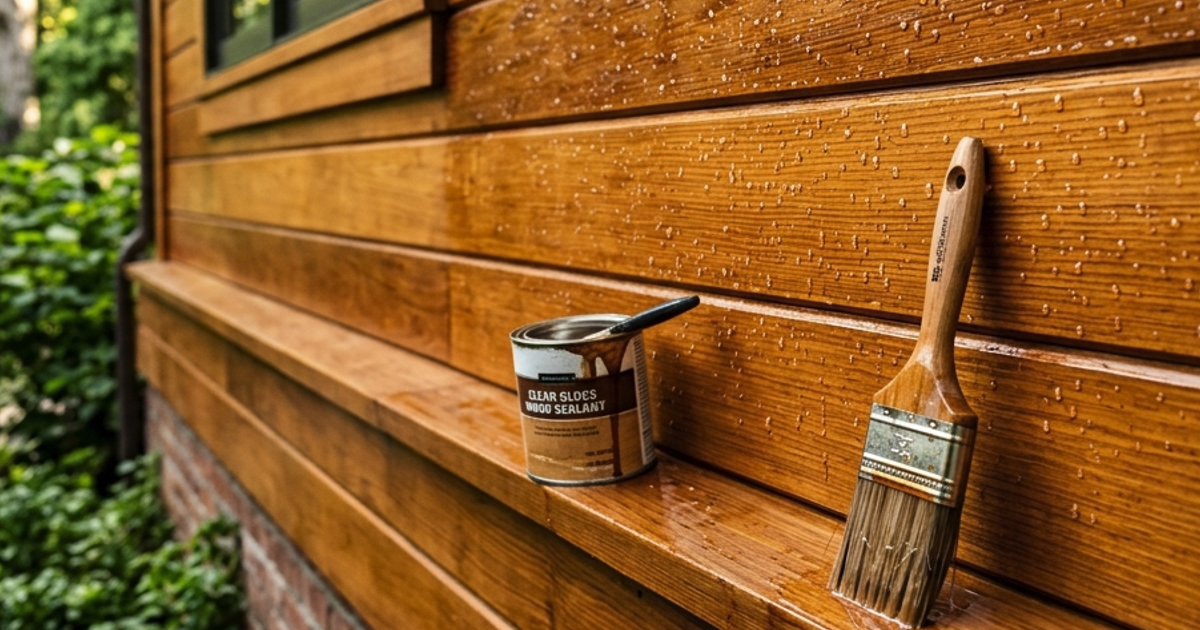
For outdoor projects, sealing is equally critical. Pro Tip #6: Apply sealers carefully to prevent moisture infiltration, UV damage, and wear over time. Proper sealing ensures that the substrate remains stable and that your coating retains its appearance and protective qualities for years to come. At INSECO, we emphasize the synergy between surface prep, priming, and sealing as the backbone of every successful coating project.
Final Checks and Quality Assurance
Before applying the topcoat, take time for final inspections. Pro Tip #7: Ensure surfaces are completely dry, free of dust or debris, and properly profiled. Conducting a quick adhesion test on a small area can reveal potential issues before committing to the full application. These extra steps may seem minor, but they significantly reduce the risk of failures such as blistering, peeling, or uneven coverage.
In professional applications, attention to detail is everything. Pro Tip #8: Document your preparation steps, monitor environmental conditions, and follow manufacturer guidelines for all primers, sealers, and coatings. This level of diligence ensures consistent, high-quality results, builds confidence in your workmanship, and extends the life of every project.
Conclusion: Preparation Is the Key to Coating Success
The most beautiful, long-lasting coatings are the result of careful preparation. From surface assessment and cleaning to priming, sealing, and final inspections, every step matters. By following these pro tips from INSECO, you give your coatings the best possible chance to perform flawlessly, resist environmental stress, and maintain their appearance over time.
Invest the time in preparation — it’s the professional difference between a coating that lasts for years and one that fails prematurely. Whether you’re tackling an industrial application, commercial project, or residential upgrade, proper surface prep ensures that your work looks great, performs reliably, and stands the test of time.