


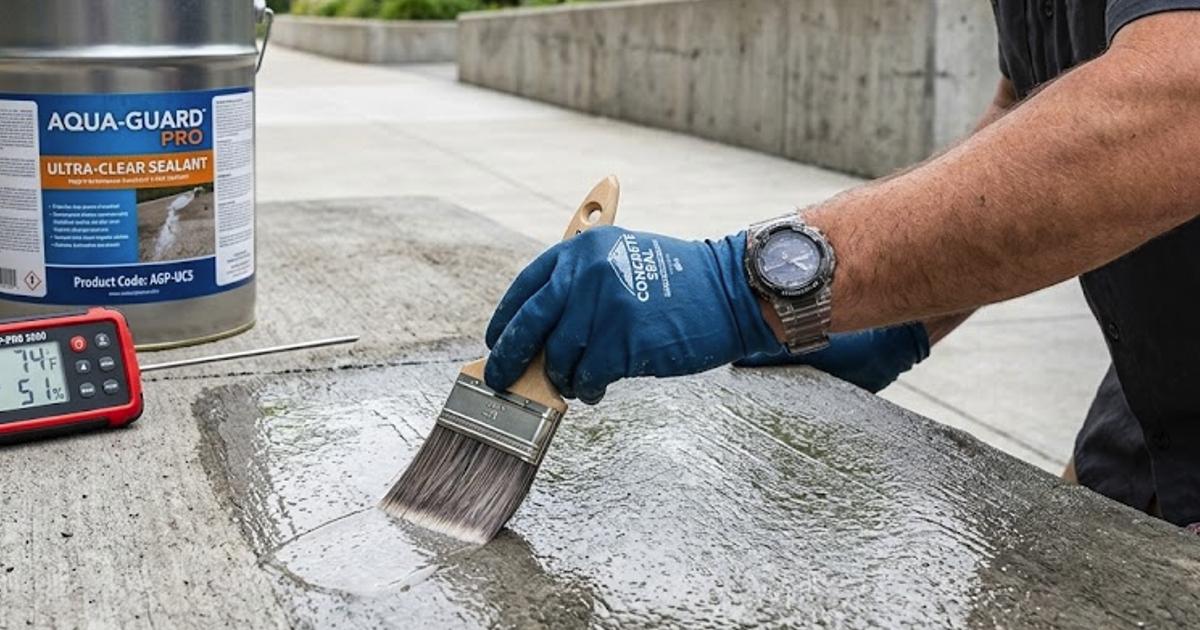

Early summer creates a narrow but highly advantageous window for coating applications yet it also introduces subtle environmental shifts that can compromise results if not properly managed While temperatures are generally more stable than spring the combination of rising heat increasing humidity and stronger sunlight can quickly alter how coatings behave on the surface Understanding how to control ambient conditions during this period is critical for achieving consistent film formation proper curing and long term performance
Why Early Summer Conditions Can Be Deceptive
At first glance early summer appears ideal for coating work Moderate temperatures and longer daylight hours create efficient working conditions However small environmental changes throughout the day can significantly impact application quality especially on larger or more complex projects
Key variables to watch include:
- Rapid temperature increases from morning to afternoon
- Rising surface temperatures due to direct sunlight
- Gradual humidity buildup throughout the day
- Shifting wind patterns that affect evaporation rates
The Relationship Between Surface Temperature and Coating Behavior
Surface temperature often deviates significantly from ambient air temperature especially under direct sun exposure This difference can accelerate solvent evaporation and reduce the time coatings have to properly level and bond
When surface temperatures climb too quickly you may see:
- Reduced wet edge leading to lap marks
- Improper leveling or surface texture issues
- Flash drying that traps solvents beneath the film
- Inconsistent film thickness across sections
Managing Humidity Before It Becomes a Problem
Humidity levels in early summer tend to increase as the day progresses creating a moving target for application conditions Even if morning readings are acceptable conditions can shift into problematic ranges by midday
To stay ahead of humidity related issues:
- Monitor relative humidity at regular intervals not just at start time
- Adjust application schedules to avoid peak humidity periods
- Ensure adequate airflow to support consistent drying
- Be mindful of how humidity interacts with substrate temperature
Timing Your Application for Maximum Control
Successful coating application in early summer often comes down to timing rather than speed Starting too late in the day or pushing into peak heat hours can introduce unnecessary risk even if initial conditions seem acceptable
Best practices include:
- Begin application during early morning stability
- Plan completion before peak afternoon temperatures
- Break large projects into controlled sections
- Continuously reassess conditions rather than relying on initial readings
Equipment and Technique Adjustments That Make a Difference
Environmental control is not just about monitoring conditions it also involves adapting your tools and techniques to match the environment Small adjustments can significantly improve consistency and finish quality
Consider:
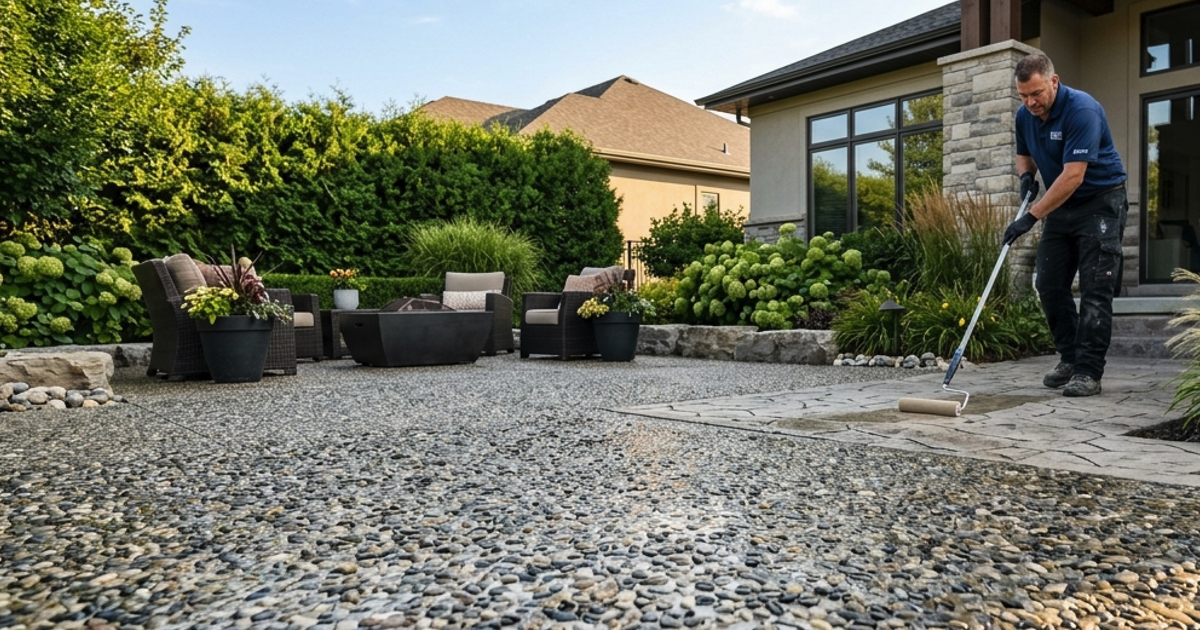
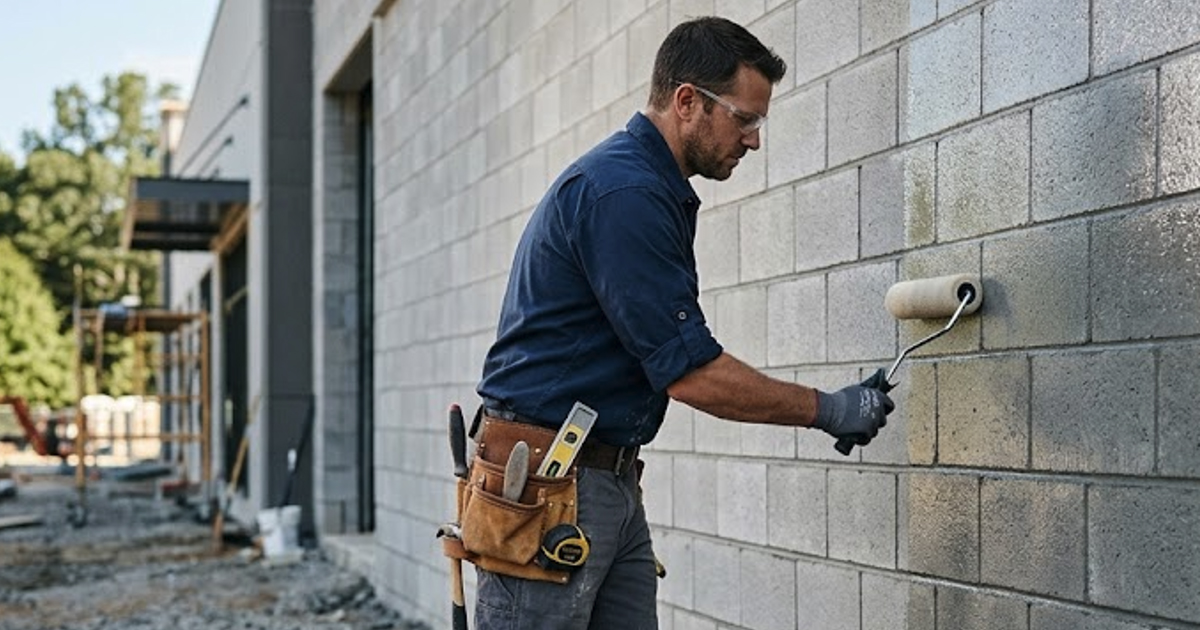
- Adjusting spray or roller technique to maintain a wet edge
- Selecting products formulated for higher temperature tolerance
- Modifying application thickness to account for faster evaporation
- Using shading or barriers to reduce direct heat exposure on surfaces
Consistency Is What Separates Good Results from Great Ones
Early summer offers excellent potential for high quality coating performance but only when environmental factors are actively managed rather than assumed Stable results come from understanding how conditions evolve throughout the day and making real time adjustments to match
At INSECO INC successful projects are built on precise environmental awareness and control By aligning application timing surface conditions and technique with early summer variables coatings can achieve optimal adhesion durability and finish quality without the setbacks that often come from overlooked environmental shifts