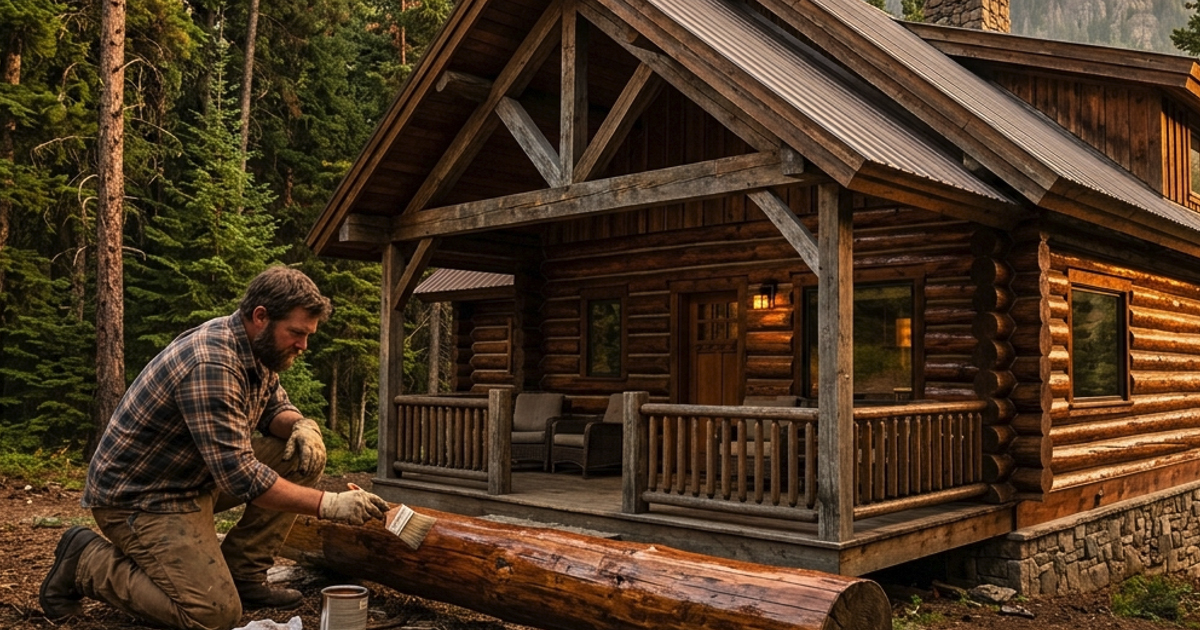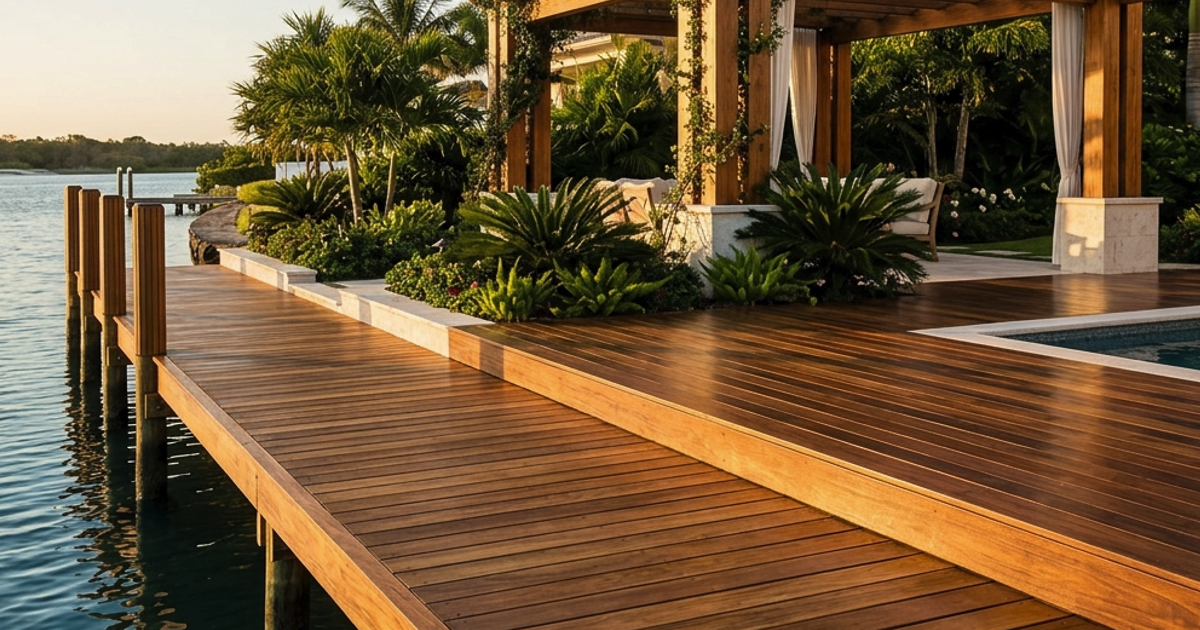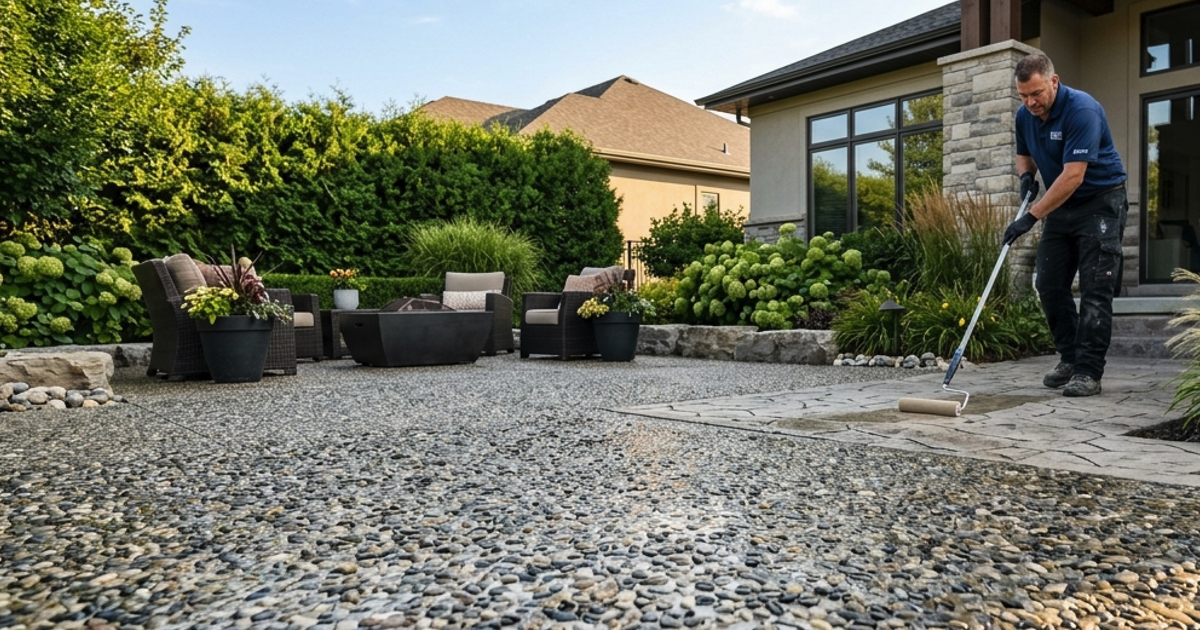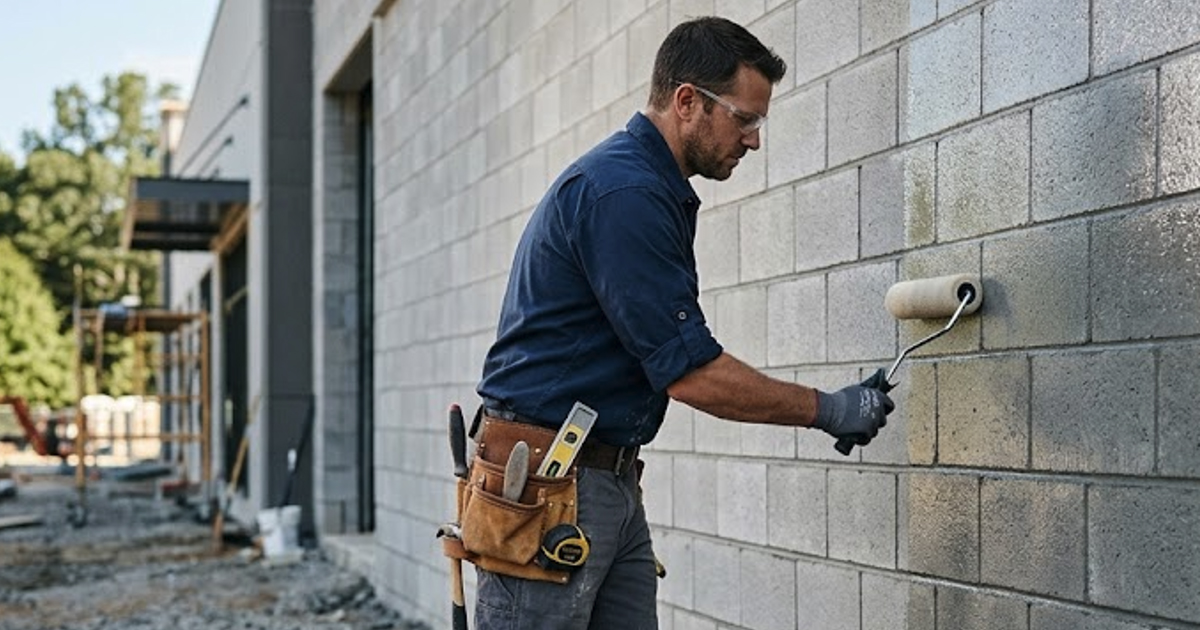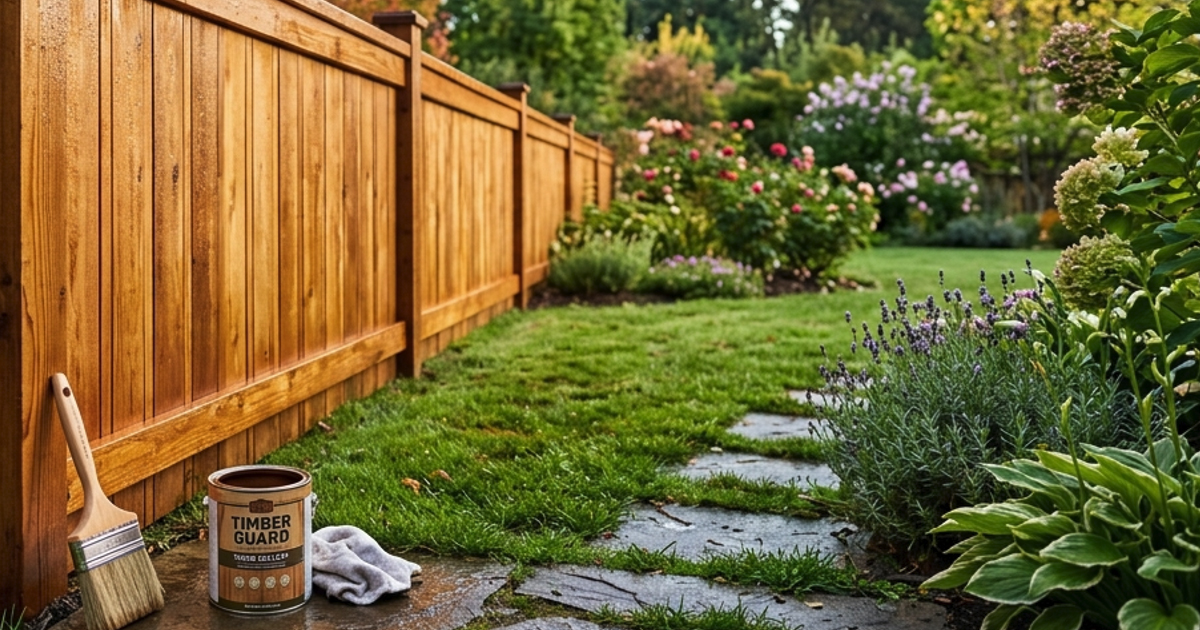



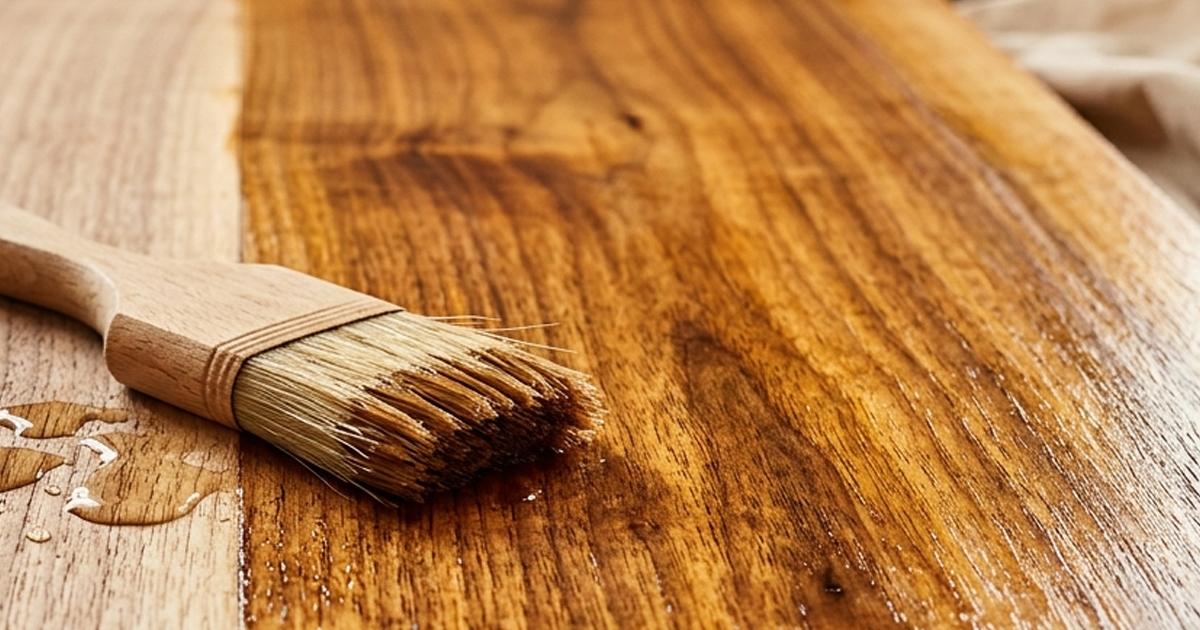

Walk into any home improvement store and you will find an entire aisle dedicated to wood finishing products. Cans line the shelves with bold promises, dramatic color swatches, and technical language that can overwhelm even experienced contractors. Two categories dominate the conversation: sealers and stains. While many homeowners use these terms interchangeably, they are fundamentally different products with different purposes, different chemistries, and very different outcomes for your wood surfaces. Understanding the distinction is not just an academic exercise. It is the difference between a surface that performs beautifully for years and one that disappoints within a single season.
At INSECO, we have spent nearly three decades formulating premium specialty coatings, and one of the most common questions we receive from both homeowners and professional contractors is simply this: should I use a sealer or a stain? The answer requires understanding what each product actually does at the surface level, and more importantly, what you need your wood surface to achieve.
What a Sealer Actually Does and Why It Matters More Than Most People Realize
A sealer's primary mission is protection. At its core, a quality wood sealer penetrates the wood's cellular structure and creates a barrier against moisture intrusion, UV radiation, biological growth, and surface degradation. Unlike coatings that simply sit on top of the wood, premium penetrating sealers bond with the wood fibers themselves, working from within to stabilize and fortify the material.
When water penetrates unsealed wood, it causes the fibers to swell and contract with every moisture cycle. Over time, this repeated movement creates checking, cracking, splitting, and cupping. It also creates the perfect environment for mold, mildew, and fungal decay to take hold. A properly applied sealer interrupts this cycle entirely by reducing the wood's ability to absorb water in the first place.
The Penetrating Advantage
Not all sealers are created equal. Film-forming sealers create a surface layer that can peel, crack, and trap moisture if that layer is ever compromised. Penetrating sealers, like INSECO's flagship product WOOD Rx, work differently. They absorb into the wood and cure within the cellular structure, which means there is no surface film to peel, no layer to trap moisture, and no need for aggressive stripping before reapplication. This is a significant performance and maintenance advantage that professional contractors quickly learn to appreciate.
Pro Tips for Getting the Most from a Wood Sealer
- Always apply to clean, dry wood. Moisture content above 15 percent will prevent proper penetration and adhesion. Use a moisture meter before application to confirm readiness.
- Apply in ideal temperature ranges. Most penetrating sealers perform best when applied between 50°F and 90°F with low humidity. Avoid application in direct intense sunlight on a hot surface.
- Do not over-apply. Penetrating sealers should be absorbed into the wood. Apply a generous coat, allow it to penetrate for the manufacturer's recommended dwell time, and wipe away any excess that has not absorbed. Leaving excess sealer on the surface creates a sticky, uneven residue.
- Work in manageable sections. Especially on large decks, working in sections prevents the leading edge from drying before you return to overlap it, which can create visible lap lines.
- Plan for two coats on new or porous wood. New pressure-treated lumber and highly porous wood species may benefit from a second coat applied while the first is still slightly tacky, allowing the second coat to bond more effectively.
What a Stain Actually Does and Where It Falls Short on Protection
A wood stain's primary mission is aesthetic. Stains are designed to add or enhance color, whether that means deepening the natural grain of a mahogany deck, giving weathered cedar a fresh tone, or blending mismatched wood repairs into a uniform appearance. Stains contain pigments or dyes that penetrate or coat the wood surface to alter its visual appearance.
Here is where the confusion begins: many stains marketed for outdoor use also contain some level of water repellency or UV protection. These dual-purpose products are often called stain-sealers, and while they offer convenience, they rarely provide the dedicated protection levels of a purpose-built sealer. The protective properties in stain-sealer combination products are typically compromised to accommodate the pigment load.
The Role of Pigment in UV Protection
It is worth noting that pigmented stains do provide a meaningful form of UV protection that clear sealers cannot match. The pigment itself physically blocks ultraviolet radiation from reaching the wood's surface, which slows the graying and degradation process. This is why many professionals working with species that are particularly vulnerable to UV damage, such as pine or fir, will recommend a semi-transparent stain over a clear sealer for exterior applications where aesthetics and color retention are priorities.
However, pigment coverage comes at a trade-off. As pigment concentration increases from transparent to semi-transparent to solid stain, you progressively hide more of the natural wood grain. Solid stains essentially paint over the surface, and once you go solid, returning to a clear or semi-transparent finish requires significant stripping work. This is a decision that is very difficult to reverse.
Pro Tips for Working with Wood Stains
- Test in an inconspicuous area first. Stain absorption varies dramatically by wood species, grain orientation, and even the age of the wood. A test patch prevents unpleasant surprises on your finished project.
- Never apply a darker stain over a lighter stain without stripping. The existing color will bleed through and alter your final result unpredictably.
- Understand that solid stains behave more like paint. They form a surface film that can peel and requires regular maintenance. If you want low-maintenance long-term performance, consider whether a solid stain is truly the right tool for the job.
- Allow new pressure-treated wood to weather before staining. Fresh pressure-treated lumber contains preservative chemicals and mill treatments that can prevent stain absorption. Allow it to weather for at least 60 to 90 days or use a wood cleaner and brightener to open the pores before application.
When to Use a Sealer, When to Use a Stain, and When to Use Both
The decision between a sealer and a stain should be driven by your surface's specific needs and your performance expectations. This is not a one-size-fits-all answer, and professionals who understand this nuance consistently deliver better results than those who reach for the same product every time.
If your primary concern is long-term structural protection of the wood itself, particularly against moisture, cracking, and biological damage, a premium penetrating sealer is your best investment. Products like WOOD Rx are engineered specifically for this purpose, providing deep penetration and durable protection that outperforms combination products in real-world performance testing.
If your primary concern is aesthetic transformation and color is an important part of the finished result, a quality stain may be the right starting point. However, be aware that you may still want to follow with a dedicated sealer or choose a stain that has been specifically formulated with robust protective chemistry, not just added as a marketing claim on the label.
For many exterior applications, the most effective approach is a system-based strategy: clean and prepare the surface properly, apply a penetrating sealer to establish moisture protection, and then layer a semi-transparent stain on top to achieve the desired color and UV protection. This approach separates the two functions and allows each product to perform its specific role at the highest level.
Pro Tips for Choosing Between Products
- Read the technical data sheet, not just the marketing label. The technical data sheet tells you actual solids content, penetration depth, and expected coverage rates. These numbers reveal far more about real-world performance than any label claim.
- Consider your recoat strategy before your first application. Some stains lock you into a specific product line for future maintenance because switching brands can cause compatibility issues. Plan ahead and choose products that give you flexibility.
- Consult with a technical specialist before large projects. INSECO's technical assistance team is available to help both homeowners and contractors select the right product system for their specific substrate, climate, and performance expectations. Getting the recommendation right before the project starts is always more cost-effective than correcting a failure afterward.
- Match the product to the exposure level. A covered porch sees dramatically less UV and rain exposure than an open deck. The right product for one application may be overbuilt or underbuilt for another.
The bottom line is this: sealers and stains are not competing products; they are complementary tools with distinct roles in a comprehensive wood protection strategy. Understanding which tool to reach for, and when to combine them, is the mark of a true professional. Whether you are protecting a backyard deck, a commercial boardwalk, or fine exterior millwork, starting with a clear understanding of what each product does will always lead to better results, longer performance, and fewer costly surprises down the road.
When you are ready to discuss the right solution for your specific project, INSECO's team of coating specialists is here to help. With nearly 30 years of formulation expertise and a product line refined for real-world performance, we are committed to helping you get it right the first time.