



One of the most common questions homeowners and commercial property managers ask when it comes to exterior wood maintenance is deceptively simple: how often should I reseal my deck or fence? The answer, while nuanced, is one of the most powerful selling points a coatings contractor can leverage. Understanding the resealing cycle is not just about product longevity — it is about building a reliable, recurring revenue stream while genuinely protecting your clients' investments.
At INSECO, we have spent more than 25 years helping contractors and homeowners understand that surface protection is not a one-time event. It is an ongoing relationship between the surface, the environment, and the coating applied to it. When that relationship is managed well, wood surfaces last decades longer and look dramatically better. When it is neglected, costly repairs and replacements become inevitable.
Why Resealing Intervals Are Not One-Size-Fits-All
The resealing timeline for any wood surface is influenced by a wide range of variables. Contractors who understand these variables can offer clients far more precise and credible maintenance recommendations — which builds trust and repeat business simultaneously.
The Role of Surface Exposure
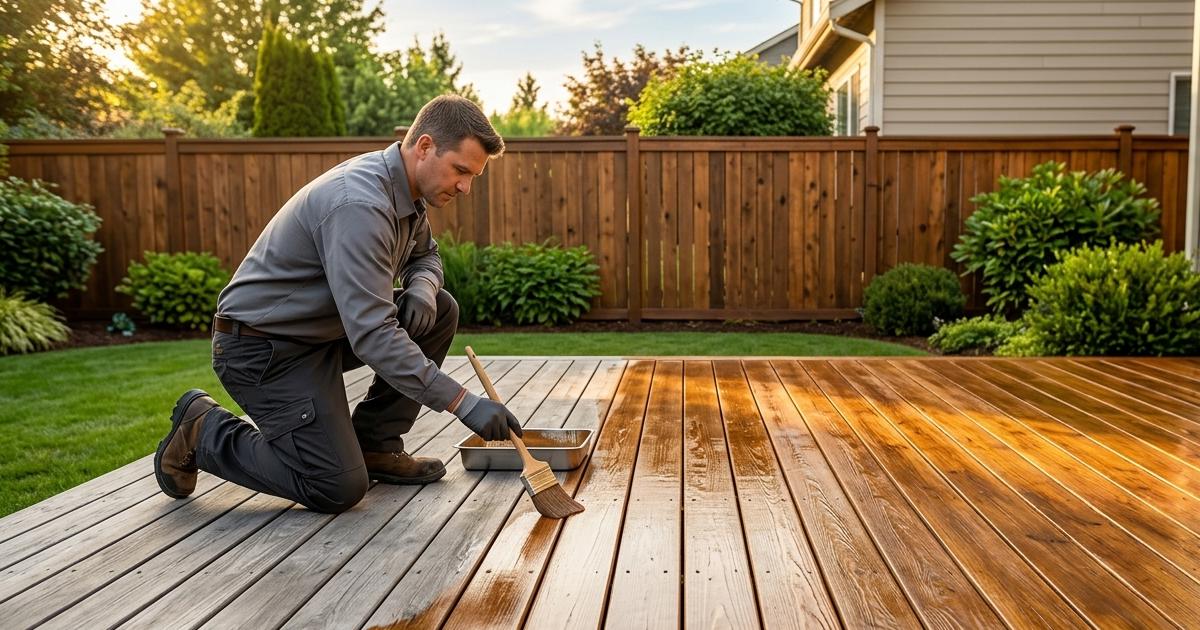
A deck on the south-facing side of a home in Arizona receives vastly more UV radiation and thermal cycling than a shaded fence on the north side of a property in the Pacific Northwest. Sun exposure accelerates the breakdown of coating films, oxidizes wood fibers, and drives moisture in and out of the wood repeatedly throughout the day. A heavily exposed deck may need attention every one to two years, while a protected surface could comfortably extend to three years or more between applications.
Wood Species and Density Matter
Dense, naturally oily wood species such as teak, ipe, and certain cedars have inherent resistance to moisture and biological growth. However, these same oils can interfere with coating adhesion if the surface is not properly prepared. Softer, more porous woods like pine absorb coatings more readily but also lose that protection faster under environmental stress. Knowing the wood species you are working with is essential to setting accurate resealing expectations with your clients.
Original Application Quality
This is perhaps the most underappreciated factor. A premium sealer like WOOD Rx, applied correctly on a properly prepared surface, will consistently outperform a lesser product — or even a superior product applied improperly. When contractors invest in surface preparation and use proven products, resealing intervals naturally extend. That means higher-value jobs, fewer callbacks, and stronger client confidence.
General Resealing Guidelines for Decks and Fences
While every project is unique, there are practical guidelines that contractors and homeowners can use as a starting framework. These intervals assume quality product application and reasonable surface preparation.
- Horizontal deck boards: Typically require resealing every 1 to 3 years due to standing water, foot traffic, and direct sun exposure.
- Vertical fence boards: Generally maintain protection for 2 to 5 years, as they shed water naturally and experience less physical wear.
- Deck railings and posts: Often fall between these ranges depending on height, exposure, and material density.
- Pergolas and overhead structures: Benefit from inspection every 2 years, with resealing as needed based on surface condition.
- Commercial boardwalks and high-traffic decks: May require annual maintenance due to the volume of foot traffic and environmental stress.
The best practice is to encourage clients to perform a simple water bead test annually. If water soaks into the wood rather than beading on the surface, the coating has reached the end of its effective life and resealing should be scheduled promptly. This simple test empowers homeowners to self-monitor and call you before serious damage occurs — which is exactly the kind of proactive client relationship that sustains a growing business.
What Happens When Resealing Is Delayed
This is where the conversation shifts from maintenance scheduling to real financial consequences — and it is a conversation worth having with every client who hesitates on timing.
Moisture Intrusion and Wood Degradation
Once a sealer fails, wood becomes fully exposed to moisture cycling. Water enters the wood fibers during rain and humidity, then expands and contracts as temperatures change. Over time, this process causes checking, cracking, and splitting. In more extreme cases, especially in consistently damp environments, fungal growth and rot can take hold. What began as a resealing job can quickly escalate into a board replacement project — or worse, a full deck rebuild.
UV Graying and Surface Oxidation
Unprotected wood exposed to ultraviolet radiation undergoes photodegradation. The lignin that holds wood fibers together breaks down, leaving a gray, fibrous surface that feels rough and looks aged. While this is largely cosmetic in the early stages, continued UV exposure weakens the surface structure itself. Restoration becomes far more labor-intensive once this graying sets in, requiring aggressive cleaning, possibly sanding, and additional preparation steps before any new coating can be applied effectively.
The Cost of Waiting Compounds Over Time
This is the business case that resonates most clearly with budget-conscious property owners. A routine resealing application costs a fraction of what board replacement or full structural repair demands. When contractors communicate this reality with data and visual examples from past projects, clients tend to make far better long-term decisions — and they remember who educated them when it is time to refer someone else.
How INSECO's WOOD Rx Extends Resealing Cycles
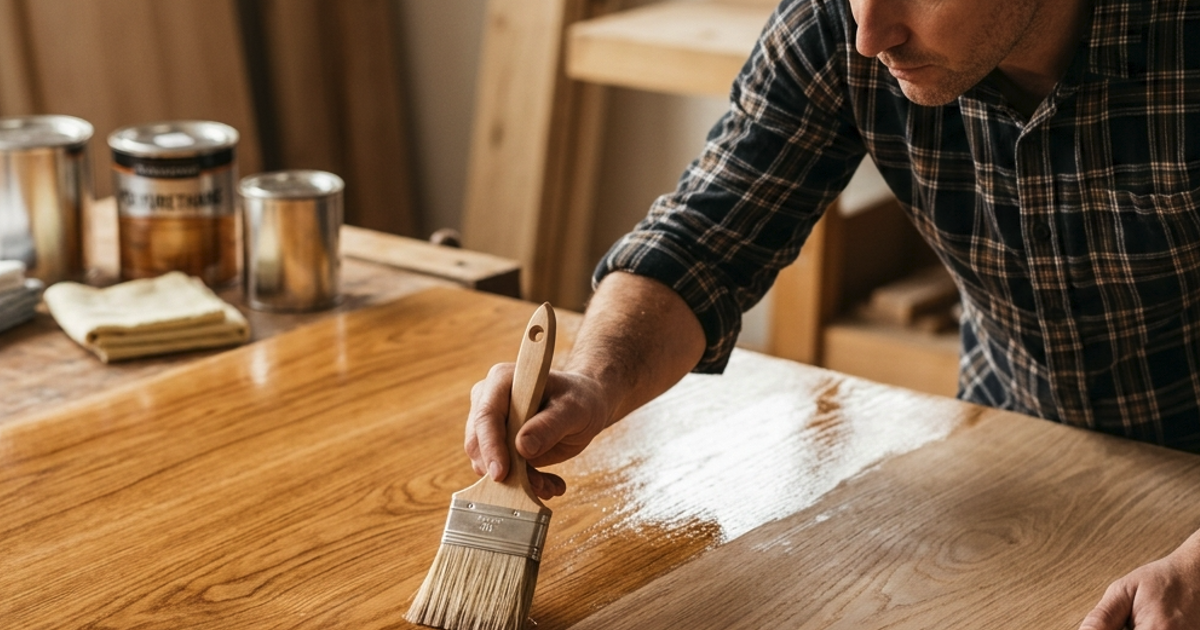
Not all sealers perform equally when it comes to longevity. WOOD Rx was developed specifically to deliver deep penetrating protection that works from within the wood fiber rather than sitting as a surface film that peels and cracks over time. This penetrating formulation bonds with the wood itself, creating a durable barrier against moisture, UV damage, and biological growth that holds up longer under real-world conditions.
For contractors, this translates into an important competitive advantage. When you apply WOOD Rx, you are applying a product that will hold up long enough for your work to speak for itself — and short enough that clients will need your services again within a reasonable timeframe. That balance of quality and realism is what builds sustainable contractor businesses. Clients who see their surfaces aging gracefully rather than failing prematurely are clients who come back and send referrals.
Turning the Resealing Schedule Into a Business Growth Tool
Here is the growth insight that separates thriving coatings contractors from those who are always chasing the next new customer: your existing clients represent enormous untapped revenue. A deck sealed today is a maintenance call in two to three years. A fence sealed this spring is a touch-up opportunity in four years. A commercial property portfolio with five wood surfaces is a recurring annual maintenance contract waiting to be structured.
Contractors who adopt a proactive client outreach system — tracking application dates, scheduled follow-ups, and inspection offers — convert one-time jobs into long-term relationships. INSECO supports this approach through comprehensive technical resources and product guidance that help contractors speak authoritatively about resealing timelines, product selection, and preparation requirements. When you know your product deeply, you sell with confidence. And when clients trust your expertise, they stop shopping around.
The resealing question is not just a technical one. It is a business development opportunity that rewards contractors who take education seriously and use premium products they can genuinely stand behind. With INSECO and WOOD Rx in your toolkit, you have both the knowledge and the product performance to build the kind of reputation that grows a business year after year.