



Every year, homeowners and commercial property managers spend billions of dollars replacing wood decks, concrete driveways, brick paver walkways, and natural stone surfaces that could have been preserved for a fraction of the cost. The culprit is almost never a single catastrophic event. It is the slow, steady accumulation of damage caused by moisture intrusion, UV radiation, freeze-thaw cycles, biological growth, and simple neglect. For business owners in the coatings and property maintenance space, this reality represents both a challenge and a profound opportunity.
Understanding the true financial and operational cost of ignoring surface protection is one of the most powerful conversations you can have with a prospective client. When the numbers are laid out clearly, the value of a premium specialty coating product like WOOD Rx or a professional-grade concrete sealer becomes immediately self-evident. This is not a sales pitch. It is a matter of mathematics, material science, and long-term asset management.
The Financial Reality of Surface Neglect
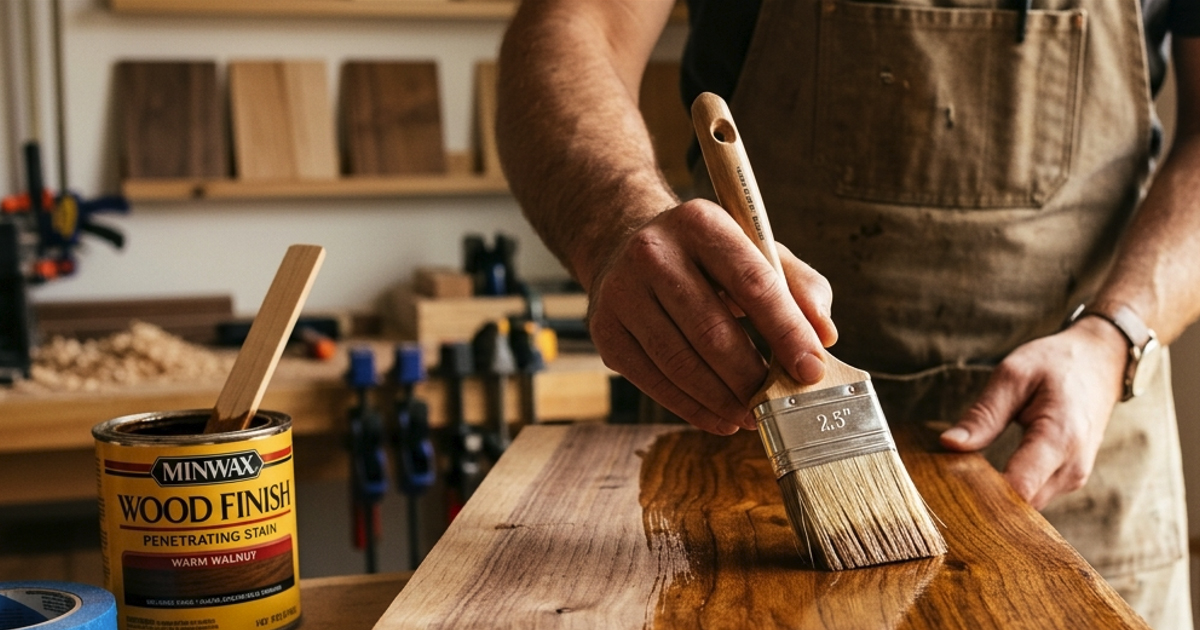
Most property owners do not think of their driveway, deck, or patio as a significant investment until the moment they receive a replacement quote. At that point, the conversation changes entirely. A standard pressure-treated wood deck that costs between eight thousand and fifteen thousand dollars to build can require full replacement in as little as five to seven years if left completely unprotected. The same deck, properly sealed with a quality wood sealer applied on a regular maintenance schedule, can last twenty years or more with periodic recoating.
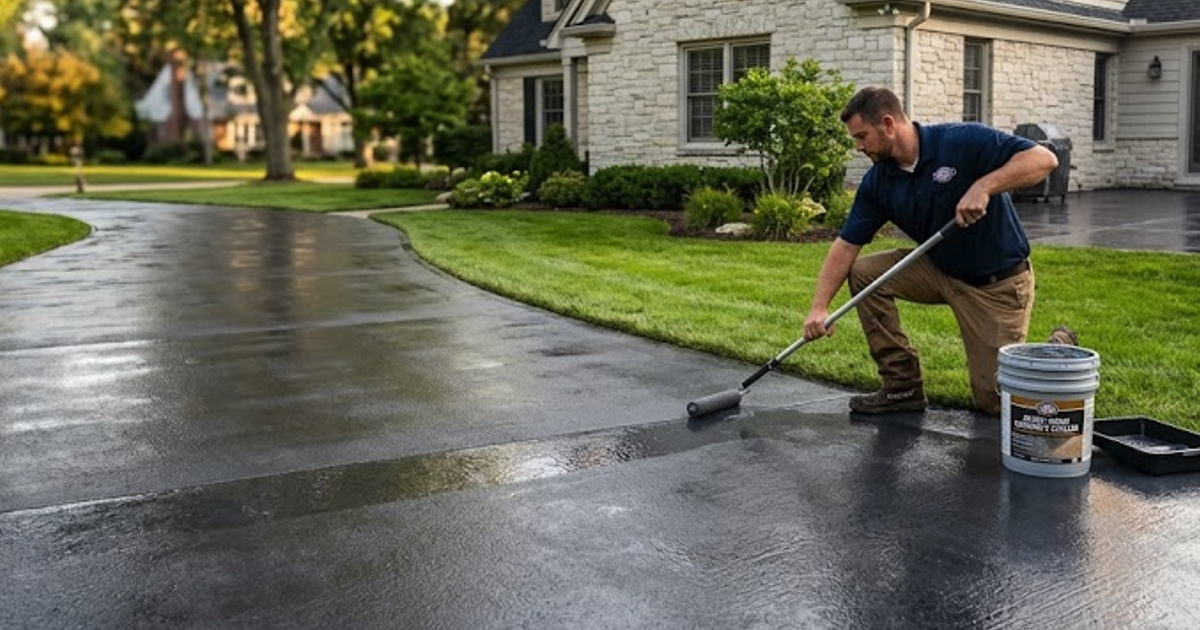
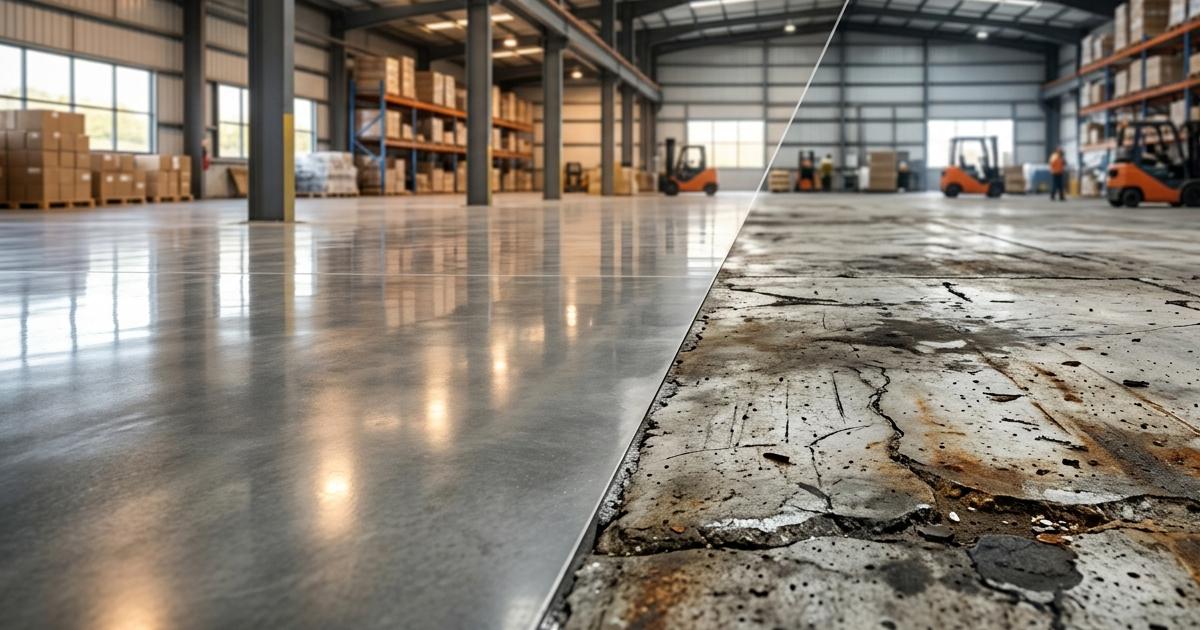
The economics of concrete are equally stark. An unsealed concrete driveway in a climate with significant seasonal temperature variation will begin showing surface scaling, cracking, and spalling within just a few years. Full concrete driveway replacement costs can range from four thousand dollars to well over ten thousand dollars depending on size and complexity. A professional-grade concrete coating applied at the right time and maintained properly can defer that replacement cost almost indefinitely while maintaining the structural integrity and appearance of the surface.
Breaking Down the Numbers for Your Clients
When you are speaking with a homeowner or a commercial facilities manager about surface protection investment, consider walking them through a simple cost comparison. The goal is not to overwhelm them with data but to reframe how they think about maintenance spending.
- Wood deck replacement: $8,000 to $20,000+ depending on size, materials, and labor — versus annual or biannual sealing costs of $300 to $800 for a typical residential deck.
- Concrete driveway replacement: $4,000 to $12,000 — versus a professional sealing application every two to four years at a fraction of that cost.
- Brick paver resetting and replacement: $5,000 to $15,000 for a full driveway or patio — versus periodic sealing that prevents weed intrusion, joint sand erosion, and surface fading.
- Natural stone restoration: High-quality natural stone that has etched, stained, or structurally degraded can cost thousands to restore or replace — versus a preventive impregnating sealer applied during installation and maintained regularly.
When presented this way, the math speaks for itself. The return on investment for quality surface protection is not marginal. It is overwhelmingly positive, and most clients recognize that fact immediately once it is framed in dollars and years rather than products and application processes.
How Damage Actually Accumulates Over Time
One of the most important things a coatings professional can communicate to clients is that surface deterioration is rarely visible in its early stages. By the time cracking, spalling, discoloration, or structural compromise becomes obvious, significant damage has already occurred beneath the surface. Understanding the mechanisms of this damage helps property owners appreciate why early and consistent protection matters so much.
Moisture: The Primary Driver of Surface Failure
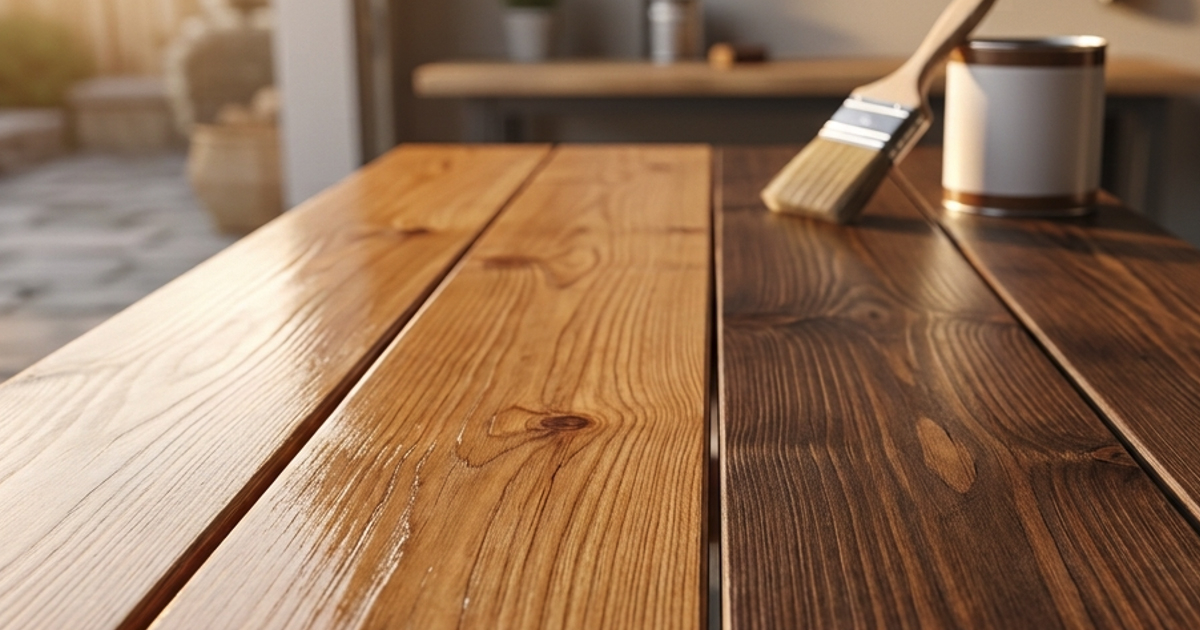
Water is the single most destructive force acting on nearly every exterior surface material. Wood is hygroscopic, meaning it naturally absorbs and releases moisture as environmental humidity fluctuates. This constant movement causes wood fibers to swell, contract, crack, and eventually break down. Without a quality penetrating wood sealer to regulate this moisture exchange, the cellular structure of the wood deteriorates progressively with each seasonal cycle.
For concrete and masonry surfaces, moisture intrusion creates a different but equally damaging set of problems. Water penetrates the porous surface structure and then expands as it freezes, creating internal pressure that fractures the material from within. Over multiple freeze-thaw cycles, this process causes progressive surface scaling and eventually deep structural cracking. A quality concrete or masonry sealer creates a barrier that dramatically reduces moisture absorption, effectively interrupting this destructive cycle before it begins.
UV Radiation and Oxidation
Ultraviolet radiation from sunlight attacks the surface chemistry of wood, concrete, and stone surfaces continuously whenever they are exposed. In wood, UV radiation breaks down lignin, the natural binding compound that gives wood fibers their structural cohesion and color. The result is the familiar gray, weathered appearance of unprotected wood, accompanied by surface fiber breakdown and increasing porosity. In concrete and stone, UV exposure contributes to surface oxidation and color fading that reduces aesthetic value and can accelerate surface wear.
Quality specialty coatings incorporate UV-blocking chemistry that absorbs or reflects ultraviolet radiation before it can penetrate and damage the substrate. This is one of the key technical differentiators between premium products like those developed by INSECO and commodity sealers that may offer surface-level moisture resistance but lack meaningful UV protection.
Biological Growth and Chemical Attack
Mold, mildew, algae, and moss are not simply cosmetic problems. These biological organisms actively colonize porous surface materials and contribute to structural breakdown over time. Their root systems penetrate microscopic surface pores, expanding as they grow and introducing organic acids that degrade both wood and masonry materials. Properly formulated specialty coatings create an inhospitable environment for biological colonization by reducing surface porosity and incorporating chemistry that resists fungal and algae growth.
Turning Cost Savings Into a Business Growth Conversation
For coatings business owners and contractors, the cost-savings narrative around surface protection is one of the most effective business development tools available. When you can demonstrate to a commercial property manager or a residential homeowner that your service offering directly protects the long-term value of their property investment, you are no longer selling a coating. You are selling asset protection, risk management, and financial prudence.
This framing also opens the door to recurring revenue relationships that are foundational to sustainable business growth. A one-time deck sealing job becomes an annual or biannual maintenance contract. A single concrete coating project for a commercial property manager becomes a portfolio-wide maintenance agreement covering parking structures, walkways, and loading areas. The initial conversation about cost savings becomes the foundation of a long-term client relationship built on demonstrated value.
Educating the Market Creates Competitive Advantage
Many contractors compete purely on price, which is a race to the bottom with no sustainable destination. The contractors and businesses that consistently grow their revenue and reputation are those who invest in client education. When your team can clearly articulate the science of surface damage, the economics of prevention versus replacement, and the specific performance advantages of the products you use, you differentiate yourself in a way that price alone cannot match.
INSECO has built its reputation over more than twenty-five years on exactly this foundation. Technical knowledge, premium product performance, and comprehensive client support are not marketing slogans. They are the operational principles that have made INSECO's product line, including the flagship WOOD Rx wood sealer, a trusted choice for professional contractors and homeowners who understand that surface protection is a long-term investment, not a commodity purchase.
The bottom line is straightforward. Surfaces that are properly protected with quality specialty coatings last longer, look better, and cost significantly less to maintain over their service life. Every dollar spent on prevention consistently outperforms every dollar spent on remediation or replacement. Building your business around that truth, and communicating it clearly to every prospect and client, is one of the most powerful growth strategies available to any coatings professional today.