



Water is one of the most destructive forces your surfaces will ever face. Whether you are managing a commercial property or maintaining your home, moisture intrusion is the leading cause of surface deterioration, structural damage, and costly repairs. When you combine persistent moisture with organic growth like mold and mildew, the damage compounds quickly. Understanding how specialty coatings work to stop this cycle at the source is not just a matter of product knowledge — it is a matter of protecting your investment and building a smarter maintenance strategy for the long term.
At INSECO, we have spent more than 25 years formulating premium specialty coatings designed to create durable barriers against moisture, mold, and the full range of environmental threats that affect wood, concrete, brick pavers, and natural stone. The science behind these coatings is sophisticated, but the business case is straightforward: stop moisture before it starts, and you dramatically reduce repair costs, client callbacks, and surface replacement timelines.
Why Moisture Is the Enemy of Every Surface You Work With
Most people think of water damage as something dramatic — a flood, a burst pipe, or a major storm. In reality, the most damaging moisture exposure happens gradually. Rain, dew, humidity, and ground moisture work their way into porous surfaces over time. Once water penetrates a surface, it begins a cycle of expansion and contraction as temperatures shift. This cycle creates micro-fractures in wood, concrete, and stone that grow larger with every wet-dry cycle.
Wood Surfaces and Moisture Absorption
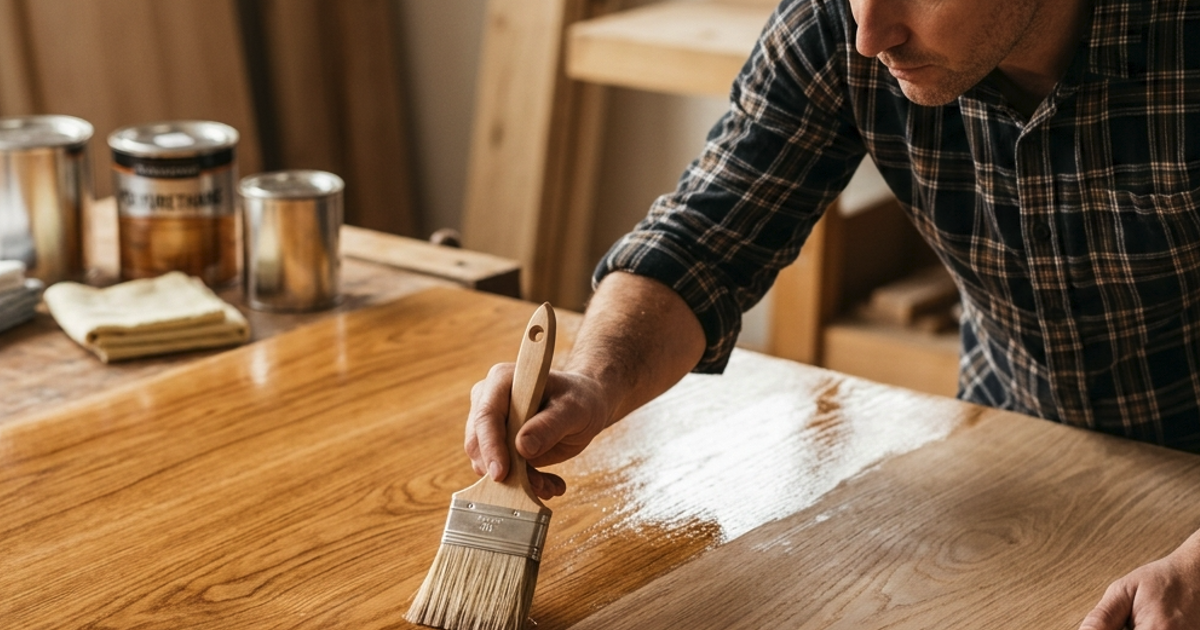
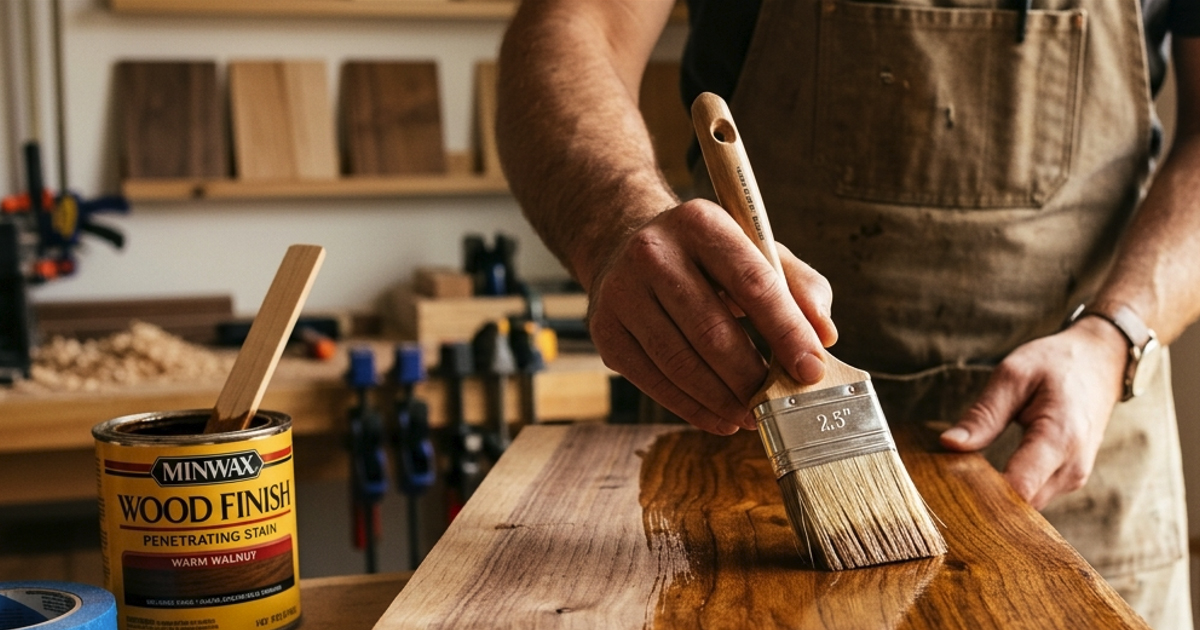
Wood is particularly vulnerable because it is inherently porous and hygroscopic, meaning it naturally absorbs and releases moisture from its surrounding environment. When wood absorbs water, it swells. When it dries, it contracts. This repeated movement leads to warping, cracking, splitting, and ultimately structural failure. Decks, fences, pergolas, siding, and timber structures are all subject to this ongoing stress. Without a high-quality sealer in place, exposed wood surfaces will show visible deterioration within one to two seasons in most climate conditions.
Concrete and Paver Vulnerability
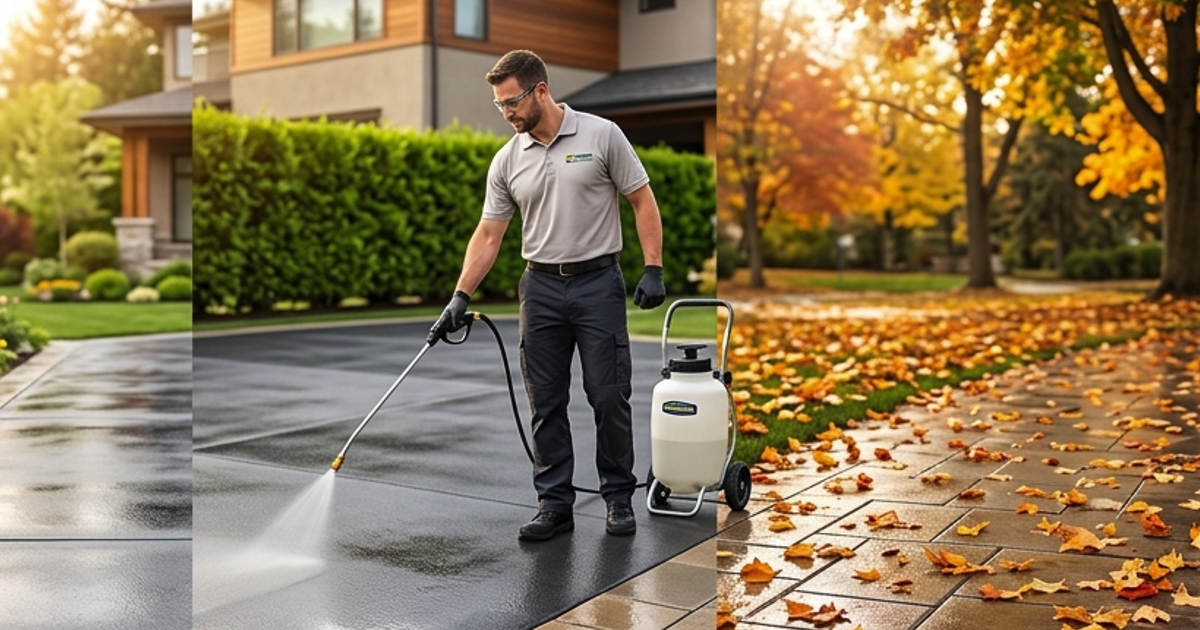
Concrete and brick pavers face a different but equally serious moisture threat. Water that penetrates concrete can cause spalling, efflorescence — the white powdery residue caused by salt migration — and freeze-thaw damage in colder climates. Brick pavers absorb moisture through their surface and joints, leading to erosion, weed growth, and structural shifting. In both cases, the surface looks compromised long before the structural damage becomes fully visible, which creates a perception problem for commercial properties and a maintenance headache for homeowners.
Natural Stone and the Hidden Moisture Problem
Natural stone presents a unique challenge because its visual appeal depends heavily on its surface integrity. Marble, travertine, slate, and limestone are all prone to moisture-related staining, etching, and biological growth. Wet stone surfaces in outdoor settings become magnets for algae, moss, and mold, creating both a visual and safety issue. Sealing natural stone properly interrupts the moisture absorption cycle before it starts.
How Specialty Coatings Create a Moisture Barrier
The core function of any quality sealer is to reduce or eliminate the surface's ability to absorb water. However, not all coatings achieve this the same way, and understanding the difference matters significantly when recommending products to clients or selecting the right solution for your own property.
Penetrating Sealers vs Film-Forming Coatings
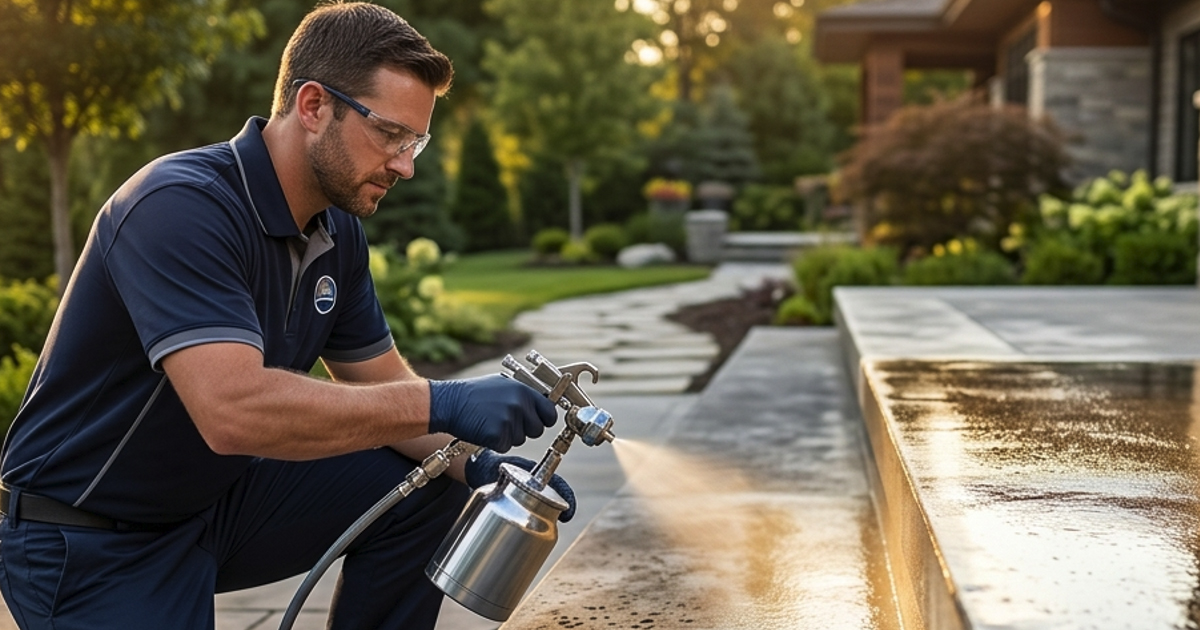
Penetrating sealers, also called impregnating sealers, work by absorbing into the surface structure itself and chemically bonding with the substrate. Rather than sitting on top of the surface, these products fill the pores within the material, creating a hydrophobic barrier from within. Water beads on the surface and cannot penetrate, but the surface retains its natural appearance and breathability. This is the technology behind INSECO's premium wood sealing products, including WOOD Rx, which penetrates deeply into wood fibers to provide long-lasting moisture resistance without creating a plastic-looking film.
Film-forming coatings, by contrast, create a physical layer on top of the surface. These work well in applications where abrasion resistance is important, such as garage floor coatings or heavy-traffic concrete surfaces. However, film-forming products can trap moisture beneath the surface if applied improperly or over surfaces that are not fully dry, leading to bubbling, peeling, and adhesion failure. This is why proper surface preparation is non-negotiable regardless of the coating type you select.
Hydrophobic Chemistry and Water Repellency
The chemistry behind hydrophobic sealers involves molecular structures that repel water at a surface level. Siloxane and silane-based formulations are common in concrete and masonry sealers because these molecules bond tightly with silica-containing materials. For wood applications, oil-based and resin-based penetrating formulas achieve similar results by occupying the cellular structure of the wood and blocking moisture pathways. INSECO's R&D process focuses on optimizing these molecular interactions for real-world performance, including extended UV resistance and compatibility with regional climate conditions.
How Coatings Inhibit Mold and Mildew Growth
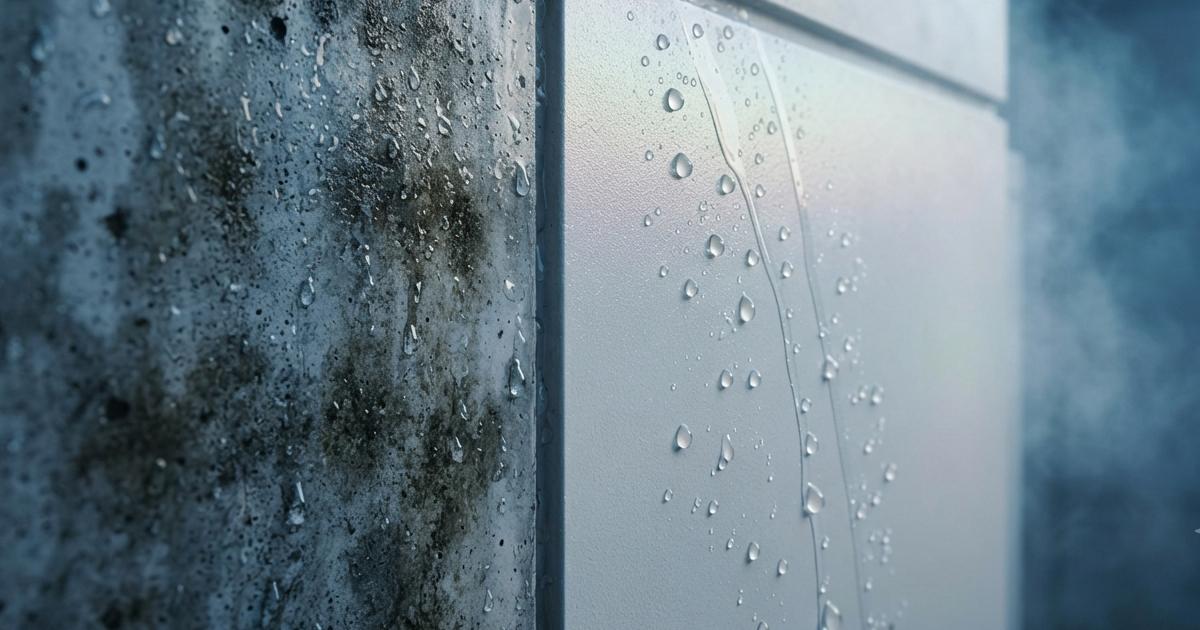
Moisture control and mold prevention are directly linked. Mold requires three things to grow: moisture, organic material, and a temperature range that supports biological activity. Remove moisture from the equation, and mold growth becomes nearly impossible. High-quality specialty coatings address this by creating the moisture barrier that starves mold at its source.
Biocide Additives in Premium Coatings
Beyond moisture resistance, some premium coatings incorporate mildewcide and biocide additives directly into the formulation. These additives inhibit the growth of algae, mold, and mildew on the surface itself, adding an additional layer of protection in high-humidity environments or shaded areas where biological growth is particularly aggressive. For commercial properties in humid regions or residential decks surrounded by vegetation, this feature significantly extends the effective life of the coating and reduces maintenance frequency.
The Business Impact of Mold Prevention
For contractors and property managers, mold-related surface damage is one of the most common service callbacks. A surface that develops visible mold growth within one or two seasons is a credibility issue for your business. Recommending and applying a product specifically engineered to resist biological growth positions your company as a forward-thinking service provider that delivers lasting results. It reduces callbacks, increases client satisfaction, and strengthens your reputation in the market.
Key Factors That Determine Coating Effectiveness Against Moisture and Mold
Selecting the right product is only part of the equation. The following factors determine whether a coating will deliver its full protective potential in the field:
- Surface Preparation: All coatings perform best on clean, dry, properly prepared surfaces. Dirt, oils, old sealers, and residual moisture will all compromise adhesion and penetration depth.
- Application Rate and Coverage: Under-application creates thin spots where moisture can break through. Following manufacturer specifications for coverage rate is critical to achieving a consistent, effective barrier.
- Surface Porosity: More porous surfaces may require multiple coats to achieve full saturation and protection. Testing with a water drop before application helps determine the surface's current absorption level.
- Environmental Conditions at Time of Application: Applying coatings in high humidity, direct sunlight, or temperatures outside the product's recommended range will negatively affect cure quality and long-term performance.
- Product Quality: Premium specialty coatings from manufacturers like INSECO contain higher concentrations of active ingredients, UV stabilizers, and performance additives compared to commodity-grade products available at big-box retailers.
- Reapplication Schedule: Even the best coatings are not permanent. Following a scheduled maintenance and reapplication program ensures that the moisture barrier remains intact over time.
Building a Business Case Around Moisture and Mold Protection
For contractors, property managers, and business owners in the coatings and maintenance industry, the conversation around moisture and mold protection is one of the most powerful selling points available to you. Clients do not always understand the science, but they understand the cost of water damage, the visual impact of mold, and the expense of surface replacement. Your ability to connect high-quality specialty coatings to real-world outcomes — reduced maintenance costs, longer surface life, better appearance — is what separates a transactional product sale from a value-driven service relationship.
INSECO supports its contractor and distributor network with comprehensive technical assistance to help you have these conversations confidently and back them up with products that consistently deliver. When your clients see that sealed surfaces hold up against moisture and mold season after season, your reputation as a trusted surface protection expert grows alongside your business.
Moisture may be invisible in its early stages, but its consequences are anything but. Invest in the right coatings, apply them correctly, and maintain them on schedule. That is the foundation of lasting surface protection — and the foundation of a coatings business built to grow.