



When it comes to protecting wood surfaces, the product you choose matters — but so does how you apply it. INSECO's flagship wood sealer, WOOD Rx, has earned its reputation as one of the most trusted and high-performing wood sealers in the industry. Yet even the best product in the world can underdeliver when application steps are rushed, skipped, or misunderstood. Whether you are a homeowner protecting your backyard deck or a commercial contractor managing large-scale wood surface projects, understanding how to apply WOOD Rx correctly is the difference between a surface that lasts for years and one that requires premature reapplication.
This guide covers everything you need to know to get the best possible results from WOOD Rx — from surface conditions and timing to technique and post-application care. For contractors, these insights also translate directly into stronger client outcomes, reduced callbacks, and a growing reputation built on quality workmanship.
Why Application Technique Matters as Much as Product Quality
Specialty coatings like WOOD Rx are engineered with precision. The formulation is designed to penetrate wood fibers at the molecular level, creating a durable barrier against moisture, UV damage, mildew, and the natural weathering that degrades unprotected wood over time. However, that engineering only performs as intended when the product is applied under the right conditions and with the right technique.
A common mistake both homeowners and inexperienced contractors make is treating a premium sealer like a standard paint or stain. These are fundamentally different products with different application requirements. Applying WOOD Rx too thick, too thin, in the wrong temperature range, or over an improperly prepared surface will compromise its ability to bond and penetrate correctly — reducing its protective performance and longevity.
Understanding Wood Rx as a Penetrating Sealer
WOOD Rx is a penetrating sealer, which means it is designed to absorb into the wood rather than sit on top of it as a film-forming product would. This distinction is critical to how you approach application. The wood must be clean, dry, and open-grained enough to absorb the product. If the surface is saturated with moisture, contaminated with old sealers, or sealed with a film-forming product, WOOD Rx will not be able to penetrate and will not perform as designed.
This is why surface preparation — covered separately in our preparation guide — is not just a recommended step. It is a non-negotiable foundation for every successful WOOD Rx application.
Optimal Conditions for WOOD Rx Application
Timing and environmental conditions play a significant role in how well WOOD Rx bonds to wood. Getting these conditions right is one of the most actionable ways contractors can improve results and protect their professional reputation with every job.
Temperature and Weather Windows
WOOD Rx should be applied when temperatures are within the recommended range — typically between 50°F and 90°F. Applying in temperatures that are too low can slow the absorption and curing process, while applying in extreme heat can cause the product to dry too quickly on the surface before it has time to penetrate properly. Avoid application in direct, intense sunlight on surfaces that have been absorbing heat throughout the day. Early morning or late afternoon application in summer months often yields better results.
Rain is perhaps the biggest enemy of a fresh WOOD Rx application. The surface must be dry before application begins, and there should be no rain in the forecast for at least 24 to 48 hours after application. Moisture introduced during the curing window will disrupt the bonding process and can lead to blotchy, uneven results. For contractors scheduling jobs in advance, building weather flexibility into your project timeline is a smart operational habit.
Wood Moisture Content
One of the most overlooked variables in sealer application is the moisture content of the wood itself. Wood that has been recently rained on, pressure washed, or exposed to humidity needs adequate drying time before sealing. As a general guideline, wood moisture content should be below 15% for optimal penetration. Moisture meters are inexpensive tools that contractors should have on every job site. They remove the guesswork and give you data-backed confidence that the surface is ready.
Step-by-Step WOOD Rx Application Best Practices
Following a consistent, disciplined application process is what separates professionals who get excellent results from those who get variable results. Below is a structured approach to WOOD Rx application that works for decks, fences, pergolas, log homes, siding, and other wood surfaces.
Step One: Final Surface Inspection
Before opening a can of WOOD Rx, walk the entire surface and inspect for any issues that could affect the application. Look for raised grain, splinters, areas of previous coating that were not fully removed, or sections that are visibly wetter than others. Address any remaining preparation issues before proceeding.
Step Two: Stir, Do Not Shake
WOOD Rx should be stirred thoroughly before and periodically during application to ensure the formulation remains consistent throughout the job. Shaking introduces air bubbles that can affect application quality. Use a quality stir stick or mechanical mixer on a low setting and stir slowly for at least two to three minutes before beginning.
Step Three: Apply Liberally and Evenly
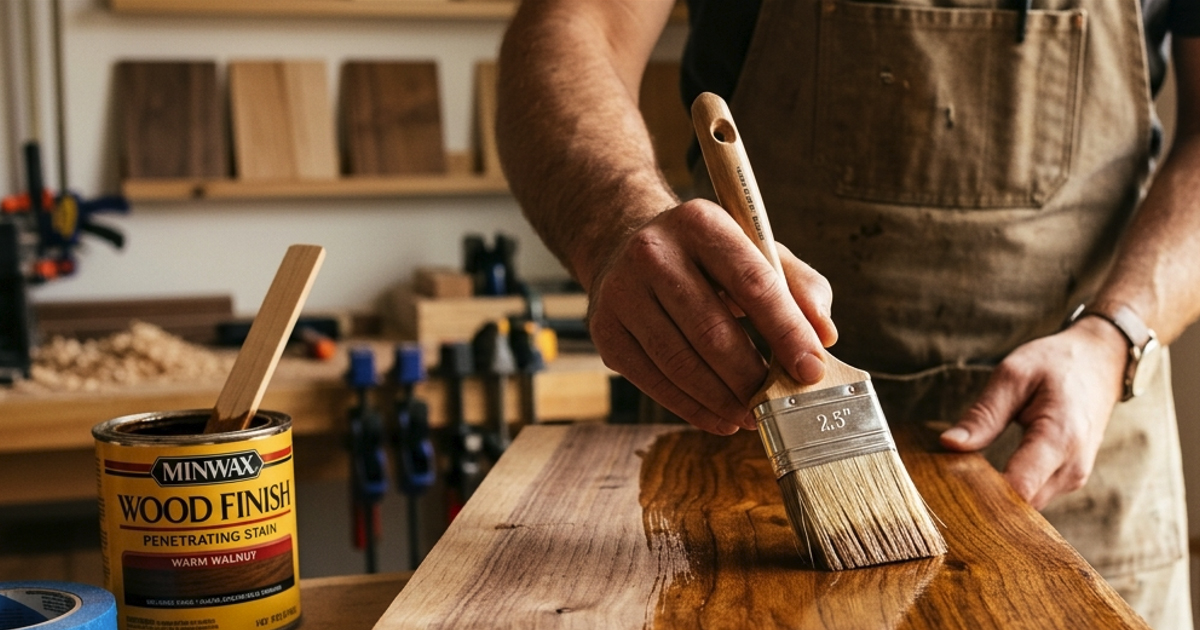
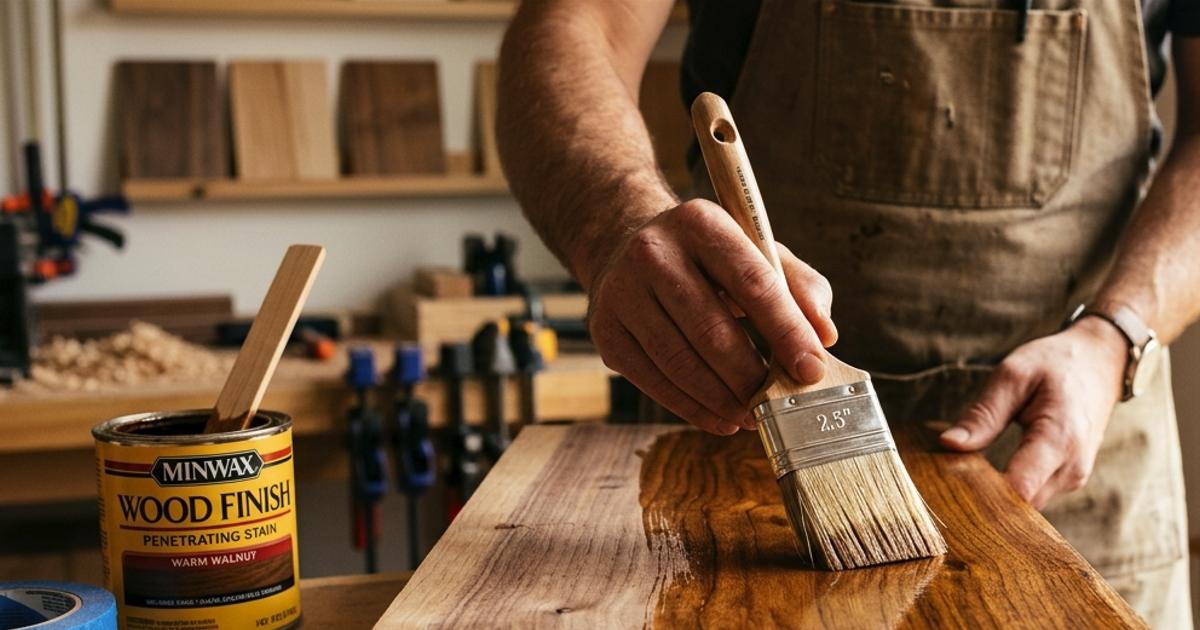
WOOD Rx is designed to be applied liberally. Unlike paint, you want the wood to absorb as much of the product as it is willing to take. Use a quality brush, roller, or pump sprayer depending on the surface type and configuration. Brushes work exceptionally well for detailed work, railings, and spindles. Rollers are efficient for flat deck boards. Sprayers can speed up large horizontal surfaces, though back-brushing or rolling immediately after spraying ensures even penetration and eliminates excess pooling.
Step Four: Work in Manageable Sections
Avoid applying WOOD Rx across an entire large surface at once without working in sections. This is particularly important on hot days when the surface temperature is higher. Working in sections allows you to monitor absorption in real time and ensure that no area dries before it has been worked into the wood properly. On deck boards, work with the grain and complete the full length of individual boards before moving on.
Step Five: Remove Excess Product
Any product that has not absorbed into the wood within 20 to 30 minutes should be wiped or brushed out to prevent surface buildup. Puddles or pools of product left on the surface will dry into a sticky film or tacky residue that attracts dirt and can peel over time. Removing excess is not a waste — it is a critical finishing step that ensures a clean, even result.
Step Six: Allow Proper Cure Time
WOOD Rx requires adequate cure time before the surface is returned to use. Light foot traffic is typically acceptable within 24 hours under ideal conditions, but full cure — meaning the coating has fully hardened and bonded — can take 48 to 72 hours depending on temperature and humidity. Educating clients about cure time expectations is an important part of every job handoff. It prevents premature use that can damage the finish and protects your professional reputation.
Common WOOD Rx Application Mistakes to Avoid
Even experienced applicators can fall into habits that undermine results. Being aware of the most common mistakes allows you to actively avoid them on every project.
- Applying over a damp or wet surface — Always verify moisture content before application. This is especially critical after pressure washing during preparation.
- Applying in direct midday sun on hot surfaces — Surface temperature matters, not just air temperature. Move applications to cooler parts of the day when necessary.
- Using low-quality applicators — Cheap brushes or rollers leave streaks, bubbles, and uneven coverage. Invest in quality application tools that complement the quality of the product.
- Skipping the stir step — Product separation can occur during storage. Insufficient stirring leads to inconsistent formulation and uneven results.
- Over-applying in a single coat without removing excess — More product does not always mean more protection. Excess product that cannot penetrate must be removed to avoid surface buildup.
- Ignoring the forecast — Rain during or shortly after application is one of the most damaging things that can happen to a fresh coat. Always check and plan around the weather.
- Resealing too soon without proper preparation — Applying WOOD Rx over an old coat that was not properly removed creates a bonding failure waiting to happen.
How WOOD Rx Application Excellence Builds Your Business
For contractors and service businesses, the value of WOOD Rx application expertise extends well beyond individual job quality. When your clients see surfaces that remain protected, vibrant, and structurally sound years after your application, that result speaks louder than any marketing material. It generates referrals, repeat business, and the kind of trust that clients do not give lightly.
INSECO supports contractors not just with industry-leading products but with comprehensive technical assistance designed to ensure that every application meets the highest standards. Whether you are new to specialty coatings or an experienced applicator looking to refine your process, INSECO's team is available to help you get the most out of every product.
The coatings business rewards those who take the craft seriously. By mastering WOOD Rx application and building a process that delivers consistent, outstanding results, you are not just protecting wood surfaces — you are building a reputation that becomes one of your most valuable business assets. That is sustainable growth built on a foundation of real expertise and real results.