



Whether you are a homeowner trying to protect a beautiful deck or a contractor looking to expand your service offerings, understanding how to properly seal and protect wood surfaces is one of the most valuable skills you can develop. Wood is one of the most widely used materials in residential and commercial construction, yet it is also one of the most vulnerable. Without the right protection, wood surfaces deteriorate quickly, costing property owners thousands of dollars in premature replacement costs. For contractors, this represents both a challenge and a significant business opportunity.
At INSECO, we have spent over 25 years developing premium specialty coatings that help homeowners and contractors get the most out of every wood surface. In this guide, we will walk you through what it really means to seal and protect wood, why it matters, and how doing it right the first time sets the stage for long-term results and long-term business growth.
Why Sealing Wood Surfaces Is Non-Negotiable
Wood is a natural, porous material. That porosity is part of what makes it beautiful — it absorbs stains, holds finishes, and gives surfaces a warm, organic character. But that same porosity makes wood highly susceptible to damage from moisture, UV radiation, mold, mildew, and environmental contaminants. Left unprotected, wood begins to gray, crack, splinter, and rot. What starts as a cosmetic issue quickly becomes a structural one.
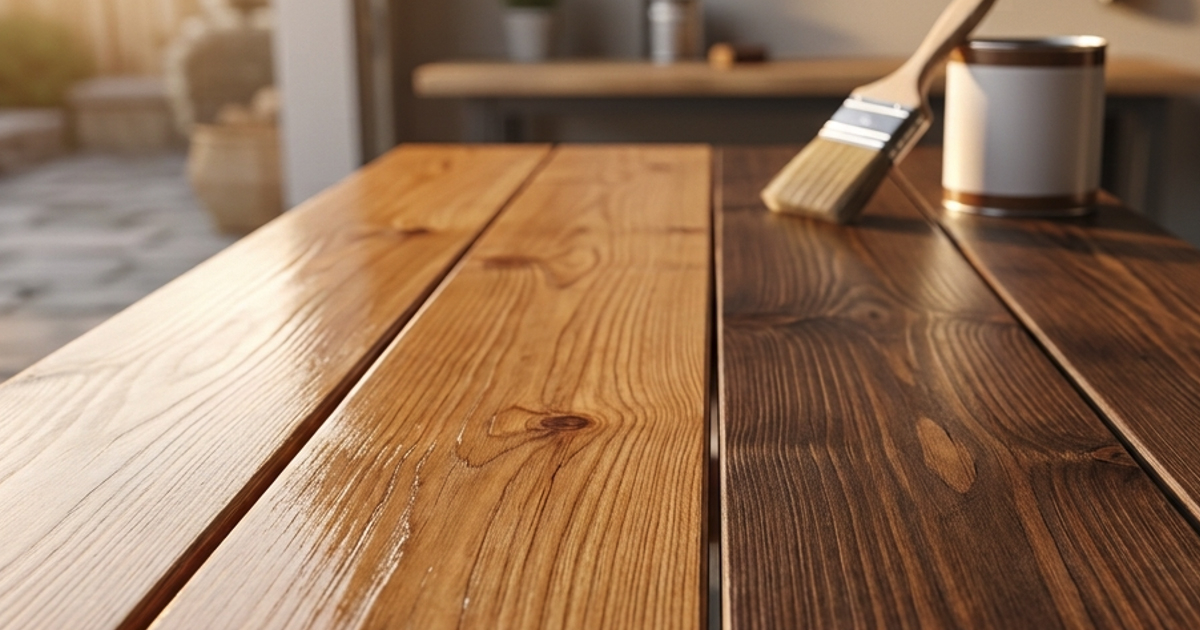
Sealing wood creates a barrier — or in some cases a deep-penetrating layer of protection — that shields the wood from the elements while preserving its natural appearance. A quality sealer like WOOD Rx penetrates into the wood fibers rather than simply sitting on top, which means it bonds with the material at a molecular level and delivers protection that lasts significantly longer than surface-level coatings.
The Difference Between Penetrating Sealers and Film-Forming Coatings
Not all wood protection products work the same way. Penetrating sealers soak into the wood and protect it from within, while film-forming coatings like paints and solid stains create a surface layer that sits on top of the wood. Each approach has its place, but for natural wood surfaces exposed to the elements, penetrating sealers typically offer superior long-term performance because they do not peel, crack, or bubble the way film-forming products can over time.
INSECO's WOOD Rx is engineered as a penetrating sealer, which means contractors and homeowners get a product that works with the natural structure of the wood rather than against it. This is a distinction worth communicating clearly to clients, because it explains why quality matters when selecting a wood sealer.
Step-by-Step: How to Properly Seal Wood Surfaces
Sealing wood surfaces correctly is not complicated, but it does require attention to detail. Skipping steps or rushing the process leads to poor results that reflect badly on any contractor's reputation and leave homeowners frustrated. Follow this process consistently and you will deliver results that speak for themselves.
Step One: Assess the Surface Condition
Before any product is applied, the wood surface must be thoroughly assessed. Look for signs of existing coatings, graying, discoloration, mildew, cracking, raised grain, or structural damage. Identifying these conditions upfront determines what preparation work is needed and which product is most appropriate for the job.
Step Two: Clean the Wood Thoroughly
Wood must be clean before any sealer is applied. Dirt, algae, mildew, and residue from old products will prevent the sealer from bonding properly. Use an appropriate wood cleaner or brightener depending on the condition of the surface. For heavily weathered wood, a wood brightener helps open the grain and restore the wood's pH balance, which improves sealer absorption significantly. Power washing can be effective but must be done carefully to avoid raising the grain or damaging the wood fibers.
Step Three: Allow the Wood to Dry Completely
This step is often rushed and it is one of the most common causes of sealer failure. Wood must reach the appropriate moisture content before any sealer is applied. A general rule of thumb is to allow at least 48 to 72 hours of dry weather after cleaning before application, though this can vary depending on the wood species, ambient humidity, and temperature. Using a moisture meter is always recommended for professional applications.
Step Four: Apply the Sealer Correctly
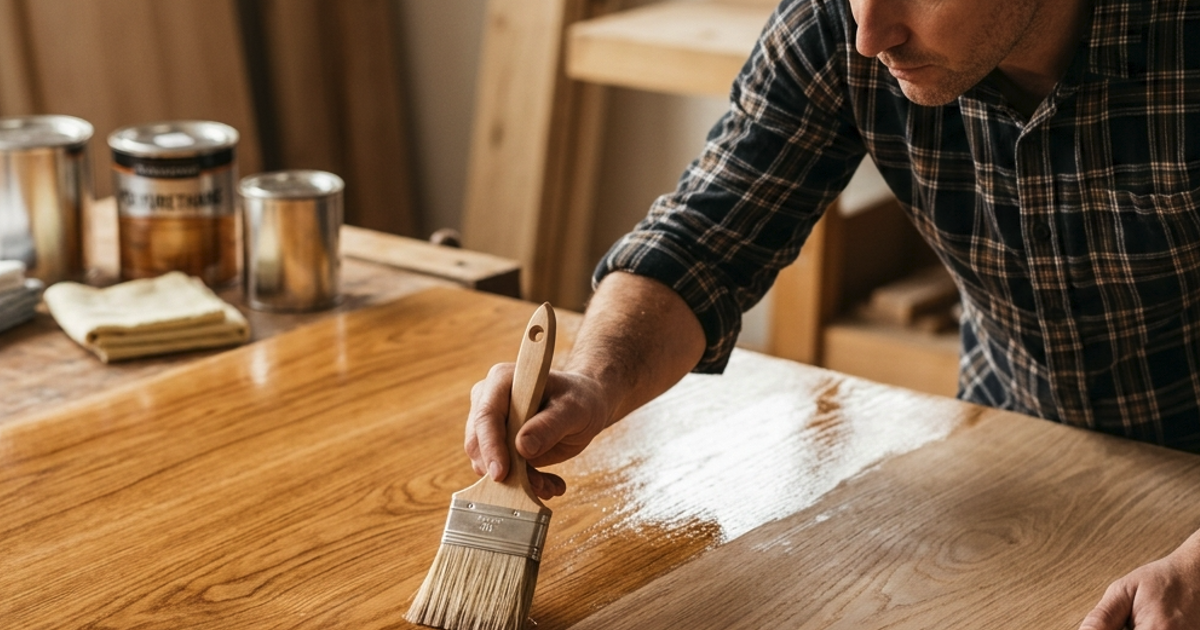
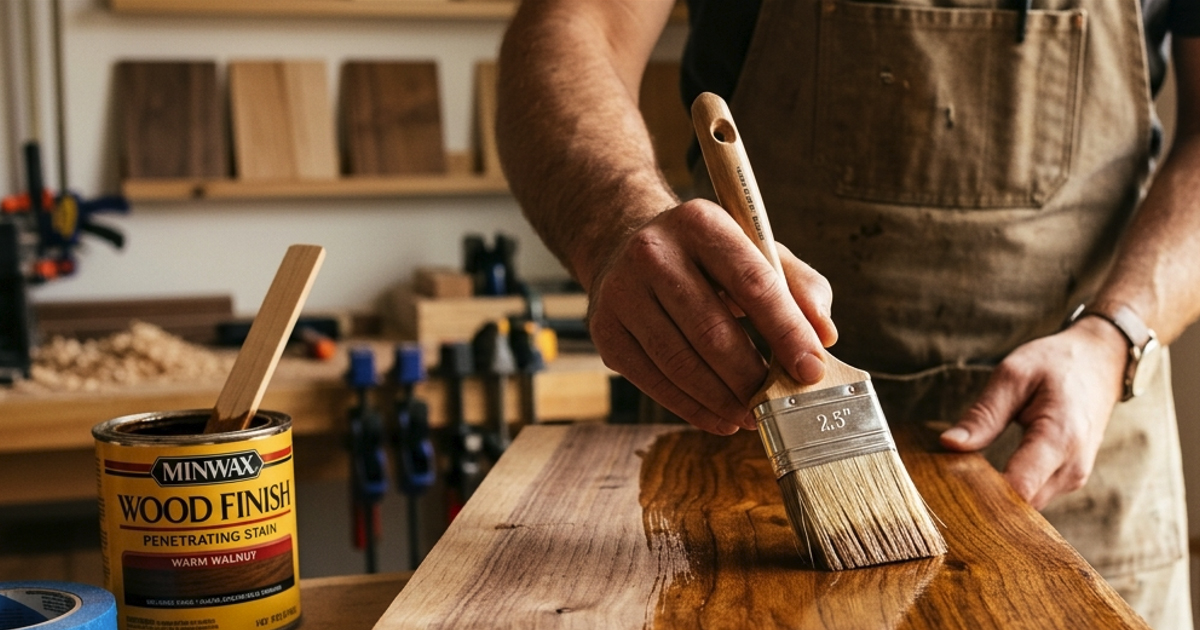
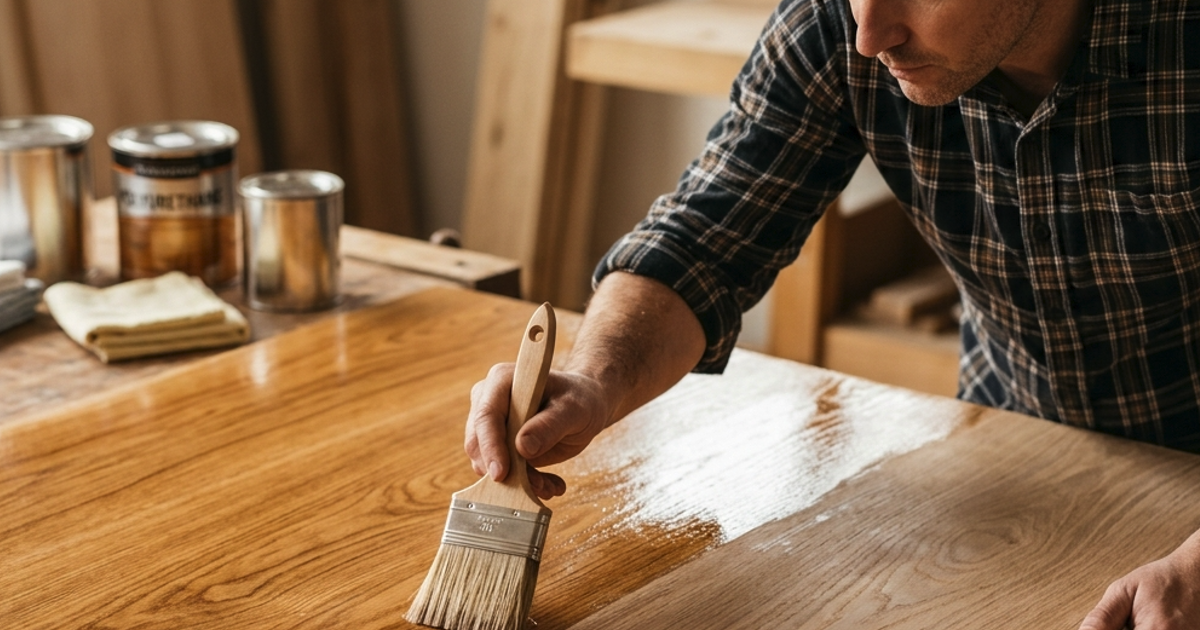
Application method matters. WOOD Rx can be applied using a brush, roller, or sprayer depending on the surface configuration. Brushes are ideal for detailed work and railings. Rollers work well on flat deck boards. Sprayers can be highly efficient for large surfaces but require back-brushing or back-rolling to ensure even penetration. Apply the sealer in the direction of the wood grain and work in manageable sections to maintain a wet edge and prevent lap marks.
Step Five: Allow Proper Cure Time
Once applied, the sealer needs adequate time to cure before the surface sees foot traffic or moisture. Follow the manufacturer's guidelines closely. Rushing this step compromises the performance of even the best products on the market. Educating clients on this timeline is part of what separates professional applicators from amateurs.
Growing Your Business by Getting Wood Sealing Right
For contractors, wood sealing services represent a consistent, repeatable revenue stream with strong demand across both residential and commercial markets. Decks, fences, pergolas, exterior siding, boardwalks, playground structures, and commercial wood cladding all require regular sealing and maintenance. When you establish yourself as the go-to expert for wood surface protection in your market, referrals and repeat business follow naturally.
The key to growing a coatings business through wood sealing services comes down to a few core principles:
- Use products that consistently deliver visible results. When clients can see and feel the difference that quality makes, they become loyal customers and enthusiastic referral sources.
- Educate your clients on the value of regular maintenance. Wood sealing is not a one-time event. Setting realistic expectations for resealing intervals builds trust and creates ongoing service opportunities.
- Document your work with before-and-after photography. Visual proof of results is one of the most effective marketing tools available, especially in the age of social media and online reviews.
- Partner with a manufacturer that supports your business. INSECO provides comprehensive technical assistance, product training, and field support that helps contractors get the most out of every application and every client relationship.
- Offer maintenance programs or service agreements. Recurring revenue stabilizes cash flow and deepens client relationships, which is one of the most powerful growth strategies available in any service business.
The specialty coatings market rewards expertise. Contractors who invest in understanding their products at a deep level, who apply them correctly every time, and who communicate their value clearly to clients are the ones who build sustainable, growing businesses. INSECO has been supporting that kind of growth for more than two decades, and our product line — led by WOOD Rx — is built specifically to help both homeowners and contractors achieve results that last.
Final Thoughts: Precision and Quality Are Your Competitive Edge
Wood surface protection is not a commodity service. When it is done right, with the right products and the right process, it delivers measurable value that clients remember and talk about. When it is done poorly, it costs everyone time and money and damages reputations that take years to build.
Whether you are sealing a residential deck for the first time or managing a large-scale commercial wood sealing project, the fundamentals are the same: assess the surface, prepare it properly, select the right product, apply it correctly, and allow it to cure fully. These are not complicated steps, but executing them with discipline and consistency is what separates good contractors from great ones.
INSECO's WOOD Rx and our broader line of specialty coatings are engineered to perform in the field, in real conditions, applied by real people working to protect real surfaces. We back every product with the technical support and expertise that comes from over 25 years of refinement. If you are ready to take your wood sealing services to the next level, we are here to help every step of the way.