



Brick pavers are one of the most visually striking surfaces you can find on residential properties and commercial landscapes alike. Driveways, walkways, pool decks, and outdoor plazas finished with brick pavers represent a significant investment — one that too many property owners leave unprotected. For contractors and business owners, offering brick paver sealing as a service is not just a smart revenue play. It is a genuine opportunity to deliver lasting value to clients while differentiating your business in a competitive market.
At INSECO, we have spent more than 25 years working alongside contractors and property owners who understand that surface protection is not optional — it is essential. Brick pavers, in particular, require thoughtful care and the right products to maintain their beauty and structural integrity over time. This guide breaks down why sealing matters, how to do it right, and how understanding this service positions your business for growth.
Why Brick Pavers Need to Be Sealed
Brick pavers may look and feel durable, and in many respects they are. But their porous surface structure makes them highly susceptible to a range of damaging forces that compound over time if left unaddressed. Understanding what these threats are is the first step toward educating your clients and making a compelling case for regular sealing.
Moisture Infiltration and Freeze-Thaw Damage
Water is the most persistent enemy of unsealed brick pavers. When moisture seeps into the pores of the brick, it settles deep within the material. In colder climates, that trapped moisture expands as it freezes, creating internal pressure that causes cracking, flaking, and surface erosion. Over multiple freeze-thaw cycles, even well-installed pavers can become structurally compromised. A quality penetrating sealer creates a barrier that significantly reduces the amount of moisture absorbed into the paver surface.
Weed Growth and Ant Infestation
Unsealed joints between pavers are open invitations for weeds, grass, and insects. Without a protective sealer locking the jointing sand in place, wind and rain gradually wash it away. This creates gaps that become fertile ground for unwanted vegetation. Certain sealer formulations harden the sand joint, stabilizing it and creating a surface that is far less hospitable to weed growth and ant activity.
Staining and Discoloration
Oil, grease, tire marks, food spills, and environmental pollutants penetrate unsealed pavers quickly and permanently. Once a stain has soaked into the porous surface, removal becomes difficult and sometimes impossible without aggressive cleaning methods that can further damage the paver. A surface sealer prevents these substances from penetrating, making cleanup straightforward and preserving the original appearance of the installation.
UV Fading and Efflorescence
Prolonged exposure to sunlight causes the natural pigments in brick pavers to fade, leaving once-vibrant surfaces looking dull and worn. Additionally, efflorescence — that white, chalky mineral deposit that migrates to the surface of concrete-based pavers — is a common problem that makes installations look aged and poorly maintained. Quality sealers with UV inhibitors slow the fading process dramatically, and certain formulations help resist efflorescence buildup over time.
How to Seal Brick Pavers the Right Way
Applying a sealer to brick pavers is not a task that rewards shortcuts. Proper technique, the right timing, and appropriate product selection all play critical roles in determining whether the finished result lasts for years or begins to fail within months. Whether you are a contractor walking through this process with a crew or a homeowner tackling a personal project, these steps represent best practices for lasting results.
Step One: Thorough Cleaning
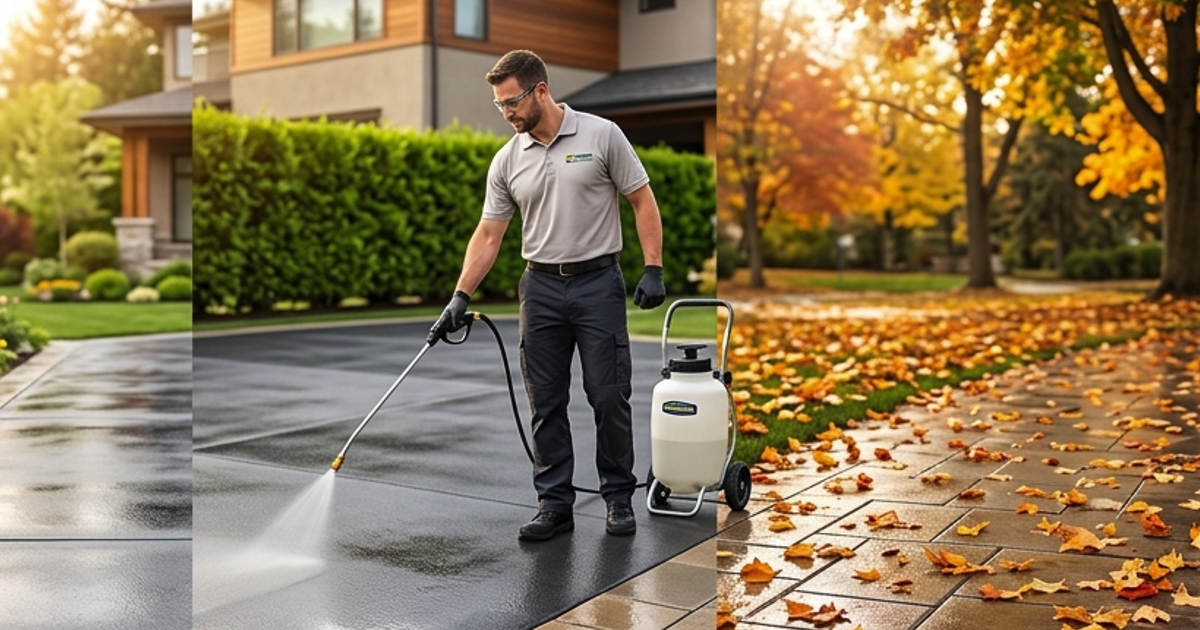
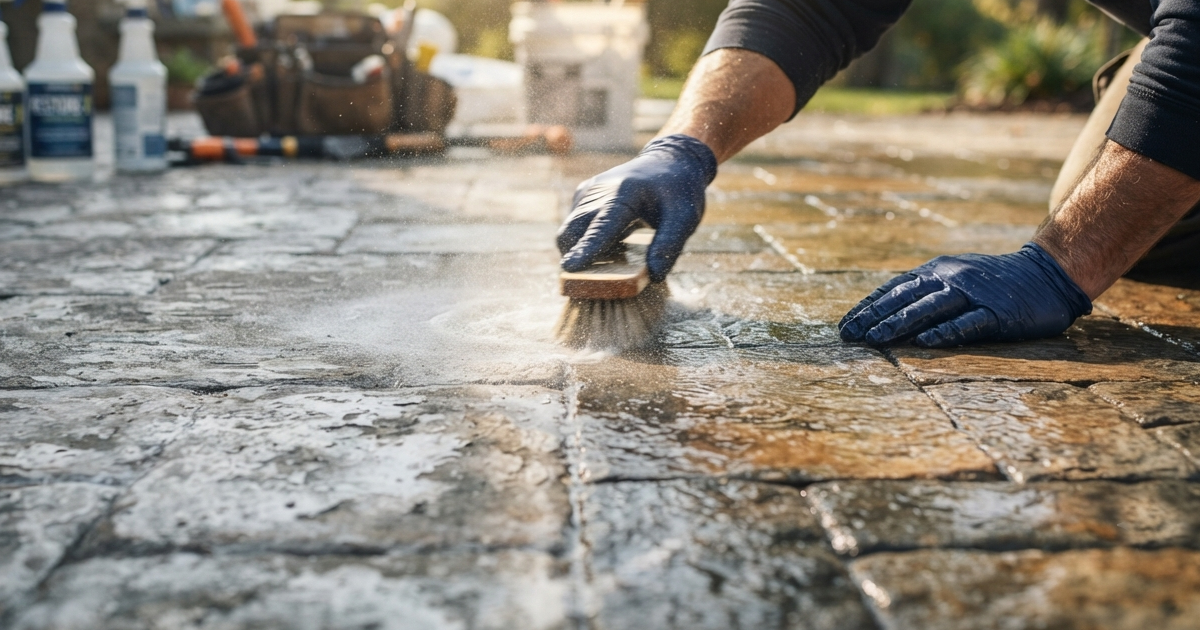
No sealer will perform well on a dirty surface. Begin with a thorough sweep to remove loose debris, then apply a proper cleaning solution formulated for brick or concrete surfaces. Pressure washing is typically required to lift embedded dirt, stains, mold, mildew, and any old sealer residue. Pay close attention to the joints between pavers, as organic material and old sand can harbor contaminants that interfere with sealer adhesion. Allow the surface to dry completely — usually 24 to 48 hours depending on weather conditions — before proceeding.
Step Two: Joint Sand Preparation
Before sealing, inspect the joints between pavers. If the sand has eroded significantly, refill the joints with polymeric sand and compact it appropriately. Sealing over inadequate joint fill leads to voids that collect moisture beneath the sealed surface, creating problems down the road. Ensuring joints are properly filled before sealing dramatically extends the life of the finished application.
Step Three: Choosing the Right Sealer
This is where product knowledge becomes a genuine business advantage. Brick paver sealers generally fall into two categories: penetrating sealers and topical film-forming sealers. Penetrating sealers soak into the paver and provide protection from within without altering the surface appearance. Topical sealers sit on the surface and can enhance the color of the paver, often delivering a wet look or a matte sheen depending on the formulation.
The right choice depends on what the client wants aesthetically, the type of paver being sealed, the level of foot or vehicle traffic, and environmental conditions. INSECO's technical team has deep experience helping contractors navigate these decisions, and that expertise is something that separates informed service providers from the competition.
Step Four: Application
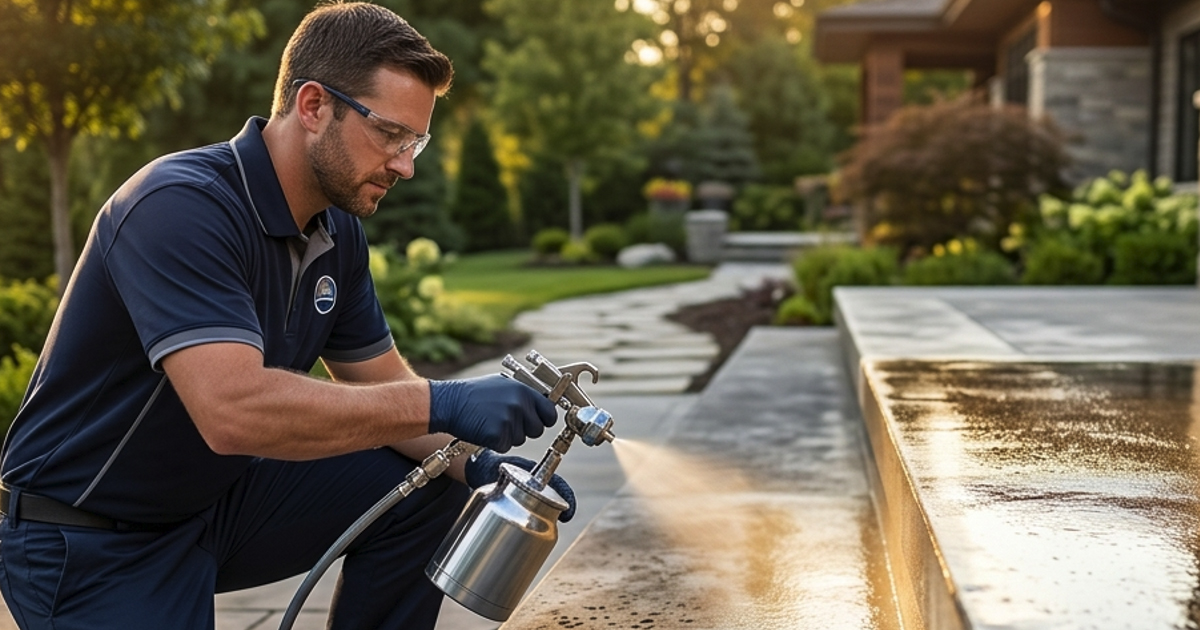
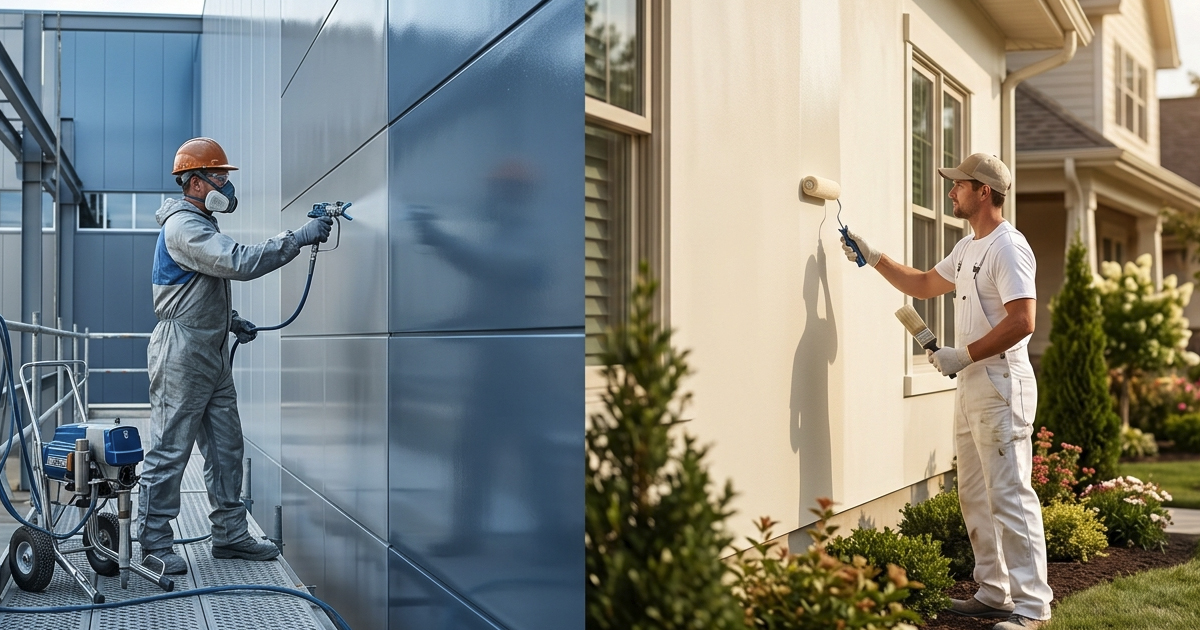
Apply the sealer using a professional-grade sprayer, roller, or a combination of both depending on the area size and surface texture. Work in manageable sections to maintain a wet edge and avoid lap marks. Apply thin, even coats rather than a single heavy application, which can cause pooling, bubbling, and uneven sheen. Most quality sealers require two coats for optimal protection, with a specific recoat window that must be observed for proper bonding between layers.
Step Five: Curing and Post-Application Care
Allow the sealed surface to cure fully before allowing foot traffic or vehicle access. Rushing this stage is a common mistake that results in tracked sealer, surface damage, and premature wear. Communicate clearly with clients about cure times and aftercare expectations. This transparency builds trust and reduces callbacks.
The Business Opportunity in Brick Paver Sealing
For contractors already working in the landscape, hardscape, pressure washing, or surface protection space, brick paver sealing is one of the most accessible and profitable service expansions available. The barriers to entry are relatively low when you have the right product line, and the recurring revenue potential is substantial given that resealing is typically required every two to four years depending on traffic, exposure, and product quality.
Upselling and Service Bundling
Brick paver sealing pairs naturally with other services. A client hiring you for driveway pressure washing is an ideal candidate for a sealing upsell. Properties with both concrete and paver surfaces give you the opportunity to bundle multiple protection services into a single project, increasing average job value without proportionally increasing your time on site.
Commercial Applications
The commercial market for brick paver sealing is substantial and often underserved. Shopping centers, hospitality properties, office complexes, and municipal facilities maintain extensive paved outdoor areas that require regular professional care. These accounts tend to offer higher volume, predictable scheduling, and long-term contracts that provide the kind of revenue stability that supports business growth.
Educating Your Clients Creates Loyalty
Property owners who understand why their pavers need protection — and who see the results of a professionally applied sealer — become loyal, repeat clients. They also become referral sources. Taking the time to walk a client through what you are doing and why builds credibility and positions your business as a trusted expert rather than just another service vendor.
- Explain the difference between penetrating and topical sealers in plain language
- Show before-and-after photographs from previous projects
- Provide written aftercare instructions with every completed job
- Set clear expectations for how long the sealer will last under normal conditions
- Offer scheduled follow-up inspections to identify when resealing is needed
- Recommend complementary services such as joint sand replacement and paver cleaning maintenance programs
Partnering with a Manufacturer Who Supports Your Growth
The quality of your results is directly tied to the quality of the products you use. This is not a place to cut costs. Inferior sealers fail prematurely, generate complaints, and damage the reputation you have worked hard to build. INSECO has been formulating and manufacturing premium specialty coatings since 1996, and that experience is built into every product we offer.
When you work with INSECO, you are not just purchasing a product. You are gaining access to a manufacturer that provides comprehensive technical assistance, application guidance, and ongoing support. We understand the challenges contractors face in the field, and we have designed our product line to perform consistently across varying conditions and surface types. That reliability is what allows you to confidently promise great results to your clients — and deliver them every time.
Brick paver sealing is a service that rewards those who take it seriously. With the right products, the right process, and the right partnership behind you, it can become one of the most valuable offerings in your business portfolio. INSECO is here to help you build that foundation.