



Natural stone surfaces represent some of the most beautiful and valuable investments a homeowner or commercial property owner can make. From travertine pool decks and marble entryways to granite countertops and bluestone patios, natural stone brings timeless elegance to any space. But that beauty comes with a responsibility — one that smart contractors and property owners understand well. Without proper sealing, natural stone is vulnerable to staining, moisture infiltration, efflorescence, and long-term structural damage that can be both unsightly and costly to repair.
For contractors growing their specialty coatings business, natural stone sealing represents a significant and often underserved revenue opportunity. Understanding the science, the technique, and the right products for each stone type is what separates average service providers from trusted experts. At INSECO, we have spent more than 25 years helping professionals and homeowners protect their surfaces with premium specialty coatings that deliver results clients can see and feel for years to come.
Why Natural Stone Requires Special Attention
Unlike manufactured surfaces, natural stone is porous by nature. The degree of porosity varies significantly from one stone type to another, but virtually all natural stone will absorb liquids, oils, and environmental contaminants if left unprotected. This is what makes proper sealing not just a recommendation, but a necessity for any stone surface exposed to foot traffic, weather, spills, or cleaning chemicals.
Understanding Stone Porosity
Different stones absorb moisture and contaminants at very different rates. Understanding this distinction is essential for selecting the right sealer and setting realistic expectations for your clients.
- Marble and Limestone: Highly porous and particularly vulnerable to acidic substances, etching, and staining. These stones require penetrating sealers and careful product selection.
- Travertine: A naturally porous limestone variant with characteristic holes and voids. Travertine is especially prone to moisture absorption and requires thorough sealing to prevent water damage and efflorescence.
- Granite: Denser and less porous than marble or travertine, but still benefits significantly from sealing, particularly in high-traffic or outdoor environments.
- Slate: A layered stone that can be prone to delamination when moisture penetrates between layers. Sealing helps protect structural integrity while enhancing the stone's natural color.
- Bluestone and Sandstone: Moderately to highly porous stones commonly used in outdoor patio and walkway applications. These surfaces are very susceptible to freeze-thaw damage without proper sealing.
The Threats That Make Sealing Non-Negotiable
Moisture is the primary enemy of natural stone. When water penetrates the surface, it can carry dissolved minerals that crystallize as they move outward, creating the white powdery deposits known as efflorescence. In colder climates, water that has penetrated stone can freeze and expand, causing cracking and spalling. Beyond moisture, oil-based stains from cooking, machinery, or landscaping products can permanently discolor stone if it is not properly protected. For commercial properties, this kind of damage can quickly create serious liability and aesthetic concerns that are far more expensive to address after the fact than to prevent upfront.
Best Practices for Sealing Natural Stone Surfaces
Effective natural stone sealing is not simply a matter of applying product to a surface and walking away. A systematic, professional approach is what produces results that last and builds the kind of reputation that generates repeat business and referrals.
Step One: Surface Assessment and Cleaning
Before any sealer is applied, the stone surface must be thoroughly cleaned and completely dry. Existing stains, biological growth such as algae or mold, and any residue from previous sealers must be removed. Using the wrong cleaning product at this stage can cause irreversible damage, particularly with acidic or alkaline cleaners on sensitive stone types like marble and limestone. INSECO recommends pH-neutral cleaners specifically formulated for natural stone to preserve the surface while achieving a clean, open substrate ready for sealer penetration.
Once cleaned, the stone must be allowed to dry completely. Moisture trapped beneath a sealer is one of the most common causes of premature sealer failure. Depending on the porosity of the stone and the ambient conditions, drying time can range from a few hours to several days. Never rush this step — it is the foundation of a successful application.
Step Two: Choosing the Right Sealer
Not all sealers are created equal, and selecting the right product for the stone type, the surface location, and the intended use is critical. There are two primary categories of sealers for natural stone: penetrating sealers and topical coatings.
Penetrating sealers, also known as impregnating sealers, work by soaking into the pores of the stone and creating a hydrophobic barrier below the surface. These sealers do not change the appearance of the stone and allow it to breathe, which is particularly important for exterior applications where moisture vapor must be able to escape. Penetrating sealers are generally the preferred choice for most natural stone applications because they provide reliable protection without altering the stone's aesthetic character.
Topical coatings sit on top of the stone surface and create a physical barrier. These can enhance the color and sheen of the stone but may require more frequent maintenance and can be prone to peeling or yellowing over time if not properly selected and applied. Topical coatings are best suited for interior applications in controlled environments where abrasion and UV exposure are limited.
Step Three: Application Technique
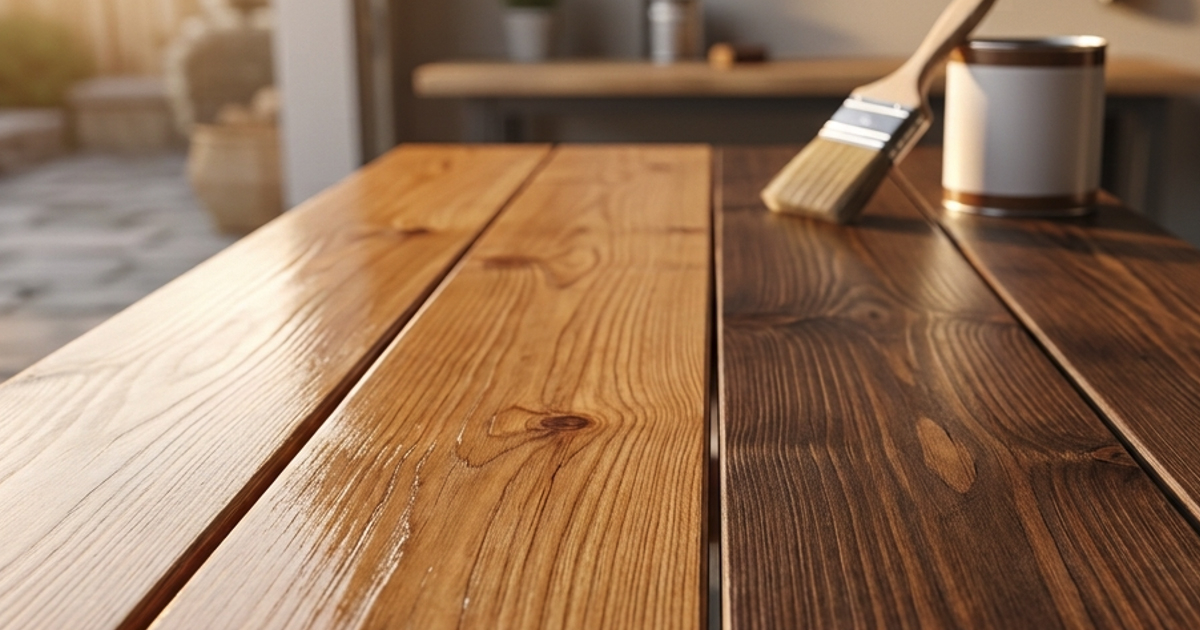
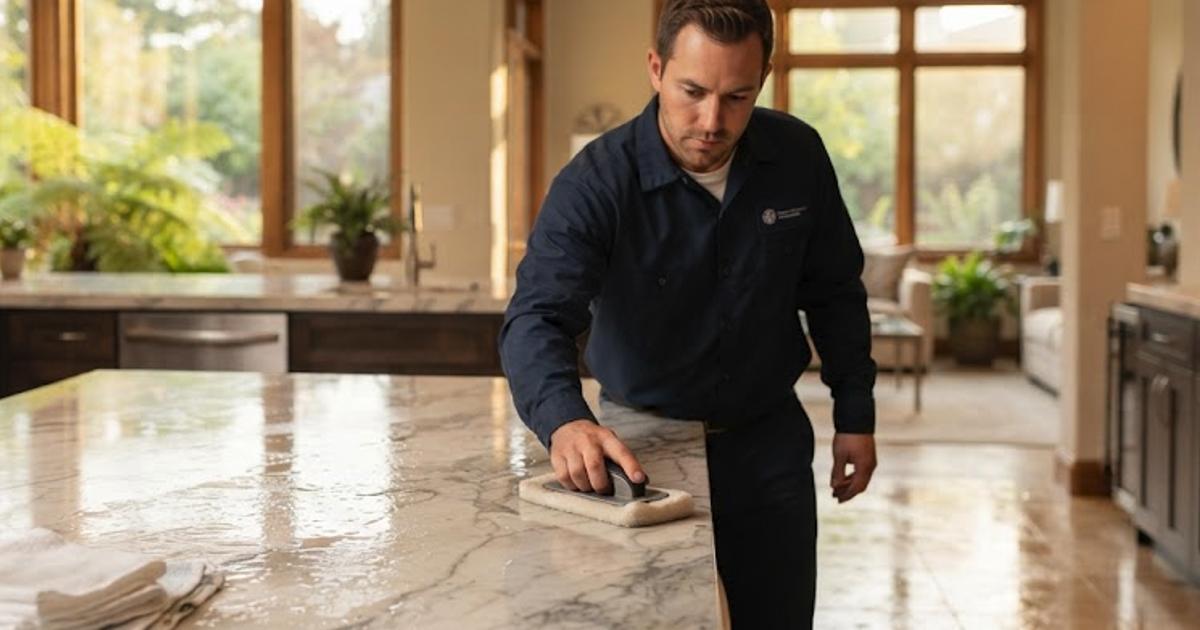
Application method matters as much as product selection. For penetrating sealers, apply the product liberally using a low-pressure sprayer, a brush, or a roller, ensuring even coverage across the entire surface. Allow the sealer to penetrate for the manufacturer's recommended dwell time, then wipe away any excess before it dries on the surface. Residue left on the surface can create a hazy, blotchy appearance that is difficult to remove after the fact.
Multiple coats are often recommended for highly porous stone types. Allow each coat to penetrate and partially dry before applying the next. Always work in sections to maintain a wet edge and avoid lap marks. Pay special attention to grout lines, edges, and any areas with visible voids or holes, as these are the most vulnerable points for moisture infiltration.
How Natural Stone Sealing Builds Business Value
For contractors and service businesses in the specialty coatings space, natural stone sealing is a service that checks every box for sustainable business growth. The materials are premium, the skill ceiling is high enough to differentiate quality providers from low-bid competitors, and the customer base — homeowners with significant stone investments, hospitality businesses, commercial developers — tends to value quality and expertise over price alone.
Recurring Revenue Through Maintenance Programs
One of the most powerful business-building aspects of natural stone sealing is the ongoing maintenance cycle. Most natural stone sealers need to be reapplied every one to three years depending on the stone type, environmental exposure, and traffic levels. By establishing maintenance agreements with clients at the time of initial installation, contractors can lock in predictable recurring revenue that stabilizes cash flow and builds client loyalty. A client who trusts you with their marble entryway or travertine pool deck is also a client who will refer you to their neighbors, colleagues, and business partners.
Expanding Into Commercial Markets
Hotels, restaurants, office buildings, and retail spaces all feature natural stone surfaces that require regular professional maintenance. These accounts represent larger job sizes, more frequent service cycles, and the potential for multi-location contracts that can dramatically scale your business volume. Building a reputation as the go-to expert for natural stone care in your market positions your business for this higher-margin commercial segment in a way that general painting or basic concrete work simply cannot.
Partnering with the Right Supplier
The quality of the products you use directly reflects on the quality of your work. INSECO has been formulating and manufacturing premium specialty coatings since 1996, and our commitment to product performance and technical support means that the contractors and distributors who partner with us are equipped to deliver results that genuinely differentiate them in the market. When your clients see stone that stays cleaner, resists stains longer, and looks better year after year, that is a story they will tell others — and that is how real business growth happens.
Natural stone is one of the most rewarding surfaces to work with in the specialty coatings world. It demands knowledge, precision, and the right products — all of which are areas where INSECO has built its reputation over more than two decades. Whether you are a homeowner looking to protect a significant investment or a contractor building a premium service offering that sets your business apart, understanding natural stone sealing at a professional level is one of the most valuable capabilities you can develop. Reach out to the INSECO team today to learn more about our natural stone sealing solutions and how we can support your growth.