



Whether you are a seasoned contractor managing a commercial property portfolio or a homeowner preparing your deck for a fresh season, one truth remains constant in the specialty coatings world: proper preparation is the foundation of every successful application. And at the heart of that preparation is one critical step that is too often rushed or overlooked entirely — removing old sealer before reapplying a new one.
At INSECO, we have spent more than 25 years working alongside contractors and property owners who are committed to doing the job right. In that time, we have seen firsthand how skipping or shortcutting the sealer removal process leads to peeling, blistering, adhesion failures, and ultimately, a dissatisfied client. For growing businesses in the coatings industry, that is a reputation risk you simply cannot afford.
This guide breaks down everything you need to know about removing old sealers from wood, concrete, brick pavers, and natural stone — and why doing it correctly sets the stage for outstanding, long-lasting results.
Why Removing Old Sealer Matters More Than Most People Think
Many people assume that applying a fresh coat of sealer on top of an existing one is a straightforward process. In some limited circumstances, a compatible light recoat may be acceptable. However, in the majority of cases, especially when the existing sealer is degraded, incompatible with the new product, or unevenly worn, applying over it creates more problems than it solves.
Old sealer breaks down over time due to UV exposure, moisture cycling, foot traffic, and environmental contaminants. When a new sealer is applied over a compromised base, the result is poor bonding, uneven absorption, and a finish that will fail far sooner than it should. For a business that stakes its reputation on quality results, this is unacceptable.
The Business Cost of Skipping This Step
For contractors, a failed coating job does not just mean a callback. It means lost time, wasted materials, potential disputes, and damage to client relationships that took years to build. Investing the proper time and effort into sealer removal is not a cost — it is a quality guarantee that protects your revenue and your reputation.
Signs That Old Sealer Needs to Be Removed
- Peeling, flaking, or bubbling of the existing coating
- Milky or white discoloration on the surface
- Uneven sheen or blotchy appearance
- Water is no longer beading on the surface
- The surface feels tacky or sticky to the touch
- Visible buildup from multiple layers of previously applied product
- Mold, mildew, or algae growth beneath the coating layer
Any one of these signs is a signal that the old sealer must be fully removed before reapplication can proceed.
Sealer Removal Methods by Surface Type
Different surfaces require different approaches to sealer removal. Using the wrong method can damage the substrate, which turns a preparation task into a costly repair situation. Here is a professional breakdown by surface type.
Removing Old Sealer from Wood Surfaces
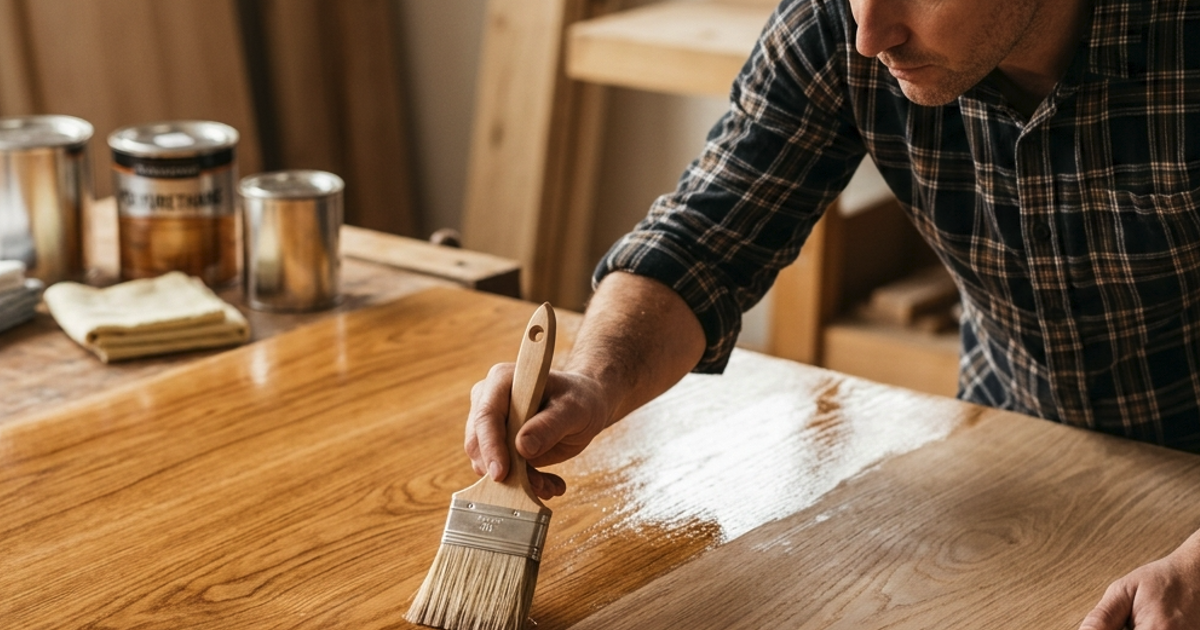
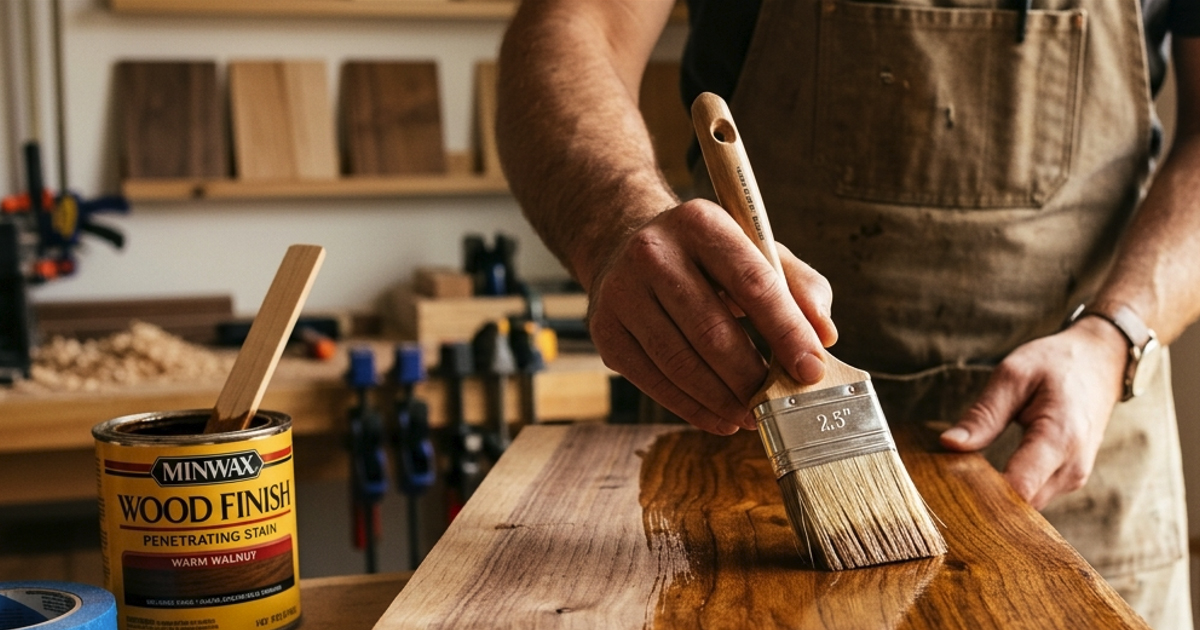
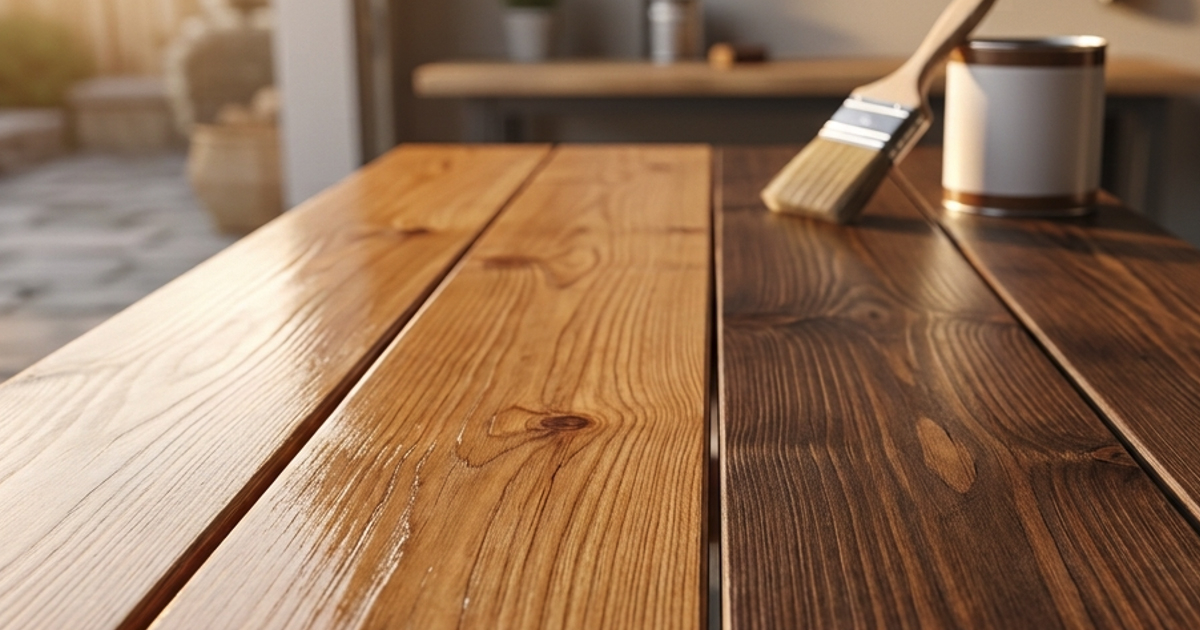
Wood is a porous, living material that responds differently to chemical and mechanical stripping depending on its species, age, and condition. For most wood surfaces such as decks, fences, siding, and furniture, the removal process typically involves one or more of the following methods.
Chemical Strippers: Solvent-based or water-based chemical strippers are applied to the wood surface and allowed to dwell for the manufacturer-recommended period. The dissolved sealer is then scrubbed away with a stiff brush or pressure washed off. Chemical strippers are particularly effective on film-forming sealers and stains that have built up over multiple applications. Always follow the product's safety guidelines and ensure adequate ventilation.
Pressure Washing: A pressure washer used at the appropriate PSI can remove loose and degraded sealer effectively. However, too much pressure can raise wood grain, cause splintering, or drive moisture deep into the wood. A fan tip nozzle used at a consistent distance is recommended. After pressure washing, always allow the wood to dry completely — typically 48 to 72 hours depending on conditions — before applying new sealer.
Sanding: For smaller surfaces or heavily built-up areas, mechanical sanding with an orbital sander or belt sander removes the old sealer while also opening the wood grain to accept new product. Sanding is a more labor-intensive method but delivers excellent results, particularly on horizontal deck boards. Always sand with the grain to avoid surface scarring.
Removing Old Sealer from Concrete Surfaces
Concrete presents its own unique challenges. The surface is dense and porous, and old sealers can penetrate deeply or form thick surface films depending on the product type previously used.
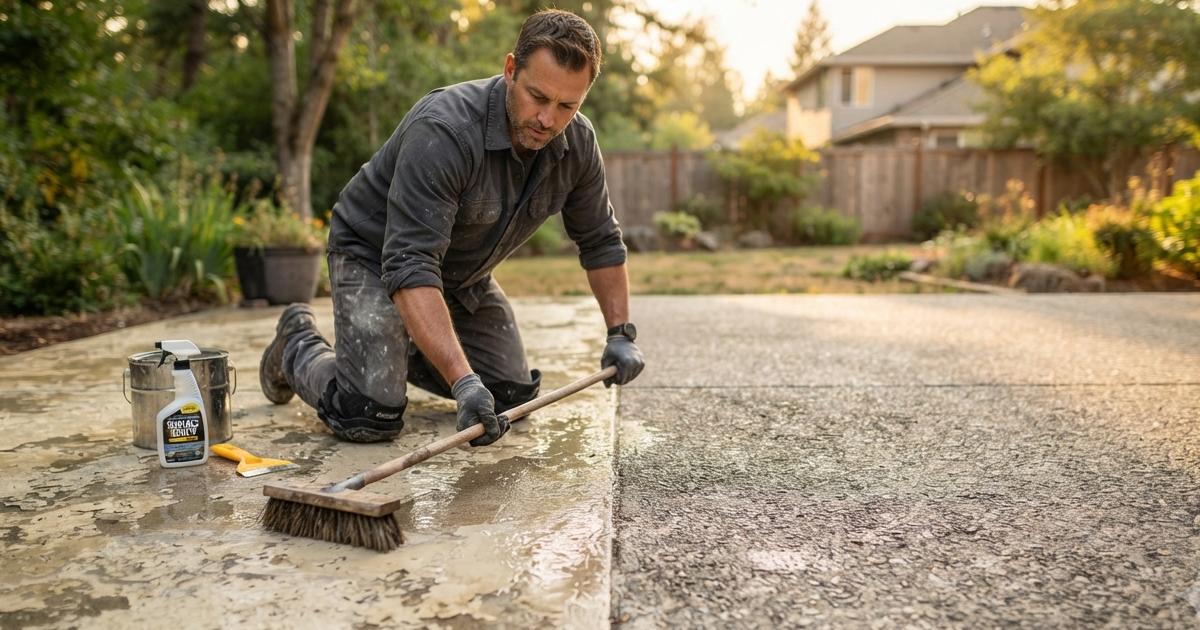
Chemical Solvents and Strippers: Solvent-based strippers are commonly used for removing acrylic, epoxy, or urethane sealers from concrete. The stripper is applied, allowed to dwell, and then scrubbed or pressure washed away. Always neutralize the surface after chemical treatment if required by the product instructions.
Mechanical Methods: For thicker coatings on garage floors or commercial concrete slabs, mechanical grinding, shot blasting, or scarifying may be required. These methods are more aggressive and typically reserved for professional contractors with the appropriate equipment.
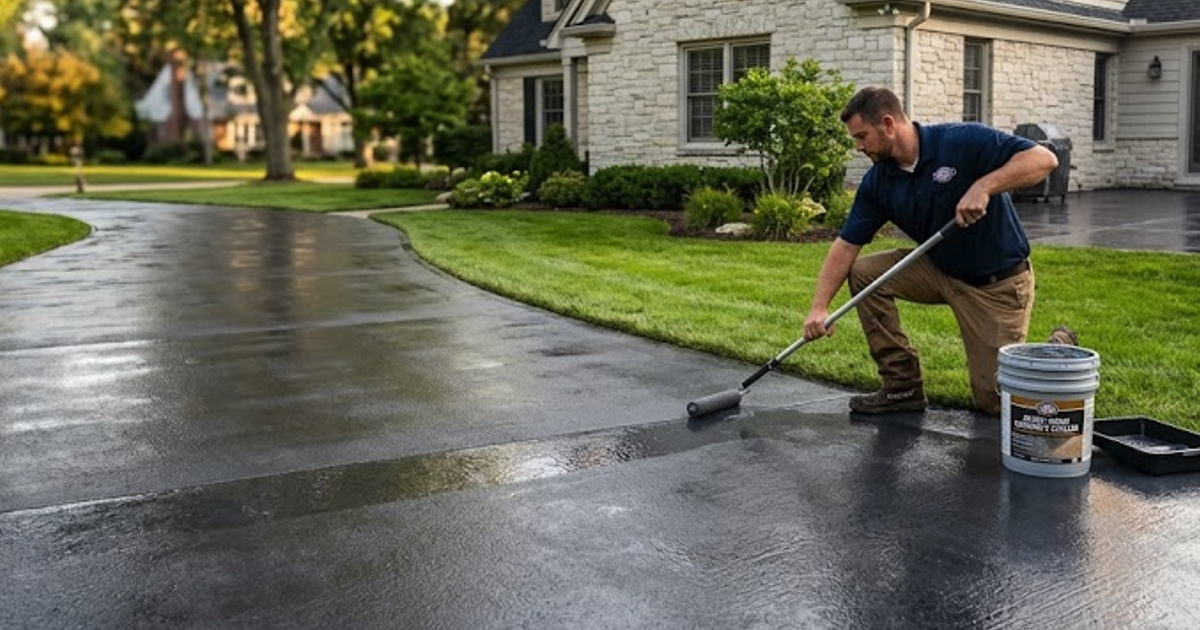
Pressure Washing: A surface cleaner attachment on a commercial-grade pressure washer can effectively remove loose and degraded concrete sealers, particularly on driveways and outdoor patios. The surface must be fully dried before any new coating is applied.
Removing Old Sealer from Brick Pavers
Brick pavers are particularly susceptible to sealer buildup over time. Overapplication of sealer in previous applications often results in a whitish, cloudy appearance known as efflorescence or sealer clouding. Removing old sealer from pavers requires care to avoid damaging the joint sand or the paver surface itself.
Solvent-based strippers applied with a pump sprayer and agitated with a stiff brush are the most common approach. After the sealer is dissolved, thorough rinsing with a pressure washer at a controlled distance ensures residue is fully removed. It is critical to allow the pavers to dry completely and replace any joint sand that has been displaced before resealing.
Removing Old Sealer from Natural Stone
Natural stone such as travertine, slate, marble, or limestone requires the most careful approach to sealer removal. Many natural stones are sensitive to acidic or highly alkaline cleaners, which can etch the surface and cause permanent damage. Always use a pH-neutral or stone-safe sealer remover specifically formulated for natural stone.
Apply the remover with a soft brush or mop, allow proper dwell time, and rinse thoroughly. Avoid aggressive mechanical methods that can scratch or chip polished stone surfaces. When in doubt, consult with a specialty coatings professional before proceeding.
How Proper Sealer Removal Translates to Business Growth
For contractors building a coatings business, the quality of your preparation work is just as visible to clients as the final finish. When you take the time to properly strip, clean, and prepare surfaces before applying premium products like INSECO's WOOD Rx or concrete and paver sealers, the results speak for themselves — and so do your clients.
A coating that bonds properly, penetrates deeply, and performs as expected over years of use creates a powerful marketing tool: satisfied customers who refer others. In an industry where word of mouth and repeat business are the lifeblood of growth, that cannot be overstated.
Educating Clients as Part of Your Service Offering
One of the most effective ways growing coatings businesses differentiate themselves is by educating clients on the preparation process. When you explain why you are removing old sealer before reapplying — and what the alternative outcomes look like — you are demonstrating expertise, building trust, and justifying your pricing. Clients who understand the value of proper preparation are also more likely to invest in quality products and schedule regular maintenance cycles, which translates directly to recurring revenue for your business.
Partnering with a Manufacturer That Supports You
INSECO has been supporting contractors and distributors with technical guidance for over 25 years. When you work with a specialty coatings manufacturer that provides comprehensive technical assistance — including guidance on surface preparation, product compatibility, and reapplication protocols — you gain a competitive edge that sets your business apart from contractors who simply apply product without proper preparation.
Our team is committed to helping you deliver results that exceed client expectations on every project, from the first surface inspection to the final quality check after the new sealer has cured.
Proper sealer removal is not a shortcut to skip — it is the foundation of every excellent coating job. Whether you are preparing a residential wood deck, a commercial concrete floor, a brick paver driveway, or a natural stone pool deck, investing the time and expertise into thorough preparation ensures that the premium products you apply perform exactly as they are designed to. For growing businesses, that commitment to preparation is one of the most powerful growth strategies available.