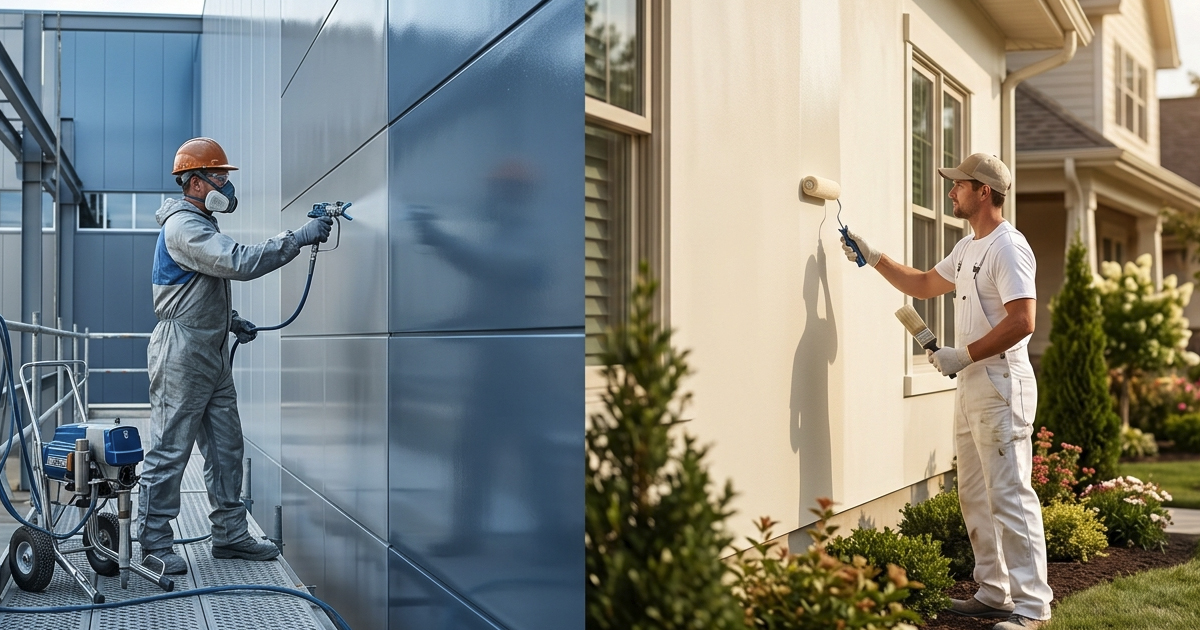



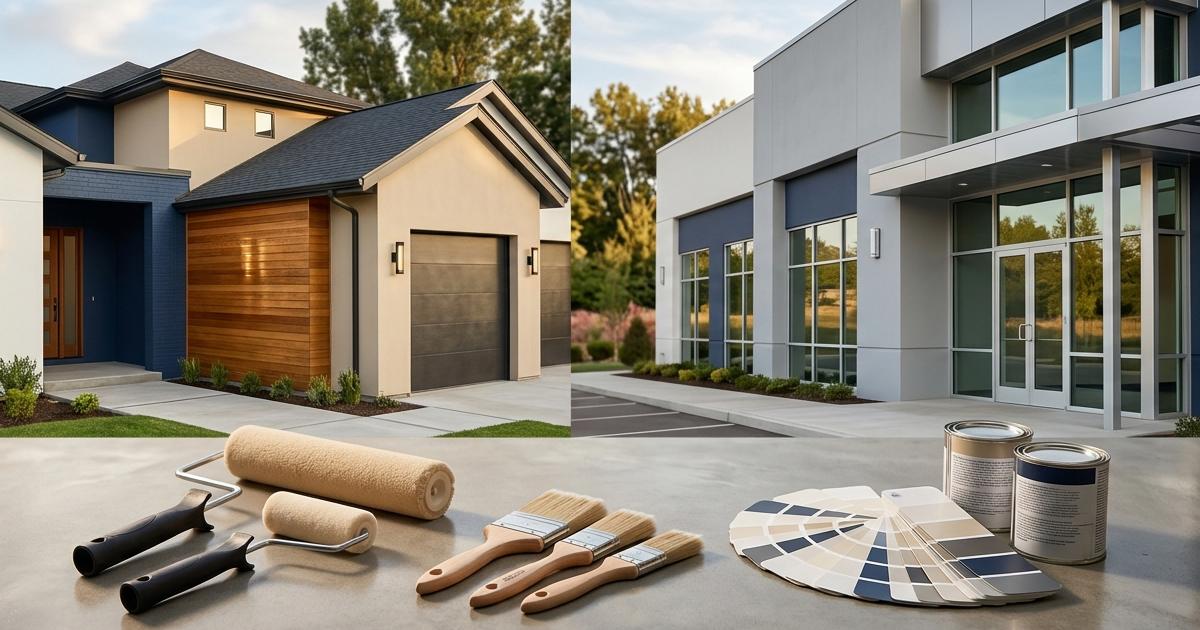

One of the most common and costly mistakes made in surface protection — whether you are a homeowner tackling a weekend project or a commercial contractor managing multiple job sites — is selecting the wrong coating for the surface at hand. Not all coatings are created equal, and applying a product designed for one surface type to another can lead to premature failure, wasted materials, unhappy clients, and ultimately, damage to your professional reputation or your property investment.
At INSECO, we have spent more than 25 years helping both residential customers and professional contractors navigate the wide world of specialty coatings. The guidance we provide is rooted in real-world performance, technical expertise, and a commitment to getting the right product on the right surface every single time. In this post, we break down how to properly match your coating choice to your surface type — and why that decision matters more than most people realize.
Understanding Why Surface Type Dictates Coating Selection
Every surface material has a unique composition, porosity level, expansion and contraction behavior, and exposure profile. These variables determine how a coating bonds to the surface, how long it will last, and how well it will perform under real-world conditions. What works beautifully on a cedar deck will not perform the same way on a concrete patio, and what protects a natural travertine floor in a high-traffic commercial lobby will not be the right choice for a brick paver driveway exposed to freeze-thaw cycles.
Before selecting any coating product, a thorough surface evaluation must take place. This is not merely a best practice — it is the foundation of every successful coating application. The evaluation should include:
- Identifying the exact surface material and its sub-type or species, in the case of wood
- Assessing the porosity and current moisture content of the substrate
- Evaluating any existing coatings or sealers already on the surface
- Understanding the environmental exposure of the surface, including UV intensity, moisture, and temperature fluctuations
- Considering the traffic load and mechanical stress the surface will endure
- Determining whether the application is for interior or exterior use
Skipping any of these evaluation steps is where businesses and homeowners alike run into trouble. A coating that appears to apply smoothly on day one may begin to peel, whiten, or delaminate within months if the surface conditions were not properly assessed beforehand.
Matching Coatings to the Most Common Surface Types
Wood Surfaces
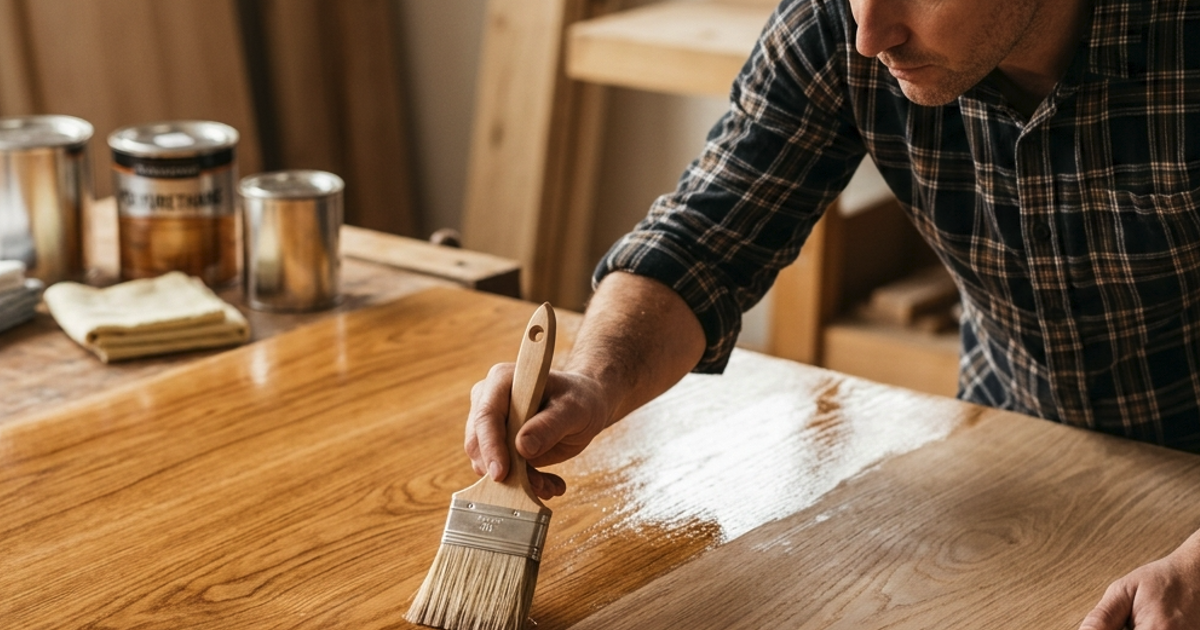
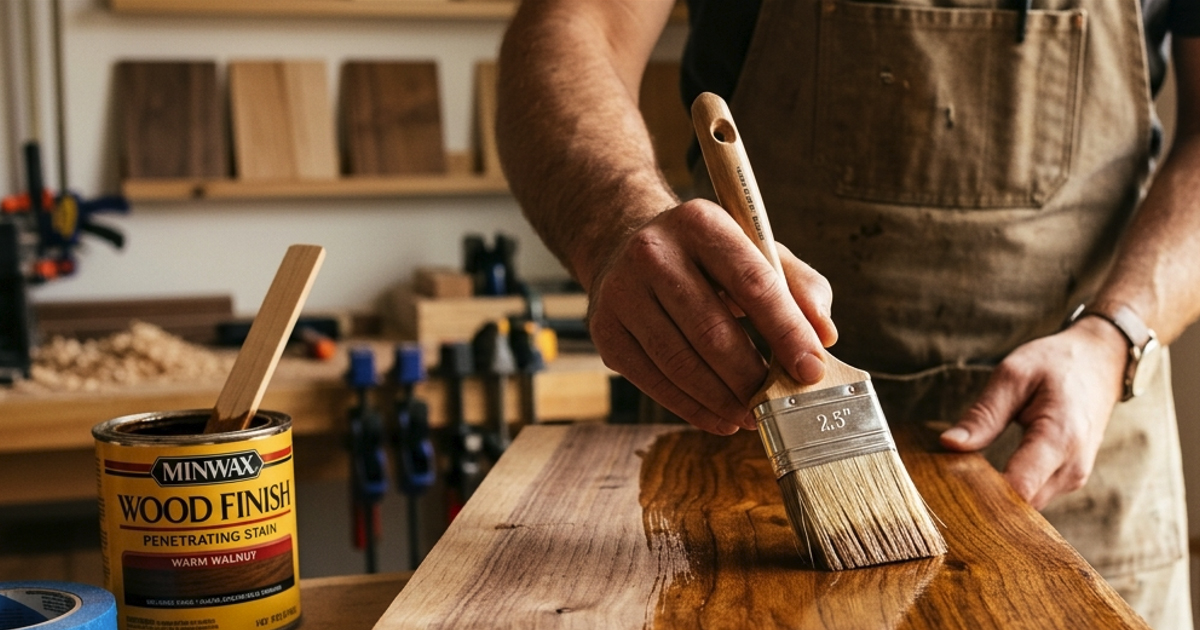
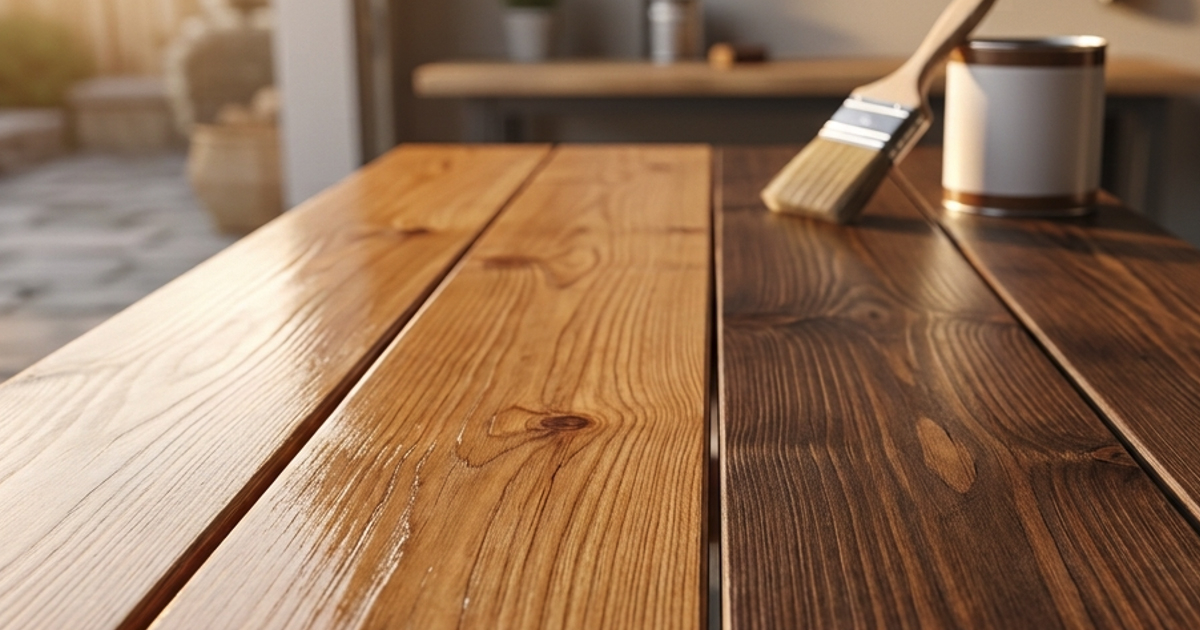
Wood is arguably the most nuanced surface when it comes to coating selection. Factors such as species density, grain structure, resin content, and whether the wood is new or weathered all play a significant role in determining the right product. Dense hardwoods like ipe or teak require penetrating oil-based formulas that can work into the grain, while softer woods like pine or cedar respond well to a broader range of penetrating and film-forming sealers.
INSECO's flagship product, WOOD Rx, was specifically engineered to address the complex demands of wood surfaces. Its penetrating formula works at the cellular level to repel moisture, resist UV degradation, and prevent the cracking and graying that result from unprotected exposure. Whether you are sealing a residential deck, a commercial boardwalk, wooden fencing, or exterior siding, WOOD Rx delivers consistent, long-lasting protection across a wide range of wood types.
For businesses offering wood sealing services, recommending the correct product for the specific wood species your client has installed is a differentiator that builds credibility and trust. A contractor who understands why one formula works better on a pressure-treated pine deck than a generic big-box alternative demonstrates expertise that justifies premium pricing and earns referral business.
Concrete Surfaces
Concrete presents its own set of coating considerations. Driveways, patios, garage floors, pool decks, and walkways are all concrete surfaces, but each has different traffic demands, aesthetic goals, and exposure conditions. Concrete is highly alkaline and highly porous, which means the coating must be chemically compatible and capable of penetrating or adhering firmly to the substrate.
For decorative concrete surfaces like stamped patios or colored pool decks, a clear penetrating sealer that enhances the color while providing water and stain resistance is typically the preferred choice. For garage floors or commercial warehouse floors subject to vehicle traffic and chemical exposure, an epoxy-based or polyurethane topcoat system offers the film-building strength necessary to withstand that level of mechanical stress.
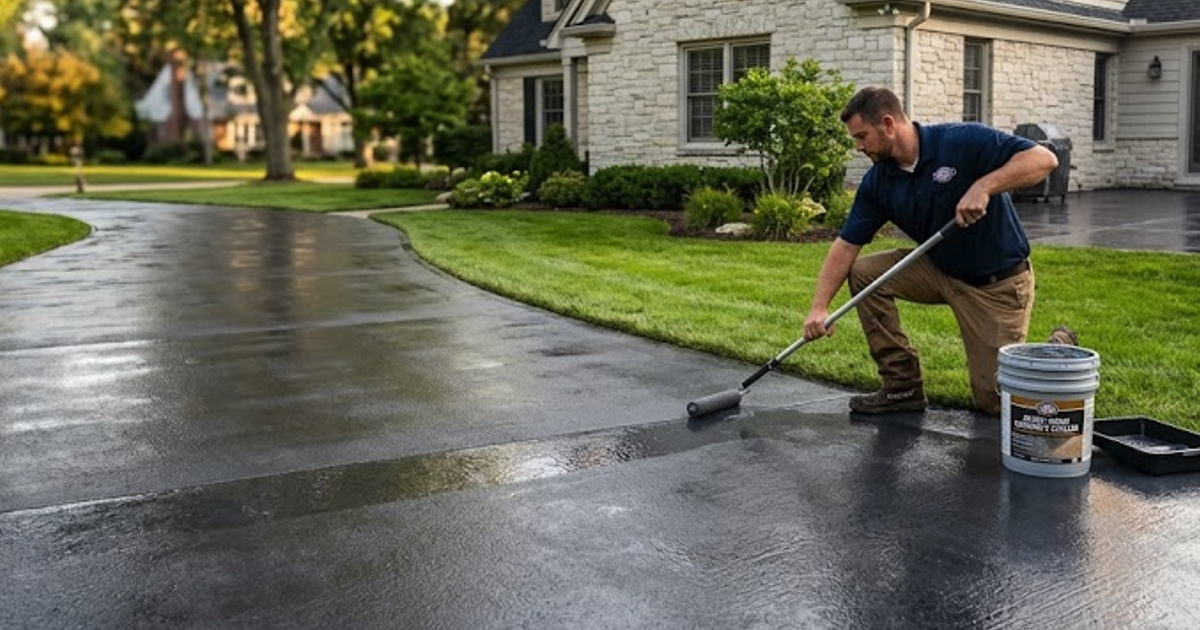
Concrete coatings for driveways and outdoor surfaces must also be breathable enough to allow any residual moisture vapor to escape without causing the coating to bubble or delaminate. This is a technical specification that contractors should clearly communicate to clients, as moisture vapor transmission is one of the leading causes of coating failure on concrete.
Brick Pavers
Brick pavers are a widely installed surface in both residential and commercial settings, appearing in driveways, walkways, pool surrounds, courtyards, and entryways. Because pavers are an interlocking system with open joints, the coating strategy must account for both the paver surface and the joint sand stability.
A penetrating paver sealer accomplishes two essential objectives: it protects the paver surface from staining, efflorescence, and UV fading while simultaneously hardening the joint sand to resist erosion and weed intrusion. Film-forming sealers are also popular for pavers because they deliver a wet-look or gloss enhancement that dramatically improves the appearance of the installation.
The key variable with paver sealing is solids content and carrier type. Water-based sealers tend to allow easier reapplication without stripping, while solvent-based formulas often deliver deeper penetration and a more pronounced enhancement effect. Understanding which system is appropriate for the client's aesthetic goals and maintenance expectations is essential before recommending a product.
Natural Stone
Natural stone — including granite, marble, travertine, limestone, slate, and sandstone — is one of the most beautiful and most vulnerable surface types in the coatings world. Stone is porous, reactive to acidic substances, and susceptible to staining from oils, water, and organic matter. The wrong sealer on natural stone can actually trap moisture inside the material, leading to spalling, discoloration, or surface deterioration over time.
Impregnating sealers, also known as penetrating sealers, are universally regarded as the most appropriate technology for natural stone. These products penetrate below the surface and create an invisible barrier within the pore structure of the stone, repelling liquids without altering the surface appearance or breathability. For polished stone surfaces, a light topical sealer may be used for added protection, but it must be carefully selected to avoid creating a hazy or slippery film.
How Coating Selection Becomes a Business Growth Strategy
For coating contractors and specialty applicators, the ability to correctly diagnose a surface and prescribe the right coating product is more than technical knowledge — it is a core business competency that directly impacts your bottom line. Contractors who apply the wrong product, even with excellent workmanship, face callbacks, warranty disputes, and reputation damage that can stall growth.
Conversely, businesses that invest in deep product knowledge and align themselves with manufacturers like INSECO — who provide comprehensive technical support, detailed application guidelines, and proven product formulations — gain a distinct competitive advantage. When your clients see consistent results across different surface types and conditions, they become repeat customers and enthusiastic referral sources.
INSECO has built its reputation over more than two decades precisely because we do not take a one-size-fits-all approach to coatings. Our refined product line reflects a commitment to engineering the right solution for each specific surface category, and our technical assistance ensures that every contractor and homeowner we work with has the knowledge to succeed on every application.
The next time you face a new surface protection project — whether it is a residential deck, a commercial plaza, a natural stone lobby, or a concrete parking structure — start with the surface itself. Understand what it needs, evaluate its current condition, and then select the coating formulation that is specifically engineered for that substrate. That disciplined approach is what separates a successful, growing coatings business from one that is constantly reacting to problems instead of preventing them.