



One of the most frequently overlooked decisions in any coating project is sheen level selection. While most applicators spend significant time choosing the right product, preparing the surface, and planning their application process, the question of gloss versus satin versus matte often gets treated as an afterthought. At INSECO, we want to change that. Sheen level is not simply a cosmetic preference — it directly influences durability, maintenance requirements, surface compatibility, and the long-term performance of your coating system.
Whether you are sealing a weathered wood deck, a high-traffic concrete floor, or a natural stone entryway, understanding how sheen levels work and how to match them to your project conditions is essential. This guide will walk you through everything you need to know to make a confident, informed decision before you open that first container.
What Sheen Level Actually Means in a Specialty Coating
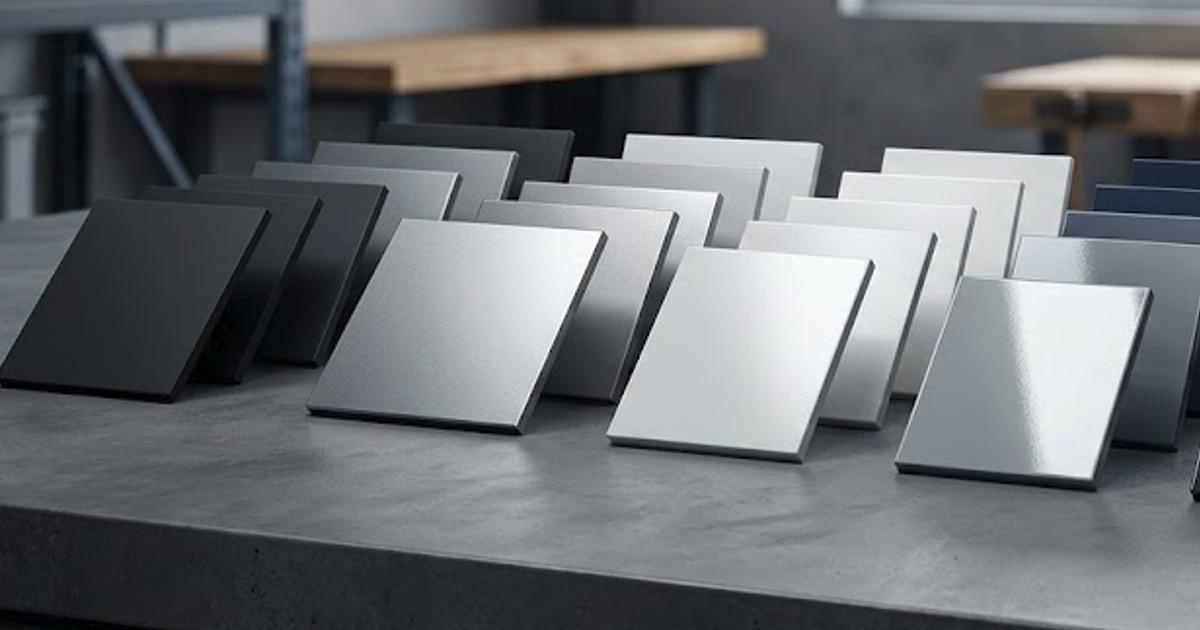
Sheen level refers to the degree of light reflectance that a dried coating film produces. It is typically measured using a gloss meter at specific angles, and the results are categorized into ranges that correspond to common finish descriptors. While the terms may vary slightly between manufacturers, the general industry classifications follow a recognizable pattern.
Common Sheen Level Categories
- Flat or Matte: Very low reflectance, absorbs light, hides surface imperfections well, and delivers a natural, understated appearance.
- Satin: A soft, low-luster finish that offers a slight sheen without significant gloss. Popular for surfaces that need a refined look without appearing wet or plastic-like.
- Semi-Gloss: Moderate reflectance that adds visual depth and is easier to clean than flatter finishes. Commonly used on surfaces exposed to moisture or repeated contact.
- Gloss or High-Gloss: High reflectance that creates a wet, polished appearance. Maximizes visual impact and typically provides excellent resistance to surface abrasion and staining.
It is important to understand that sheen level is not independent of the coating's formulation. At INSECO, sheen is engineered into the product with purpose. Changing sheen level is not simply a matter of adding a flatting agent — it can affect open time, build characteristics, and even the coating's interaction with the substrate if not handled correctly.
How Sheen Level Affects Real-World Performance
Beyond aesthetics, sheen level has a measurable impact on how a coating performs in service. This is one of the most misunderstood aspects of coating selection, and it is where many applicators make costly mistakes by prioritizing appearance alone.
Durability and Surface Hardness
As a general principle, higher sheen coatings tend to have a harder, denser film surface. This is partly because the flatting agents used to reduce gloss in matte and satin finishes can slightly interrupt the continuity of the film. For surfaces that experience regular foot traffic, furniture contact, or mechanical wear, a higher sheen product will often outperform a flat finish under the same conditions. INSECO designs its product line with this reality in mind, ensuring that even lower-sheen options deliver excellent film integrity.
Moisture Resistance and Cleanability
Higher-gloss surfaces are generally easier to clean because contaminants have fewer microscopic pores and texture channels to penetrate. On surfaces like sealed concrete or brick pavers that are exposed to oil, grease, or organic debris, a semi-gloss or gloss finish can make routine maintenance significantly faster and more effective. A matte finish on the same surface may require more aggressive cleaning procedures to maintain its appearance over time.
Surface Flaw Visibility
This is perhaps the most counterintuitive performance factor. Higher-gloss finishes amplify surface texture and imperfections. Any unevenness in the substrate, brush marks in the application, or variations in film thickness will be far more visible under a gloss finish than under a matte or satin one. This is why thorough surface preparation is even more critical when applying a high-gloss INSECO coating. A well-prepped surface rewards you with a stunning, professional result. A poorly prepped surface under high gloss will immediately reveal every flaw.
UV Stability Considerations
In exterior applications, sheen level can influence how a coating responds to ultraviolet radiation over time. High-gloss coatings may show chalking or sheen degradation more visibly as UV exposure breaks down the binder. Matte and satin finishes can mask this degradation longer simply because there is less reflectance to lose. INSECO incorporates UV stabilizers into products designed for exterior use, but understanding this dynamic helps you set realistic expectations for maintenance intervals depending on your chosen sheen level.
Matching Sheen Level to Substrate and Use Case
Selecting the right sheen level requires a practical assessment of three key factors: the substrate type, the environmental conditions, and the performance expectations of the end user. INSECO's technical team regularly assists customers in working through this decision, and the guidance below reflects the most common scenarios encountered in the field.
Wood Surfaces
Natural wood substrates present a unique challenge because they are organic, dimensionally active, and highly variable in grain, texture, and porosity. For rough-sawn or heavily textured wood, a matte or satin finish is typically more forgiving and complements the natural character of the wood. For smooth, planed wood or finished millwork, a semi-gloss or gloss can elevate the appearance dramatically and provide superior protection against moisture intrusion. INSECO's WOOD Rx product line is engineered to penetrate and protect wood at the fiber level, and the available sheen options are calibrated to maintain that penetrating performance while delivering the specified surface appearance.
Concrete and Masonry Surfaces
Concrete and masonry surfaces benefit significantly from sheen selection based on their location and function. Interior polished concrete floors are excellent candidates for semi-gloss or gloss coatings, which enhance depth and simplify cleaning. Exterior concrete driveways or walkways may perform better under a satin or matte finish that minimizes the appearance of tire marks, water spotting, and surface wear patterns. Brick pavers in decorative settings often receive a wet-look gloss coating to enhance their natural color and create a premium visual effect.
Natural Stone
Natural stone is perhaps the most sensitive substrate when it comes to sheen selection. Many stone types have inherent color and pattern variation that can either be enhanced or overwhelmed by gloss levels. A matte or satin sealer respects the natural appearance of slate, travertine, or flagstone while still providing meaningful protection. A high-gloss coating over the same material can produce a dramatic, jewel-like appearance that some clients love and others find excessive. The decision is ultimately aesthetic, but it should be made with a test patch first to confirm compatibility and customer approval.
Practical Tips for Sheen Level Success
Even when you have selected the correct sheen level for your project, application technique plays a significant role in whether the specified sheen is achieved consistently across the entire surface. INSECO recommends the following practices to ensure sheen uniformity and professional results.
- Always test first: Apply a test patch in an inconspicuous area and allow it to fully cure before evaluating sheen level. Wet sheen and cured sheen can differ significantly.
- Control film thickness: Sheen is directly affected by how thick or thin the coating is applied. Thin spots can appear flatter, while heavy application can produce sheen spikes in isolated areas.
- Maintain consistent application speed: Whether brushing, rolling, or spraying, a consistent application pace helps regulate film thickness and sheen uniformity.
- Avoid recoating over incompletely cured film: Applying a second coat before the first has fully cured can trap solvents and produce sheen irregularities that are difficult to correct.
- Use appropriate equipment: The roller nap, brush type, or spray tip you select will influence the final sheen. INSECO's technical support team can recommend the right applicator for each product and finish level.
- Work in stable environmental conditions: Extreme heat, high humidity, or direct sunlight during application can interfere with solvent release and produce unintended sheen variation.
Sheen level selection is a professional decision, and treating it as such elevates the quality of every project you complete. When you align the right sheen with the right substrate, the right application method, and the right environmental conditions, the result is a coating system that performs beautifully from day one and continues to deliver long after the project is complete.
If you have questions about which sheen level is right for your specific application, INSECO's technical assistance team is available to help you work through the details. Our goal is not simply to sell you a product — it is to ensure that product performs exactly as intended under your unique conditions. Reach out to us directly and let our team put decades of specialty coatings expertise to work for your next project.