



Not every surface is ready to accept a topcoat straight out of the gate. Weathered wood, dense concrete, porous brick pavers, and natural stone each present their own set of challenges when it comes to adhesion, absorption, and long-term performance. At INSECO, we have spent nearly three decades helping contractors, applicators, and property owners navigate these challenges with confidence. One of the most critical steps in that process is knowing how to properly prime difficult substrates before applying any specialty coating.
Skipping or rushing the priming stage is one of the most common causes of coating failure in the field. It does not matter how premium the topcoat is — if the substrate is not properly primed and conditioned, performance will be compromised. This guide walks you through the essentials of priming difficult surfaces so your INSECO coating system performs exactly as it was designed to.
Why Priming Matters More Than Most Applicators Realize
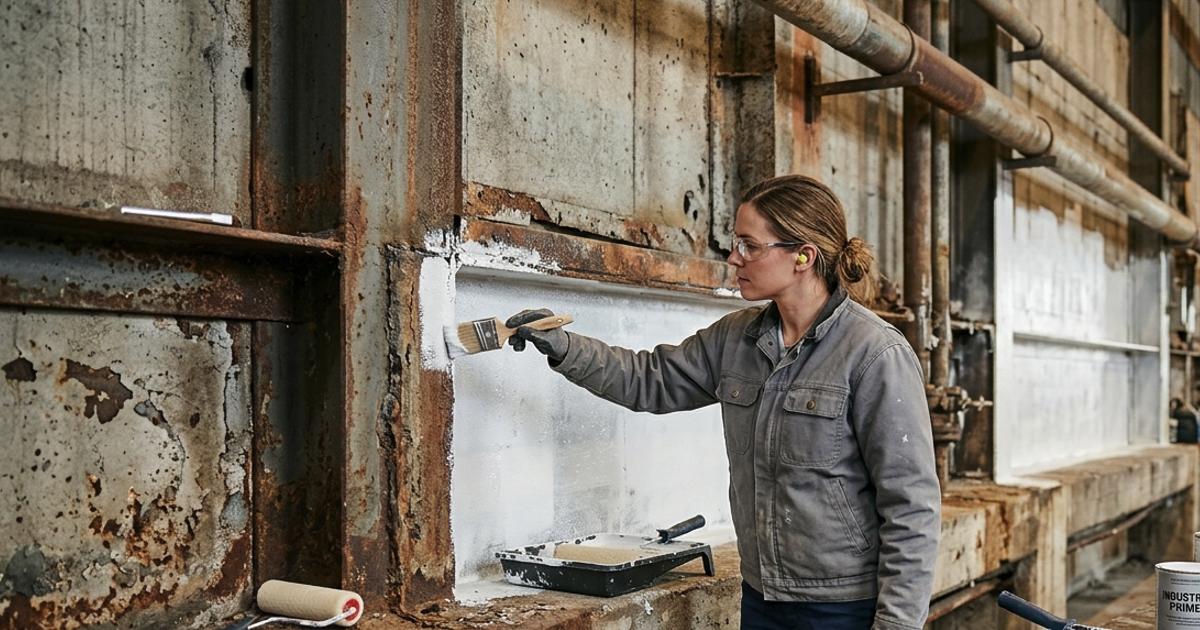
Priming is not simply a preparatory formality. It is a functional step that fundamentally changes how a topcoat bonds to a surface, how it cures, and how long it lasts under real-world exposure conditions. Many applicators underestimate the role of priming because the results of skipping it are not always immediately visible. Problems like delamination, inconsistent sheen, early wear, and adhesion loss often appear weeks or months after application — long after the job is considered complete.
The Primary Functions of a Primer
- Sealing porous substrates to regulate absorption and prevent topcoat over-penetration or starvation
- Improving mechanical and chemical adhesion between the substrate and the finish coat
- Blocking surface contaminants such as tannins, salts, and oils from migrating into the topcoat
- Providing a stable, uniform foundation that promotes consistent sheen and color development
- Reducing the number of topcoats required to achieve full film build and coverage
When you understand these functions, it becomes clear that a proper primer is not an added cost — it is an investment in the longevity and integrity of the entire coating system. INSECO's technical team consistently recommends appropriate primers as part of any comprehensive coating specification, especially when working with challenging or previously coated substrates.
Identifying the Most Difficult Substrates and How to Address Them
Different substrates present different priming challenges. Understanding the specific characteristics of each surface type is essential for selecting and applying the right primer strategy before introducing any INSECO specialty coating.
Weathered and Aged Wood
Wood that has been exposed to UV radiation, moisture cycling, and biological growth presents significant adhesion challenges. The surface fibers become degraded and loosely attached, tannin migration is common in certain species, and mill glaze may be present on older cut surfaces. Before applying any INSECO wood coating — including the flagship WOOD Rx sealer system — weathered wood must be cleaned, brightened if necessary, and properly conditioned to achieve a uniform, receptive surface.
For highly weathered or gray wood, a wood brightener or oxalic acid treatment can help restore the surface pH and open the grain structure for better penetration. Always allow adequate dry time after any wet preparation process before applying your primer or first coat. Consult INSECO's technical data sheets and reach out to our technical support team for specific product recommendations for your wood species and condition.
Dense and Low-Porosity Concrete
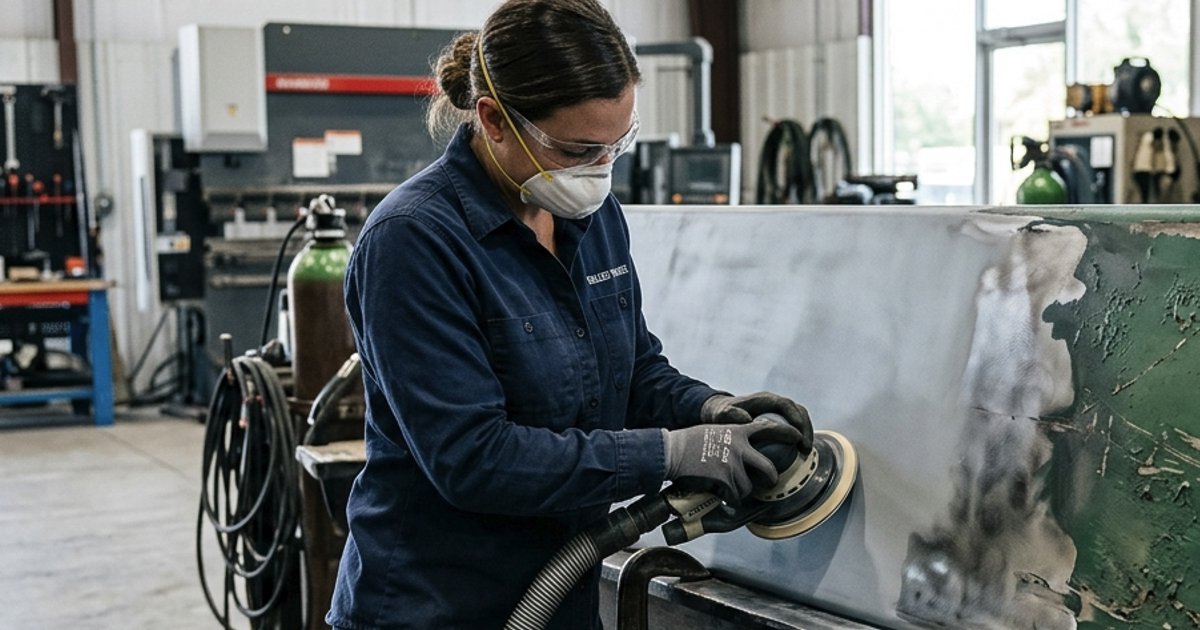
Trowel-finished concrete, polished slabs, and high-density concrete mixes present a challenging priming environment because the surface is often too smooth and non-porous to allow adequate mechanical adhesion. In these cases, surface profiling through mechanical abrasion or acid etching is essential before priming. Without proper profile, even the best primer will sit on top of the surface rather than bonding to it.
Once the appropriate surface profile is achieved, selecting a penetrating primer designed for low-porosity concrete allows the chemistry to anchor into the substrate rather than simply coating the surface. INSECO's technical team can guide you through the appropriate primer selection based on your specific concrete type, condition, and the topcoat system being applied.
Brick Pavers and Natural Stone
Brick pavers and natural stone surfaces often contain soluble salts, efflorescence, and absorbed moisture that can interfere with both primer and topcoat adhesion. These substrates also vary widely in porosity, from highly absorbent tumbled pavers to relatively dense granite or slate. A one-size-fits-all approach to priming simply does not work across these material types.
For paver and stone surfaces, the priming strategy must account for moisture content, salt contamination, and the specific absorption profile of the material. Efflorescence must be fully removed before any primer or sealer is applied, as salts will continue to migrate and push the coating off the surface from below. INSECO's specialty coatings for concrete, brick pavers, and natural stone are engineered to work with properly prepared substrates — and our technical team can help you determine the right approach for your specific project conditions.
Common Priming Mistakes and How to Avoid Them
Even experienced applicators fall into predictable traps when priming difficult substrates. Being aware of these mistakes ahead of time can save significant time, material, and rework costs on any project.
Applying Primer Over a Contaminated Surface
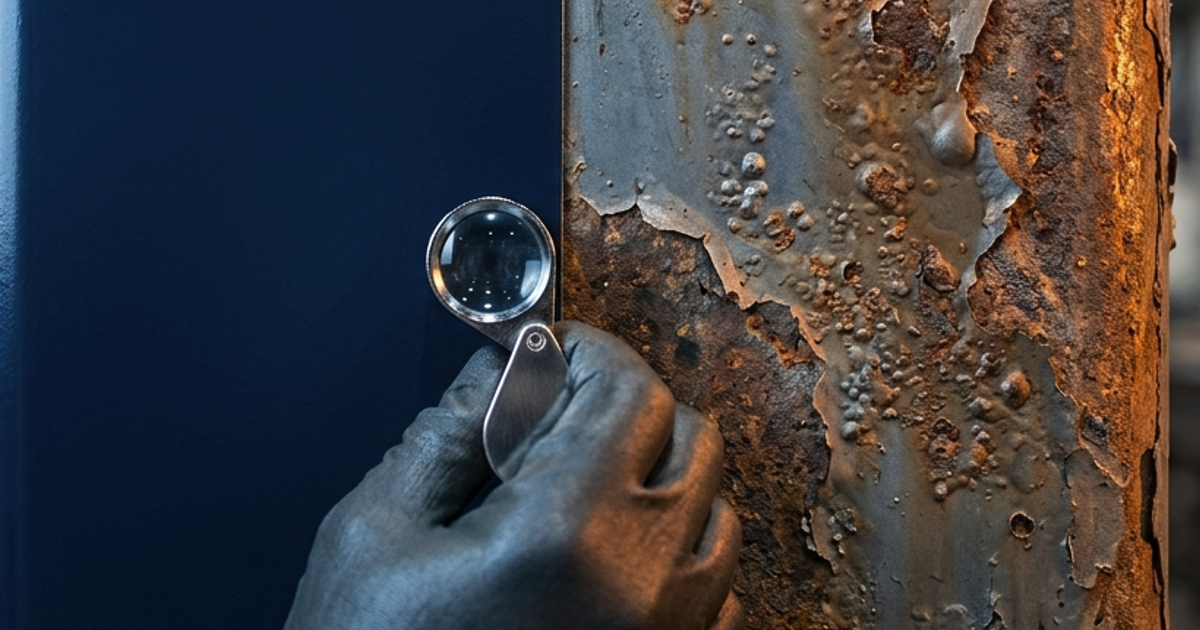
Primer cannot overcome surface contamination. Oils, silicone residues, curing compounds, mold release agents, and biological growth must be fully removed before any primer is applied. If contamination is present underneath the primer, it will prevent true adhesion regardless of how well the primer appears to bond initially. Always perform a thorough cleaning and allow proper dry time before beginning any priming operation.
Using the Wrong Primer for the Substrate
Not all primers are formulated for all substrates. A primer designed for interior drywall is not appropriate for exterior concrete. A water-based primer may not be suitable for a substrate with high moisture content. Matching the primer chemistry to the specific substrate type and condition is a non-negotiable requirement for any professional coating application. When in doubt, contact INSECO's technical support team before proceeding — we are known for our comprehensive technical assistance, and we are here to help you make the right call.
Applying Too Much or Too Little Primer
Coverage rate errors are just as damaging at the priming stage as they are during topcoat application. Over-applying primer can result in a soft, under-cured film that prevents topcoat adhesion. Under-applying primer leaves portions of the substrate unprotected and creates an inconsistent foundation for the finish coat. Always follow the coverage rate guidelines provided in the product data sheet for the primer you are using, and verify that you are achieving the specified wet and dry film thicknesses.
Not Allowing Adequate Primer Dry Time
Rushing the recoat window after priming is a frequent cause of intercoat adhesion failure. Primer that has not fully dried or cured cannot properly bond with the topcoat chemistry. Temperature, humidity, air movement, and substrate porosity all affect primer dry times. Always verify current environmental conditions against the primer's technical data sheet before applying any subsequent coat.
At INSECO, we believe that exceptional coating performance begins long before the topcoat is applied. The priming stage is where the foundation of a successful project is built, and we are committed to helping every customer get it right. Whether you are working with a challenging wood species, a dense concrete slab, or a paver installation exposed to harsh outdoor conditions, our product line and technical team are ready to support you every step of the way. Contact INSECO directly for personalized guidance on primer selection, surface preparation protocols, and complete coating system specifications for your next project.