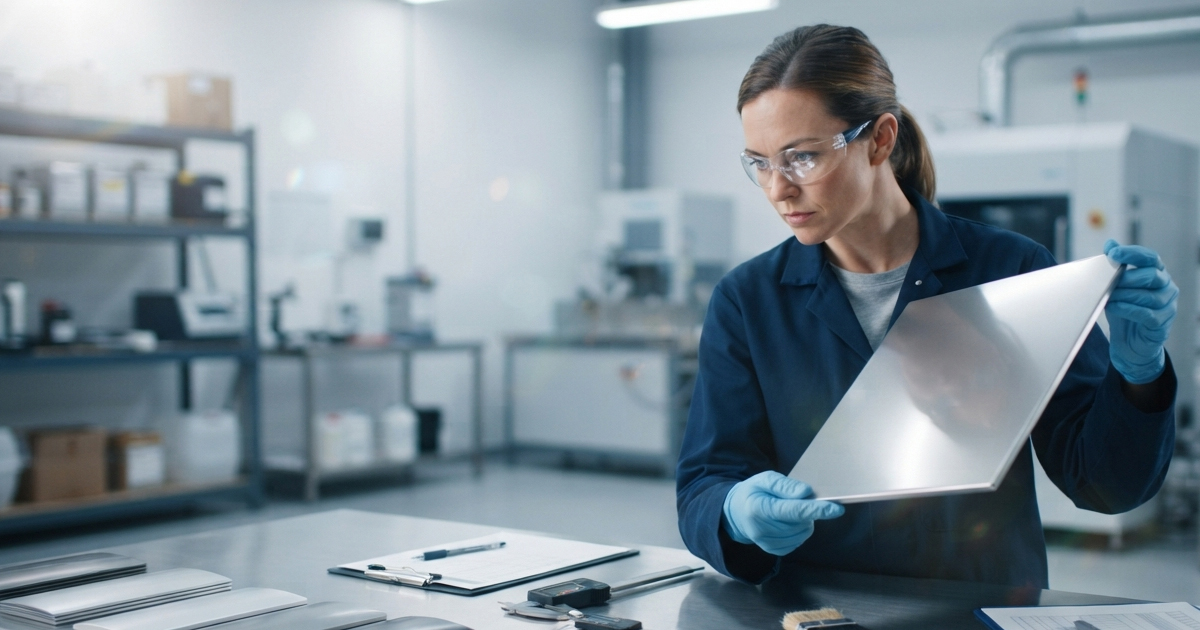



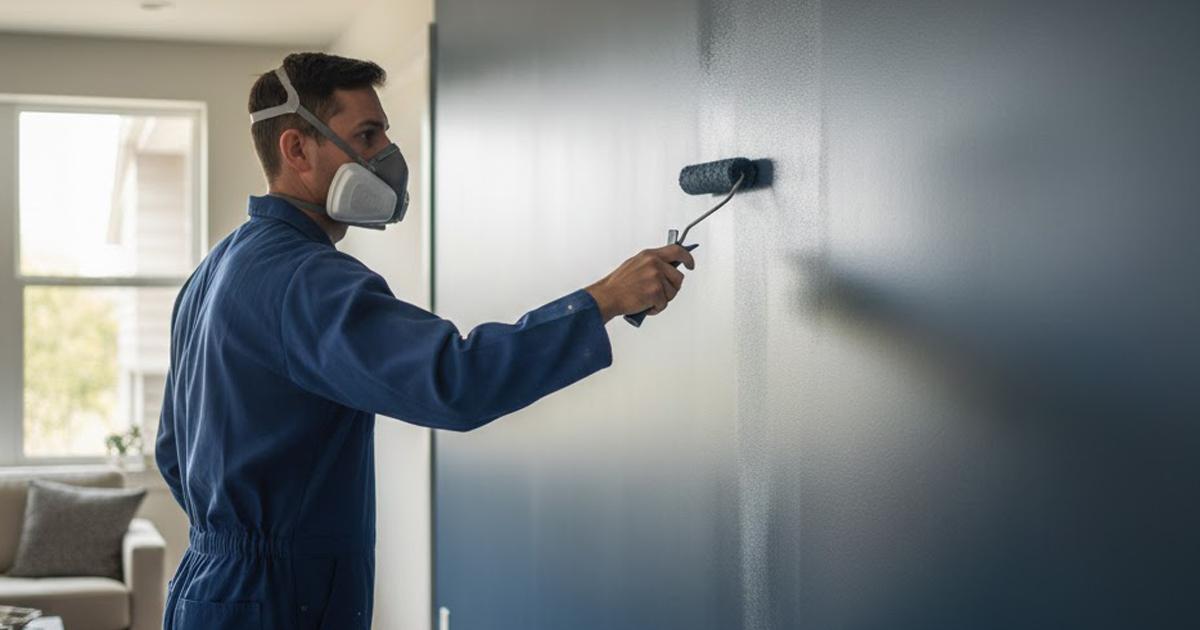

Flashing and uneven sheen are among the most frustrating finish issues professionals encounter. The coating may be properly applied, cured, and structurally sound — yet once it dries, certain areas appear duller, shinier, or patchy under light. While the surface may technically perform well, visual inconsistencies can undermine perceived quality.
When working with INSECO Specialty Coatings, sheen uniformity is achievable — but it requires control over absorption, application method, and environmental conditions. Understanding what causes flashing is the first step to preventing it.
What Causes Flashing in Coating Applications?
Flashing occurs when sections of a surface absorb or cure at different rates. This leads to inconsistent film formation and uneven light reflection.
Common causes include:
-
Variations in substrate porosity
-
Spot-primed or repaired areas
-
Uneven film thickness
-
Over-rolling or back-rolling partially dried material
-
Temperature inconsistencies across the surface
Even small inconsistencies in absorption can create noticeable sheen differences once the coating cures.
The Role of Substrate Uniformity
One of the primary causes of sheen variation is uneven absorption. If some areas of the surface are more porous than others, the coating will penetrate differently. This changes how the film builds and ultimately how light reflects off the cured surface.
To prevent this:
-
Ensure repairs are fully cured and sanded evenly
-
Prime the entire surface rather than spot-priming when possible
-
Apply sealers consistently to balance absorption
Uniform substrates produce uniform finishes.
Why Application Technique Matters More Than You Think
Even when the surface is properly prepared, technique can introduce flashing.
Key considerations include:
-
Maintaining a wet edge during application
-
Avoiding excessive back-rolling once material begins setting
-
Applying consistent pressure across the surface
-
Using the correct nap length or applicator type
Overworking partially dried sections can alter film build and create visible lap marks or sheen changes.
Controlled, methodical application protects appearance as much as performance.
Environmental Factors That Affect Sheen Consistency
Temperature, airflow, and direct sunlight can influence drying speed across different areas of a project. Sections exposed to heat or wind may cure faster than shaded areas, leading to uneven sheen development.
To reduce environmental impact:
-
Avoid applying coatings in direct midday sun
-
Monitor surface temperature, not just air temperature
-
Limit airflow that accelerates drying in isolated areas
-
Work in manageable sections to maintain consistency
Balanced environmental control supports even curing and uniform film formation.
Correcting Flashing If It Occurs
If sheen variation appears after curing, solutions depend on severity.
Minor inconsistencies may be corrected with a light, uniform maintenance coat applied under controlled conditions. More significant flashing may require surface abrading to level the film before reapplication.
The key is diagnosing whether the issue is absorption-based or application-based before proceeding with corrective measures.
Precision Creates Professional Results
Flashing is rarely a product defect. It is typically the result of uneven conditions, inconsistent application, or substrate variability.
By controlling porosity, maintaining technique discipline, and managing environmental factors, professionals can achieve consistent, professional-grade finishes with INSECO Specialty Coatings.
At INSECO INC., we believe that product performance includes appearance. A coating should not only protect — it should present a uniform, professional finish that reflects the expertise behind the application.