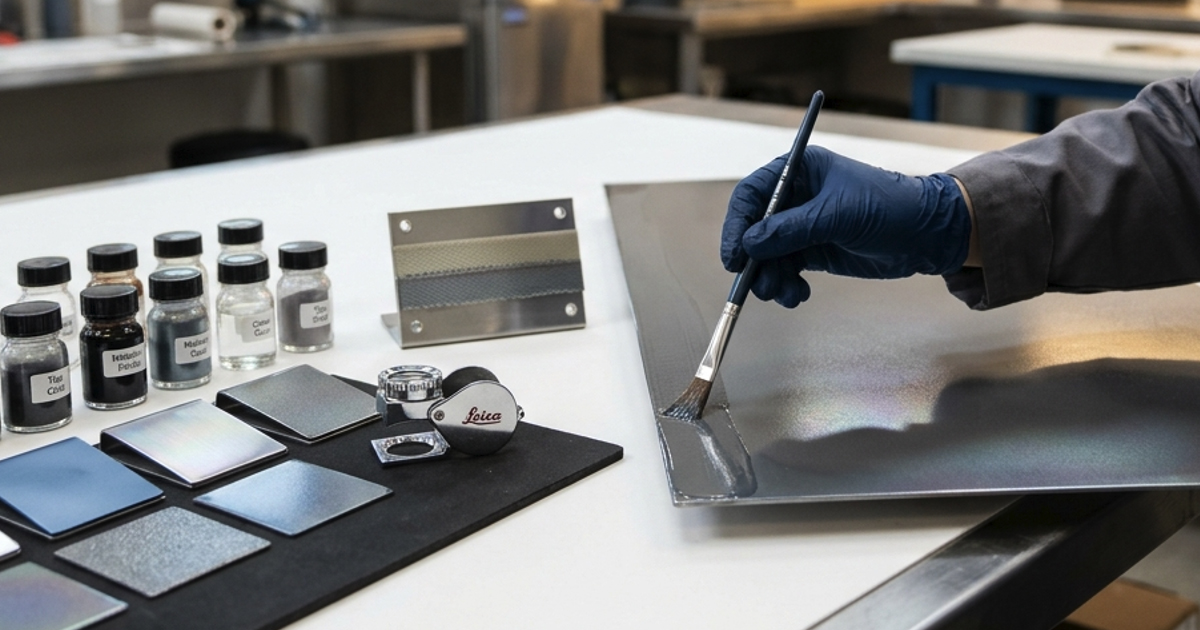



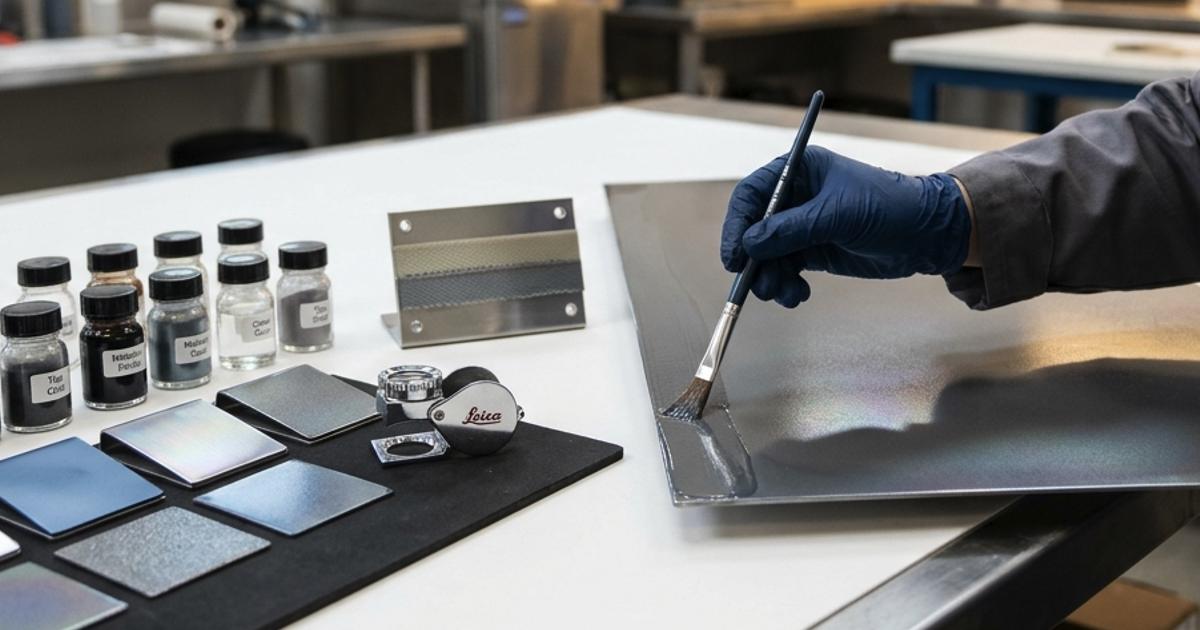

One of the most common — and most costly — mistakes made during coating projects is applying a new product over an existing finish without first verifying compatibility. Whether you are working on a wood deck, concrete slab, brick pavers, or natural stone, the interaction between your existing coating and your new INSECO specialty coating can make or break the entire job. At INSECO, we receive countless technical support calls that trace back to this single overlooked step. This guide will help you understand how to identify what is already on your surface, test for compatibility, and move forward with confidence.
Why Coating Compatibility Matters More Than You Think
Many applicators assume that because two products are both labeled as sealers or protective coatings, they will work well together. This assumption leads to serious performance failures including delamination, fisheye defects, adhesion loss, and premature coating breakdown. Compatibility is not just about chemistry — it is about how the existing film interacts with the new product at a molecular level.
INSECO specialty coatings are engineered to precise performance standards. When an incompatible existing coating is present on the substrate, it can prevent proper adhesion, disrupt the curing process, or create a barrier that traps moisture beneath the new film. These failures are often difficult to diagnose after the fact, which is why prevention through proper compatibility testing is always the smarter approach.
Film-Forming vs. Penetrating Finishes: Know the Difference
Before anything else, you need to understand what type of coating is currently on your surface. Film-forming coatings create a physical barrier on top of the substrate, while penetrating coatings absorb into the material and protect from within. Applying a penetrating INSECO product over a film-forming finish — or vice versa — without proper preparation will almost always result in a failure.
To identify what you are working with, perform a simple water drop test. Place a few drops of water on the surface and observe what happens. If the water beads up immediately, a film-forming sealer is likely present. If the water is absorbed into the surface slowly, a penetrating product may have been used previously, or no coating may be present at all.
Identifying Unknown Coatings in the Field
Not every project comes with documentation about what was previously applied. In these situations, your best tool is observation combined with field testing. Look for signs of a coating by examining the surface under raking light — film-forming products often show a sheen, cracking, or peeling edges. Penetrating products typically leave little to no visible surface film.
If you are still uncertain, contact INSECO technical support before proceeding. Our team has extensive experience helping applicators identify mystery coatings and determine the safest path forward.
How to Test for Compatibility Before Full Application
Testing is not optional when you are unsure about what is on the surface. A small investment of time in a compatibility test can save you an entire project. INSECO strongly recommends performing a test patch in an inconspicuous area before committing to full-scale application over any previously coated surface.
The Test Patch Method
Select a small, representative area of the surface — roughly two to four square feet — and apply your chosen INSECO product according to the standard product data sheet instructions. Allow the test area to cure fully under typical conditions. Once cured, evaluate the patch for the following:
- Proper adhesion with no lifting, bubbling, or separation at the edges
- Consistent sheen and color without fisheye or crawling effects
- No tacky or uncured areas after the recommended dry time has passed
- No discoloration or staining of the surface beneath the coating
- Clean, uniform film formation with no visible delamination
If your test patch passes all of these evaluations, you can proceed with confidence. If any failure signs appear, stop immediately and consult INSECO technical support for guidance on the next steps, which may include stripping the existing coating or applying a compatible primer before proceeding.
Cross-Hatch Adhesion Testing
For more demanding projects or commercial applications, a cross-hatch adhesion test provides a more quantitative measure of compatibility. After the test patch has cured, use a sharp blade to score a grid pattern into the coating and apply a piece of adhesive tape firmly over the grid. Pull the tape back at a sharp angle and examine how much coating lifts from the surface. Significant lifting indicates poor adhesion and an incompatibility issue that must be resolved before moving forward.
What to Do When Compatibility Issues Are Found
Discovering a compatibility problem does not mean your project is derailed — it simply means you need to take additional steps before applying your INSECO specialty coating. The right course of action depends on the type of existing coating, the condition of the substrate, and the product you intend to use.
Stripping the Existing Coating
In many cases, the safest and most reliable solution is to remove the existing coating entirely before applying your INSECO product. Chemical strippers, mechanical abrasion, or pressure washing can be used depending on the substrate and the type of coating present. Always follow INSECO's surface preparation guidelines for your specific product to ensure the substrate is properly profiled and contaminant-free before application.
Using a Bonding Primer as a Bridge
In situations where full removal of the existing coating is not practical or desirable, a bonding primer may be able to bridge the gap between the old coating and your new INSECO product. Contact INSECO technical support to determine whether a primer is appropriate for your specific situation and which primer is recommended. Never assume that any commercially available primer will be compatible without verification.
When to Call INSECO Technical Support
INSECO has built its reputation on more than just premium products — we are equally known for our comprehensive technical assistance. If you encounter any situation where you are uncertain about coating compatibility, substrate condition, or the appropriate preparation steps, do not guess. Reach out to our technical team directly. We can walk you through a diagnostic process, review your site conditions, and help you select the right INSECO coating system for your specific project requirements.
Compatibility is not a step to be skipped or assumed. It is one of the foundational elements of a successful coating application, and INSECO is here to make sure you get it right every time. By taking the time to understand what is on your surface, testing before you commit, and working with our technical experts when questions arise, you protect your investment and ensure that your INSECO specialty coating delivers the lasting performance it was designed to provide.