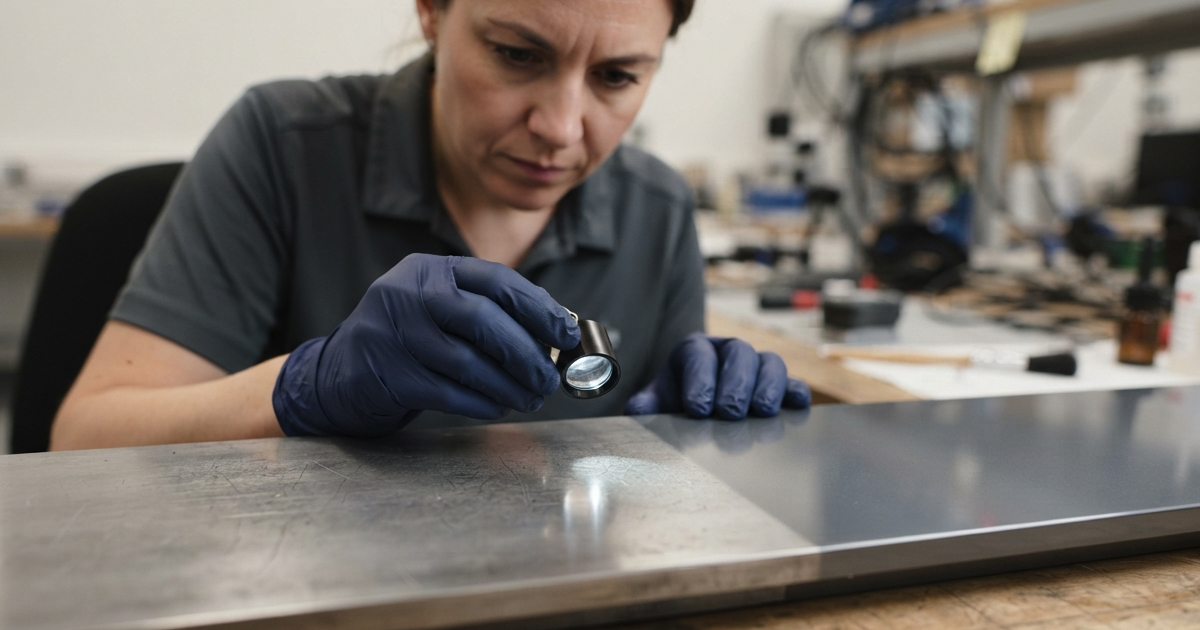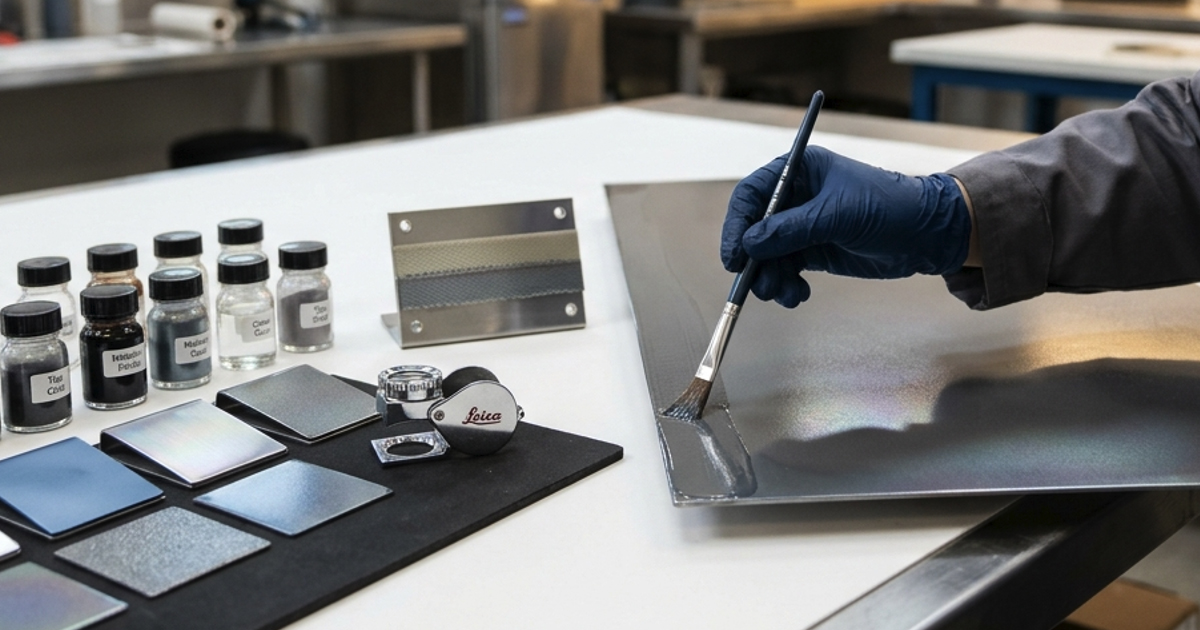



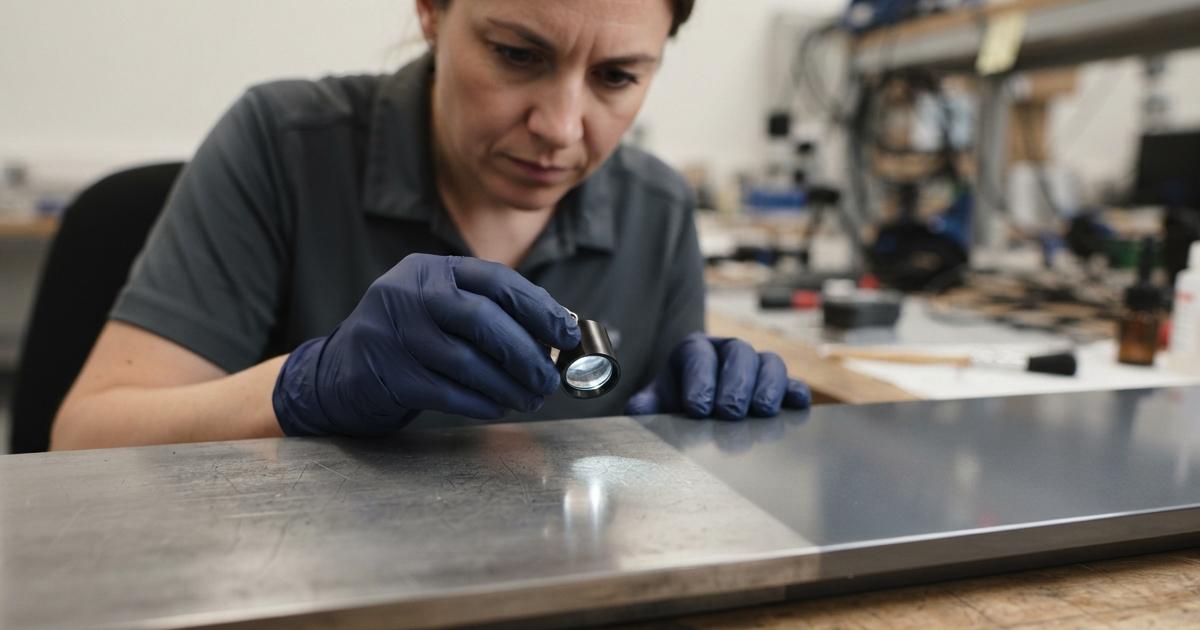

One of the most common questions contractors, property owners, and facilities managers ask our technical team at INSECO is deceptively simple: Do I need to touch this up, or do I need to start over? It sounds like a straightforward question, but the answer requires a careful evaluation of multiple factors — the substrate condition, the coating age, the type of failure showing, and the exposure history of the surface.
Getting this decision wrong in either direction carries real consequences. Touching up a surface that truly needs a full reapplication will only delay an inevitable failure, often making the eventual remediation more difficult and costly. On the other hand, stripping and recoating a surface that only needed a targeted touch-up wastes time, materials, and labor. At INSECO, we have spent decades helping professionals make smarter decisions at this exact crossroads.
Understanding the Difference Between Localized Failure and Systemic Failure
The first principle to internalize is the distinction between a localized failure and a systemic failure. These two categories define your entire decision-making process from the moment you begin your assessment.
What Localized Failure Looks Like
Localized failure is exactly what it sounds like — coating breakdown confined to a specific area of the surface, while the surrounding coating remains intact, well-adhered, and performing as intended. This type of failure is typically the result of a concentrated mechanical impact, a point-source moisture intrusion, an area that received insufficient coverage during the original application, or a micro-zone of substrate contamination that was missed during prep.
When INSECO Specialty Coatings fail locally, you will often see clearly defined edges around the affected area. The surrounding coating will still have solid adhesion, the color and sheen will remain consistent, and a simple adhesion test on the unaffected areas will return clean results. These are the conditions under which a targeted touch-up is not only appropriate — it is the preferred approach.
What Systemic Failure Looks Like
Systemic failure tells a very different story. Here, the coating breakdown is widespread, affecting large portions or the entirety of the coated surface. You may notice broad areas of delamination, widespread sheen inconsistency, chalking or powdering across large sections, or pervasive adhesion loss that reveals itself during simple tape tests across multiple zones.
Systemic failure is usually tied to one or more of the following root causes: incorrect product selection for the exposure conditions, inadequate surface preparation across the board, improper application technique applied throughout the project, or a coating that has simply exceeded its useful service life. In these situations, touching up isolated areas would be cosmetically misleading and structurally ineffective. A full reapplication — often preceded by a complete strip — is the only path to restored performance.
Key Indicators That a Touch-Up Is Appropriate
When evaluating an INSECO coated surface for potential touch-up work, there are specific conditions that support a touch-up approach. Use the following criteria as your field evaluation checklist before committing to any remediation path.
- Adhesion remains strong in surrounding areas: Perform a cross-cut tape test or simple pull test across multiple areas beyond the failure zone. If adhesion is solid, the existing coating is still performing its protective role.
- Failure area is less than 15 to 20 percent of total surface: When the visibly degraded area represents a small fraction of the overall coated surface, a targeted repair is typically both practical and effective.
- Sheen and color are consistent beyond the failure zone: If the rest of the surface looks and reads the way it should — matching your original application intent — the coating system overall is still sound.
- Substrate beneath the failure is intact: When you remove loose or failed coating from the localized area, the substrate underneath should be sound, clean, and free of deep deterioration. A damaged substrate changes the entire equation.
- Coating age is within normal service life expectations: If the product is well within its expected maintenance window and only showing isolated wear, a touch-up is consistent with normal lifecycle management.
- Failure has a clear, identifiable cause: Impact damage, isolated water intrusion, or a small area of missed coverage during the original application are all correctable causes that do not indicate a systemic problem with the coating system.
Key Indicators That a Full Reapplication Is Required
Equally important is recognizing when touch-up work would be an exercise in temporary cosmetics rather than genuine restoration. INSECO's technical team consistently advises clients to invest in a proper full reapplication when the following conditions are present.
Widespread Adhesion Failure
If tape tests across multiple, non-adjacent areas of the surface return failed results — meaning the coating lifts cleanly away from the substrate — the bond between the coating and the surface has broken down on a systemic level. No amount of touch-up work over a surface with compromised adhesion will produce durable, lasting results. The failed coating must be removed and the surface must be re-prepared from scratch before any new product is applied.
Coating Has Exceeded Its Service Life
Every INSECO Specialty Coating has an expected service life under defined exposure conditions. When a coating has aged beyond that threshold, it begins to lose its protective properties even in areas that may still appear visually intact. Applying fresh product over an aged, depleted coating system does not restore lost performance — it only adds material on top of a foundation that is no longer capable of supporting it. Full reapplication, beginning with proper surface preparation, is the only way to reset the performance clock.
Substrate Has Deteriorated Beneath the Coating
Sometimes what appears to be a coating failure is actually a substrate failure that has pushed through the coating from below. When the wood, concrete, pavers, or stone beneath the coating has deteriorated, cracked, spalled, or become saturated with moisture, there is nothing structurally sound for a touch-up coat to adhere to. The substrate must be repaired, restored, or replaced before any coating work can be meaningfully performed.
Color, Sheen, or Appearance Is Broadly Inconsistent
When a coating has degraded to the point where sheen levels, color tone, or surface texture are inconsistent across large sections of the project, touch-up work will typically make the appearance worse rather than better. New product applied to aged, weathered coating rarely blends seamlessly. In these cases, a full reapplication is the only way to restore visual uniformity alongside functional protection.
How INSECO Technical Support Can Help You Decide
At INSECO, we understand that these assessments can feel uncertain, especially on larger or more complex projects. Our technical assistance program is specifically designed to support contractors and property owners through exactly these decisions. Whether you are evaluating a WOOD Rx application on a timber deck, an INSECO concrete coating system on a commercial pavement project, or a natural stone sealer on a high-traffic exterior surface, our team can walk you through a structured field assessment protocol to help you determine the right path forward.
When you contact INSECO for technical assistance, our team will ask targeted questions about the coating age, the substrate type, the exposure history, and the nature and distribution of the failure you are observing. If possible, documentation — photographs of the failure zones alongside photos of intact areas, results of simple adhesion tests, and any relevant environmental or application history — will help our team provide faster and more accurate guidance.
Making the right call between a touch-up and a full reapplication is not just about saving time or money in the short term. It is about ensuring that every INSECO Specialty Coating system you install or maintain continues to deliver the premium, long-lasting protection our products are designed to provide. When in doubt, reach out. That is exactly what our technical team is here for.