



Even the most advanced specialty coating in the world can underperform if it is not properly mixed or thinned before application. At INSECO, we have worked with contractors, applicators, and property owners for nearly three decades, and one of the most consistent sources of field problems we encounter comes down to this single, often-overlooked step: improper mixing and thinning practices.
Whether you are applying WOOD Rx to a deck, sealing a brick paver driveway, or protecting a natural stone surface, understanding how to correctly prepare your coating before it ever touches a brush or roller is essential to achieving the results INSECO products are engineered to deliver.
Why Proper Mixing Matters More Than You Think
Specialty coatings are not simple, single-component liquids. They are carefully formulated systems where pigments, resins, additives, and performance agents are suspended together in a precise balance. When a product sits in storage, even for a short period, these components can settle, separate, or stratify. Applying a coating that has not been properly remixed means you are applying an unbalanced formula, and the results will reflect that.
The Risks of Skipping or Rushing the Mix
- Uneven color or sheen across the finished surface
- Reduced adhesion due to inconsistent resin distribution
- Poor water repellency or UV resistance from unevenly dispersed additives
- Premature coating failure that voids product performance expectations
- Wasted material from application that requires stripping and reapplication
How to Mix INSECO Coatings Correctly
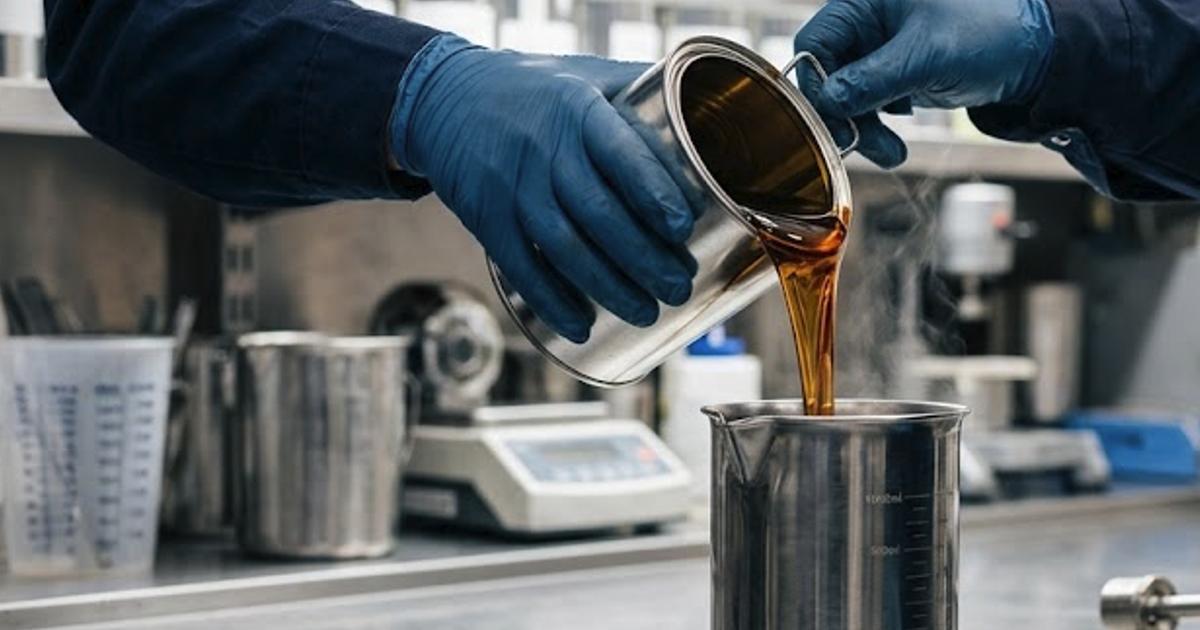
Before mixing, always inspect the container for any signs of skinning at the surface. If a thin skin has formed, carefully remove it before mixing begins. Use a clean, appropriately sized mixing paddle attached to a low-speed drill. High-speed mixing introduces excessive air into the coating, which can lead to foam, bubbles, and crater defects during application.
Mix from the bottom of the container upward, making sure to scrape the walls and bottom thoroughly. A common mistake is mixing only the top portion of the product while the heavier settled materials remain undisturbed at the base. For most INSECO products, a thorough mix of two to three minutes at low speed is sufficient. Always confirm uniformity by lifting the paddle and observing the consistency of the material running off it.
Understanding When and How to Thin INSECO Specialty Coatings
Thinning is one of the most misunderstood aspects of specialty coating application. Many applicators assume that thinning a coating is a routine step or even a way to stretch material across a larger area. In reality, thinning should only be done when application conditions specifically require it, and only within the parameters defined in the product data sheet.
When Thinning Is Appropriate
There are legitimate reasons to thin a coating, including adjusting viscosity for spray application equipment, improving flow and leveling in warm or dry conditions, or accommodating a highly porous substrate that requires initial penetration before a full-build coat. The key is that thinning must always be purposeful and controlled.
Using the Correct Thinner for Your INSECO Product
Not all thinners are compatible with all coatings. INSECO products are formulated with specific solvent systems, and introducing an incompatible thinner can destabilize the formula, compromise adhesion, affect cure chemistry, or alter the final appearance of the surface. Always refer to the product data sheet for the recommended thinner type and the acceptable thinning ratio.
As a general principle, never exceed the maximum thinning ratio listed for any INSECO product. Over-thinning reduces the solids content of the coating, which directly reduces film build, coverage efficiency, and long-term durability. A coating that has been excessively thinned may appear to apply easily, but it will not perform to specification once cured.
How to Add Thinner Correctly
Always add thinner gradually, in small increments, while mixing continuously. Do not pour the full calculated amount of thinner in at once. Add a portion, mix thoroughly, evaluate the viscosity, and add more only if necessary. This incremental approach gives you precise control and reduces the risk of over-thinning. Never thin a product after it has already been applied to a surface or left sitting for an extended period of time, as the evaporation of solvents already underway will create an unpredictable final formula.
Practical Tips for Consistent Results Every Time
Beyond the core mechanics of mixing and thinning, there are several practical habits that experienced applicators use to maintain consistency across every INSECO project, regardless of scale or surface type.
Use Clean Equipment
Contamination from previous coatings, incompatible materials, or even residual cleaning solvents left in a mixing container can compromise your batch. Always start with clean, dry mixing and application equipment. Even a small amount of silicone, oil, or incompatible resin introduced into your coating can cause fish-eye defects, adhesion failure, or gloss irregularities.
Mix Only What You Can Use
Avoid mixing more material than your work schedule requires. Once a product has been mixed, especially if thinned, it should be used within the working time defined in the product data sheet. Leaving mixed material sitting open for extended periods allows solvents to flash off, changes the viscosity, and can accelerate the onset of skin formation or gelation.
Document Your Process
For large or ongoing projects, keeping a simple record of how much thinner was added, which batch number was used, and what environmental conditions were present at the time of mixing allows you to maintain consistency across multiple application sessions. It also provides valuable reference information if any performance question arises during or after the project.
At INSECO, we back every product in our lineup with comprehensive technical support. If you are unsure about the correct mixing procedure or appropriate thinning ratio for your specific application, our technical team is available to provide guidance. Proper preparation is not just a recommendation, it is the foundation on which every successful INSECO coating application is built.