



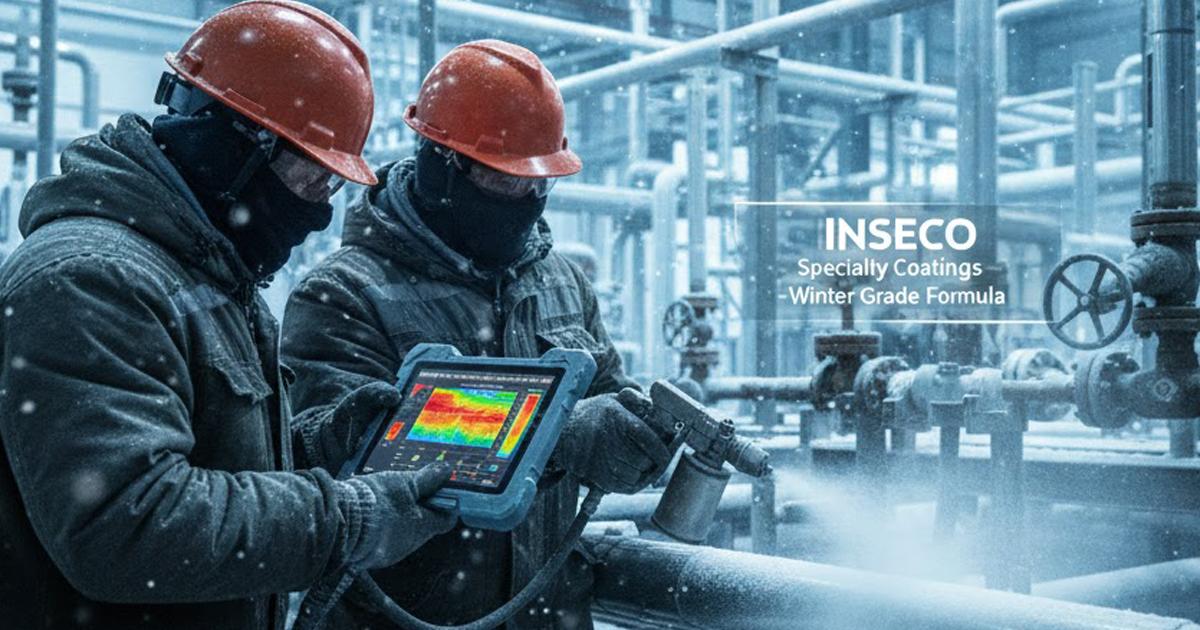

How to Handle Cold Weather Application Challenges with INSECO Specialty Coatings;handle-cold-weather-application-challenges-inseco-specialty-coatings;Understanding temperature-related application challenges and proper techniques ensures INSECO specialty coatings perform as intended even during cooler months when conditions are less than ideal.;*
How to Handle Cold Weather Application Challenges with INSECO Specialty Coatings
Temperature affects coating performance in ways that aren't always immediately visible. Application in cold conditions can lead to adhesion problems, extended cure times, and surface defects that only become apparent after the coating has been in service. Understanding how temperature influences INSECO specialty coatings helps avoid these issues.
Most coatings have minimum application temperature requirements, typically between 40°F and 50°F depending on the formulation. These aren't arbitrary numbers. Below these thresholds, chemical reactions slow, solvents evaporate differently, and film formation becomes unpredictable. The result is a coating that may look acceptable initially but fails to develop proper adhesion or durability.
Surface temperature matters as much as air temperature. Concrete, wood, and masonry surfaces often remain colder than surrounding air, especially early in the day or after extended cold periods. A surface that feels dry to the touch may still be too cold for proper coating adhesion. Using an infrared thermometer to verify surface temperature before application eliminates guesswork.
Cold conditions also affect coating viscosity. Thicker material flows differently, penetrates less effectively, and creates application challenges that don't exist at optimal temperatures. Storing products in temperature-controlled environments before use helps maintain proper viscosity. Attempting to thin coatings beyond manufacturer recommendations to compensate for cold-thickened material typically creates more problems than it solves.
Cure time extension represents another cold weather reality. What might dry in two hours under summer conditions could require eight hours or more in cold weather. Premature exposure to moisture, traffic, or additional coats before the coating has properly cured leads to performance problems. Planning for extended cure times prevents rushing applications that compromise results.
Moisture complications increase in cold weather. Morning dew, frost, and condensation create surface moisture that interferes with adhesion even when substrates appear dry. Allowing adequate time for surfaces to warm and dry completely before application becomes more critical in cold conditions. In some cases, this means limiting application windows to afternoon hours when surfaces have reached acceptable temperatures.
Wind and humidity interact with temperature to affect coating performance. Cold, windy conditions can cause surface flash-off before proper penetration occurs, particularly with penetrating sealers. High humidity combined with low temperatures extends dry times significantly and increases the risk of moisture-related defects.
For wood applications using WOOD Rx or similar products, cold weather requires extra attention to substrate moisture content. Wood that appears dry may have elevated internal moisture from seasonal conditions. Testing moisture levels before application prevents sealing moisture into the substrate, which leads to premature coating failure.
Concrete and masonry surfaces present their own cold weather challenges. These substrates hold cold longer than air temperatures would suggest. Efflorescence risk increases when moisture within masonry moves to the surface and deposits salts. Coating over active efflorescence creates adhesion problems that appear months later.
Equipment performance also changes in cold conditions. Spray equipment may require pressure adjustments. Brushes and rollers handle cold-thickened material differently. Cleaning solvents become less effective at lower temperatures. Anticipating these equipment-related changes prevents application problems.
When conditions fall below ideal application parameters, waiting for better weather often proves more cost-effective than dealing with coating failures. INSECO specialty coatings are formulated to deliver specific performance characteristics, but those characteristics depend on proper application conditions. Pushing applications outside recommended parameters compromises the quality that distinguishes specialty coatings from commodity products.
For projects that must proceed in marginal conditions, several strategies reduce risk. Limiting daily production to surfaces that can be completed during the warmest part of the day maintains quality. Using temporary enclosures or heating to modify the immediate environment around application areas creates acceptable conditions when ambient weather doesn't cooperate. Applying thinner coats that cure more reliably in cold conditions, even if it means additional passes, produces better results than attempting full coverage in single applications.
Temperature monitoring should continue after application. If conditions drop significantly before the coating has fully cured, performance may be compromised even if application occurred within acceptable parameters. Protecting fresh applications from frost or freezing during initial cure periods prevents defects that appear only after the coating has been in service.
INSECO's technical support team can provide specific guidance for products being used in less-than-ideal conditions. Different formulations within our specialty coating line have varying temperature sensitivities. Understanding these differences helps select appropriate products for specific timing and conditions.
Cold weather doesn't make quality coating work impossible, but it requires adjusted approaches and realistic expectations. Projects completed with attention to temperature-related factors perform as intended. Those rushed through marginal conditions often create callbacks and warranty issues that eliminate any time or cost savings from proceeding in poor weather.