




Roller marks and lap lines can undermine an otherwise professional coating application. Even when the surface is properly prepared and the product is mixed correctly, visible application lines can appear if technique, timing, and environmental conditions are not carefully managed. The good news is that these issues are preventable when you understand why they happen and how INSECO Specialty Coatings are designed to perform.
Below is a practical guide to eliminating roller marks and lap lines so your finished project looks uniform, smooth, and consistent.
Understanding Why Roller Marks and Lap Lines Occur
Lap lines happen when one section of coating begins to dry before the adjacent section is applied and blended into it. When this occurs, the overlapping area builds unevenly or fails to level properly, leaving a visible line.
Roller marks typically appear due to:
-
Overworking the material
-
Using the wrong roller nap
-
Applying too little or too much product
-
Working in high heat or direct sunlight
-
Allowing inconsistent dry times between passes
INSECO Specialty Coatings are formulated for durability and performance, but like any high-quality system, they rely on proper technique to achieve a uniform finish.
Maintain a Wet Edge at All Times
The single most important technique for preventing lap lines is maintaining a continuous wet edge.
This means:
-
Working in manageable sections
-
Planning your exit strategy before you begin
-
Avoiding random stopping points
-
Moving consistently across the surface
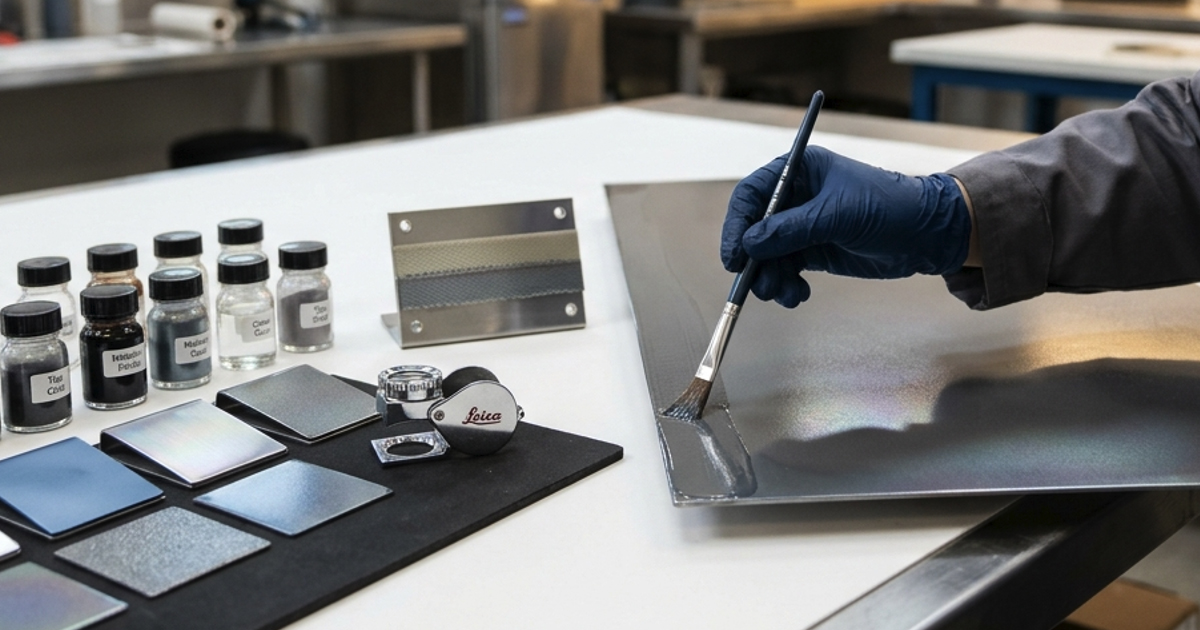
Apply the coating in a logical sequence and overlap each pass slightly while the previous section is still wet. This allows the material to level together rather than sitting on top of a partially cured edge.
Large projects may require two applicators to maintain flow and prevent premature drying at transitions.
Choose the Correct Roller Nap
The wrong applicator can create texture variations and visible roller patterns.
When selecting a roller for INSECO coatings:
-
Match the nap thickness to the substrate texture
-
Avoid overly thick naps on smooth surfaces
-
Replace worn or shedding rollers immediately
-
Ensure rollers are compatible with the coating type
A roller that holds too much material can cause buildup and ridging, while one that holds too little may force overworking. Balanced material delivery supports proper leveling.
Control Environmental Conditions
Temperature, airflow, and sun exposure dramatically impact open time.
If the surface is:
-
Too hot, the coating may skin over quickly
-
In direct sunlight, drying accelerates unevenly
-
Exposed to strong airflow, flash times shorten
Whenever possible:
-
Work during cooler parts of the day
-
Shade surfaces if feasible
-
Avoid windy conditions
-
Monitor substrate temperature, not just air temperature
INSECO coatings are engineered for performance, but maintaining optimal environmental conditions gives the material time to self-level and reduce visible marks.
Apply the Correct Amount of Material
Applying too little product forces excessive rolling, increasing the likelihood of visible lines. Applying too much increases sagging and texture inconsistencies.
To avoid these problems:
-
Follow recommended spread rates
-
Load the roller evenly
-
Avoid dry rolling
-
Back-roll lightly to level, not to redistribute excessively
Consistent material application allows the coating to flow naturally and settle into a uniform film.
Use Proper Rolling Technique
Technique matters more than speed.
For best results:
-
Roll in one consistent direction for final passes
-
Use light, even pressure
-
Avoid pressing hard to “stretch” the material
-
Do not repeatedly go back over partially set areas
Overworking the surface once the coating begins to set is one of the most common causes of visible roller marks.
Plan Large Areas Strategically
On expansive surfaces, break the area into logical sections using natural boundaries such as control joints, edges, or architectural breaks. This prevents random stopping points that can create visible transition lines.
If needed, coordinate with a second applicator to maintain rhythm and consistent coverage across the project.
Final Inspection Before Full Cure
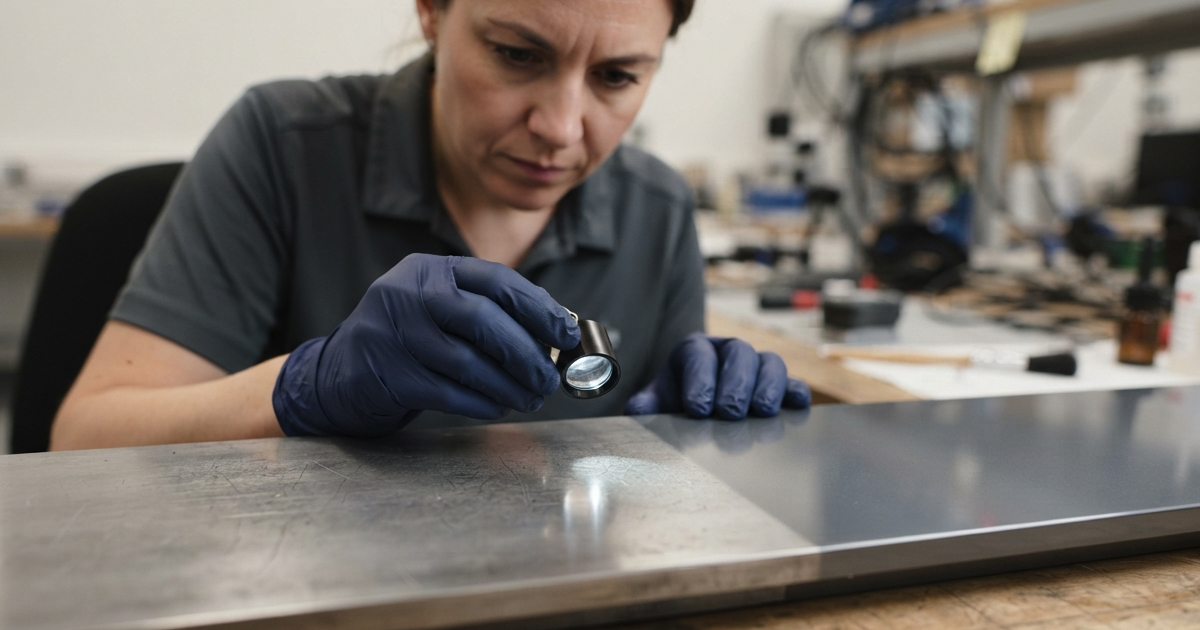
Before the coating fully sets, visually inspect from multiple angles. Low-angle lighting can reveal subtle lines that aren’t obvious from straight-on viewing.
If minor inconsistencies are caught early, they can often be corrected before full cure. Once the coating hardens, correction becomes far more labor-intensive.
Achieving a Professional Finish with INSECO Specialty Coatings
Roller marks and lap lines are rarely product failures—they are usually timing or technique issues. By maintaining a wet edge, choosing the right applicator, controlling environmental conditions, and applying consistent material thickness, you allow INSECO Specialty Coatings to perform as designed.
Attention to detail during application results in a smooth, uniform surface that reflects the quality and durability the INSECO name represents.