



One of the most common but least visible causes of coating performance problems is intercoat contamination. Even when the first coat is applied correctly, contaminants introduced before the next layer can weaken bonding strength and reduce the long-term durability of the entire coating system.
Understanding how contamination happens between coats—and how to prevent it—helps ensure INSECO specialty coatings perform exactly as designed.
What Intercoat Contamination Looks Like in the Field
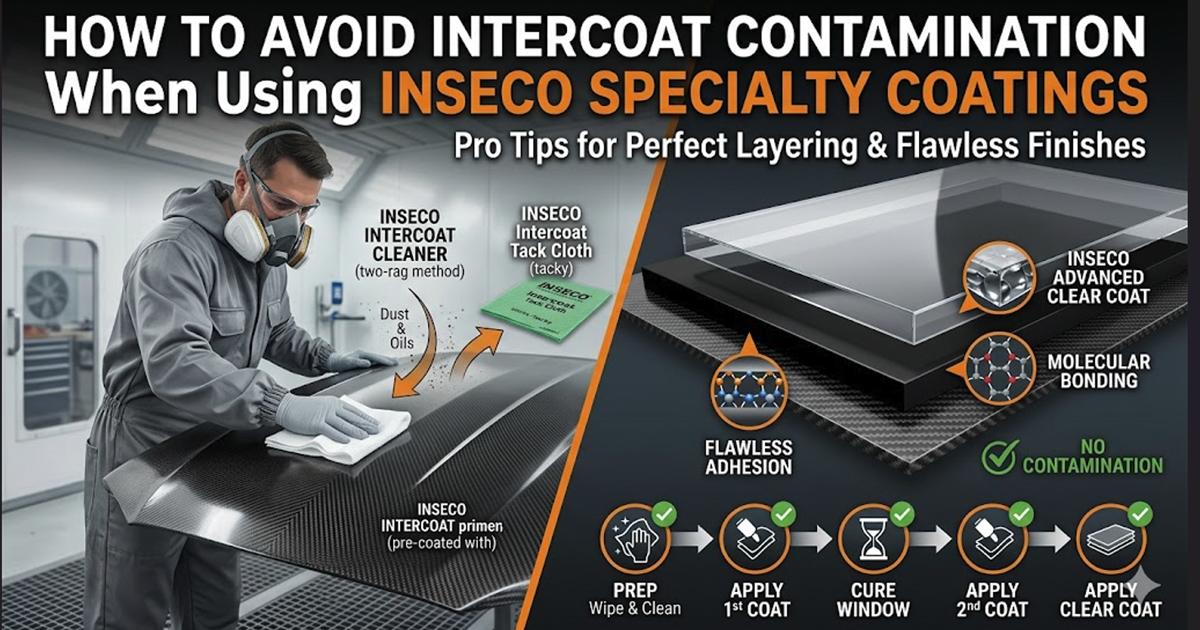
Intercoat contamination occurs when foreign material settles on a coated surface before the next layer is applied. These contaminants may not always be visible, but they can interfere with adhesion between layers.
Common sources include:
- Airborne dust from nearby activity
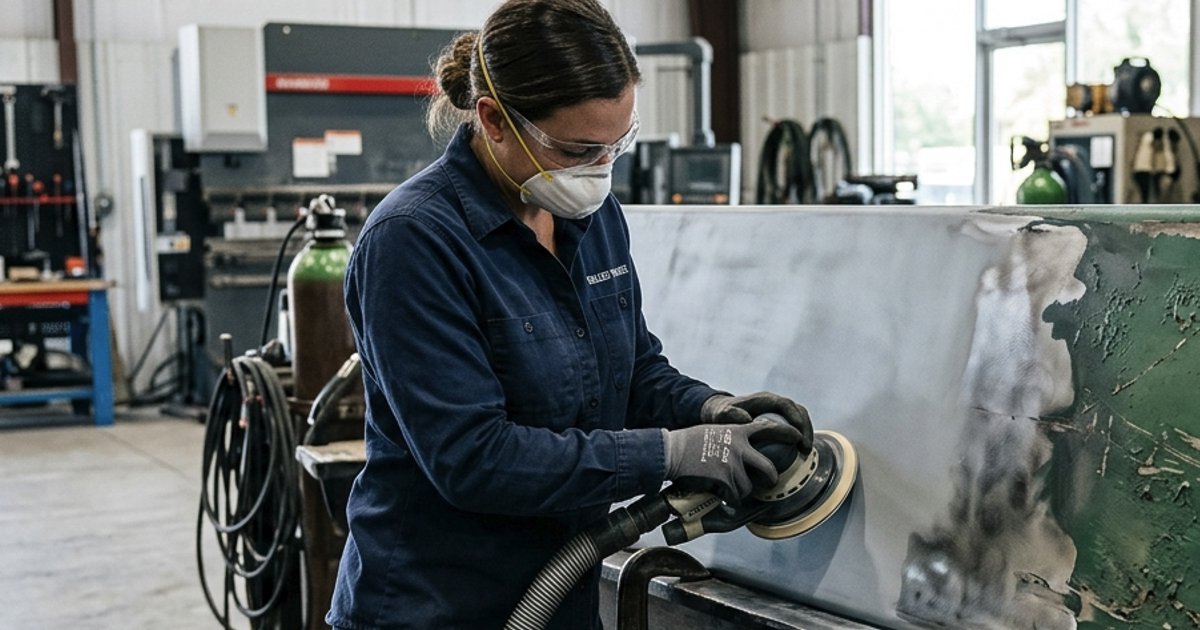
- Jobsite sanding debris
- Wind-blown particles on exterior projects
- Foot traffic across coated surfaces
- Oil transfer from handling tools or equipment
Even small amounts of contamination can interrupt the chemical bonding process between coating layers.
Why Intercoat Contamination Creates Long-Term Performance Risks
When contamination forms a barrier between coats, the coating system may appear acceptable immediately after application but develop problems later.
Potential issues include:
- Reduced intercoat adhesion
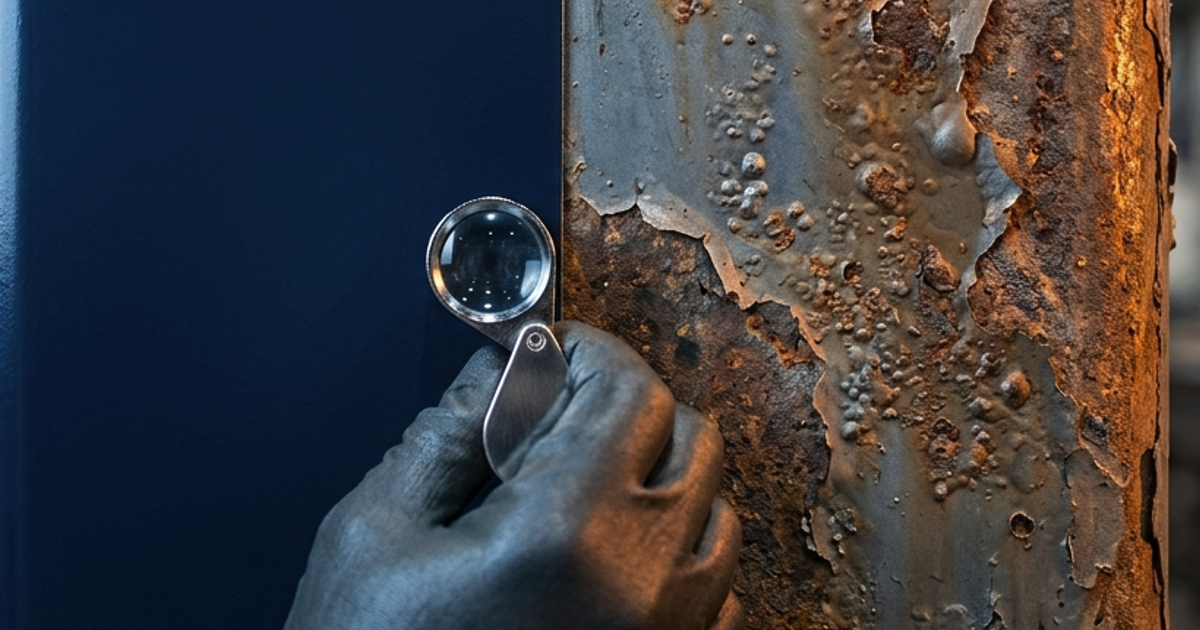
- Premature peeling between layers
- Reduced abrasion resistance
- Visible finish inconsistencies
- Early coating system failure under stress conditions
Preventing contamination protects the structural integrity of the full coating system rather than just the surface appearance.
How to Recognize High-Risk Project Conditions
Certain environments increase the likelihood of intercoat contamination and require additional awareness during application planning.
Higher-risk situations often include:
- Active construction environments
- Exterior coating applications during windy conditions
- Industrial facilities with airborne particulates
- Interior spaces with ongoing trades nearby
- Projects requiring extended recoat windows
Identifying these risks early allows crews to adjust workflows before contamination becomes a problem.
Practical Steps That Reduce Intercoat Contamination Risk
Maintaining a clean surface between coats is one of the simplest ways to improve coating reliability.
Best practices include:
- Inspecting surfaces before each additional coat
- Limiting unnecessary traffic across coated areas
- Managing airflow in enclosed environments
- Scheduling coating sequences around nearby trades
- Using appropriate surface cleaning methods when delays occur
Small adjustments to jobsite coordination can significantly improve coating system performance.
Consistent Intercoat Bonding Supports Long-Term Results
High-performance coating systems depend on strong bonding between every layer—not just the first one applied. Managing intercoat contamination helps ensure that each layer contributes fully to durability, appearance, and protective performance.
INSECO INC. provides the technical support and application guidance professionals rely on to maintain coating system integrity from the first coat through final cure, helping contractors achieve consistent, dependable results across demanding project environments.