




Even the best coating system can fail if it’s applied in the wrong order. Application sequencing — the order in which steps and layers are completed — plays a critical role in adhesion, durability, and long-term performance. At INSECO, many of the issues we help troubleshoot aren’t caused by product defects, but by steps being skipped, rushed, or completed out of sequence.
Understanding the correct order of operations helps ensure your coating system performs exactly as designed.
Why Application Sequence Matters
Each stage of a coating system builds on the one before it. Surface prep creates the foundation, primers establish bonding, and topcoats deliver protection and aesthetics. When these steps are rushed or rearranged, the chemical and mechanical bonds between layers are compromised.
This can lead to adhesion loss, premature wear, inconsistent appearance, or trapped moisture beneath the surface — issues that may not appear immediately but will surface over time.
Step One: Surface Preparation Sets the Stage
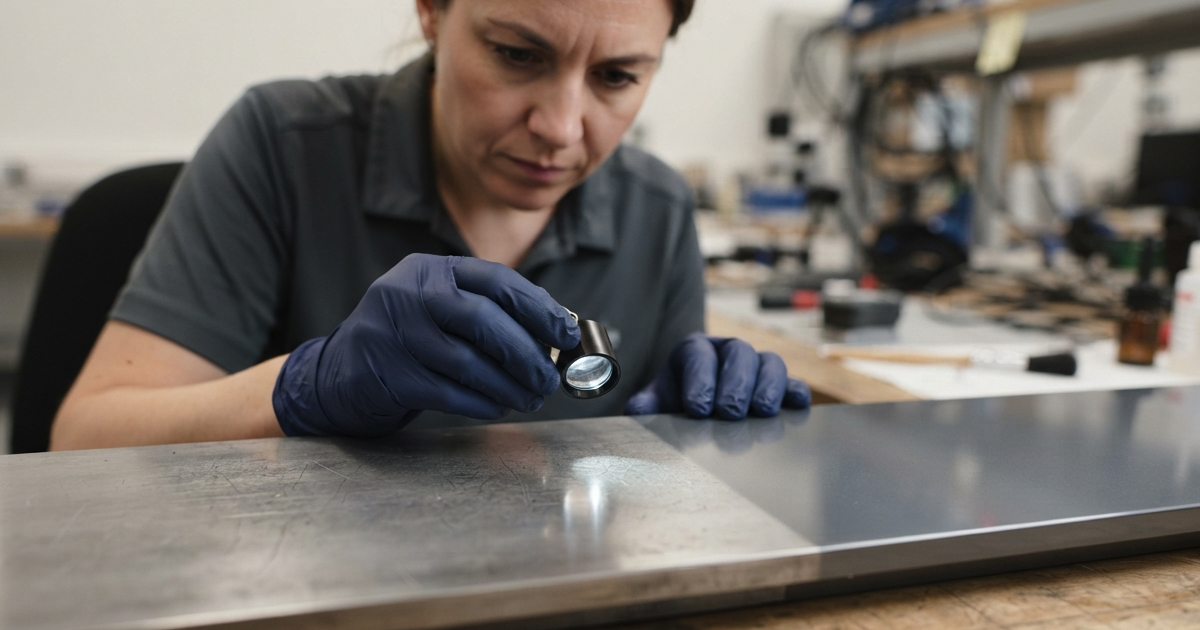
Proper sequencing always begins with thorough surface preparation. Cleaning, repairing defects, and ensuring the substrate is dry and stable must happen before any coating material is introduced. Applying coatings over unresolved surface issues locks problems in place and prevents proper bonding.
Skipping or shortening prep time to “save time” almost always results in rework later.
Step Two: Primers Are Not Optional When Required
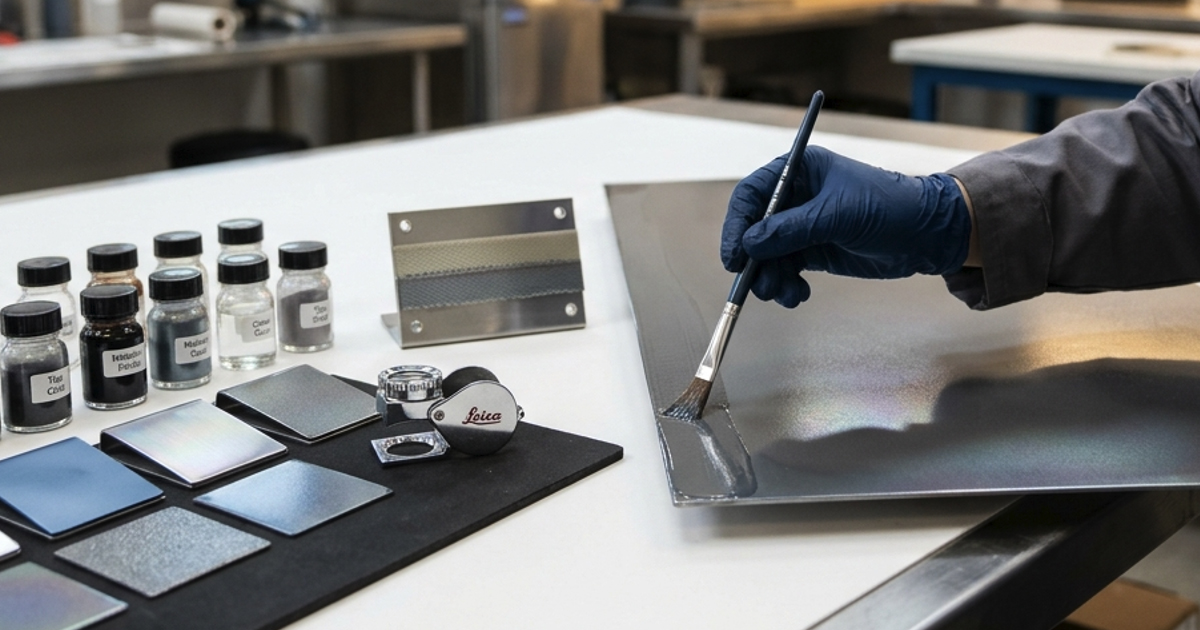
Primers serve a specific purpose depending on the substrate and exposure conditions. They improve adhesion, seal porous surfaces, and create a uniform base for subsequent layers. Applying a topcoat directly to a surface that requires a primer often leads to uneven absorption, poor film build, and reduced durability.
Following the recommended primer and allowing it to properly set before moving forward is a critical part of the sequence.
Step Three: Respect Dry Times and Recoat Windows
Dry times and recoat windows dictate when it’s safe to move to the next step. Applying additional layers too soon can trap solvents or moisture, while waiting too long can prevent proper intercoat bonding.
Monitoring environmental conditions and staying within recommended timeframes ensures each layer bonds chemically or mechanically as intended.
Step Four: Topcoat Application Completes the System
The final layer delivers the performance and appearance the system is designed for. Proper application technique, correct film thickness, and consistent coverage all depend on the steps that came before. When earlier stages are done correctly and in order, topcoats flow better, cure more evenly, and last longer.
A System Works Best When Applied as a System
INSECO specialty coatings are engineered to work together. Treating them as a complete system — and applying them in the correct sequence — eliminates many of the common issues contractors face in the field.
When questions arise, reviewing application order is often the fastest way to identify and correct performance problems before they become costly failures.