



Many coating issues are traced back to application problems, but some of the most persistent failures begin earlier — at the product selection stage. Even when surfaces are properly prepared and coatings are applied correctly, using the wrong system for the exposure environment can significantly reduce performance and lifespan.
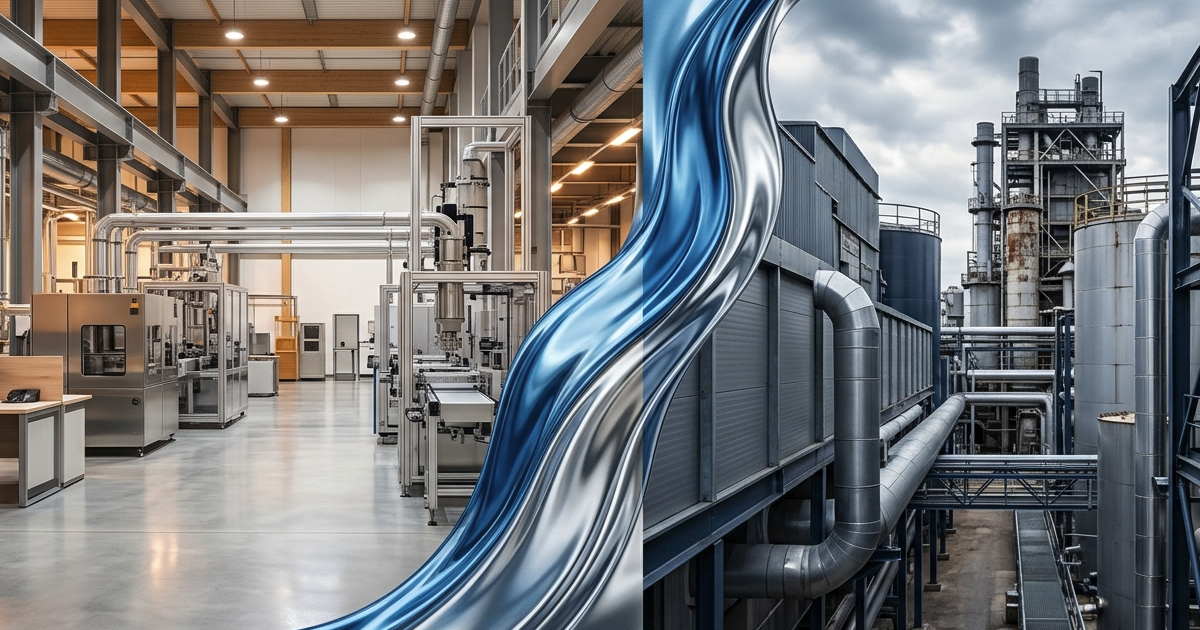
Exposure conditions vary widely depending on how and where a surface is used. Foot traffic, vehicle traffic, UV exposure, moisture, chemical contact, and temperature fluctuations all place different demands on a coating system. Selecting a coating without accounting for these factors can lead to premature wear, loss of protection, or unexpected maintenance requirements.
One common mistake is assuming a higher-build or thicker coating automatically provides better durability. In reality, flexibility, breathability, and chemical resistance often matter more than film thickness alone. A coating designed for light-duty or decorative use may perform well initially but fail quickly under constant exposure or movement.
Another overlooked factor is maintenance compatibility. Some coating systems are designed to be easily refreshed or recoated, while others require aggressive removal before reapplication. Understanding how a coating will be maintained over time is just as important as how it performs on day one.
Successful coating performance depends on matching the system to the surface, exposure conditions, and long-term expectations. Taking the time to evaluate these variables before selecting a product helps prevent avoidable issues and ensures the coating performs as intended.
INSECO coatings are developed to address specific exposure environments and performance demands. When the right system is chosen for the right conditions, application becomes more predictable and long-term results improve significantly.